British Nature: Britain's Hedges & Hedgerows
Heaven Sent Hedgerows
Mark Brazil
By night a silent, ghostly shape wafts and dips over the grassland verge, flutters and rises to land atop the hedge. The Barn Owl, seems to survey the scene as it turns its head, but more than likely it is listening. Somewhere below it, at the base of the hedge, a mouse or vole is moving oblivious to the owl’s honed hunting skills, keen hearing, needle-tipped talons, and sudden flight.
Hovering again the owl seems to pause in mid-air as if suspended in time, then it pounces, rises and carries off its prey to its nest hidden somewhere nearby.
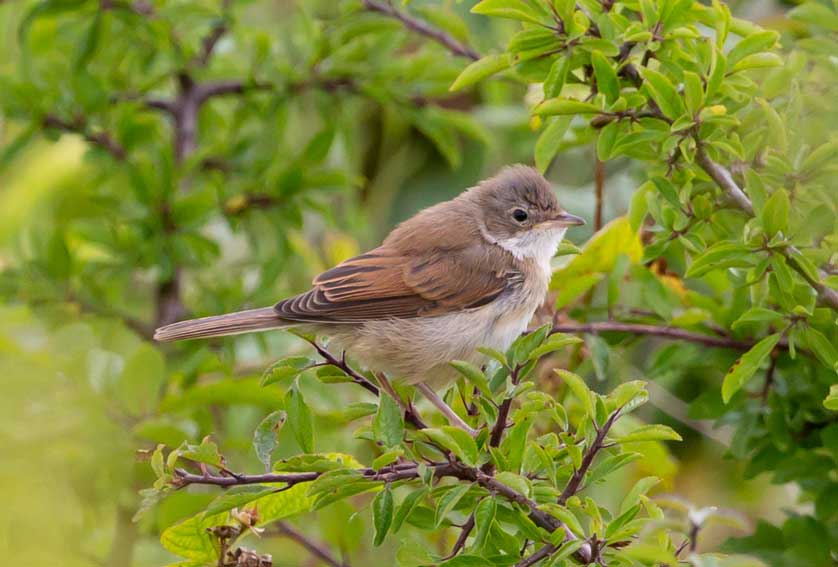
By day, a long-tailed grey shape, all dash and menace, flashes low and fast along beside the hedge. This Sparrowhawk, another accomplished raptor, will scare the living daylights out of any small bird ahead of it.
Its prey, perhaps a berry-eating Redwing or a seed-eating Chaffinch, may find safety if it simply dives for cover, but if it hopes to escape by flying through the hedge and out the other side then it may make a fatal mistake.
Sparrowhawks have short, broad wings and are capable of dashing through surprisingly small gaps in woodland and hedge, though they may simply lift over the hedge at high speed and snatch their prey as it emerges on the far side. Owls and hawks, chaffinches and voles are of the hedgerow, but can they have any sense of its wider appeal?


Landscape
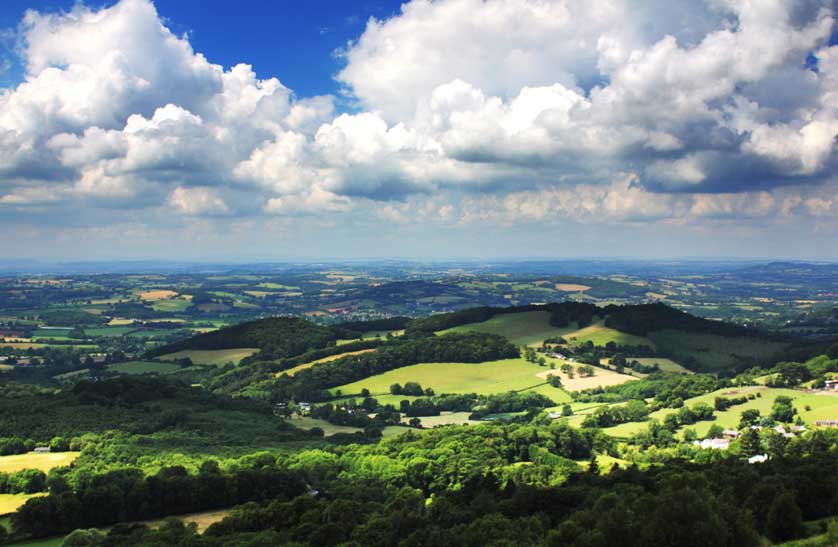
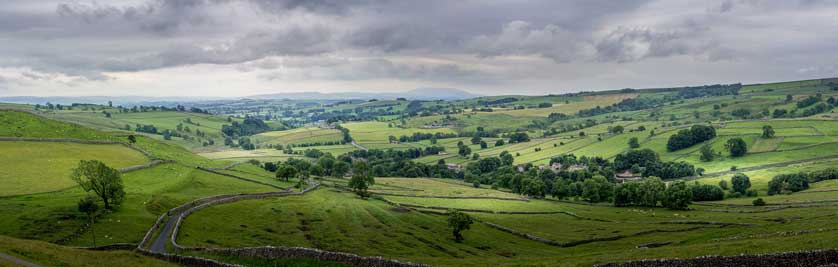
From the air, the varied British landscape has the appearance of a multi-hued patchwork quilt. The parcels of woodland and cropland making up the landscape in shades of yellow and green seem patched together as if connected by living running stitches made of hedgerows that stretch for thousands of kilometres across the landscape.
Hedges
Some hedges run beside drainage ditches, some have banks or even walls within them, and while most have been deliberately planted at some point in time, others are linear remnants of once larger areas of woodland, or have regenerated naturally along ditches, banks or fence lines.
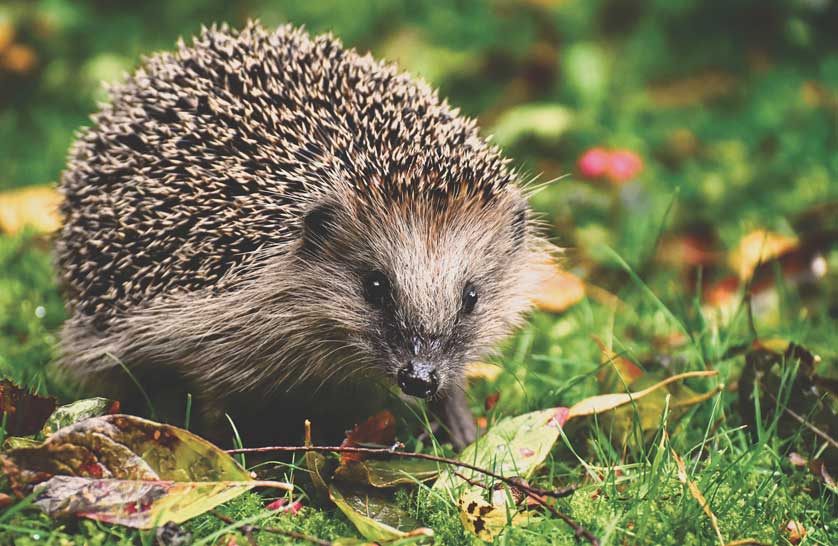
The varied habitats that hedgerows offer allow numerous species to live in, move along and wander through them. Wildflowers and fruiting shrubs and trees provide pollen and nectar resources for a huge array of insects, the shrubs and trees shelter wildflowers beneath them, and support lichens and fungi on them, while seed- and berry-bearing plants offer food for small mammals, birds and insects alike. It is here that you might encounter a hedgehog in its natural habitat, snuffling its way, hog-like, in search of earthworms beneath the hedge.
Travel across the country by air, by road, rail or canal and the linear hedgerows of Britain are a constant visual feature, following pathways, tracks, water courses and field margins, dividing up the land in irregular shapes, and providing habitats and homes to a wealth of wildlife along the way. They seem so normal in a British context, yet many countries around the world have no such habitat, nor even any near equivalent.
History
Some hedgerows are truly ancient, dating back to prehistoric times. Many are a millennium or more old, with the earliest references (dating back to 547 BCE) in the Anglo-Saxon Chronicle.
Considerable additional planting took place during the 18th and 19th centuries as common land was enclosed and that is when the length of rural hedgerows is thought to have peaked (about 1870).
There seems to have been little change until the middle of the 20th century when England alone was estimated to have 662,500 km of hedgerow, but since then, as farming has intensified and farming equipment and machinery has become larger, more than 100,000 km of hedgerow have been sacrificed or 'lost', so that today there are about 550,000 km of hedgerows left in England supporting an estimated 1.6 million hedgerow trees.
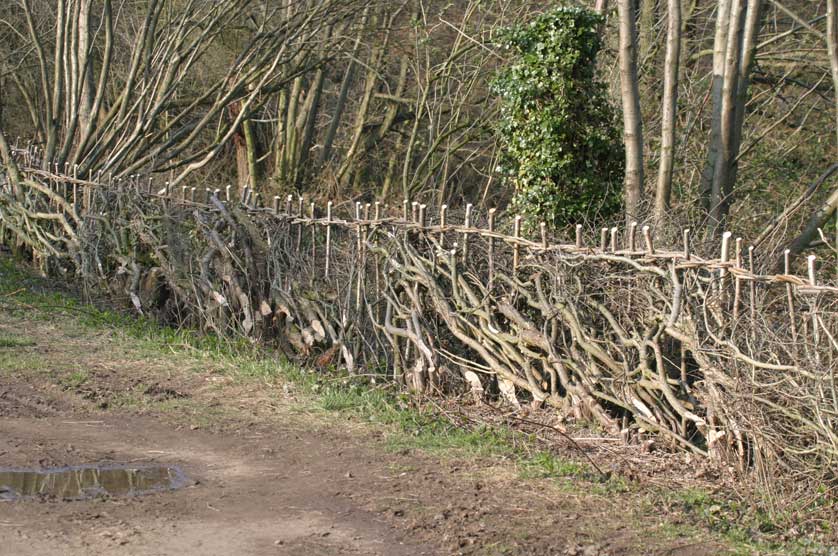
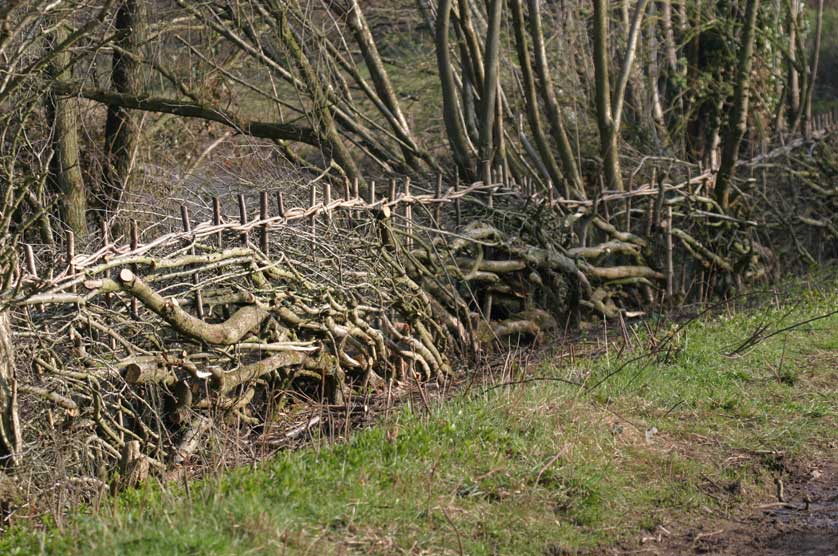
A well-managed hedge presents an impenetrable barrier to livestock, but takes considerable work to maintain. Well-layed hedges, skilfully maintained by hand are becoming a rare sight [see photo © Mark Brazil] as the skill dies out and as more and more hedges are heavily trimmed using machinery.
Man-made
Hedgerows are largely man-made features of the landscape, created as trees and shrubs were planted as a way of dividing up and enclosing rural land and preventing the movement of farmed animals.
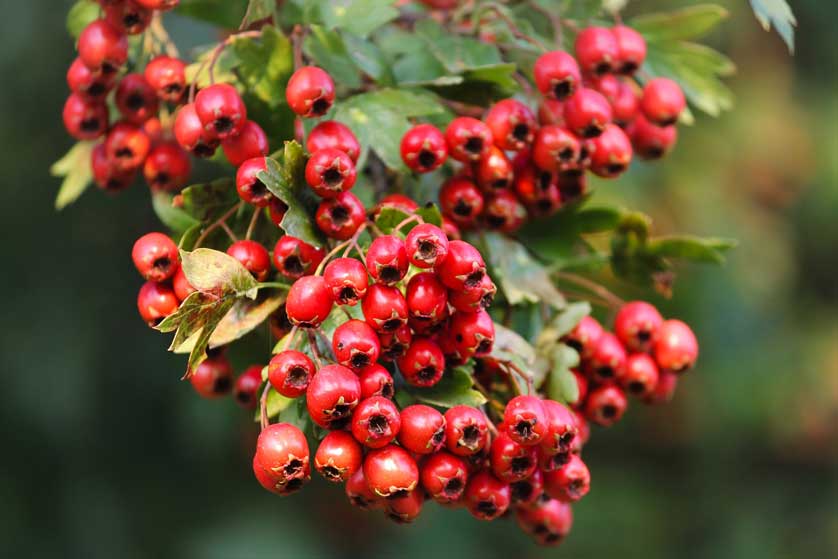
Rural hedgerows are typically dominated by Hawthorn and Blackthorn, with some containing Beech, Elm, Hazel, Elder, Pine, Holly, Willow, or gorse.
The diversity of woody trees and shrubs in hedgerows contributes positively to bird and invertebrate richness, making a wander along a country lane, banked by its twin hedgerows, a journey through a nature-rich landscape.
In urban areas, where hedges have been planted as boundaries between properties, and around gardens and parks, they may contain the same species as those in rural areas or, instead, they may contain a range of introduced, ornamental shrubs and trees deemed attractive by landowners.
Hedgerows are largely absent from upland areas, where stone walls predominate, and they tend to be absent too from wetter lowland areas such as fenland and grazing marsh, but hedges are especially noticeable where they border rivers, roads and railways and enhance the visual connectivity of the landscape.
In appearance, hedges seem like woodland edges, providing an ecotone between woodland and open grassland, and they provide important semi-natural habitats for a broad array of species.
But hedgerows are more than just wildlife habitats, more than just the many parts of their whole; hedges also contribute significantly to landscape attractiveness and they can be valued for their ecosystem services for their functions range from carbon capture to water and air purification, providing life-giving habitat for lichens, fungi, wildflowers, insects, reptiles and birds, and shade for livestock, along the way.
Mark Brazil, naturalist, author and expedition leader, grew up in the landlocked county of Worcestershire, but has lived in Staffordshire, Stirlingshire, Hertfordshire and Norfolk.
Among his favourite places he include the coasts and offshore islands of Britain, especially the remote isles of Scotland. Between leading international expeditions he currently resides in east Hokkaidō, Japan. His most recent book Wild Hokkaidō: A Guidebook to the National Parks and Other Wild Places of Eastern Hokkaidō was published in summer 2021.
Hotels in Scotland
Book Hotels in Edinburgh - Booking.com
Find Hotels in Glasgow - Booking.com
Search Hotels in Orkney - Booking.com
Hotels in The Shetlands - Booking.com