London Roof Gardens
Rooftop Revolution: London's elevated green transformation continues apace
Daniel Allen
Green roofs have come on a bit since the Hanging Gardens of Babylon. Once viewed as quirky, one-off projects by those with tree hugging tendencies, green roofs are now transforming the London skyline as residents and businesses take an elevated approach to improving the capital's biodiversity, liveability and ability to handle the vagaries of climate change.
Green Spaces
Today all kinds of elaborate and exciting green spaces - together with complimentary fauna - are starting to appear on buildings. Way up above the capital's bustling streets, rooftops old and new are now morphing into vibrant flower, fruit and vegetable gardens.
Ham Yard Hotel
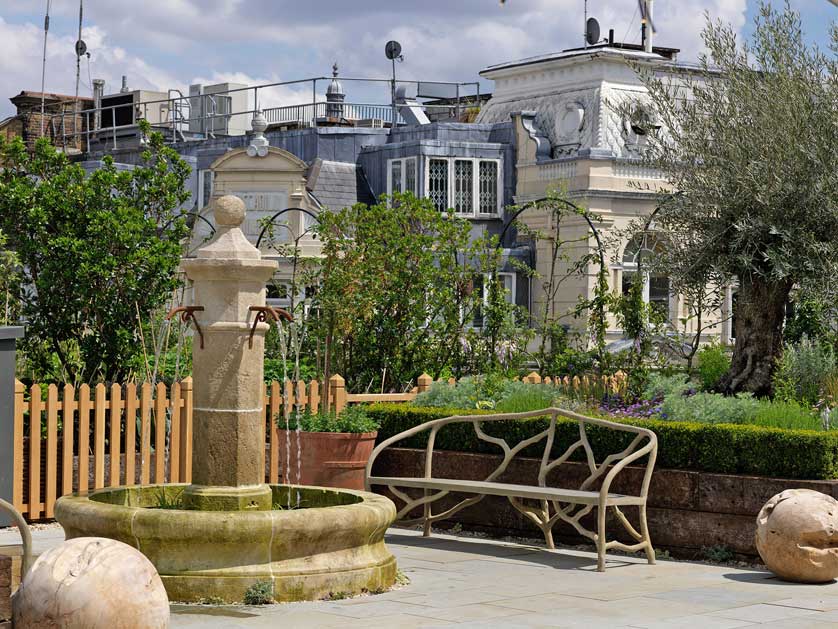
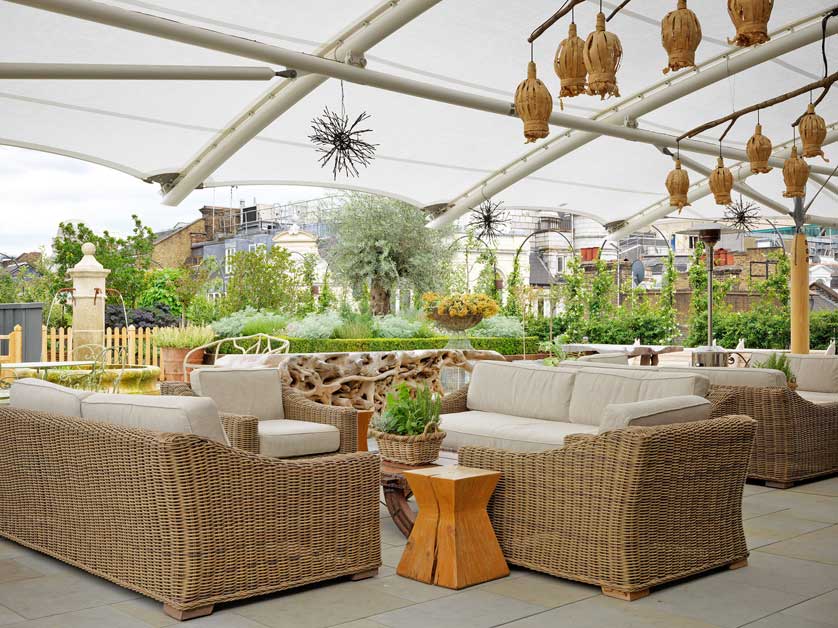
Take the Ham Yard Hotel in Soho, for instance. This recently renovated upmarket lodging in the heart of London now boasts a large, leafy rooftop garden with sweeping views over the London skyline.
Watched over by two ancient olive trees and surrounded by apple and pear fruit trees, the garden blooms all year round with seasonal flowers from poppies and lemon verbena to jasmine, creating a wild meadow. Raised beds made of railway sleepers and picket fencing form salad, herb and vegetable gardens, its produce appearing in the restaurant's daily specials.
"Of course, we wanted to create a beautiful secluded space for our guests," says Craig Markham, director of the Firmdale Hotel chain, when asked about the rationale for creating this verdant oasis.
"But we also wanted to breath new life into a neglected part of Soho. Adding greenery and trees has - including five, fully grown oaks - has really changed the environment of the area."
Sky Garden
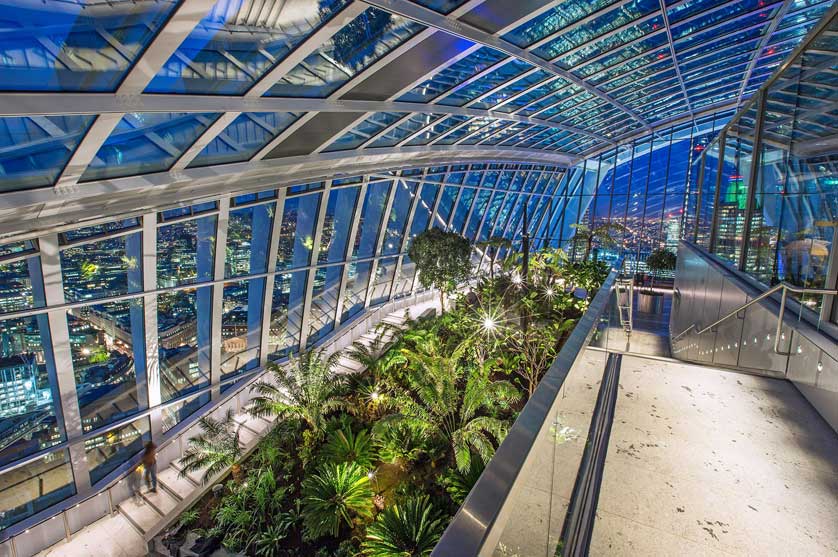
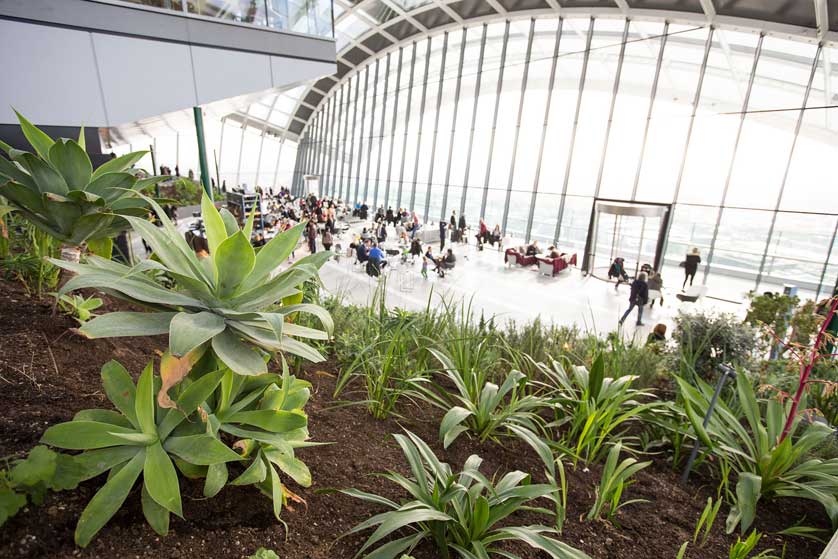
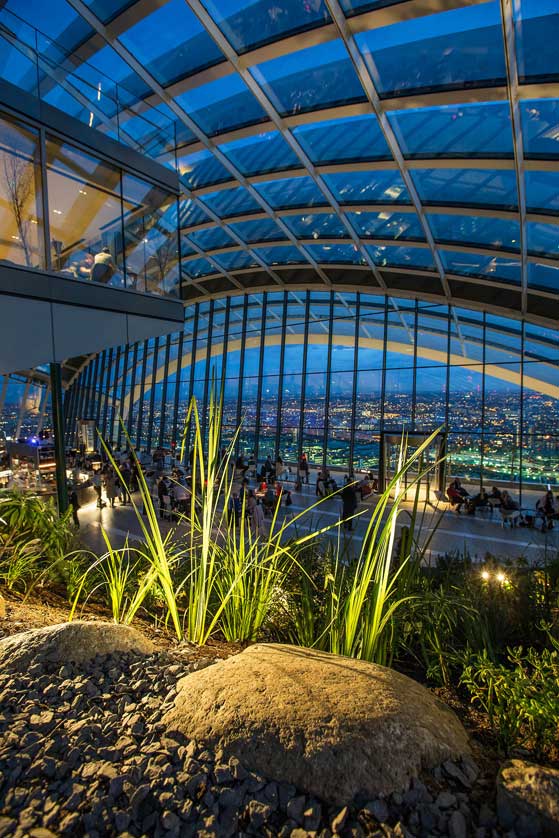
London's roof garden buzz went up a notch recently with the January 2015 opening of the Sky Garden. Billed as "London's highest park", it occupies the top floors of the new skyscraper at 20 Fenchurch Street in the City of London, more popularly known as the Walkie Talkie thanks to its convex outline.
While anyone can roam the verdant confines of the Sky Garden, adding another landmark to London's list of sights, visits must be pre-booked online. They are free of charge, however, in contrast with the nearby Shard.
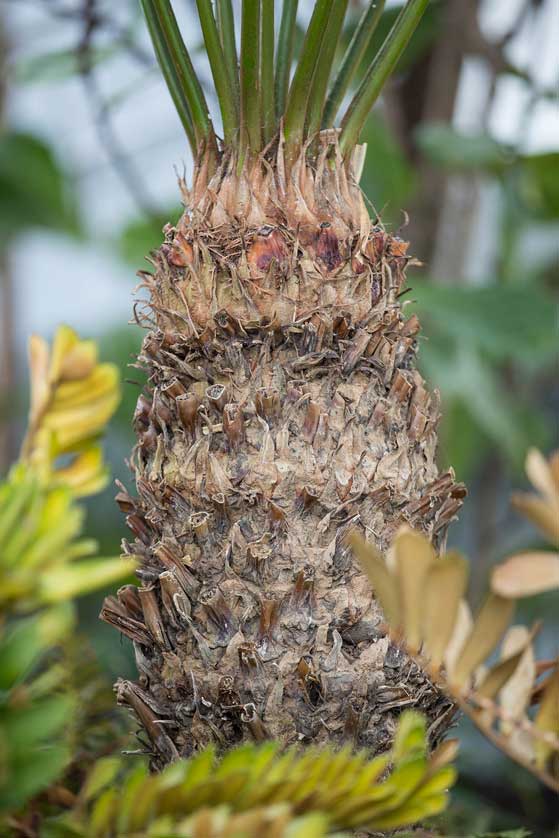
Under the Sky Garden's capacious glass roof, exotic plants such as African lilies, red hot pokers, bird of paradise plants and tree ferns mix it up with more local flora such as French lavender and rosemary. Three dining "concepts" are on hand to offer an elevated (if expensive) culinary experience amongst the greenery.
Living Walls
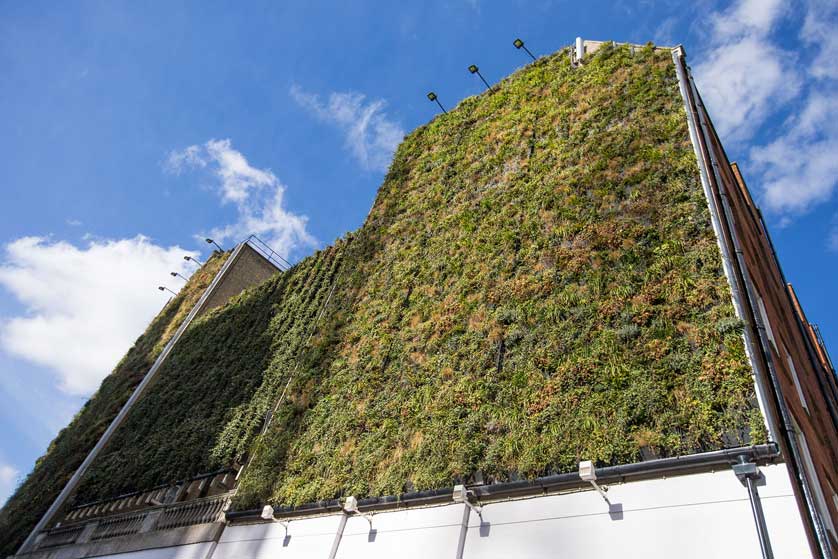
London's burgeoning green trend isn't confined to the horizontal either. While so-called "living walls" - the vertical equivalent of a green roof - are still finding their feet in the capital, they are starting to grace an ever growing number of the capital's buildings.
Standing six storeys tall and a stone's throw from Buckingham Palace, the living wall at the Rubens at the Palace Hotel is London's latest wonder of vertical verdancy. Covering an area of 350 square metres, it contains more than 10,000 plants from 23 species, including evergreen ferns, ivy, geraniums, crocuses, buttercups and strawberries.
"While green infrastructure inevitably improves the aesthetics of the area it also has a substantial positive impact on the long-term environmental sustainability of an area," says Ruth Duston, CEO of the Victoria Business Improvement District (London's 25 BIDs are non-profit organisation representing local businesses).
"The Rubens at the Palace Hotel has demonstrated a huge commitment to the delivery of a sustainable agenda," continues Duston. "The hotel's appetite to engage and lead on such an iconic project really showcases the greening agenda overseen by Victoria BID to deliver a model of best practice for London."

St Ermin's Hotel
A green roof map recently put together by the Greater London Authority (GLA) now shows 700 green roofs in central London alone, extending over 17.5 hectares. In addition to soaking up carbon, these are also providing habitat and food for a surprising amount of fauna.
When it comes to keeping wildlife happy, St. Ermin's Hotel near St. James's Park is doing more than most to accommodate its on-site species. The hotel's flower-filled roof terrace is currently home to 300,000 Buckfast bees, safely housed in purpose built hives. It also features a newly completed "bee hotel", where it is hoped that a wider range of bee species will hopefully take up residence.
The hotel's bijou "Bee & B" was designed by London-based beekeeper Camilla Goddard. It is formed of stylish purple hexagonal suites, each sporting a different theme to provide a welcome home for all kinds of visiting bee species. Peaceful bamboo nesting areas and condominiums (in modern block design or traditional log style) are for solitary bees such as the leaf-cutter bee, whilst smaller boxes cater for social breeds such as the tree bumblebee.
Working with the hotel, Goddard offers popular two-and-a-half-hour beekeeping workshops (25 GBP per person). These outline the complexities of bee society and "beehaviour," highlight the close relationship between bees and flowers, and give guidance on what to plant and how best to site hives in gardens or allotments.
Olswang
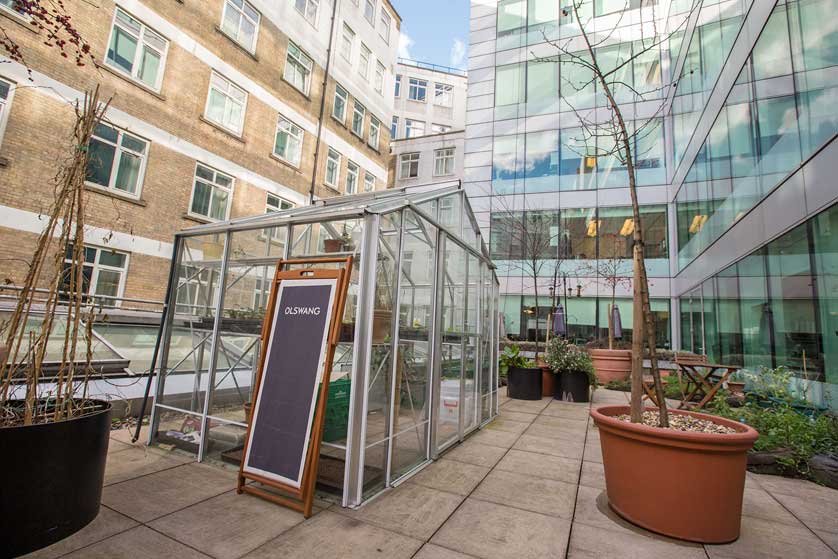
It's not only hotels getting in on the rooftop beekeeping act either. Holborn-based law firm Olswang also have their very own elevated apiary, together with a wormery, flower and vegetable garden, and team of dedicated gardener-beekeepers.
Olswang began the process of greening their concrete roof space in 2010. Electing to keep bees, the firm initially created a wildflower garden that would provide enough food for their new, 80,000 strong winged workforce. Each year has seen the garden developed further; today it boasts three hives, a greenhouse, an array of potted trees, and a cornucopia of fruit and vegetables.
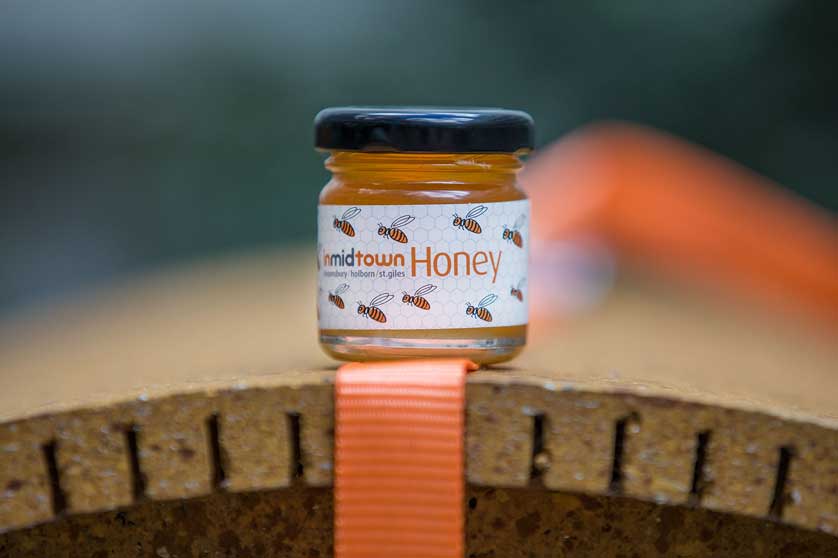
Trained up by a professional beekeeper, a team of Olswang volunteers now cares for Olswang's own bees, as well as being part of a self-sustaining bee network in the local community. The law firm collects and sells the honey its bees produce - harvesting around 40 litres over the last year - with the money generated donated to the firm's charity partner, Carers Trust.
Just to the northwest of Olswang, in the London borough of Camden, Australian property company Lend Lease is also doing its bit for the insects. Its biodiverse roof boasts London's largest insect hotel, as well as keeping the members of its "Green Fingers Club" out of mischief at lunchtimes and after work.
Rooftop recommendations
- Sky Garden at 20 Fenchurch Street
skygarden.london
- Ham Yard
firmdale hotels.com
- St. Ermin's Hotel
sterminshotel.co.uk
- Rubens at the Palace Hotel
rubenshotel.com
Related London Articles
Hotels in London
Book Hotels in London - Booking.com
Find Luxury Hotels in London - Booking.com
Budget Hotels in London - Booking.com
Find Hotels in England - Booking.com
London Offers
London Attractions Tickets - Tiqets.com