The Hebrides
The Hebrides: Islands on the Edge
Daniel Allen
Sitting off the Atlantic coast of Scotland, the Outer Hebrides are rich in history and rich in nature. Boasting beautiful beaches, crystal clear waters, rugged moorland and freshwater lakes, there's no question that this unique island chain is a very special part of the world.


Hebrides Introduction
Liberating and exhilarating, the wilder reaches of Scotland boast some of the most stunning scenery in Europe. Thanks to some amiable residents, a fascinating culture, an ever-changing landscape, and some of the most beautiful beaches you're ever likely to walk on, the Outer Hebrides are a particular highlight.
As long as you pack for all weathers, this idyllic and idiosyncratic archipelago invariably offer the adventurous a memorable vacation experience.
Outer Hebrides
The Outer Hebrides is an arc of over 200 islands to the west of northern Scotland, extending 200 kilometres from the Butt of Lewis in the north to Barra Head in the south.
The Hebrides islands are between 50 and 100 kilometres from the Scottish mainland, across the narrower Minch to the north and wider Sea of the Hebrides to the south. Many of the main islands are linked by causeways, but where there's a bigger expanse of sea, a ferry connects travellers to their next destination. 2013 was Visit Scotland's year of Natural Scotland, so visitors will find plenty of well-mapped hikes, nature trails and cycle routes throughout the Hebridean chain as part of that promotion.
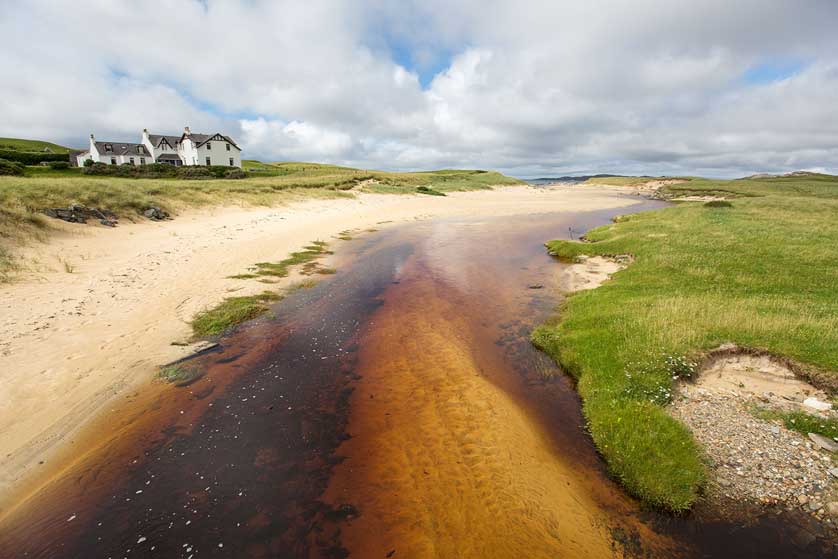
From mainland Scotland, the Outer Hebrides appear as a long series of hilltops on the horizon. Approached from the Atlantic, they appear rocky and bleak, with numerous fjords and small islands. On the west side there are many sandy beaches and attractive bays, with few high cliffs. About 26,500 people inhabit 15 of the islands, with the majority of the population living on Lewis and Harris. The main town and ferry port is Stornoway, with a population of less than 10,000.
Hebrides History
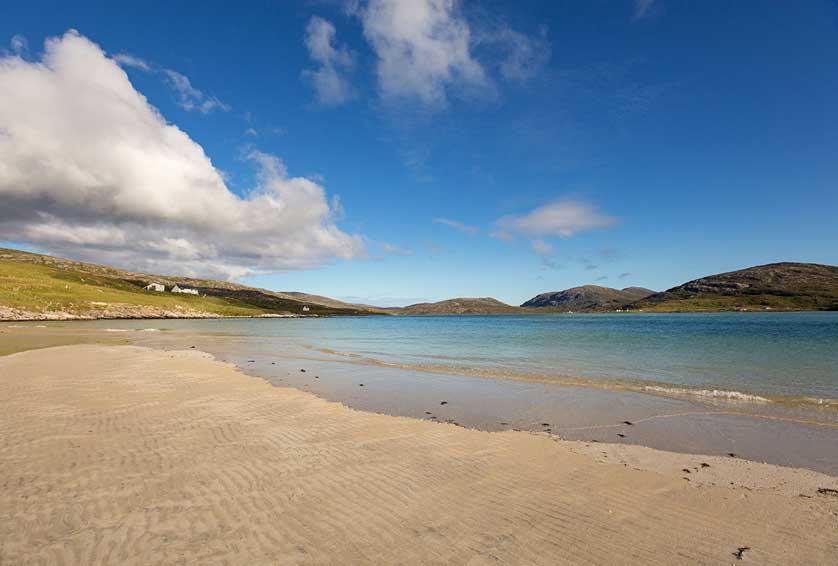
Formed a mere 3000 million years ago, the wildly contrasting landscapes of the Hebrides are frequently breathtaking. From the endless stretches of near-deserted sand that fringe much of the Isle of Lewis, down to the gorgeous Luskentyre Beach on the Isle of Harris, many of these idyllic environments are more evocative of the Caribbean than coastal Scotland.
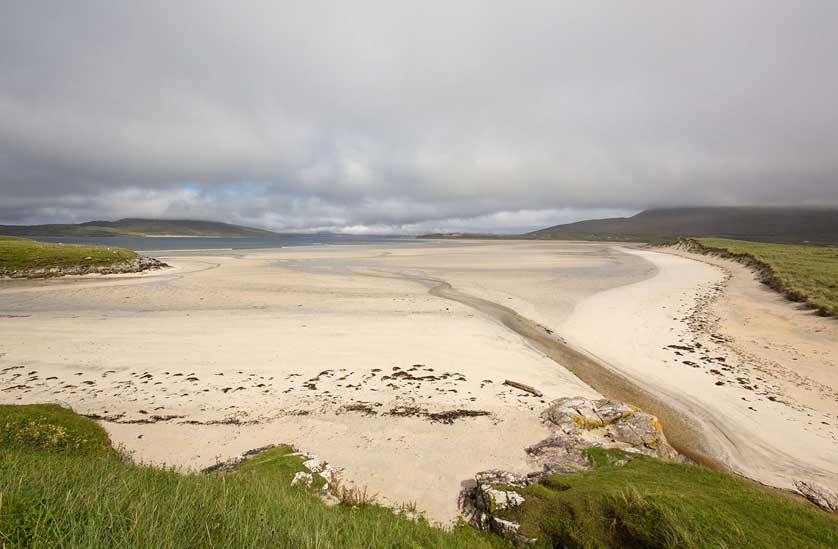
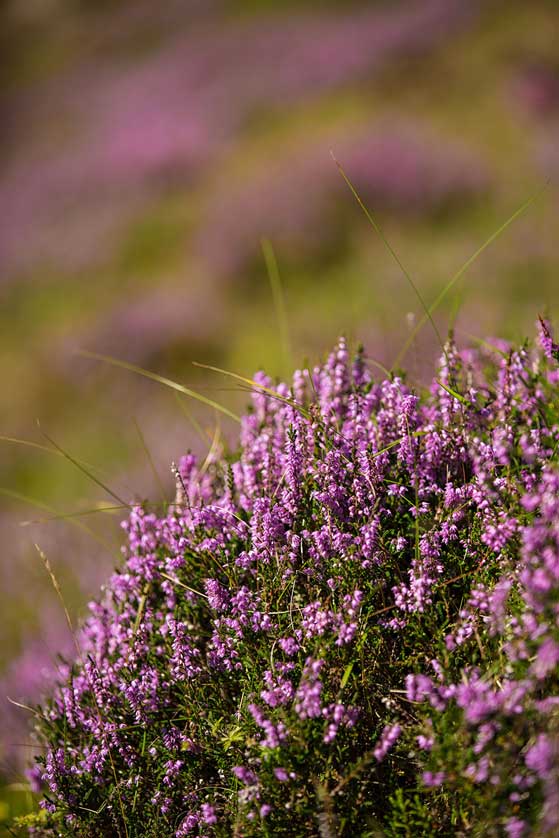
The southernmost parts of the Outer Hebrides have an even more striking, almost lunar, appearance, with barren rock formations broken up by placid lochs (lakes) and heather-strewn peat bogs, with mist-shrouded mountains dropping down to the rolling waves of the Atlantic Ocean. Those that keep a camera handy will find an incredible photo opportunity around every corner.
Islands in Time
While the archipelago is not old-fashioned, there is a timeless charm to the Outer Hebrides, and the islands make the perfect location for enjoying the laid back pleasures of life. A Hebridean saying runs along the lines of: “When God made time he made plenty of it”, which describes the leisurely pace of life rather well.
In times of old, the Hebrides were known as Innse Gall, or "Islands of Strangers", referring to the Vikings who lived there for nearly 500 years. Today, the archipelago's Norse heritage remains evident in the names of many of the places and in the language.
Hebrides Attractions
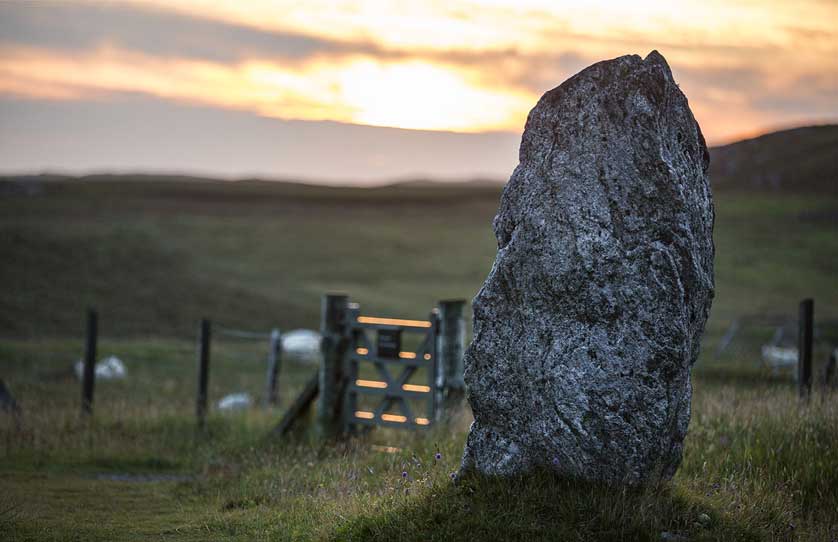
The Outer Hebrides boast numerous sites of interest, and it would take many weeks to visit them all. However, even on a short stay, it is possible to observe human construction from a wide range of periods. Neolithic, Bronze Age, Iron Age, Norse, Medieval and more modern sites are scattered across the archipelago, from the north of Lewis to Barra Head. While some are signposted, most are not, making maps essential from the Stornoway Information Centre.
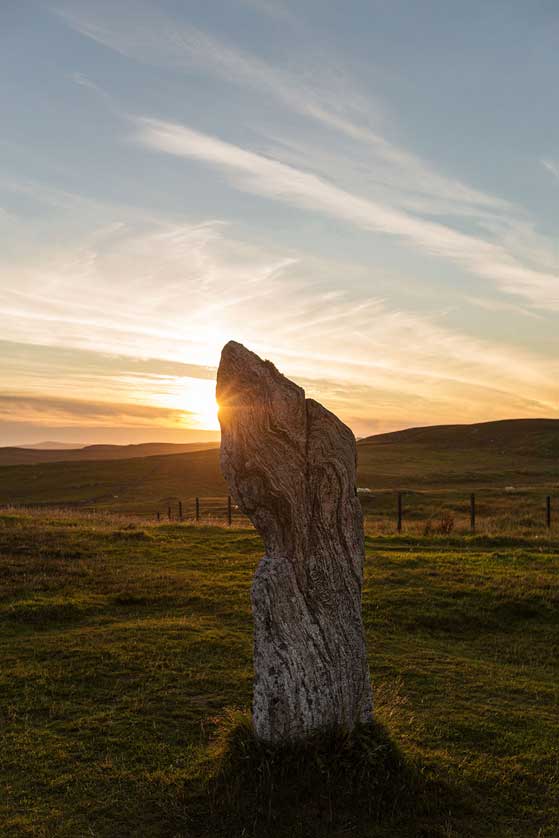
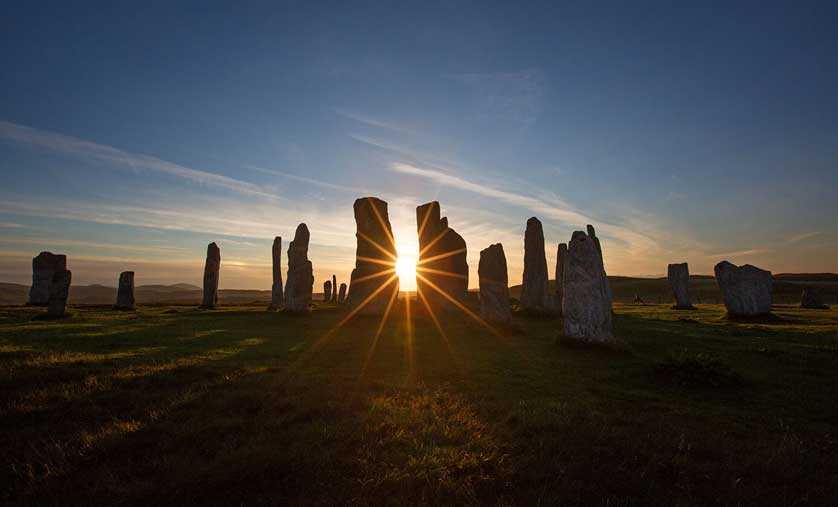
The early settlers on the Outer Hebrides have left a rich legacy, ranging from numerous chambered cairns (man-made stacks of stones) through to rings of giant standing stones. These include the well-preserved cairn at Langass on North Uist, the mysterious Steinicleit at Shader in Lewis, and the spectacular Standing Stones at Callanish.
"Perhaps the most dramatic of all the Outer Hebrides monuments are the Standing Stones at Callanish," says local historian Andrew Moffat. "These megaliths and nearby stone circles represent an immense amount of work for a Neolithic society, and were clearly erected with a strong sense of purpose and reverence."
Dun Carloway is the best preserved of the many Iron Age brochs and duns in the islands. These are dry stone hollow-walled structure of a type found only in Scotland, and are often known as Atlantic round houses. There are many dotted throughout the Hebrides, but the best are probably in North Uist, especially Dun Sticir, near Otternish, and Dun Torchuill.
Hebrides Castles & Blackhouses
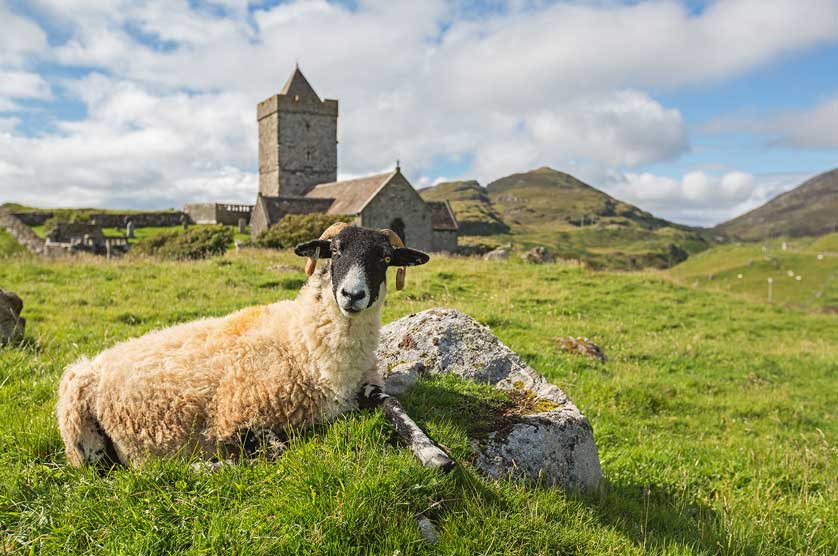
There are only a few remaining castles on the Outer Hebrides, of which Kisimul Castle on Barra is the most dramatic. The castle at Stornoway was largely destroyed by Cromwell's troops during the English Civil War (1642-1651 AD), and the remains now lie under the old ferry pier. The archipelago also boasts many ancient chapel and monastic sites, of which many are ruinous and remote. The best preserved Medieval church is the sixteenth century St Clement's Church at Rodel, at the southern end of the Isle of Harris.
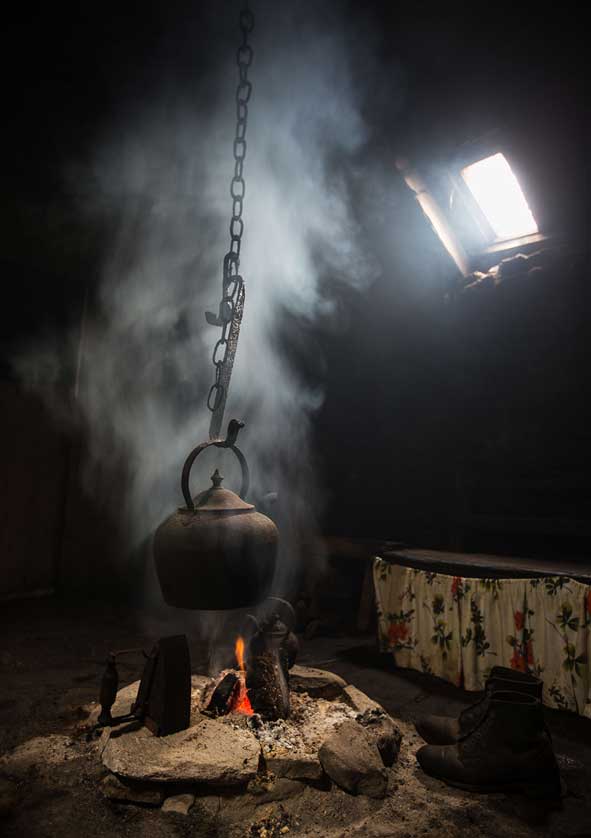
Throughout Scotland, "blackhouses" were the standard domestic building until the middle of the nineteenth century. These apparently primitive dwellings had thatched roofs and a central fireplace - smoke escaped though the thatch from the peat fire in the centre of the living room floor - and the human inhabitants shared the space with their animals, much as in Neolithic times.
The blackhouse at Arnol on the Isle of Lewis is particularly interesting, and was last occupied in 1965, having been built in about 1885. The house closely resembles domestic buildings from Norse times or even earlier, which were often built from turf, with a timber lining and stone foundations.
Hebrides Habitat
Small in size, the islands of the Outer Hebrides nevertheless boast a great variety of habitat. There are several distinct types of terrain, including moorland and hills, sandy beaches and dunes, rocky coasts and cliffs, woodlands and inland lochs. Much of the interior of the islands, especially Lewis and North Uist, comprises vast areas of peatland, while the eastern seaboard is mostly rocky, facing the deep waters of the Minch.
By contrast, the spectacular sandy beaches which dominate the western sides of the Outer Hebrides are often backed by large areas of dunes and machair. The latter are sand dune pastures formed when wind-blown sand has accumulated in considerable quantities inland. Supporting rare flowers and a diverse array of bird species, machairs are of huge ecological value.
Long fjord like sea lochs indent the coasts of the Outer Hebrides, especially in the east. The largest of these, Loch Seaforth, is one of many such drowned valleys which have been sculpted by glaciers. Inland, especially in Lewis and the Uists, the terrain is dotted with over 7,000 lochs, large and small. These have formed in hollows scooped out by glaciers and afford excellent trout fishing.
The wildlife in the Outer Hebrides is one of the main draws. Ringed by some of the Europe's loveliest white-sand beaches and crystal-clear waters, it's hardly surprising the Hebrides are a mecca for marine wildlife. The archipelago is home to almost half of the world's population of grey seals, and they can be spotted basking on the rocks that line the coast. Speaking of basking, sharks of that variety, otters and harbour porpoises are also common, and those who take a boat trip may be lucky enough to spot a bottlenose dolphin, minke whale or, if you're very lucky indeed, a killer whale.
The islands are also home to a panoply of birds. Spectacular birds of prey, the White-tailed Eagle and Golden Eagle both breed on the Hebrides here. The former was reintroduced to the area from Norway in 1975. They breed on remote cliffs but may be seen fishing around the coast or on larger lochs.
Golden Eagles may be seen almost anywhere in the isles and breed from the Lewis hills to Barra. Usually they are observed soaring high above, but a lucky few may be rewarded by a spectacular stoop to catch a rabbit or other prey. In early spring during their courting displays, Golden Eagles can become almost oblivious to people.
The Royal Society for the Protection of Birds (RSPB) Reserve at Balranald on North Uist is one of the best places on the Hebrides to witness bird life. This beautiful ecosystem boasts sandy beaches, rocky foreshore, marshes and sand dunes. An information centre explains the importance of traditional crofting agriculture for corncrakes and other wildlife. Many wading and farmland birds nest on the flower-rich machair and croft-land, and this is the best place to hear and even see corncrakes and corn buntings.
"The circular nature trail through Balranald is 4.5 kilometres long and takes two to three hours," explains Reserve Manager Jamie Boyle. "The trail goes through wildflower-studded machair and around a bird-rich headland. On good days a wide selection of wildlife can been seen, from wading birds to the elusive otter."
The wide range of habitats found in the Outer Hebrides has also allowed a diverse flora to proliferate. July is perhaps the best month for a profusion of wild flowers on the machair, while any time between May and September will reward those visitors interested in botany. As machair is composed of up to 90% shells, the lime content of the soil is high. In summer these areas are covered by a carpet of wild flowers, with up to 40 different species per square metre.
Lewis Lowdown
The Isle of Lewis is the largest Outer Hebridean island, and covers the northern expanse of Lewis, plus part of Harris. It covers 1,790 square kilometres and holds about three-quarters of the population of the archipelago, two-thirds of whom live in capital Stornoway and the surrounding areas.
In modern Gaelic (the traditional Scottish language) the island is called "Leodhas", which in turn probably comes from the Old Norse "Ljodhus", which is an alternative name for the large halls where the Vikings spent much time in winter telling stories, reciting poetry and drinking.
Except in the south, most of Lewis is low lying. The interior is a vast peat bog, strewn between lochans (small lakes). Society here differs from elsewhere in most of Scotland. The Church and Sunday observance remain strong, and Gaelic is the first language of many people.
Traditional practices such as crofting, peat cutting and small scale fishing continue. Ceilidhs (pronounced kaylees), which are traditional storytelling, music and song events, are held regularly. The Hebridean Celtic Festival, held in Stornoway each July, is one of the high points of the local cultural year.
Lewis is perfect for every type of outdoor activity you can imagine, with an Atlantic-facing location that means it offers some of the best surfing in the UK. If surfing sounds a bit too much like hard work, you can take a boat out to sail around the Hebridean Islands or cycle through the changing panoramas. The islands are also home to some incredible diving due to the clear waters, reefs and underwater kelp forests.
Wining and Dining
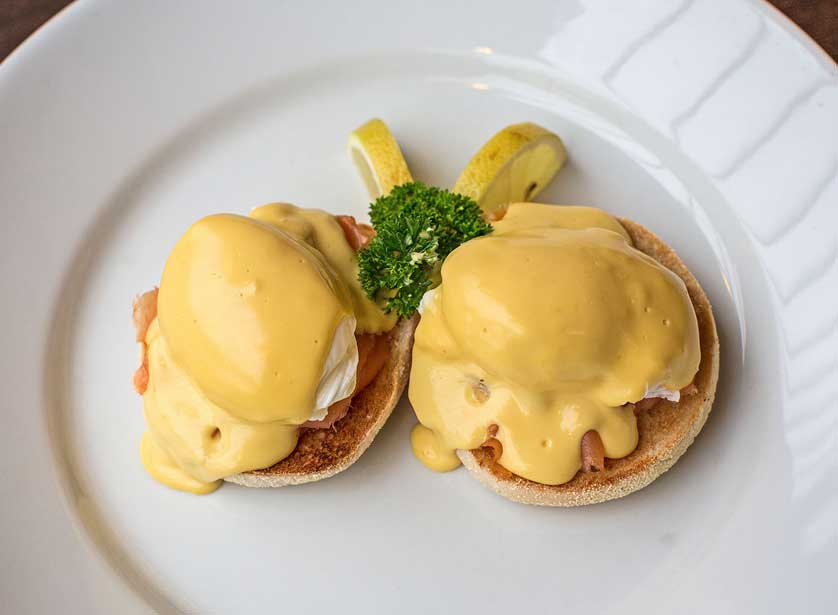
The Outer Hebrides are home to a unique traditional culture. Locals have produced their own foods since the islands were first settled and that tradition remains today. The traditional crofting way of life on the islands has resulted in a unique range of food items.
Perhaps the most famous and sought after of these traditional foods is the Stornoway Black Pudding. The unique recipe of the Black Pudding has been used in the Outer Hebrides for over seventy years with local butchers throughout the town of Stornoway selling their own version of the delicious oatmeal dish. The delicacy can be seen on the menus of some of the top restaurants in the world, from Edinburgh to New York.
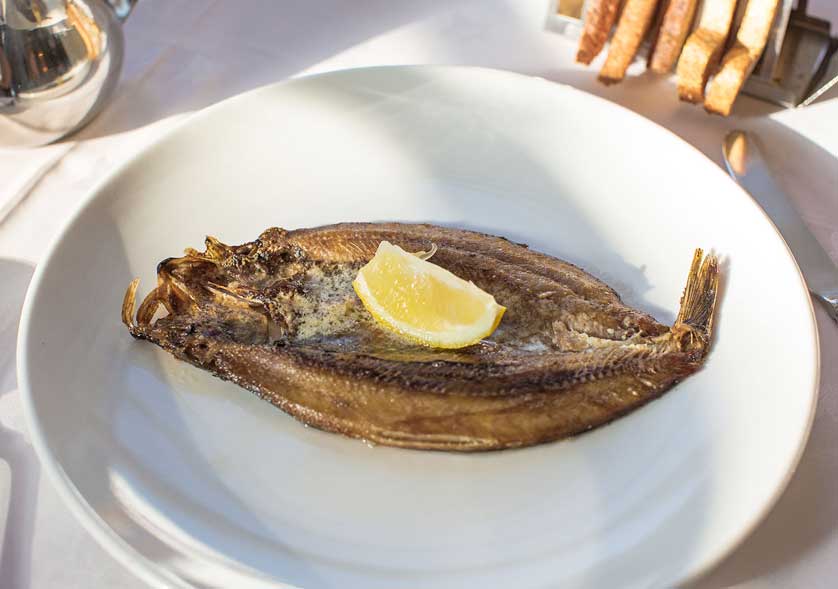
Surrounded by the deep clear waters of the Atlantic Ocean, it's hardly surprising that the Outer Hebrides are famed worldwide for the vast array of fresh seafood caught off the islands' shores. Hebridean salmon and scallops are among the highest prized of the islands' offerings. Stornoway has its own fish smokers in the town centre, providing freshly smoked kippers and salmon.
The islands can also satisfy any sweet tooth. The shelves of local delicatessens and cafes are stacked with homemade jams and cakes - often made that very morning. Luxury chocolate truffles are sold across the islands direct from Stornoway's very own chocolate factory - Hebridean Chocolates - while the Hebridean Toffee Company based on the Isle of Barra produces homemade luxury confectionery sold across the islands.
Whether your want a quick snack and to indulge in sumptuous Hebridean toffees and chocolates, or a three-course dinner, there are plenty places to eat across the Outer Hebrides, whatever your tastes and budget. All the restaurants and eateries across the Outer Hebrides take pride in is their use of the abundant local produce of the islands. From hand-dived scallops at The Anchorage Restaurant on Harris to freshly smoked kippers served on menus in Stornoway, eating out in the archipelago offers a fantastic gastronomic experience.
The Hebridean Brewing Company offers a wide selection of cask ales and filtered beer, many of which have won regional and national brewery awards. The brewery is situated in Stornoway town centre and the ales are sold in many outlets throughout the islands.
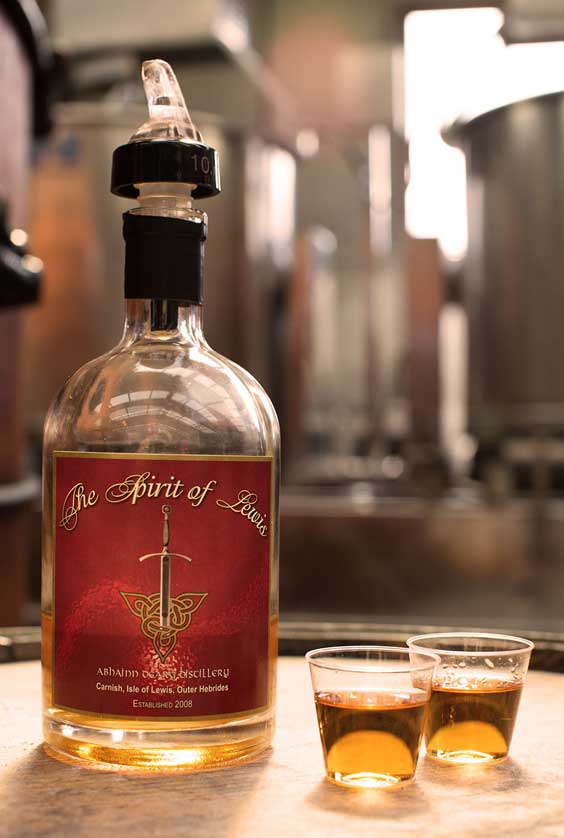
The most westerly distillery in Scotland - and the only one in the Outer Hebrides - Abhainn Dearg produces whisky made to a 400-year-old recipe unique to the Scottish islands. The distillery takes its Gaelic name from the river banks it lies on - the Red River - and uses the clear crystal water from the river to produce the whisky. Established in 2008, Abhainn Dearg is a "new distillery in an ancient landscape" and is the first to grace the island shores for nearly 170 years. With barley grown onsite and just two permanent staff members, the distillery is unlike any other in Scotland, with and even bottles its own whisky hand.
Hebrides Weaving
Since time immemorial the Hebridean islanders have woven a beautiful and intricate cloth that is known simply today as Harris Tweed. However, it wasn't until the middle of the nineteenth century that the textile became highly sought after, when Lady Dunmore, widow of the landowner of Harris, spread the good word about Harris Tweed to her wealthy friends farther afield, thereby establishing a vibrant new trade.
Today visitors can stop by one of the Harris Tweed mills on Lewis to learn about the making of this world-renowned luxury textile. Protected by an act of parliament, a cloth can only be called Harris Tweed if it's hand-woven and spun in the Outer Hebrides by the islanders using local wool.
When shopping for Harris Tweed products look out for the stamped Orb Mark pressed onto every length of cloth - a guarantee of authenticity and a firm reassurance of its quality and craftsmanship.
There are Harris Tweed shops in different towns around the archipelago where you can select from everything from jackets, suits, skirts, hats and handbags to mobile phone covers and toiletry bags, all of them carrying the famous Orb trademark. The perfect souvenir.
Every island-hopping holiday in the Outer Hebrides offers opportunities to add additional adventures to your itinerary - from sea kayak safaris and mountain bike tours to wildlife walks and boat trips to uninhabited outlying islands, including the Castaway island of Taransay and dual World Heritage Site at St Kilda, which is home to some of Europe's largest seabird colonies who make their homes atop the vertiginous cliffs.
As one of Europe's last pristine natural habitats, today the Outer Hebrides offer visitors an experience they will never forget. Whether strolling across powdered sand or among the shadows of 5000-year-old standing stones, the history of the islands is a constant presence. For those lucky holidaymakers on island time, this beautiful archipelago is the perfect antidote to the stresses of mainland life.
Access - how to get to the Hebrides
There are daily flights to Stornoway on Lewis from Glasgow, Edinburgh and Inverness and from Glasgow to Barra and Benbecula.
Ferries to the Hebrides run from Ullapool to Stornoway.
Accommodation
There are a variety of places to stay on the different islands. Stornoway, the main town, has the most accommodation and is the usual base.
Map

Related
Book Hotels in Edinburgh - Booking.com
Find Hotels in Glasgow - Booking.com
Search Hotels in Orkney - Booking.com
Hotels in The Shetlands - Booking.com
Search & Book Hotels in Scotland - Booking.com
Hotels in Edinburgh - Agoda.com