Birmingham Guide
Best of Brum: Beautified Birmingham proves a diamond in the rough
Daniel Allen
For years Londoners have looked down their noses at Birmingham. After it was heavily damaged by bombs during World War II, a series of shocking urban planning and architectural aberrations left the city with a hideous concrete legacy of ring roads, car parks and tower blocks. When a city is best known for "spaghetti junction" - a jumbled mess of flyovers, motorways and underpasses - you know it can't be overly endowed with gorgeous buildings and greenery.
Urban Renewal
In recent years, however, England's second-largest city - known affectionately by locals as "Brum" - has steadily shed its image as the country's most-maligned metropolis, transforming itself into the dynamic, cultured heart of the Midlands.
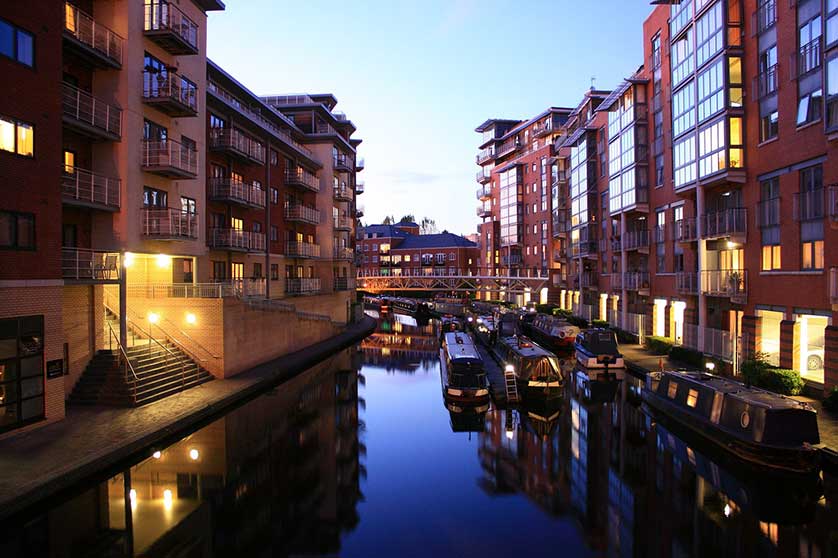
While parts are still less than picturesque, massive regeneration and beautification projects have breathed new life into the waterways and once grimy industrial landscapes that spanned the city. Today the biggest problem for visitors is finding time to check out all the trendy boutiques, hip cafes, top notch restaurants and fascinating museums.
The word is now out on Birmingham's new groove. In 2012 the New York Times billed the city as one of the best places to visit that year. Another Stateside publication, the New York Magazine, recently ran an article about winter travel entitled "Birmingham Instead of London." Whatever the season, those who do visit will notice a definite "can-do" entrepreneurial spirit that pervades Birmingham right now; Brummies are, quite justifiably, starting to shout about their city.
New Architecture
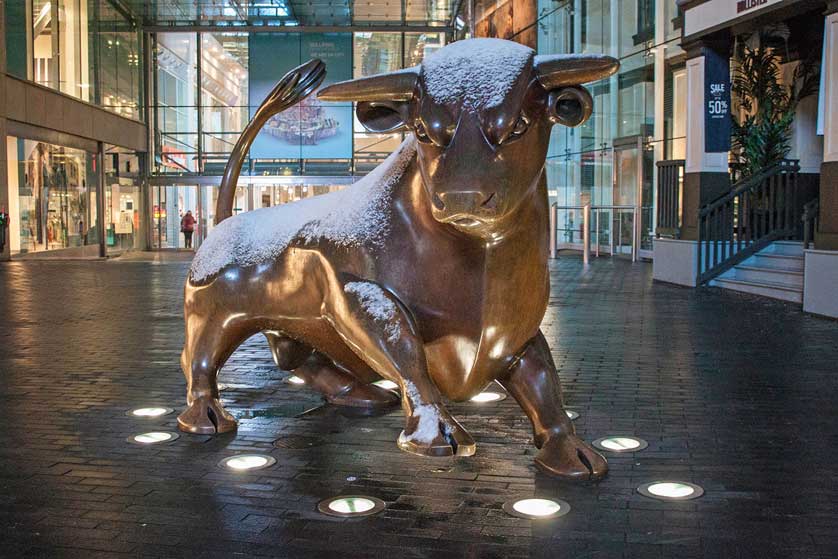
Birmingham's burgeoning confidence is partly driven by its ever-improving architecture, and the destruction of the monolithic, concrete structures for which it gained its unwanted reputation. The biggest demolitions, most notably the flyover which cut straight through the city, and the old Bullring, were carried out in the late 1990's.
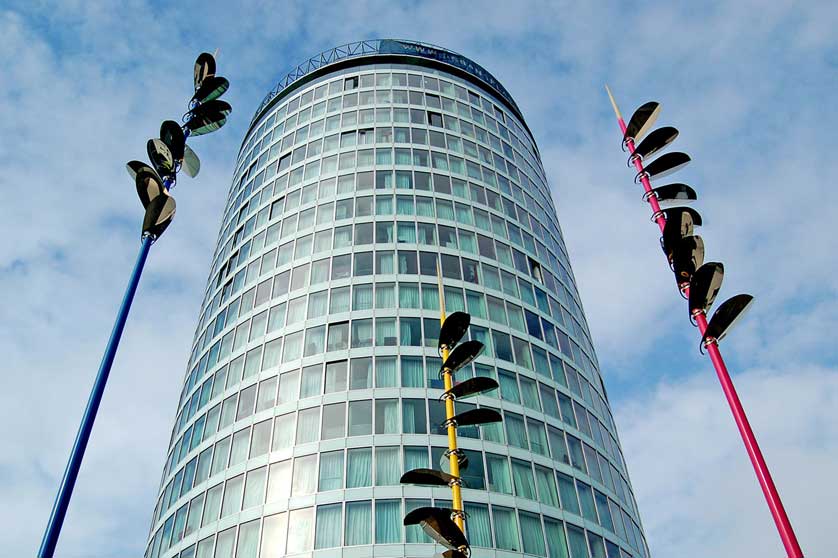
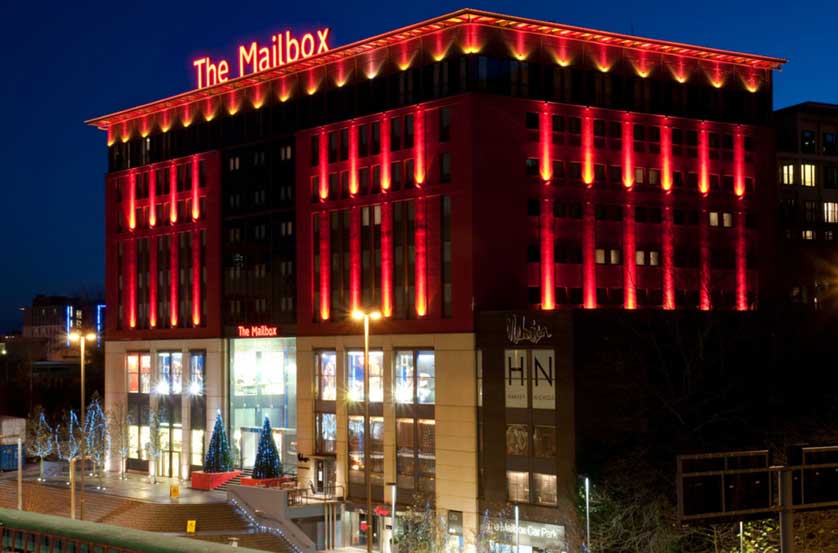
Dank and dangerous pedestrian underpasses, once a haven for muggers, have been removed, canals cleaned up and surrounding factories and warehouses turned into desirable flats, offices and swanky bars. Old faithfuls like the Rotunda (a cylindrical high-rise building) have been given a revamp, while the Royal Mail building has been converted into The Mailbox - the city's most stylish shopping, lifestyle and restaurant destination.
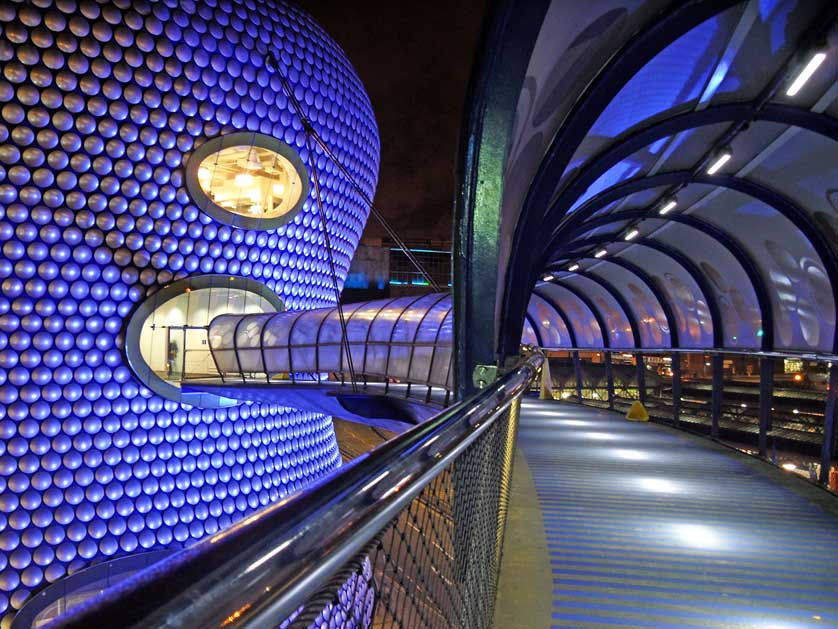
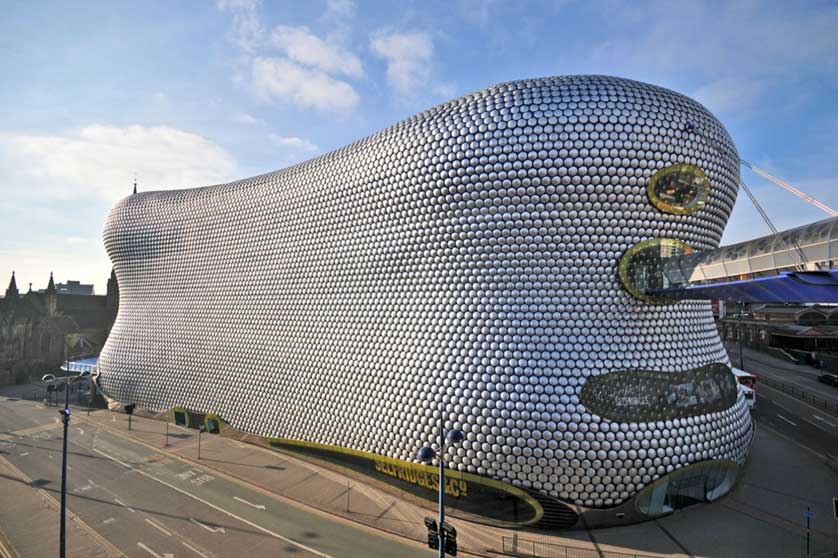
Split into two vast retail spaces - the East Mall and West Mall - the Bullring now has all the international brands and chain cafes a shopaholic could ask for. It is in this area that the visitor will find Birmingham's most iconic piece of architecture - the famous Selfridges building - which opened its door in 2003.
This vast cliff of a building resembles a computer-age geological outcrop, its high, billowing form moulded by some smooth yet insistent sea over the four years it took to build. Four storeys high, and wrapped in a sinuous, seamless outer skin decorated with 15,000 spun aluminium discs, it remains an audacious achievement a decade after completion. The giant department store is now undergoing a £20 million refit.
Digbeth
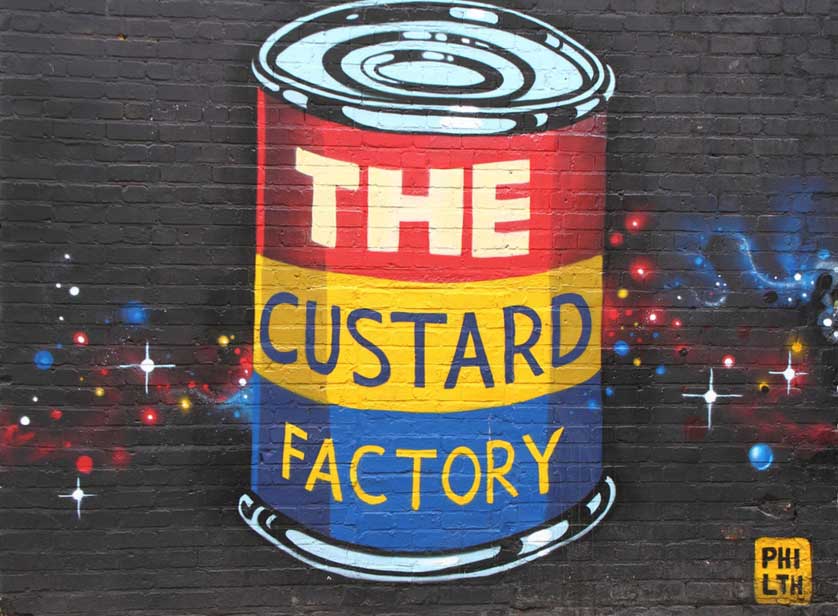
An area of the city with a unique vibe, Birmingham's Digbeth neighbourhood is a real hotbed of creativity and energy. Nestled among the traditional manufacturing companies are some of the best bars, stores and clubs you'll find for miles around. At the heart of all this activity is the celebrated Custard Factory cluster of small businesses, retailers and restaurants.
The Custard Factory is the most powerful collection of creative and digital businesses, independent retailers and event venues outside London. Along with its sister project, Fazeley Studios, it forms the heart of Birmingham's creative and digital district.
The Custard Factory has more than 30 unique, fun shops to suit all ages and budgets. It includes everything from vintage clothing to modern jewellery and urban indie labels, bikes, art, skateboards, cosmetics, teddy bears and furniture and interiors.
The longest standing shop is Urban Village, a true institution among Birmingham's independents that has been going since the 90s. It features vintage clothing and accessories from across the decades, with a real focus on the 60's & 70's.
For modern urban trends head to Provide, a lifestyle and clothing shop selling a graphic-led line of clothing and accessories, as well as books and magazines. The internationally renowned Sara Preisler Gallery showcases beautiful, contemporary jewellery, along with ceramics, silverware, textiles, wire sculpture, glass and photography.
Cadbury World & Jewellery Quarter
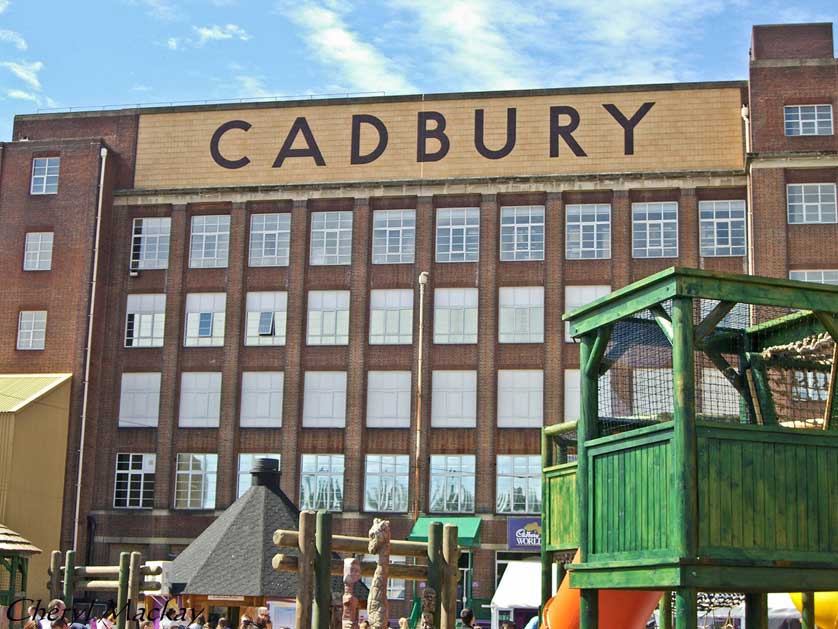
Continuing the food theme, Cadbury World is located about 4 miles south of Birmingham, and constitutes the Midlands' answer to Willy Wonka's Chocolate Factory. It aims to educate visitors about the history of cocoa and the Cadbury family, but sweetens the deal with free samples, displays of chocolate-making machines, and chocolate-themed rides. Encircling the chocolate works, picturesque Bournville Village was built by the philanthropic Cadbury family to accommodate early twentieth century factory workers and is also worth checking out.
Birmingham has been a major British jewellery hub ever since Charles II brought back a taste for bling from the continent in the seventeenth century. Stretching north from the last Georgian square in Birmingham, the Jewellery Quarter still produces nearly a half of all the jewellery manufactured in the UK, with dozens of workshops open to the public. Stop by the tourist office for a free booklet - Jewellery Quarter: The Essential Guide - describing the main workshops and showrooms.
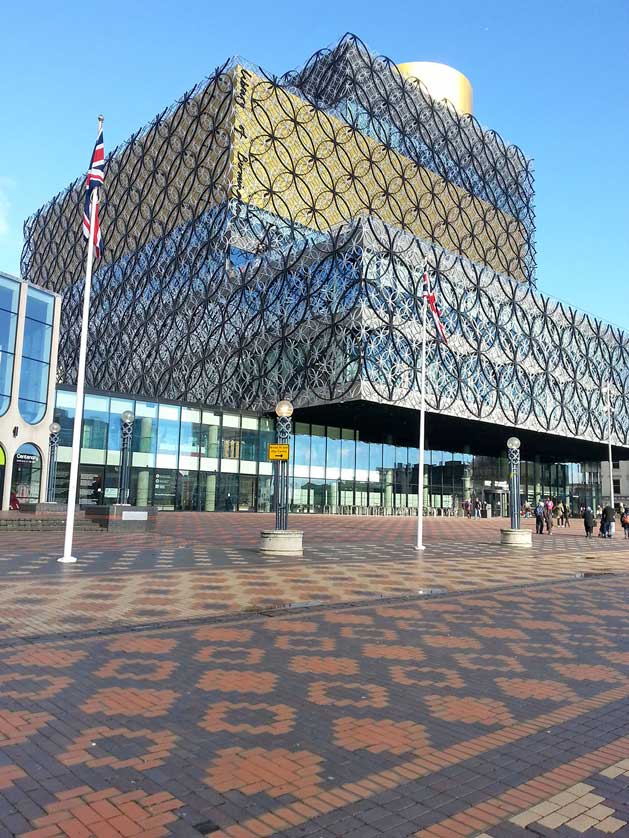
Also worth investigating - if only for its eye-catching architecture - is Birmingham's new library, which opened last year. The Library of Birmingham, which cost nearly £200 million to construct, is the brainchild of by Francine Houben, who described the building as a "people's palace". The library's futuristic exterior of interlocking rings is supposed to echo the city's canals and tunnels.
Another standout is the excellent Birmingham Museum & Art Gallery. There are 40 separate galleries in the complex so you could easily spend half a day here, if not longer. One of the galleries is devoted to the Staffordshire Hoard, the single largest hoard of Anglo-Saxon gold and silver jewelry ever discovered which consists of more than 3,000 pieces.
Birmingham Town Hall must be seen, too.
You might be forgiven for thinking you are in Rome or Greece as it was modeled on the Temple of Castor and Pollux in ancient Rome.

Eating in Birmingham
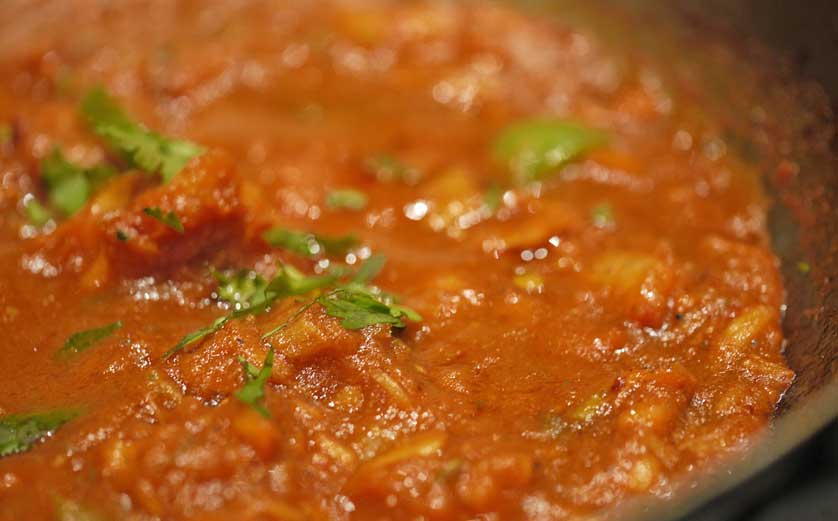
Last but not least, Birmingham's culinary scene is also on the up. Just a few years ago, the city's main contribution to world cuisine was Balti curry, but times are changing. Glynn Purnell (Purnell's) was the trailblazer, winning the first Michelin star ever held by a Birmingham-based chef. More stars followed for Turners and Simpsons, with plenty of other serious contenders in the pipeline.
Edmunds is another favourite, with well-respected French chef Didier Philipot at its helm. Marco Pierre White has a steakhouse in The Cube, and Jamie Oliver has premises just off Spiceal Street. Meanwhile, the city's curry tradition is undergoing a transformation, spearheaded by innovative Indian chefs such as Aktar Islam, founder of Lasan.
Accommodation
There are places to stay to suit all budgets in the city.
At the top end try the Clayton Hotel Birmingham or the Jurys Inn on Broad Street.
See a list of hotels in Birmingham.
Access - getting to Birmingham
Birmingham New Street Station, right in the city centre, is Birmingham's main station with trains to Manchester Piccadilly, Liverpool Lime Street and London Euston.
There are local train services from Snow Hill and Moor Street stations to Stratford-upon-Avon, Warwick, Worcester and Malvern.
Long distance National Express buses run nationwide from the bus station in Digbeth.
City transport in Birmingham is good and getting better with the Midland Metro a light rail system connecting Birmingham and Wolverhampton via West Bromwich, Bilston and Wednesbury.
Centro organizes and co-ordinates the transport network in the West Midlands which includes the Midland Metro, buses and trains. Eventually the SWIFT smart card will be valid over the whole network.
Birmingham Airport, formerly Birmingham International Airport, is just over 5 miles south east of the city centre and offers both domestic and international flights. Birmingham International Station serves the airport and is just 10-15 minutes from New Street. There are buses to the airport from Birmingham city centre, Coventry, Erdington and Solihull.
Compare prices and rent a car in Birmingham
Map

Hotels in the UK
Book Hotels in England - Booking.com
Find Accommodation in London - Booking.com
Search Hotels in Scotland - Booking.com
Hotels in Northern Ireland - Booking.com