British Culture: Britain's Best Beaches
Life's a Beach: Revel in the sandy splendour of Britain's captivating coastline
Daniel Allen
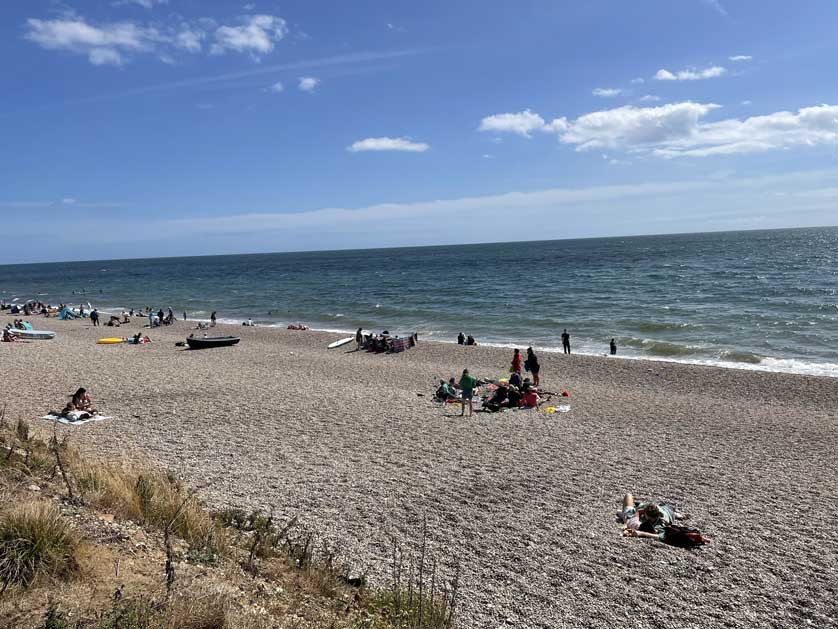
Britain's beaches might have the same reputation as British cuisine, and it's certainly true that sunbathing isn't part of the British beach experience for most of the year.
However, with its dramatic coves and sandy strands, surfing hots pots, sheltered bays and isolated islands, the 11,000 mile long British coastline features some of the wildest and most spectacular scenery in Europe.
In Britain you're never more than 70 miles from the sea, so beaches are always close at hand. Regardless of the season, they offer some of the most enjoyable experiences to be had on a visit here. Whether you're in the market for a family day out, a romantic beach side stroll or some adrenaline-fueled action, here's a selection of some of the finest stretches of British beach.
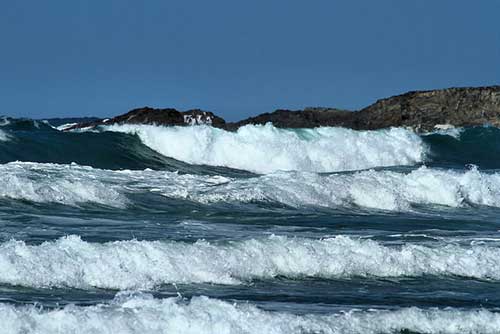
Fistral Beach, Cornwall
Newquay's signature beach, Fistral is also one of the finest surfing beaches in the the whole of Europe. This idyllic stretch of sand faces west toward the rollers of the Atlantic, and is encircled by rocks and cliffs. A great beach for all the family, Fistral offers excellent local facilities such as surf equipment hire (and lessons), showers, toilets, car parking, restaurants and cafes.
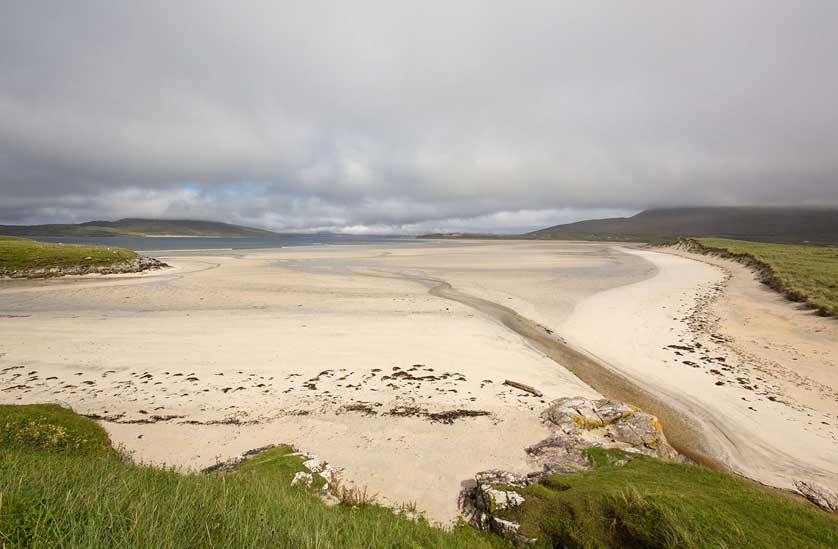
Seilebost, Hebrides
With their pure white sand and limpid water, the beaches of the Hebrides are one of the most memorable features of the Scottish archipelago. They range from the huge expanses of Traigh Losgaintir (Luskentyre) and Traigh Sgarastaigh (Scarista) through to the little sheltered coves beside the road at Na Buirgh (Borve). Most beaches are backed by machairs - low-lying grassy plains that are home to a vast array of colourful wildflowers and abundant bird life.
Voted as one of world's ten best beaches, Seilebost (pronounced "Shellabost") is a vast open expanse of flat sand, encircled by machair. The incoming tide is often so shallow that the strand becomes a mix of golden sand and turquoise water. Early mornings at Seilabost typically sees the Harris Hills illuminated by the first, gorgeous rays of sun.
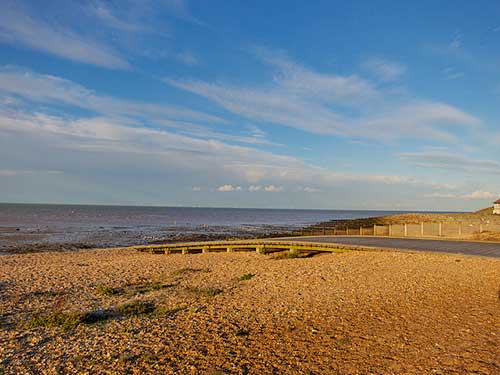
Whitstable, Kent
A vibrant little town on Kent's northern coast, Whitstable faces Essex across the mouth of the Thames. The main draw here is the pristine nature and colourful local culture - this a traditional seaside resort with sweeping pebble beaches and a working harbour that hosts a bustling fish market. Having undergone recent gentrification, the town itself boasts a selection of excellent pubs, eateries, shops and galleries.
The beaches around Whitstable are generally spotless and family-friendly, with a Blue Flag award for the highest standard of water, facilities, safety, environmental education and management. The beaches are stony, so it's a good idea to bring something to sit or lie on.
Bamburgh, Northumberland
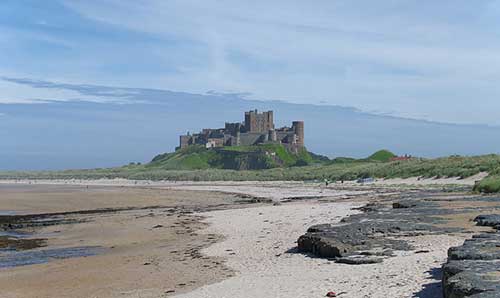
This sweeping stretch of powdery sand is backed by dunes, with views dominated by Bamburgh Castle, perched on a basalt cliff high above the beach. Bamburgh may lack sun and turquoise waters, but Bamburgh compensates with its spectacular setting and bountiful wildlife - ornithologists, photographers, kite fliers and fishermen will all find something to entertain. Enjoy views of the Farne Islands in the North Sea from Bamburgh beach on a clear day.
Botany Bay, Kent
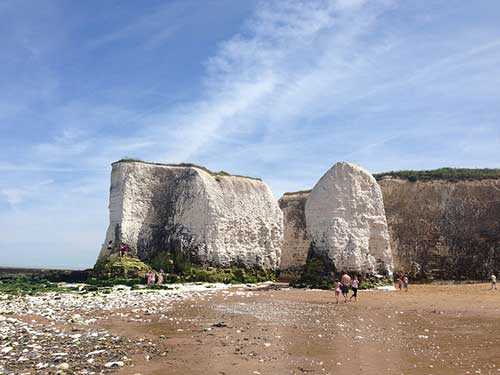
For an old-fashioned bucket and spade experience, make a beeline for Botany Bay in Kent - with its iconic chalk cliffs and myriad rock pools ripe for exploration, this is one of the most family-friendly beaches close to London. The beach is a stone's throw from the genteel seaside resort of Broadstairs, filled with Victorian architecture, numerous cafes and shops, donkey rides, sand castles and a packed calendar of events during the summer.
Purbeck Beaches, Dorset
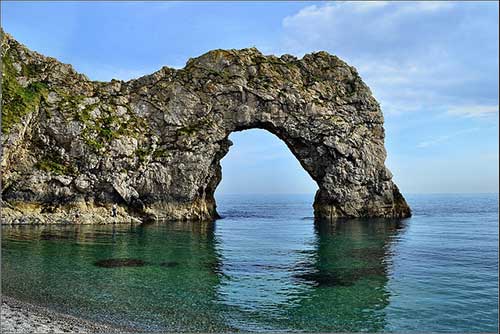
The Purbeck Beaches - which run all the way from Studland Bay (north of Swanage) to Osmington in Weymouth - are just a small part of the 630 mile long South West Coast Path, England's longest way marked long-distance footpath, a National Trail and a UNESCO World Heritage site. The Blue Flag beaches and surrounding area an ideal place to unwind, entertain the kids, and take in the breathtaking scenery, such as the spectacular limestone arch known as Durdle Door, near Lulworth Cove. Worbarrow Bay is another beautiful shingle beach close to Lulworth Cove. It is managed by the Ministry of Defence (MOD) and access is therefore limited to weekends and school holidays. The water shelves quite steeply here and care must be taken if smimming. There are no lifeguards on duty.


Brighton, Sussex
Easily visited from London, Brighton is one of Britain's most popular coastal resorts and sits on the south coast in Sussex. The town's famous beach is stony not sandy, but it should still keep the kids out of mischief. The town itself has plenty to offer - from chic boutiques, nightlife and numerous festivals through to galleries, tea rooms, arcades and vintage markets.
The Royal Pavilion, Brighton Palace Pier, and the British Airways i360 are some of Brighton's many attractions.

Meal Beach, Shetland
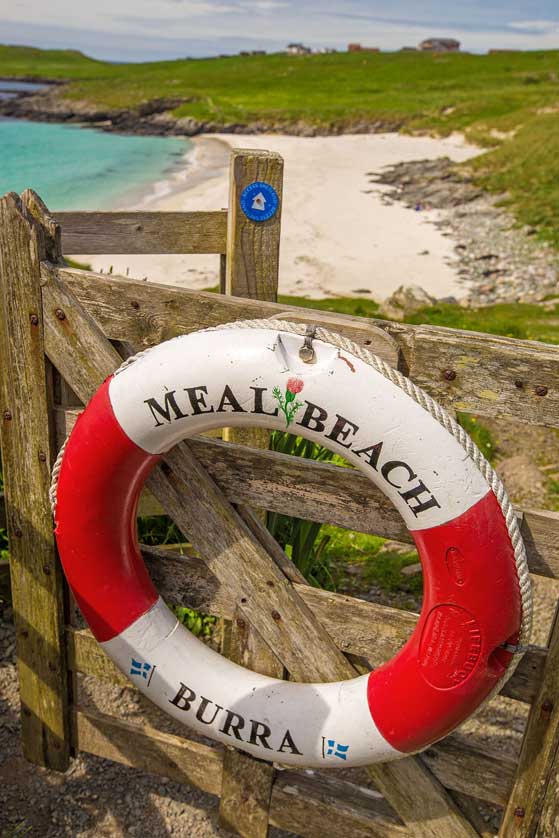
Located close to the village of Hamnavoe in the Shetland Islands, Meal Beach is a beautiful stretch of powdery sand. It might be one of Shetland's most popular beaches, but that usually means you'll usually still have the place to yourself. On fine summer days, however, Meal can become quite busy, as it's a firm favourite with local families. The beach faces south, with plenty of spots between the rocks for sheltered picnicking and basking in the gentle sun.
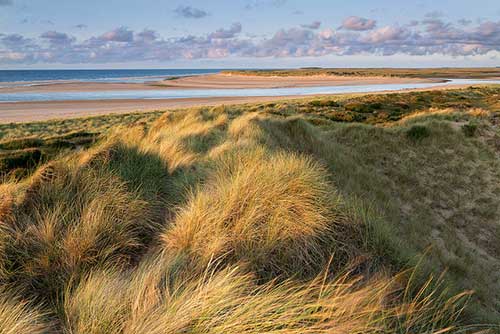
Scolt Head Island, Norfolk
With its mix of sand dunes, salt marsh, mud flats and shingle, Scolt Head Island is a natural utopia. While getting here isn't simple - you'll need to take the seasonal ferry from Burnham Overy Staithe when the weather is good - it's definitely worth making the effort. Hunker down in the sand dunes for a spot of picnicking before revelling in the tranquility and maybe doing a spot of birding.
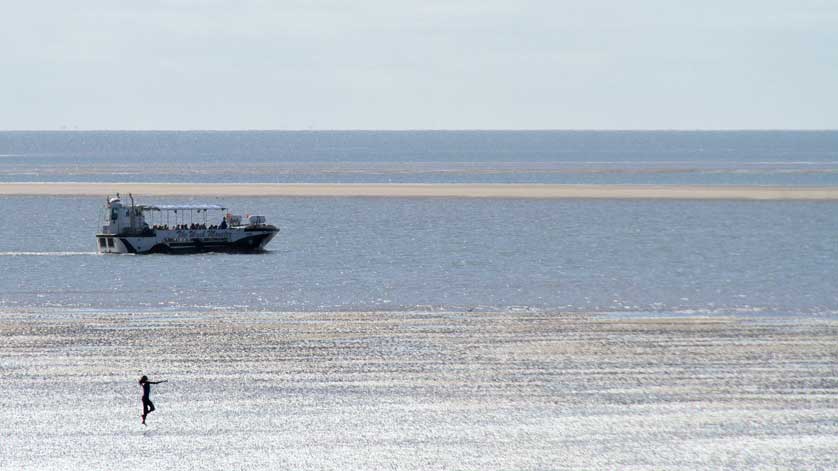
Hunstanton Beach, Norfolk
Hunstanton ("Hunston") is a small seaside town in west Norfolk on the east coast of England facing The Wash. Hunstanton is known for its red sandstone cliffs topped with chalk and also for the fact that as it faces west, it is one of the few places on the east coast of England where you can see a sunset over the sea. The beach at Hunstanton was first awarded Blue Flag status in 2011 and the sea is popular with windsurfers. Dogs are not allowed on the beach from Easter until the end of October.
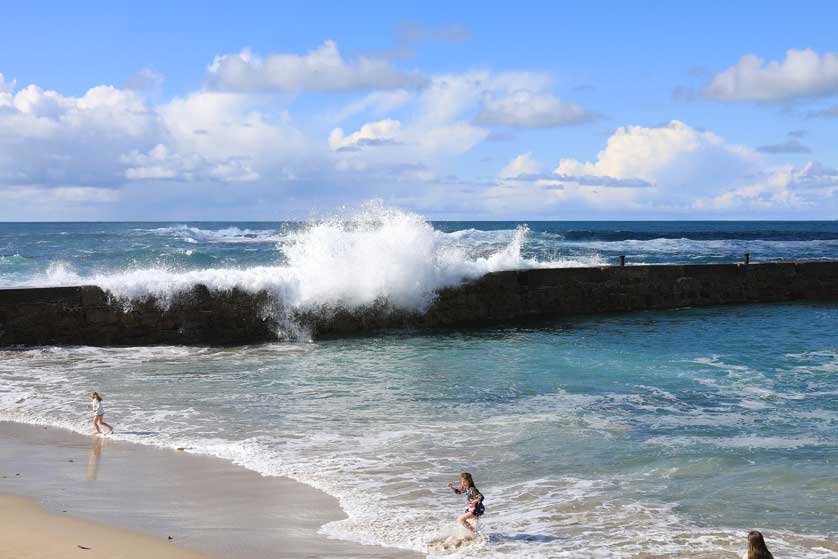
Sennen Cove, Cornwall
Sennen Cove near Land's End in Cornwall is a surfer's paradise and a fine place to wile away a sunny day. The granite cliffs are popular with climbers and there's a small art gallery to enjoy too. There is a no dogs policy from mid-May until the end of September 10 am - 6 pm. Sennen Cove is a 40 minute drive from St Ives down the coast on the B3306 or on the A30 via Penzance. Both can be very busy in summer.

Southwold Beach, Suffolk
Southwold Beach on the Suffolk coast is a lovely stretch of sandy beach (with some shingle) backed by colourful beach huts along the promenade. A 190 meter-long pier with amusements completes a typical British summer scene. Southwold is about 22 km (13 miles) south of Lowestoft, a 25 minute drive on the A12. For beer fans, Southwold is also home to the Adnams Brewery and there are several good pubs in town to sample its excellent beer.
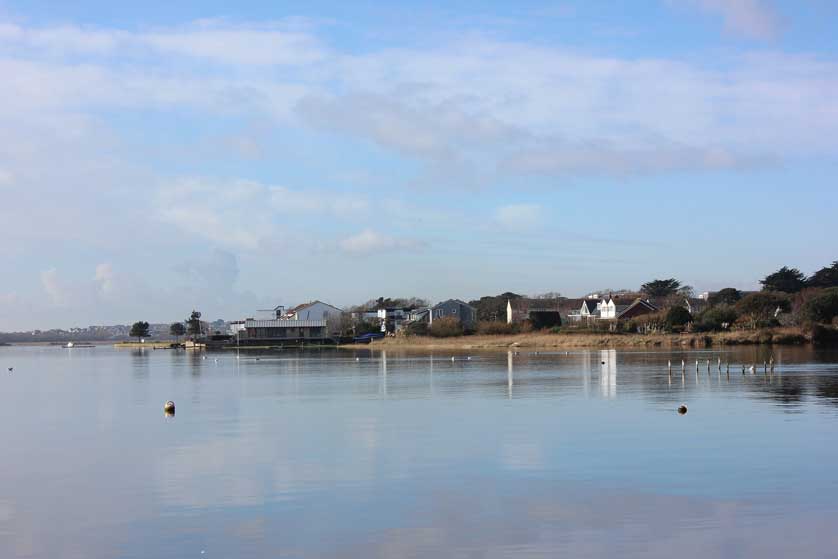
Mudeford Sandbank Beach, Dorset
Mudeford Beach in Dorset is a sandy spit at the mouth of Christchurch Harbour. From the beach there are views across The Solent to the Isle of Wight and The Needles on a clear day. It is a 15-minute walk from Hengistbury Head car park or hop on the toy train to the beach. Mudeford has the distinction of having some of the most expensive beach huts in Britain. From Bournemouth it is a 25-minute drive east along the coast on the B3059.
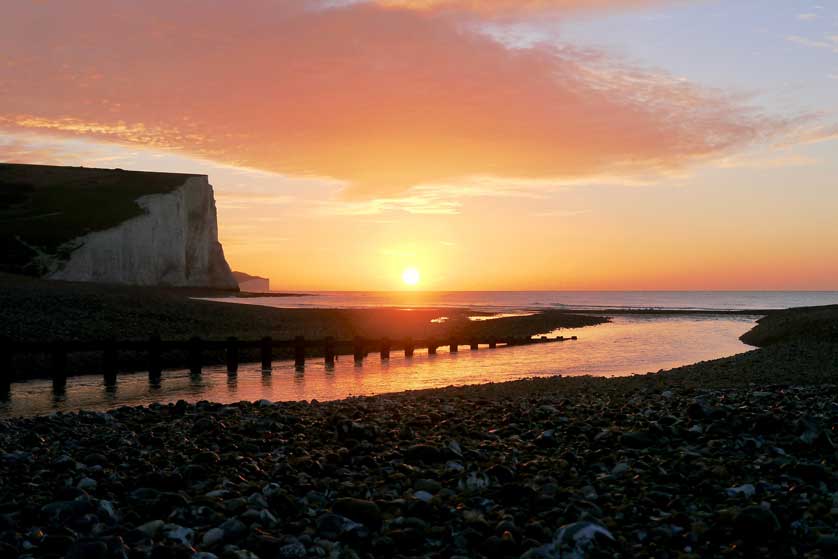
Cuckmere Haven, Sussex
Cuckmere Haven is a pebble beach on the Sussex coast with superb, chalk cliffs towering about it. The cliffs are known as the Seven Sisters and have featured in various movies including the Harry Potter series. The River Cuckmere flows into the Channel here and the estuary is rich in fish and bird life. A smugglers' cove throughout the 16-18th centuries, coast guard cottages were built on the cliffs in 1822 to protect against the illegal trade. They are now unfortunately threatened by erosion. The beach is a 30-minute drive east of Brighton on the A259 or 20 minutes from Eastbourne on the same road.

Walmer Beach, East Kent
Walmer Beach in East Kent is a shingle beach stretching from Walmer to Deal and is ideal for strolling or walking with views of the French coast on very clear days. Julius Caesar is thought to have landed on Walmer Beach on his mini invasions of Britain in 55 BC and 54 BC.
Now the only invasions are by people jogging, cycling and sea fishing. In fact, Walmer is one of Britain's quieter beaches with people coming here in the summer to enjoy the free music on the bandstand and maybe fish and chips on the front. The beach was also a favorite of Winston Churchill. Walmer Station has trains to Ramsgate and also to London Charing Cross via Folkestone Central and Sevenoaks. Walmer Castle and Deal Castle are nearby attractions.
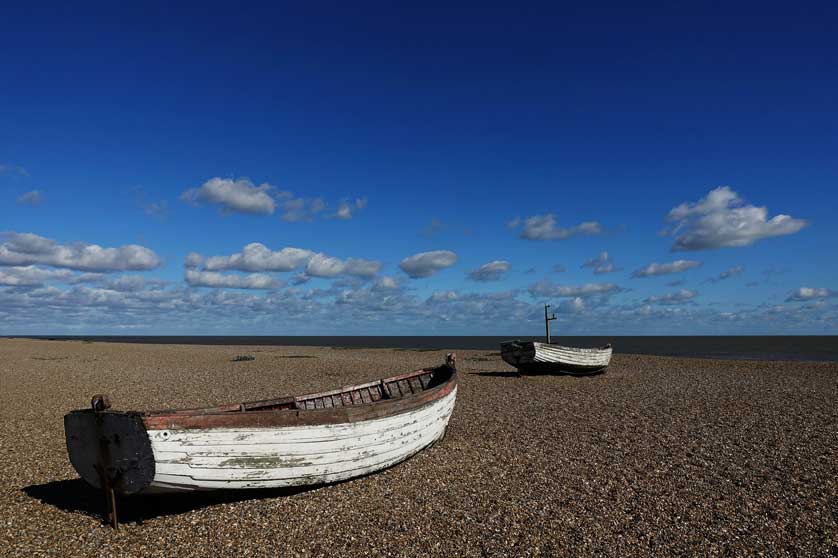
Aldeburgh Beach
Aldeburgh Beach may well be Suffolk's best beach. A mix of sand and shingle the beach fronts the pretty resort town of Aldeburgh known for its associations with composer Benjamin Britten and its fish and chips. Nearby is the Red House where Britten lived with his long-time professional and personal partner, singer Peter Pears. The two launched the Aldeburgh Festival in 1948, a classical musical festival held annually in June. They are buried side by side in St. Peter and St Paul's Church in Aldeburgh. The town is a 40 minute drive from Ipswich on the A12 or 90 minutes east from Cambridge on the A14.
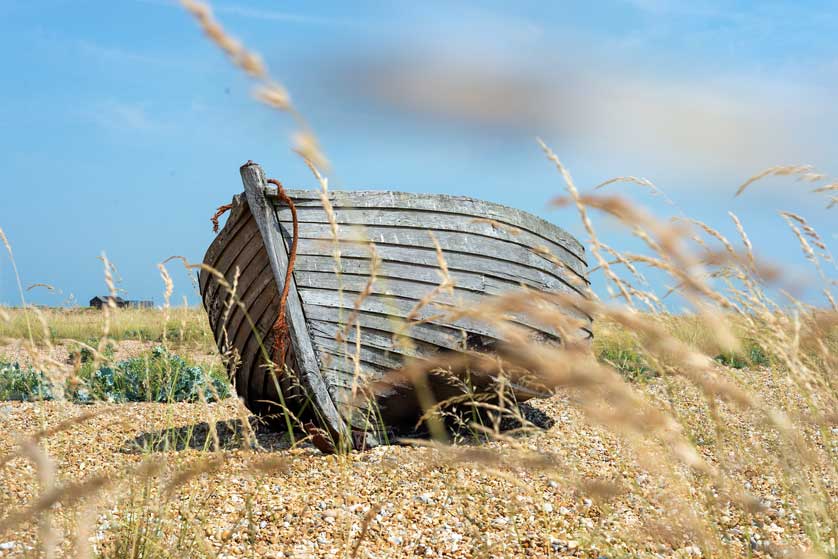
Dungeness Beach, Kent
One of Britain's strangest and most unique landscapes, the starkly beautiful area of Dungeness has a number of attractions to keep visitors entertained. Situated on the border between Kent and East Sussex, this is Europe's largest expanse of shingle. With the horizon dominated by a working nuclear power station, this is apparently the UK's only "desert". The RSPB nature reserve here is well known for its eclectic range of year-round and temporary avian residents.
While the Dungeness landscape is famously dry and harsh, many of the area's quaint wooden cottages boast gardens. Hunkered down from high winds, these are typically vivid, ephemeral affairs, enlivening the shingle with a short-lived splash of colour during the summer months. The garden of late artist Derek Jarman is particularly worth a visit. The lighthouse and pint-sized Romney, Hythe and Dymchurch Railway - which terminates in Dungeness - are perennially popular with the kids. Wrap up well in the winter months!
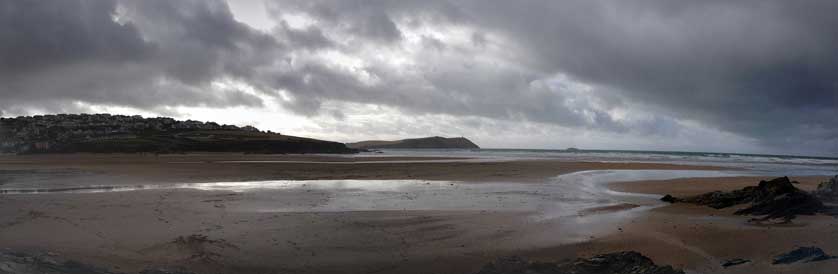
Polzeath Beach, Cornwall
Polzeath Beach in Cornwall is a large stretch of sand across the River Camel from Padstow. The beach is exposed at low tide but almost completely covered when the tide is in. Dogs are not allowed on the beach from mid-May and mid-September between 10 am and 6 pm. Polzeath is a 40 minute drive on the A39 north of Newquay.
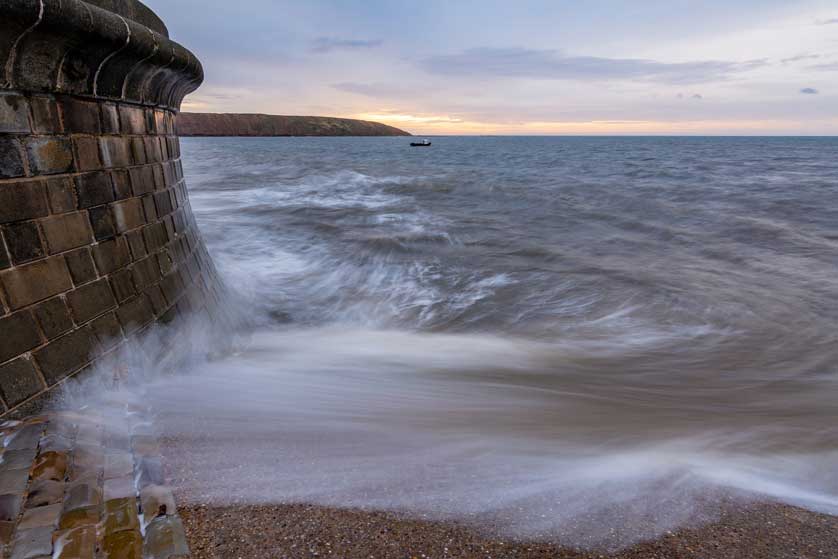
Filey Brigg, Yorkshire
Filey Brigg on the north Yorkshire coast is a narrow peninsula backed by 20-meter limestone and sandstone cliffs. A haven for birds such as oystercatchers, redshanks and sandpipers, the area is designated as a Site of Special Scientific Interest. Filey Brigg is just over an hour by car from York on the A64.
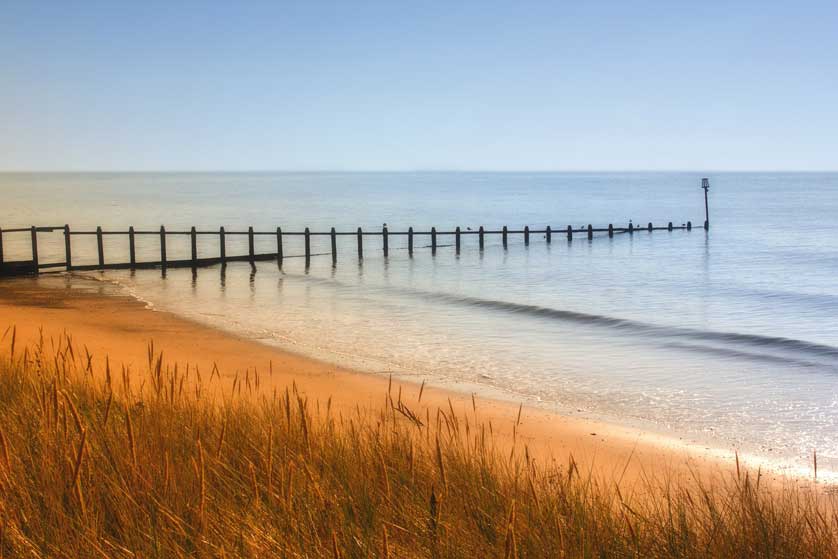
Dawlish Warren, Devon
Dawlish Warren in Devon on the western side of the Exe Estuary south of Exeter has some lovely sandy stretches and dunes and is known for its excellent bird watching. The Blue Flag beach encompasses both the River Exe and the sea. Dawlish Warren Station is a short train journey from Exeter St David's Station or by car it is just 30 minutes south on the A379 from central Exeter. Further to the south along the coast is the traditional Devon seaside resort of Dawlish which is the next stop on the railway line. Popular with summer holidaymakers, there are several places to stay close to both Dawlish and Dawlish Warren. These include Lady's Mile Holiday Park with a camping site and lodges, Oakcliff Holiday Parks and Hazelwood Holiday Park with a variety of chalets and holiday homes to rent.
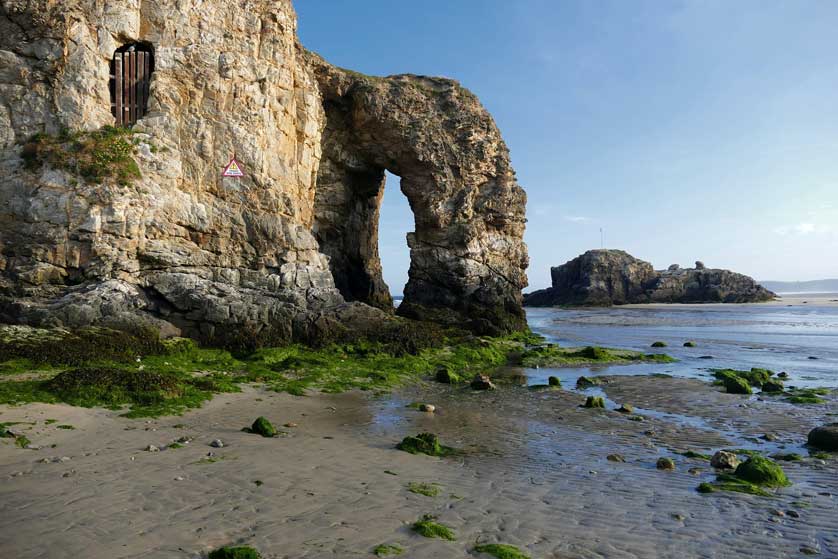
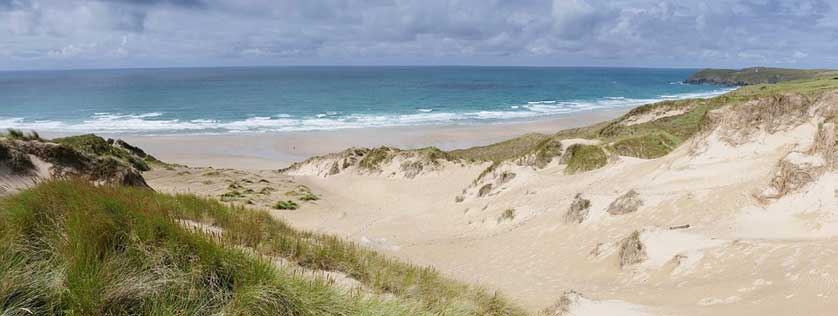
Perranporth Beach, Cornwall
Perranporth Beach in Cornwall between Newquay and St Ives on the north Cornwall coast is the main attraction of the resort of Perranporth. A huge stretch of sand, Perranporth and adjacent Penhale Sands attract swimmers, surfers and sun-seekers. The beach has lifeguards on duty. There is also a golf course and the large Haven Perran Sands Holiday Park nearby. Driving south from Newquay, Perranporth is just 20 minutes on the A3075 and B3285. The area is associated with the Poldark novels. The author Winston Graham, though born in Manchester, moved to Perranporth as a youth for his health.
Rye Beaches, Sussex
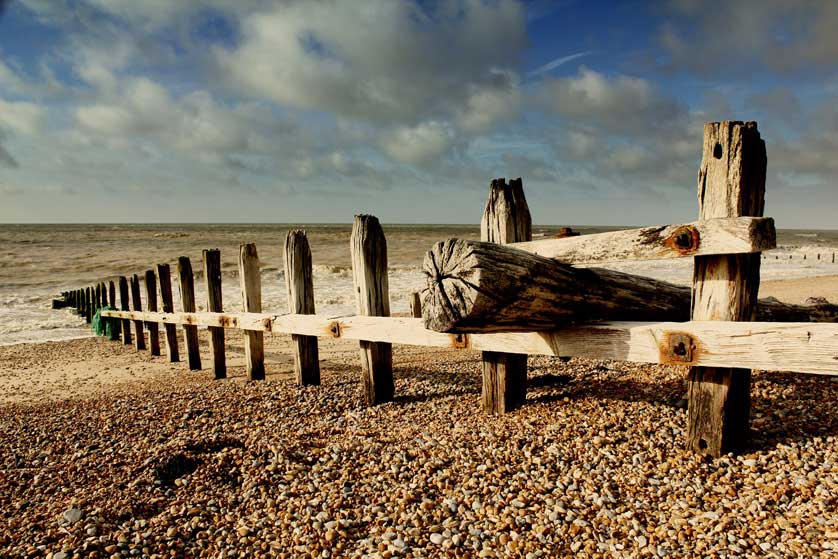
Rye in Sussex has two excellent beaches Winchelsea Beach and Camber Sands. Unspoilt Camber Sands is a rare sandy beach on this part of the East Sussex coast. It's popular with wind surfers and kite surfers. Winchelsea Beach is mostly shingle and backs on to Rye Bay Caravan Park. Rye is 30 minutes by car east of Hastings on the A529.
Crosby Beach, Merseyside
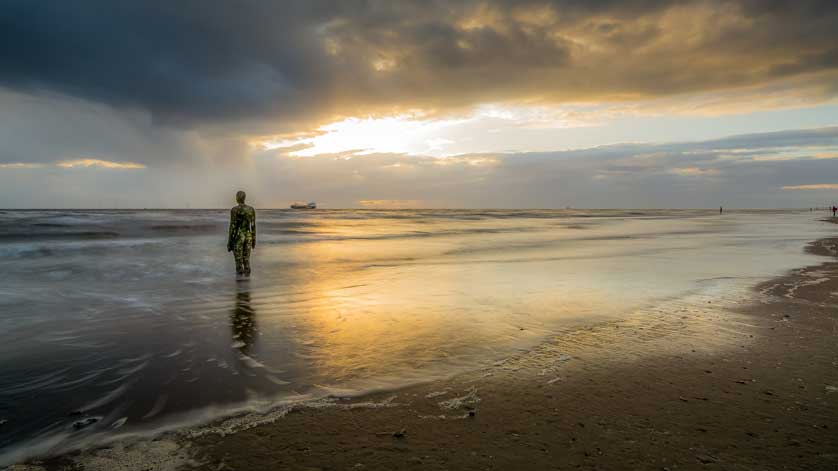
Crosby Beach on Merseyside, north of Liverpool, is probably most famous for its Another Place statues by sculptor Anthony Gormley. Altogether 100 cast iron figures are placed facing towards the sea. The figures depict the artist's own naked body and stand 6 foot, 2 inches tall. The sculptures stand on the beach between Waterloo and Blundellsands. Gormley's most famous work in the UK is probably the huge Angel of the North in Gateshead.
Lyme Regis Beaches
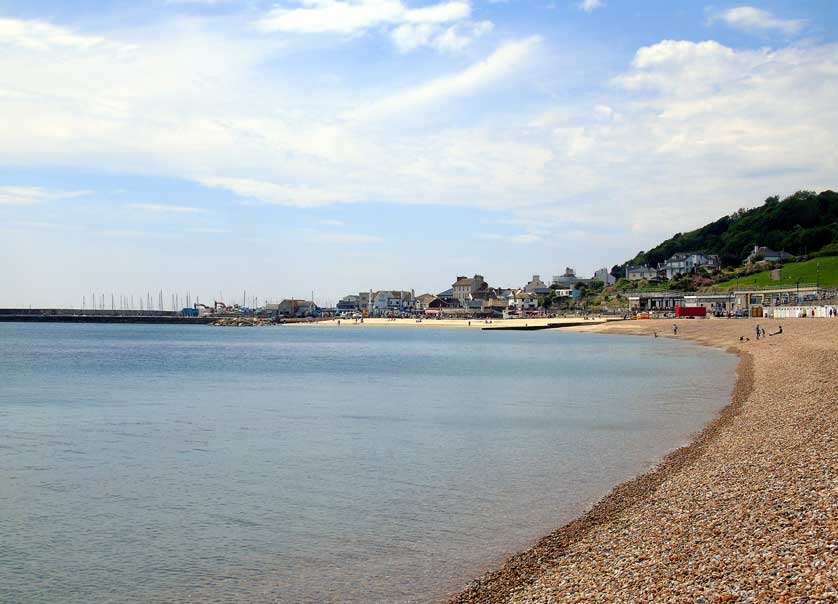
Lyme Regis has several good beaches. These include Back Beach, Monmouth Beach, Town Beach, and Church Beach. The beaches in Lyme are mostly pebble, though there are areas of sandy beach, especially at Town Beach and Church Beach, where the River Lym flows into the sea. Monmouth Beach, however, is mainly pebbles. Sand has been imported from France to cover Town Beach near The Cobb. This beach is the most popular beach with tourists as it is close to Marine Parade and the lively pubs and restaurants here. These include The Cobb Arms, The Bay Hotel, The Harbour Inn and The Rock Point Inn farther back on Broad Street. There is enough sand here to build sandcastles.

Bournemouth Beach
Bournemouth Beach in Bournemouth on the south coast of England is one of the best sandy beaches in Britain. It is often packed on weekends and bank holidays especially near to the town and its main attractions. Altogether there are several beaches here including Alum Chine, Boscombe Beach, Durley Chine, Fisherman's Walk, Manor Steps and Southbourne that make up a stretch of nearly 12 km. Bournemouth's Victorian pier is close to the town centre and the restored pier at Boscombe is another fun, family-friendly attraction.

Branscombe Beach
Branscombe Beach in south Devon on the Jurassic Coast is one of the county's finest beaches. A long, shingle beach, it is backed by typically Devonian red cliffs and forms part of the South West Coast Path. Parts of the cliff have beach huts built in to them. 20 miles west of Exeter on the A3052, Branscombe Village is also within easy reach of Colyton, Honiton, Seaton and Lyme Regis.
Map
Hotels in the UK
Book Hotels in England - Booking.com
Find Accommodation in London - Booking.com
Search Hotels in Scotland - Booking.com
Hotels in Northern Ireland - Booking.com
FInd & Book Hotels in Britain - Agoda.com
London Attractions Tickets - Tiqets.com