British Culture: Britain's Stately Homes
Good Manors: See how the other half lived at Britain's fabulous stately homes
Daniel Allen
Brought to global attention by the recent TV series Downton Abbey, the numerous magnificent stately homes and manor houses that decorate Britain's landscape represent a world of decadence, luxury and aristocracy that most of us will never experience.
Centuries after their construction, these spectacular country pads now make for a great day out - each with a unique mix of history, architecture and contemporary glamour.
Mostly built between the mid-sixteenth century and the early part of the twentieth century, stately homes were the ultimate status symbol for the great families of the country. While over 500 homes were built during this period, very few have survived as ancestral homes in the hands of the aristocracy.
Britain's stately homes provide a diverse range of architecture ranging from Elizabethan to Victorian through Palladian and Georgian with the houses often set in wonderful gardens and parkland created by such famous landscape architects as Capability Brown (1716-1783), Humphrey Repton (1752-1818) and Joseph Paxton (1803-1865).
Here is a selection of some of Britain's finest stately homes.
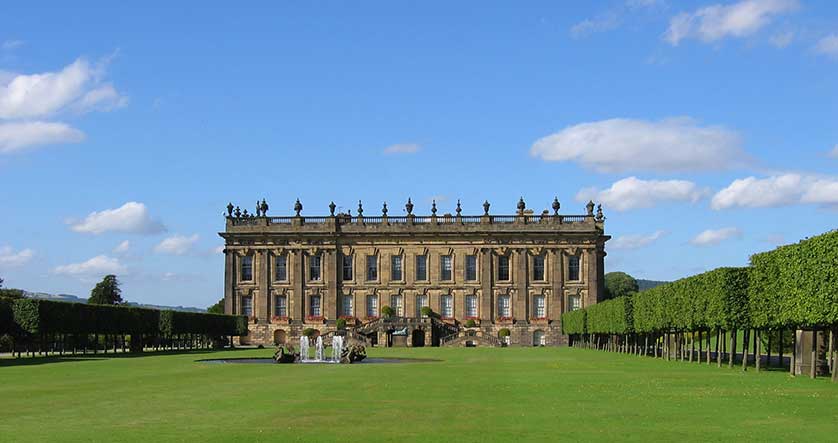
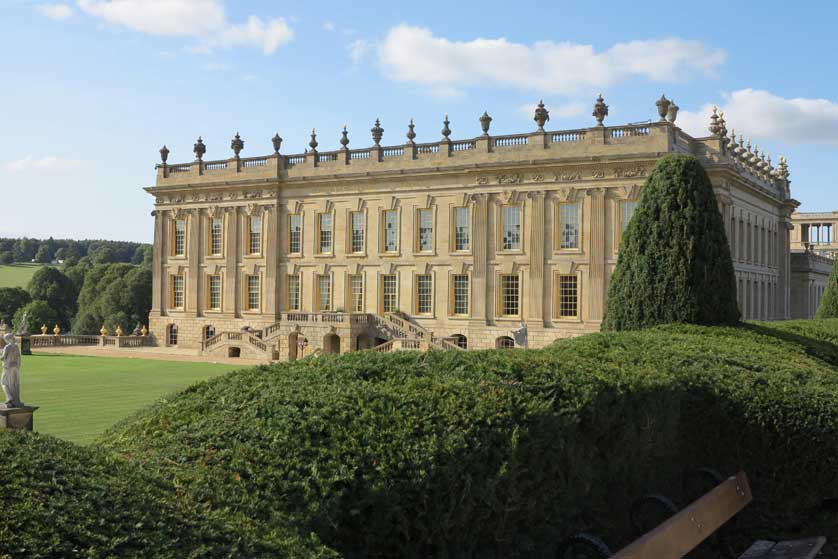
Chatsworth House, Derbyshire
Topping the list of the nation's favourite stately homes, Chatsworth has much to offer its thousands of annual visitors, who flock to the beautiful gardens and lake. Other highlights at Chatsworth are the cascading waterfalls and water fountains, a dignified 17th century chapel, the Great Dining Room set for a 1930's banquet and the Palladian exterior of the house.
Chatsworth House is the seat of the Duke of Devonshire, and has been home to the Cavendish family since 1549. Chatsworth House is situated close to the River Derwent within 1,000 acres of parkland, which also serves as an organic farm, whose produce is on sale at stately home's shop and cafe.
The hoard of art treasures at Chatsworth includes paintings by such masters as Frans Hals, Rembrandt and van Dyck. The house and grounds at Chatsworth have also served as a backdrop for such films as Pride and Prejudice and the Duchess.
Chatsworth and nearby Hardwick Hall are within easy driving reach of Birmingham, Leeds, Leicester, Liverpool, Manchester, Nottingham, Derby and Stockport.
chatsworth.org

Hardwick Hall, Derbyshire
Hardwick Hall was built in the 1590's by Bess of Hardwick (1527-1608), the Countess of Shrewsbury, one of the Elizabethan period's wealthiest ladies.
Bess of Hardwick began her Elizabethan pile in her early sixties and the house, with its huge area of window space, has survived the passing of time remarkably well.
Hardwick Hall looks out over the verdant Derbyshire countryside while inside is a treasure trove of Tudor Period furniture, plaster work, chimney pieces, paintings and tapestries.
nationaltrust.org.uk/hardwick
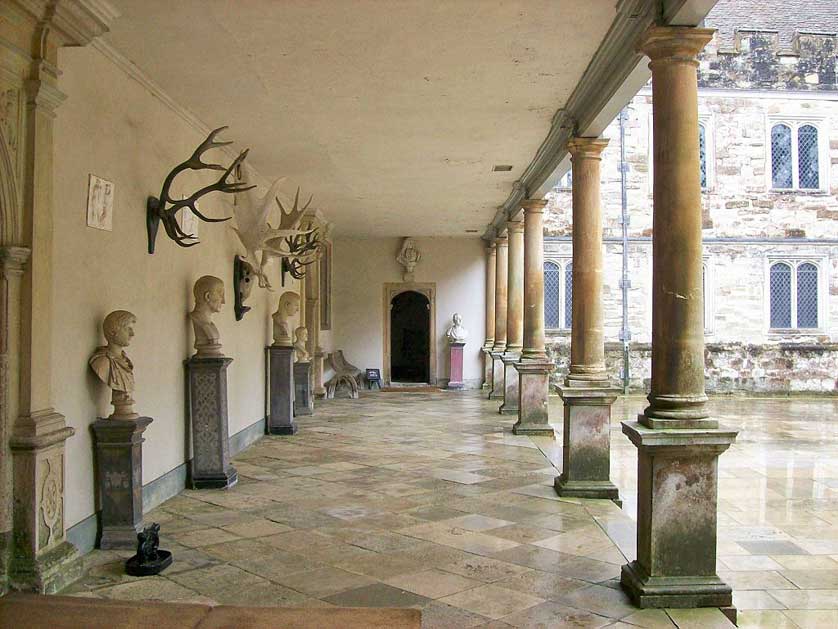
Knole House
Knole House in Sevenoaks, Kent is an historic country house, set in the surrounding 1,000 acre Knowle Park. Knole House dates back to the late 15th century.
Knole House is one of the largest houses in Britain and is believed to have once been a so-called "calendar house" - a residence having 365 rooms, 52 staircases, 12 entrances and seven courtyards.
Knole House was constructed during the Tudor and Stuart periods of English history from the 15th to 16th centuries. The house was begun as a palace by an Archbishop of Canterbury, Thomas Bourchier in 1456, on the site of an earlier residence. It passed briefly into the possession of Henry VIII until the Sackville family, cousins of Queen Elizabeth I, became the owners.
nationaltrust.org.uk/knole
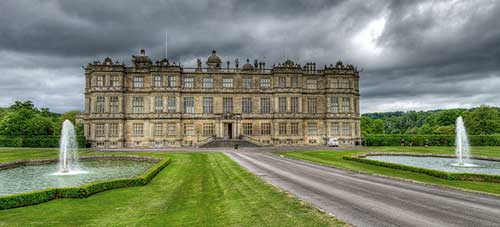
Longleat House, Wiltshire
Longleat dates from the sixteenth century and is now home to the 7th Marquess of Bath. The 6th Marquess was the first owner to open his stately home to the public and followed this by opening Britain's first drive-through safari park complete with lions, tigers, rhesus monkeys and white rhino.
Longleat is set in 900 acres of parkland and includes a huge maze as well as the safari park. Dozens of rooms within the house are open to guests, each filled with valuable works of art and furniture.
Longleat is an easy day trip from Bath, Bristol, Exeter, Lyme Regis and Salisbury and is 12km north of Stourhead.
longleat.co.uk
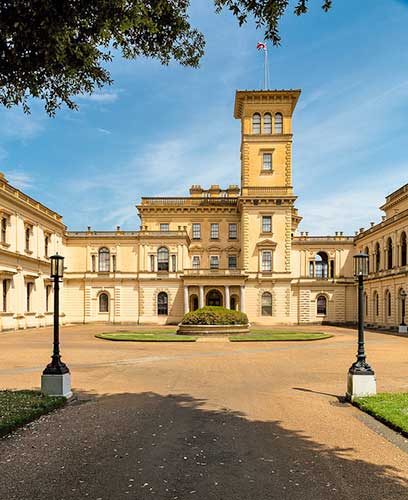
Osborne House, Isle of Wight
The summer residence of Queen Victoria, and the site of her death in 1901, Osborne House was designed by Prince Albert to resemble an Italian palace. Today Osborne House on the Isle of Wight is cared for by English Heritage, and open to visitors. Highlights of the stately home include glorious views of the Solent, luxurious state rooms and superb gardens.
english-heritage.org.uk/daysout/properties/osborne
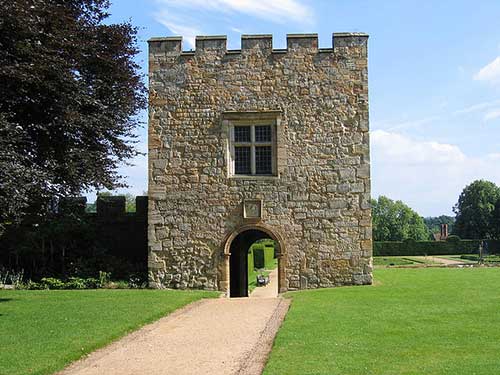
Penshurst Place, Kent
Penshurst Place was once owned by Henry VIII, and has been the family home of the Sidney family since 1552. The poet and soldier Sir Philip Sidney was born here in 1554.
The medieval Baron's Hall was built for Sir John de Pulteney, four times Mayor of London in the 14th century. The estate includes 11 acres of Elizabethan walled gardens divided by yew hedging.
Penshurst place is near to Hever Castle, outside the orbital M25 motorway south of London and west of Tonbridge and Canterbury.
penshurstplace.com
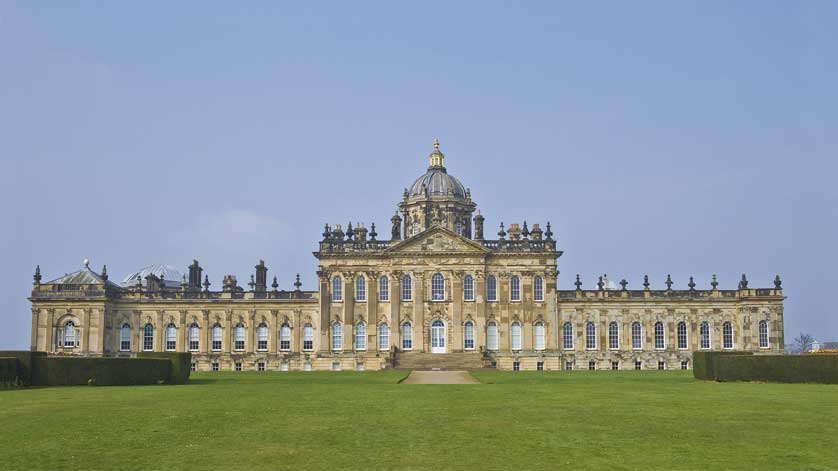
Castle Howard, Yorkshire
Castle Howard is the historic seat of the Earls of Carlisle and was once much bigger than it is today, covering 13,000 acres and served by its own railway station. Castle Howard was designed by Sir John Vanburgh in 1699 and took over 40 years to complete with the help of Nicholas Hawksmoor. The pair were also involved with Blenheim Palace.
Castle Howard now has 145 rooms (many of which are open to the public), beautiful gardens and an adventure playground.
Castle Howard is a short drive north east of York off the A64.
castlehoward.co.uk

Mellerstain House, Scotland
Mellerstain lies about eight miles north of Kelso, in the Scottish Borders south east of Edinburgh. The stately home was designed by father and son William and Robert Adam between 1725 and 1778 for George Baillie, a Scottish politician and his heirs through his daughter.
The interior is decorated with classical plasterwork, paintings, and a collection of ceramics. At the rear is a terraced garden, and its picturesque lake side location makes it a popular wedding venue.
mellerstain.com
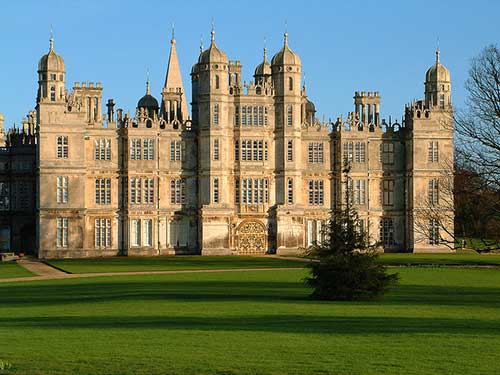
Burghley House, Lincolnshire
Burghley House is situated near to Stamford in Lincolnshire and was built for Sir William Cecil, Elizabeth I's long-serving chief policy guru and spy-master. Burghley's state rooms contain a number of important portraits of the Cecil family, Elizabeth I, Henry VIII and Oliver Cromwell. The grounds at Burghley consist of 2,000 acres of gardens designed by Capability Brown and a deer park. Burghley House was the setting for Castel Gandolfo in the movie adaptation of The Da Vinci Code and still hosts the annual Burghley Horse Trials show-jumping event.
burghley.co.uk
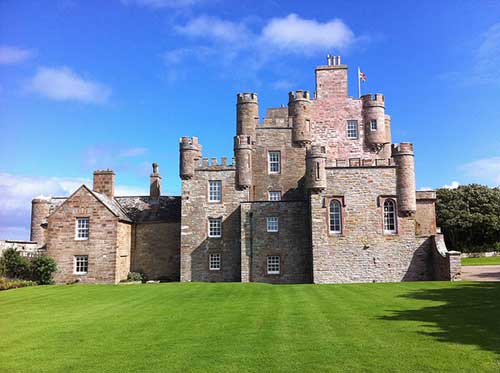
Castle of Mey
The Castle of Mey was the late Queen Mother's favourite holiday home. The 16th century Castle of Mey is located on Scotland's north coast, looking out over the Pentland Firth to the Orkney Islands. The castle guides, many of whom worked for the Queen Mother, are happy to entertain visitors with affectionate anecdotes from her summers here. Her green fingers nurtured the walled gardens, protected from the severe gales and salt spray by high brick walls, and are full of her favourite roses as well as marigolds, pansies, nasturtiums and dahlias.
castleofmey.org.uk
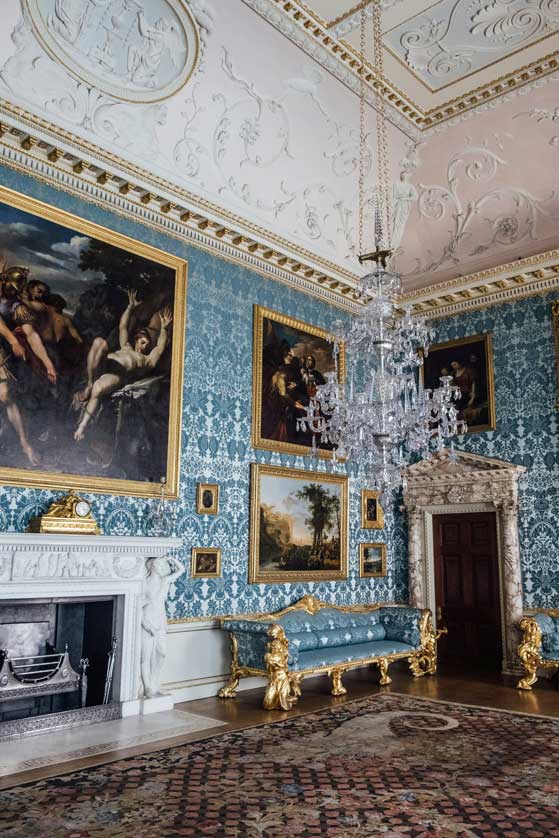
Kedleston Hall
Kedleston Hall, an 18th-century English stately home is located about 6 miles northwest of Derby. It is a prime example of neoclassical architecture and the work of the renowned architect Robert Adam between 1759 and 1765. Designed for Nathaniel Curzon, who later became the 1st Baron Scarsdale, Kedleston Hall reflects the Palladian ideals of symmetry, proportion, and the use of classical forms.
Adam's design was heavily influenced by the ancient Roman architecture he encountered during his Grand Tour. The interior of the hall showcases Adam's skill in integrating architecture with decorative arts, where he collaborated with artists and craftsmen to create the opulent rooms adorned with classical motifs, elaborate plasterwork, and rich furnishings.
Read More
National Trust Properties in South West England
Hotels in the UK
Book Hotels in England - Booking.com
Find Accommodation in London - Booking.com
Search Hotels in Scotland - Booking.com
Hotels in Northern Ireland - Booking.com