British Nature: Britain's Landscape
Britain's Landscape & Wildlife
Mark Brazil
The British Isles, situated in the North Atlantic, lie off the north-western coast of continental Europe. This diverse archipelago consists of more than 6,000 islands, the most prominent among them being those of the countries of Great Britain and Ireland, along with the islands of the Hebrides, Shetland and Orkney, and the Isle of Man. In all, these islands amount to approximately 315,000 km², making the island group larger than New Zealand (268,000 km²), but smaller than Japan (378,000 km²).

Landscape
The British landscape is varied, rolling, undulating with hills and valleys, but unlike New Zealand and Japan, these islands of Albion have no alpine areas. Nevertheless, the landscape is assorted and exciting, supporting a wide range of habitats and a great diversity of wildlife making this a popular destination among naturalists.
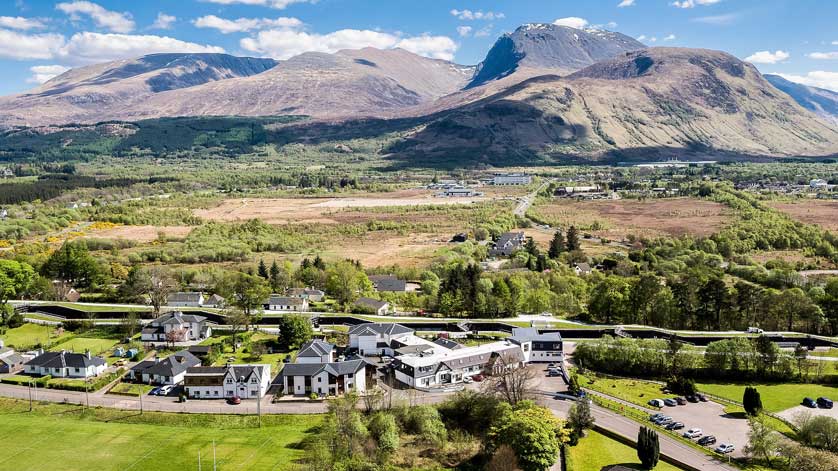
The landscape and infrastructure make the country particularly suitable for walkers, ramblers and hikers, allowing them to enjoy the countryside up close. For hikers and mountaineers the heights of the peaks seem unimposing - after all the highest mountain, Ben Nevis, rises only to 1,345 meters - yet the mixed montane landscape, combined with the British climate, provides ample opportunities for a challenge amid dramatic scenery.
History
As the last ice age drew to a close, approximately 10,000 years ago, Britain was a remarkably different place. For one thing the islands as we know them did not exist. Ancient Britain was, then, essentially an extension of the coastline of what was to become called Europe.
Then, the landscape of Britain was raw, where it had been scraped and scoured by glacial ice, and its habitats were limited resembling the cold tundra of northern Scandinavia today. As Europe's climate steadily warmed and became wetter, and as ice sheets retreated and thawed, so more diverse habitats developed and the sea level surrounding the islands began to rise. The low lying landscape around the margins of the proto-British Isles was incrementally submerged by steadily rising sea water until, that is, a marine catastrophe occurred in Scandinavia. That event caused devastating flooding further south, such that during the Mesolithic (Middle Stone Age), around 8,000 years ago, the channels that now separate the main islands were formed and became established and an island nation was forged. The changes in the British landscape since then have been wrought by climate, nature and humankind.
Our ancestors, Homo antecessor left evidence of their presence (footprints and stone tools) some 900,000 years ago on what is now the coast of East Anglia. We must roll the clock forward another 400,000 years until there is fossil evidence, by now of a closer ancestor Homo heidelbergensis, from the south coast of England. Those early occupants of the land would have made relatively little impact on the landscape, that credit is very much closer to us in time and is a consequence of farming having been introduced. At some time between about 7,000 and 6,000 years ago farming reached the British Isles with Mesolithic peoples arriving from further east.
Agriculture
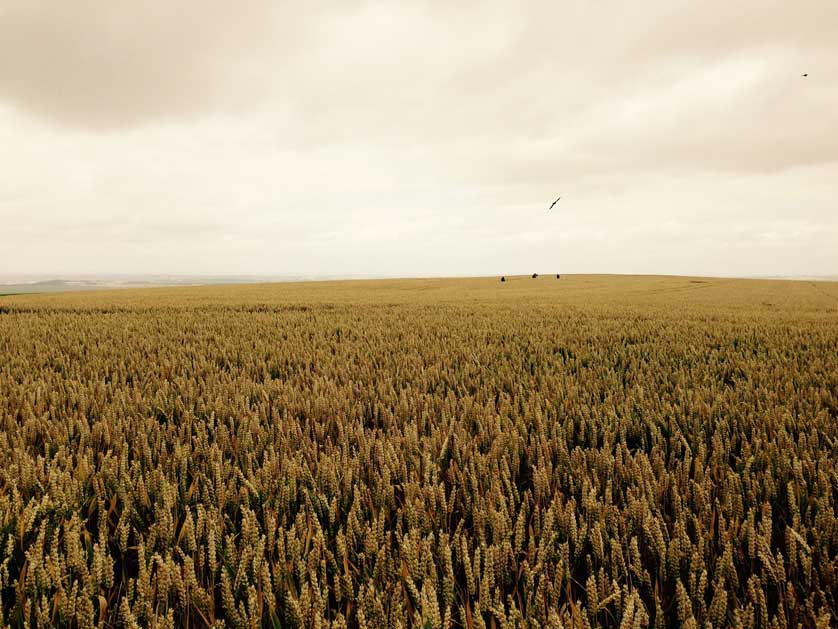
The clearing of small plots of land to grow crops of wheat and barley in what had become by then a forested landscape, the domestication of wild boar as pigs, and the tending of small flocks of the newly introduced goats and sheep, and herds of cattle, led to the first notable human influence on the landscape. Early inroads into the landscape of natural forests and wetlands were slight for several thousand years, but the pace increased steadily from about 400-1000 CE, then dramatically in the following millennium.
That influence of human agriculture increased and has continued until now almost 70% of the United Kingdom's land area has been turned over for use in agriculture. Other factors that had dramatic impacts on the landscape were those that relied on extracting natural resources such as major trees for the British navy from the 1200s onwards and especially coal and other raw materials for the Industrial Revolution which involved a dramatic shift to industry and mechanised manufacturing during the late 1700s and early 1800s.
Today, although deep-time geological events formed the underlying framework of the landscape of the British Isles, the visual landscape is one that has been largely shaped by human activity, first by clearance and draining for agriculture, then enclosure. The slowly changing pre-industrial era landscape was dominated by scattered villages and medieval peasant communities farming seasonally and keeping livestock on common land.
From the 1200s onwards, however, increasing enclosure by regional landowners led to the permanent enclosure of private land and a decline in common land. This process peaked in the 18th and 19th centuries and led to the further spread of walls, fences or hedges and contributed significantly to the patchwork appearance of the landscape that we see today - extensive areas of hedged or fenced fields with small, isolated copses or patches of woodland.
Today, despite the emphasis on agriculture, Britain still supports an array of fascinatingly different habitats that support great biodiversity and offer recreational opportunities to outdoor enthusiasts and naturalists. Let's begin at the edges and work our way inland considering what these habitats are and what they offer.
Coastline
The British coastline includes some sections consisting of sandy beaches, while other shores are pebble- and boulder-strewn. Yet more portions of the foreshore are rocky, craggy and have cliffs. The longest beach in the land is that at Bournemouth in Dorset, stretching more than 11 km, while the highest cliffs in the islands are on remote St Kilda where the north face of Conachair is a vertical sea cliff rising about 430 m above the waves.
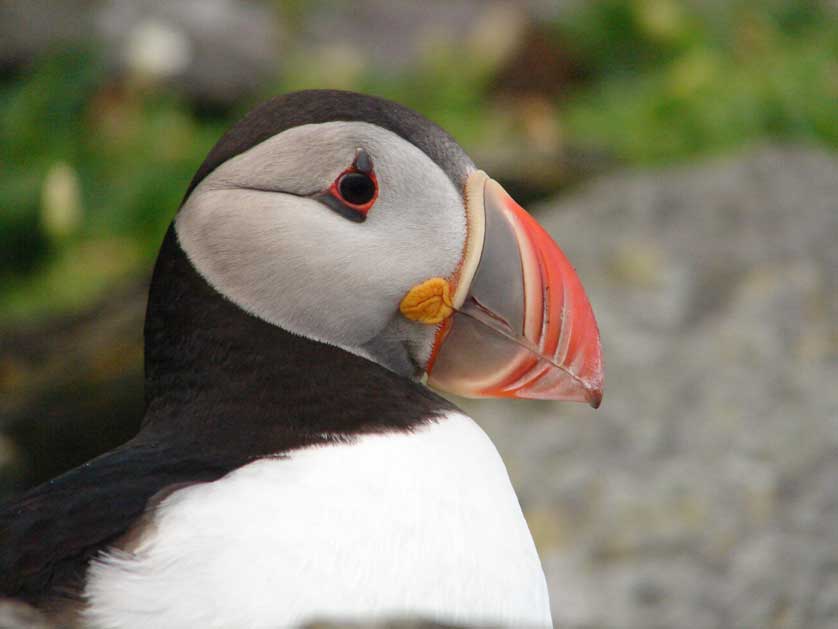
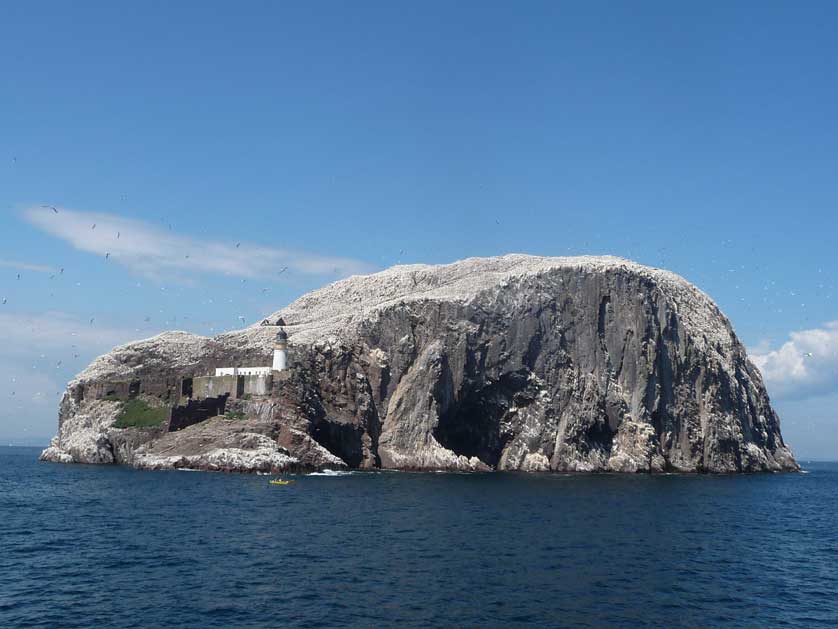
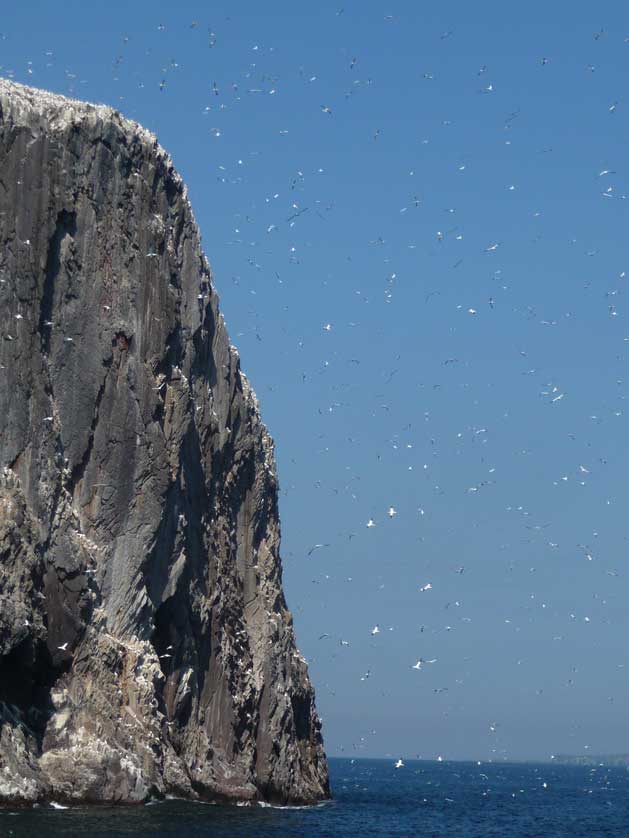
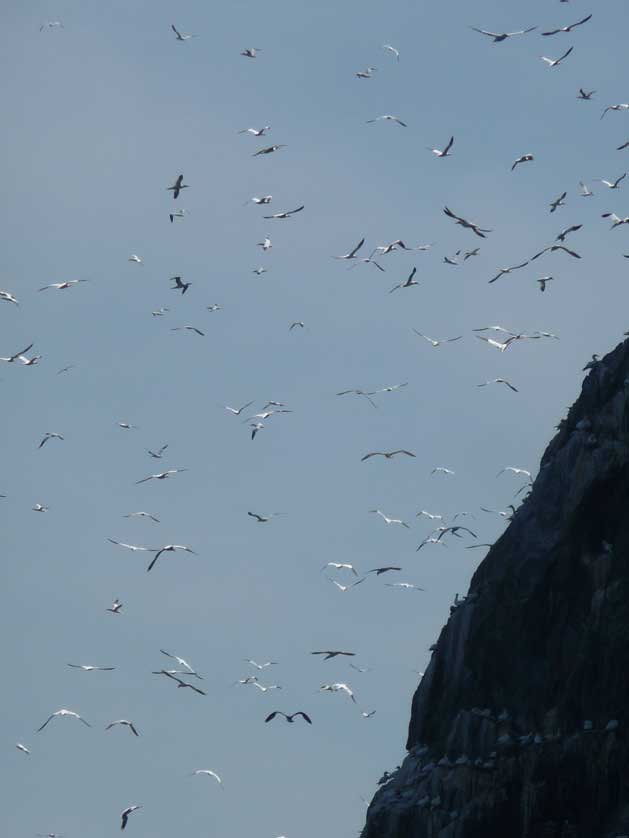
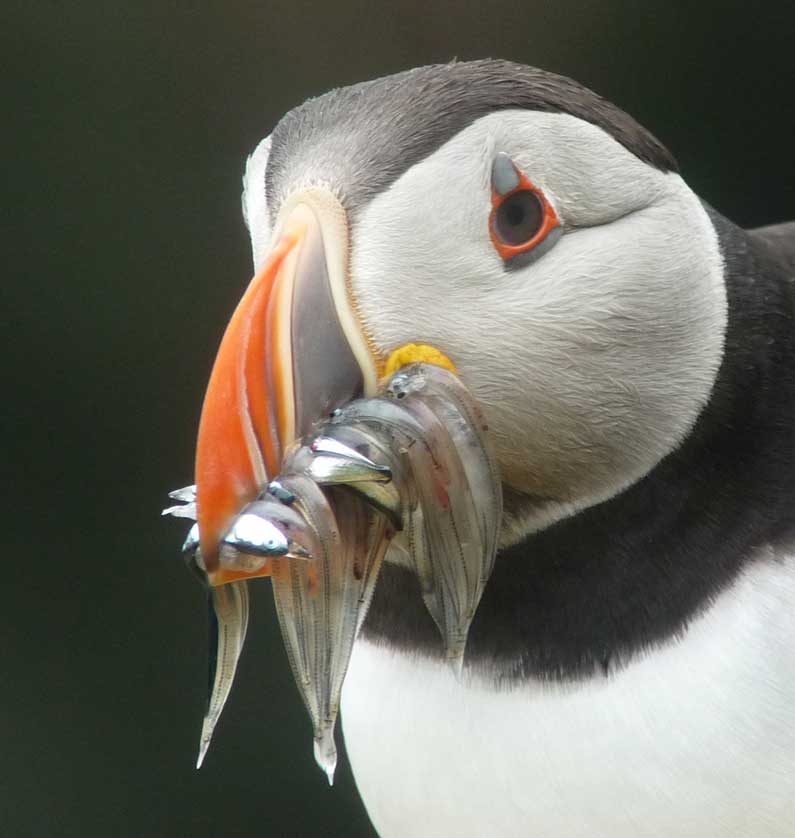
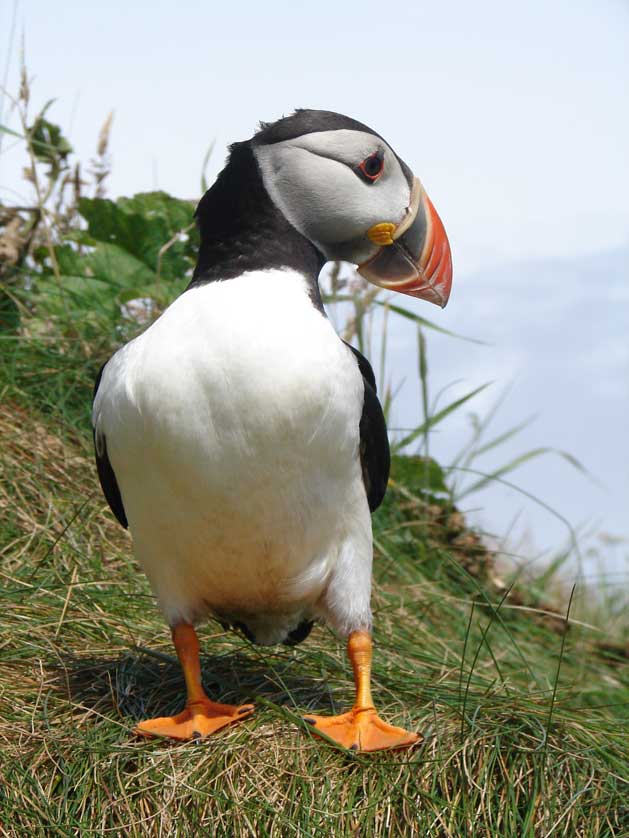
Cliffs provide a unique vertical habitat that is on the one hand exposed to the elements yet on the other it is difficult of access for predators. Hardy seabirds such as enormous goose-sized Gannets, dapper Guillemots and Razorbills, and gliding Northern Fulmars make cliffs their summer home, breeding there in safety yet with easy access to the sea and its resources. In some spots there may be colourful Atlantic Puffins too.
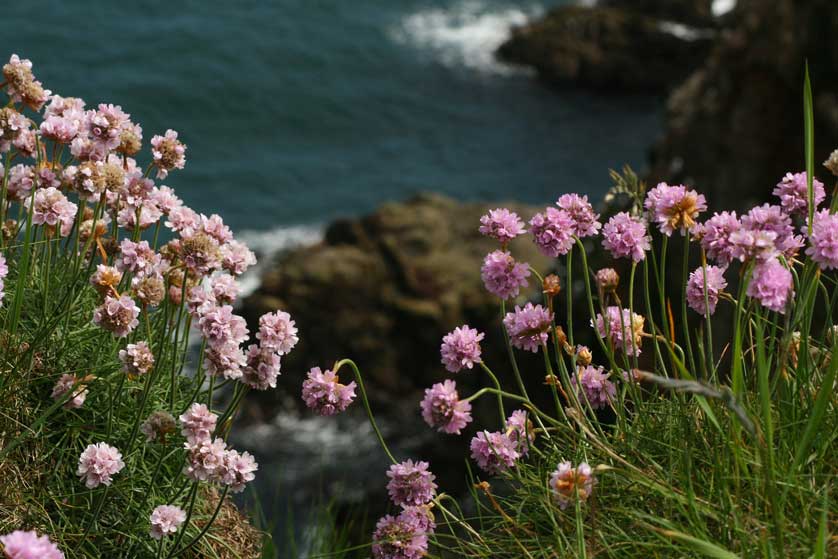
During summer, the seabird cliff colonies are vibrant, bustling and noisy with activity as parent birds to-and-fro fetching and carrying food for their offspring. For the remainder of the year, the cliffs may be wild and dramatic, but the only sounds are the sea and wind as the seabirds spend most of the year at sea. The salt spray, and frequent strong winds from the sea mean that only special hardy plants can make their homes here on the ledges and cliff tops. Perhaps the best known of these is the purply-pink thrift that thrives beside cliff-top walks.
In contrast to those near vertical cliffs, the near horizontal beaches of Britain are the domain of shellfish and marine worms that make up the prey of an array of migratory shorebirds, such as boldly patterned Oystercatchers and Ruddy Turnstones.
Tidal pools and rock pools offer opportunities to meet nature at close quarters, while offshore the marine environment may offer the wandering naturalist surprises in the form of seals on the beach or bobbing offshore, or perhaps dolphins or whales passing by.
Rivers
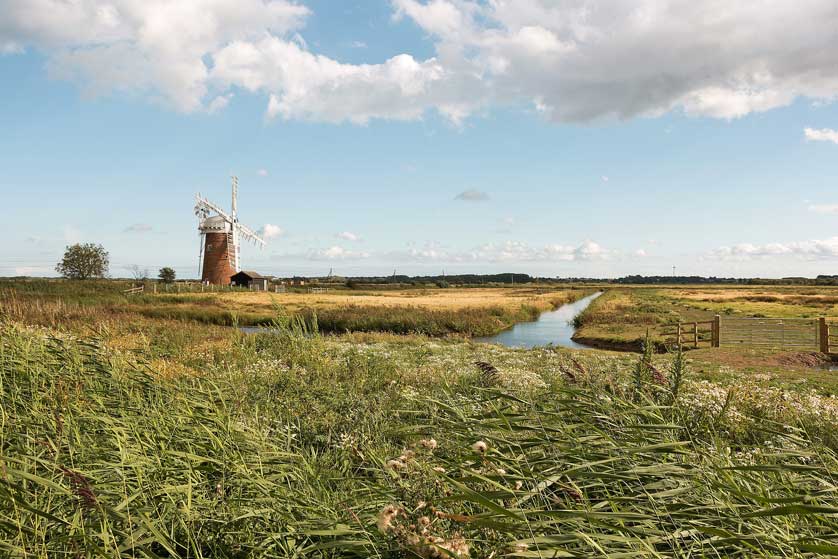
Where rivers meet the sea, their tidal estuaries are muddy or lined with salt marshes. These areas support large populations of tiny creatures capable of surviving tidal inundation and drying and in turn provide food for large flocks of wintering waterfowl or migratory shorebirds, and there are numerous fish too.
On the mudflats the waders (or shorebirds) and waterfowl are always on view - there is nowhere for them to hide in this open habitat - giving great opportunities to see flocks of large, colourful shelduck, and to watch as long-billed shorebirds, such as Eurasian Curlews and Bar-tailed Godwits probe the mud for their prey. When the water is rising towards high tide is the best time to watch as the birds are driven ever higher and eventually must fly off to roost until the tide begins to fall again and expose the mud (and food) once more.
If we follow those rivers and streams inland the tidal influence recedes and brackish water is replaced with completely freshwater. There are wet meadows, ponds and lakes too making up the freshwater habitat which supports a wide array of plants, insects, fish, amphibians, reptiles and birds.
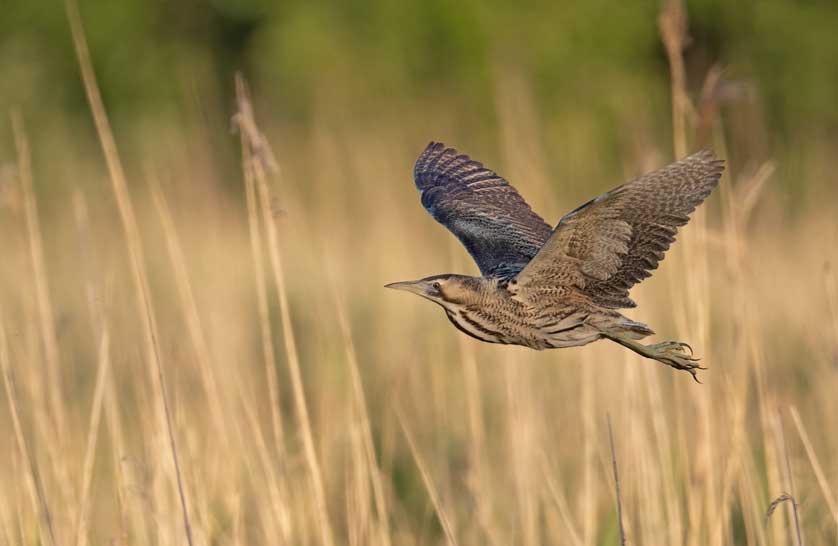
In areas of shallow freshwater there may be reedbeds supporting the uniquely camouflaged member of the heron family known as the bittern, pools may support breeding waders such as Little Ringed Plovers and Pied Avocets, while stream sides are favoured by Grey Herons, Grey Wagtails, Dippers and Common Kingfishers.
Patience in riverside habitats may be rewarded with a sighting of a Water Vole, a River Otter, or perhaps even a European Beaver (once exterminated from Britain, these large aquatic rodents have been returned to British waterways in recent years). In many parts of the country footpaths and trails follow stream and riversides making for peaceful walking opportunities close to nature.
Woodland
Following rivers inland is a sure way of encountering remnants of the habitat that once covered much of the British Isles - woodland. Native woodland is home to an array of tree species (unlike the mostly monoculture commercial forests) that in turn support innumerable insect species and the birds that depend on them.
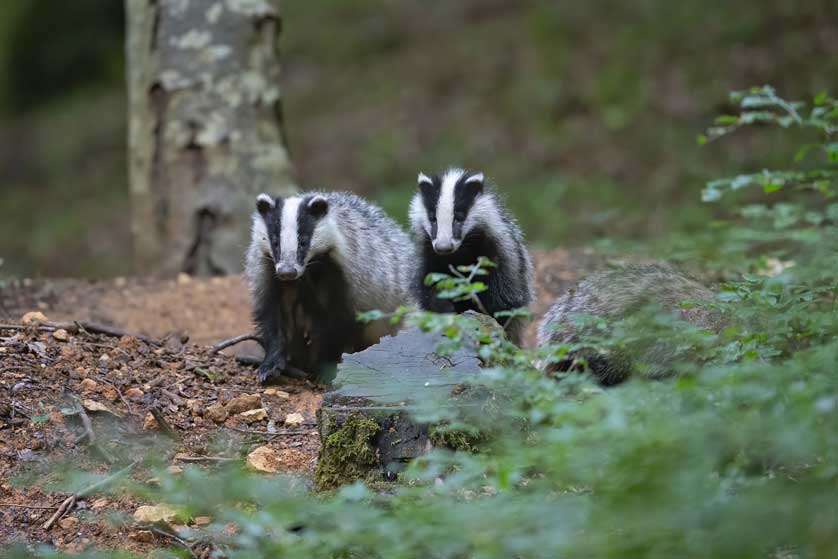
Spring flowers and birdsong render woodland full of colour and noise making walking in woodland during spring a delightful experience. On the woodland floor look out for colourful bluebells and other delicate flower species attuned to the dappled light filtering down through the canopy, and flitting between them a range of indigenous butterflies. At dusk you might bump into a Badger emerging from its sett, or see deer of various species wandering and foraging.
The woods become quiet during winter, but then the shapes of the many deciduous trees and their richly patterned trunks are fully exposed and accessible and this is when squirrels (the native Red and the introduced North American Grey) are more easily spotted.
Grasslands, Meadows & Heathland
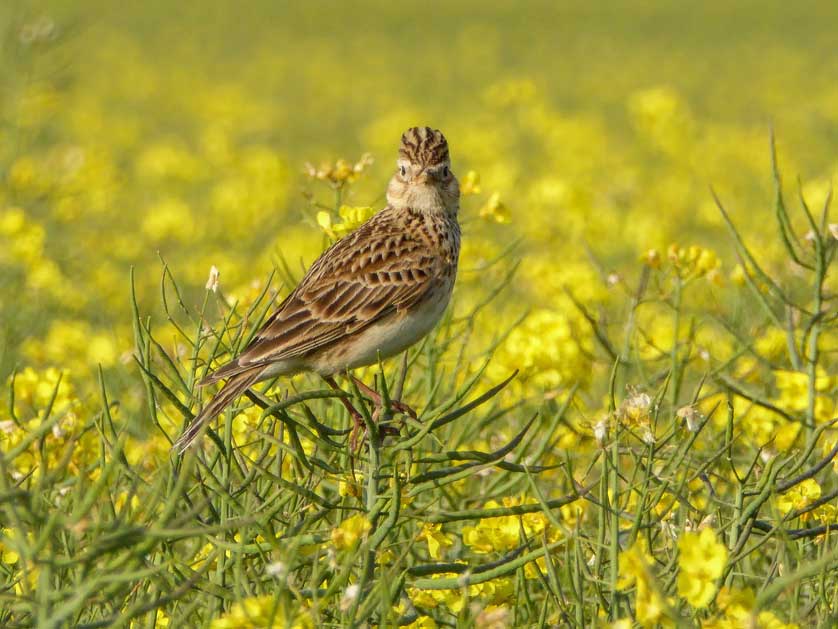
In a few areas native grasslands, meadows and heathland survive, having first been created 3,000-5,000 years ago by early clearances of woodland during the Bronze Age to provide the first areas for livestock to graze. These habitats now support a distinctive flora and insect fauna, the species mix depending on the underlying soil. Special butterflies and orchids live in these tiny pockets of grassland and meadowland, while overhead the cascading sound of the skylark is a constant accompaniment. Once more extensive many areas of grassland have disappeared and been replaced with farmland or the spread of housing from suburban areas.
Even though farmland now dominates the British landscape, and although many farmland species are in serious decline, this habitat is not devoid of wildlife. In fact, depending on local farming practices some species thrive here.
This is largely related to the state of preservation of hedgerows and wild field margins, which form natural habitat sin their own right and also offer wildlife corridors of nature along which they can move. Here you might encounter a Red Fox, a Hare, Weasel or Stoat, the notable predators of these habitats. The fields may harbour Eurasian Skylarks and Northern Lapwings in summer and may offer home to flocks of Golden Plovers in winter.
Moorlands
Beyond the farmland, grassland and heathlands lie the wildest habitats of all - the uplands, moorlands and mountains of the higher parts of northern England, Scotland and Wales. In wetter areas bogs of peat have accumulated forming tremendous sinks for carbon and holding water like a sponge; here several species of shorebird breed, and the ground may be quartered by hunting Hen Harriers and Short-eared Owls.
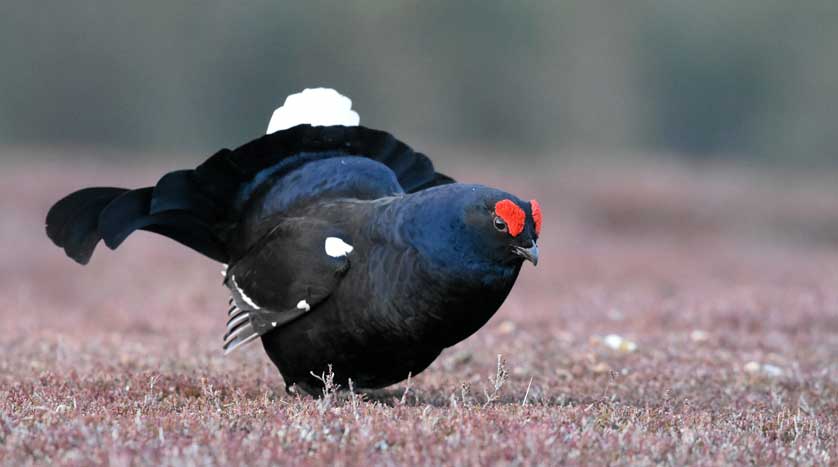
In rockier and craggier areas there will likely be Common Buzzards and even Golden Eagles to distract the hiking naturalist. The scenery of these upland areas is breathtaking. Though perhaps bleak and inhospitable in winter - when most of the wildlife moves to lower elevation - this scenery is delightful in spring when the heather is in bloom, when Meadow Pipits sing their high-pitched songs, when Stonechats clack their hard call notes, and when grouse (Red, and Black) may be encountered displaying.
Urban Areas
Although hardly natural, suburban and urban areas dominate large swathes of the land and cannot be ignored as one of the habitats of the British Isles. Even here, in these apparently barren regions, there is nature. Thanks to the prevalence of private gardens, well-vegetated cemeteries, churchyards, numerous parks and avenues of street trees, some wildlife has learned to live with us.
Keep an eye open for these natural suburbanites while you are driving or walking in villages, towns and even cities. The common bird and butterfly species of Britain all frequent such pockets of habitat, or dine at the bird tables and bird feeders put out specially for them.
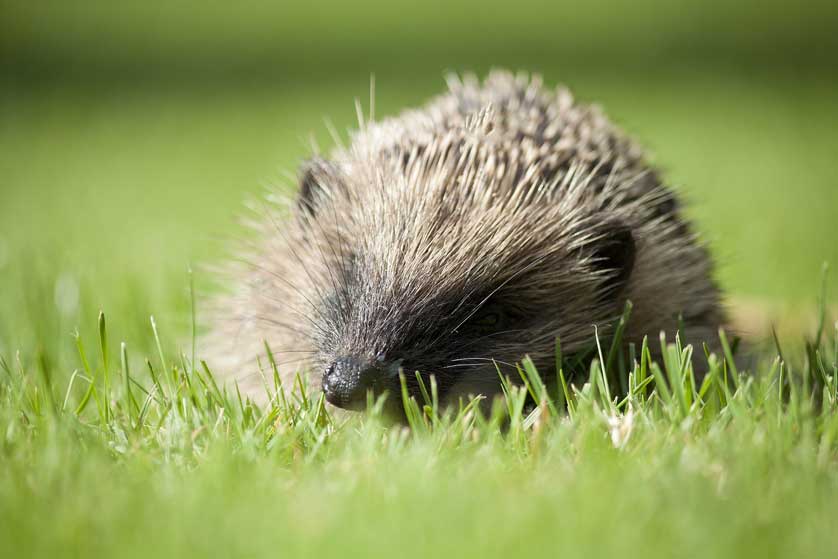
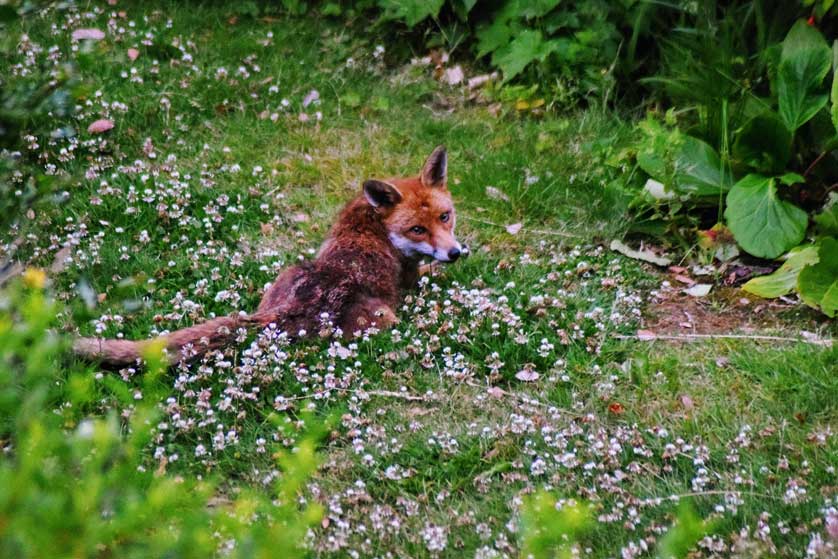
Overhead and on the rooftops there may be Jackdaws and Wood Pigeons; Swifts and House Martins may be swooping overhead in search of insects, while down in the gardens and parks you will find Great Spotted Woodpeckers, Blackbirds, Common Starlings, Blue Tits, Great Tits, House Sparrows, Goldfinches, Chaffinches and the charming European Robin. Red Foxes patrol the streets at night in search of any scraps of food, along with commensal rodents, and hedgehogs.
High up amidst the high-rise buildings or sitting on a church or cathedral spire may be one of the most dramatic avian urbanites of all - the Peregrine Falcon. This dashing masked bandit of a bird of prey is a cliff-nester and predator on almost anything aerial from pigeons to ducks. To a peregrine with a view to nesting, a tall concrete building is much like a rocky coastal cliff, and the prey available in town is as good as that in the countryside when it comes to feeding nestlings.
They make a dashing attraction now in a number of British cities. In winter some of the species frequenting gardens, such as the starlings and thrushes, may have arrived from Scandinavia or Russia, as may some of the waterfowl on the ponds in the parks, confirming that there is more to urban areas than bricks and concrete and that our nature is not just British, but intricately linked by migration to continental Europe.
Mark Brazil, naturalist, author and expedition leader, grew up in the landlocked county of Worcestershire, but has lived in Staffordshire, Stirlingshire, Hertfordshire and Norfolk.
Among his favourite places he include the coasts and offshore islands of Britain, especially the remote isles of Scotland. Between leading international expeditions he currently resides in east Hokkaidō, Japan. His most recent book Wild Hokkaidō: A Guidebook to the National Parks and Other Wild Places of Eastern Hokkaidō was published in summer 2021.
Hotels in Scotland
Book Hotels in Edinburgh - Booking.com
Find Hotels in Glasgow - Booking.com
Search Hotels in Orkney - Booking.com
Hotels in The Shetlands - Booking.com