Winchester Guide
Winchester is a former capital city of England and currently the county town of Hampshire. Winchester is located at the western end of the South Downs, along the River Itchen. The 2018 Census estimated Winchester's population at 43,500.
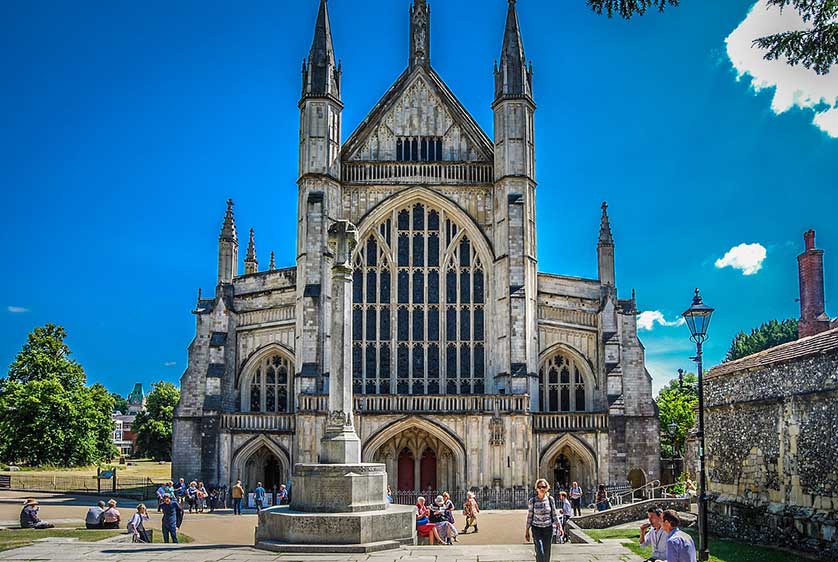
The symbol of Winchester is Winchester Cathedral (see below), one of the largest cathedrals in Europe. Winchester Cathedral has the longest nave and overall length of all Gothic cathedrals in Europe. Winchester also hosts the University of Winchester and the famous public school, Winchester College.
Due to its architectural and historic interest and its convenient connections to other towns and cities, Winchester has become one of the most expensive and desirable areas to live and buy a house in England.
Winchester History
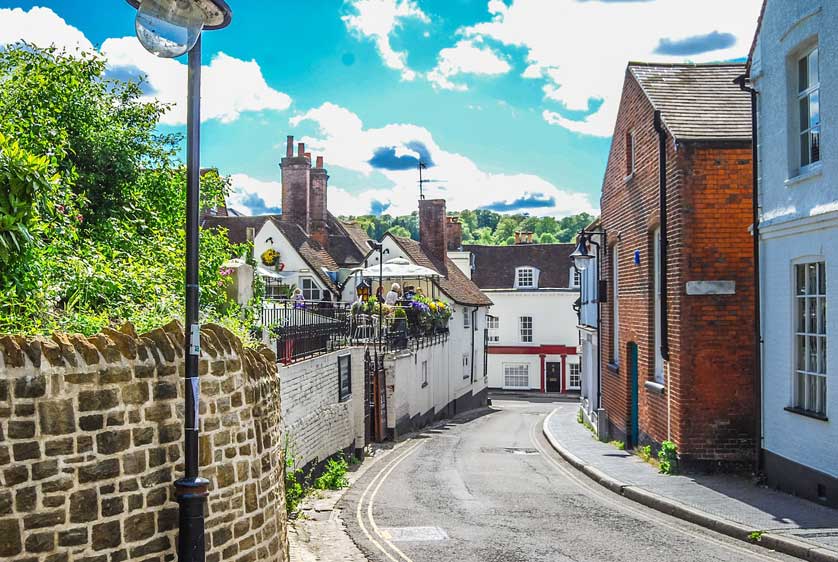
Settlement in Winchester dates back to prehistoric times, including three Iron Age hillforts in the area. Later in the Iron Age, a more urban type of settlement known as an oppidum developed. In Roman times, Winchester became the capital of the local tribe known as the Belgae, a confederation of Gaulish tribes, and the city became known as Venta Belgarum, which probably meant "Market" or "Meeting-Place of the Belgae". Winchester was given protective stone walls at the beginning of the third century.
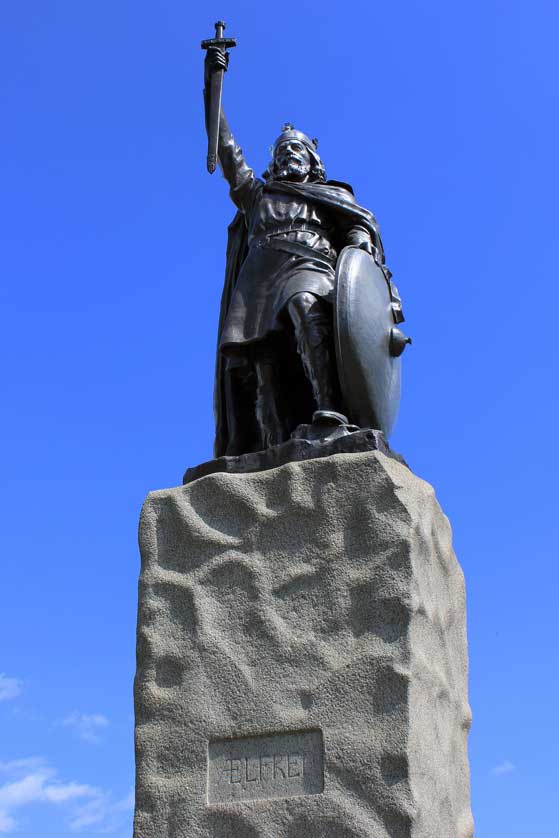
In Anglo-Saxon times, Winchester became the de facto capital of the ancient kingdom of Wessex in about 686 AD, and it was established by King Egbert as the main city of his kingdom in 827 AD. The Saxon street plan laid out by Alfred the Great is still evident today. Winchester remained the capital of Wessex, and then England, until after the Norman Conquest when the capital was moved to London.
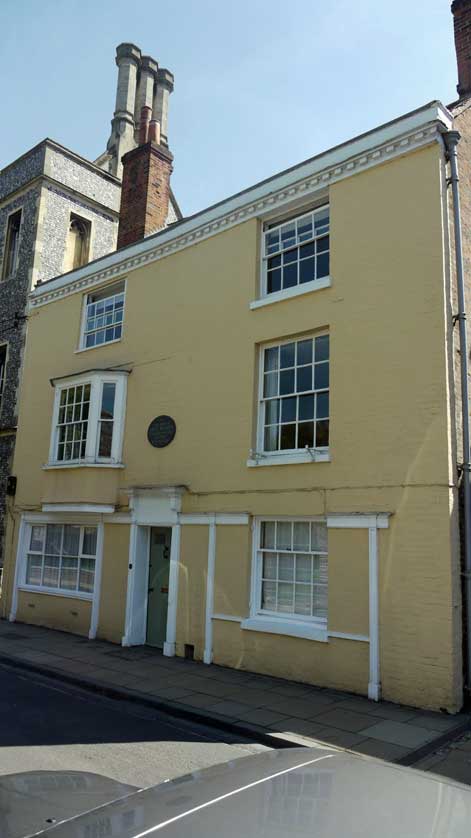
The novelist Jane Austen died in Winchester on 18 July 1817 and is buried in the cathedral. Jane Austen's house in Winchester where she lived for the last six weeks of her life is on College Street. The Romantic poet John Keats stayed in Winchester during part of 1819 where he composed several poems.
Winchester Attractions
Winchester Cathedral was originally built in 1079 and is the burial place of Anglo-Saxon monarchs such as Egbert of Wessex and later monarchs such as King Canute as well as Jane Austen. Winchester Cathedral was once an important pilgrimage centre and housed the shrine of Saint Swithun.
Winchester Cathedral Close contains a number of historic buildings including the Deanery, which dates to the thirteenth century. Pilgrims' Hall, The earliest hammer-beamed building still standing in England, is also situated in the Cathedral Close; it was part of the hostelry used to accommodate the many pilgrims.
Winchester is also well known for the Great Hall of its castle, which was built in the 12th century. The Great Hall is famous for King Arthur's Round Table, which has hung in the hall since at least 1463. The table actually dates from the 13th century, and is thus not from Arthur's time. The table was painted for King Henry VIII in 1522, and the names of the legendary Knights of the Round Table are written around the edge of the table.
Museums
The small Winchester City Museum showcases the history and archaeology of the city and the surrounding area. It is now part of the Hampshire Cultural Trust. The museum was established in 1923 and is housed in a historic, Grade II-listed building known as the Guildhall, which originally dates back to the 13th century. Winchester City Museum's collection spans over 2,000 years of history. It includes a wide range of artifacts, artworks, and archaeological finds that showcase the city's heritage. The collection covers various aspects of local history, including Roman and medieval Winchester, the English Civil War, and the city's role as the ancient capital of England. There are also exhibits on the Victorian era including recreations of Victorian and Edwardian shopsand the more recent history of the city.
Westgate Museum on High Street is housed in a medieval gatehouse known as Westgate, which is one of the two surviving gateways from the original medieval city wall of Winchester. The other is Kingsgate. The displays cover various aspects of local history, from Roman times to the medieval period and beyond. It includes artifacts, historical documents, and interactive displays that allow visitors to explore the city's rich past.

Winchester Shopping
Winchester offers a tempting array of independent shops, boutiques and art galleries. Winchester's compact, pedestrian-friendly streets are a refreshing alternative to the large malls found in other cities.
The pedestrianised High Street hosts a wealth of shops with Regency and Elizabethan bow-fronted windows, or the visitor to Winchester looking for famous high street names might start off at the Brooks Shopping Centre.
On certain days, however, the Middle Brook Street market offers a bustling street market with specialty local foods on Wednesday and general street markets every Thursday, Friday and Saturday.
After the street market, the discriminating visitor should make sure to browse through the adjacent Kings Walk Antique Market. Other notable shopping areas include the Square with its specialist shops and quaint pubs, Kingsgate Street and Parchment Street.
Winchester Hotels
The visitor to Winchester can choose from a wide variety of properties in Winchester's city centre and in the surrounding Hampshire countryside.
These properties include both bed and breakfast and self-catering options. There are top-class hotels such as the Lainston House Hotel for an extra special stay, where guests can enjoy their favourite casino games after a long day.
See here for a range of accommodation in Winchester.
Winchester Access - Getting To Winchester
The motorist will find Winchester located on the M3 motorway as well as at the junction of the A34, A31, A3090 and A272 roads.
Local, rural and Park and Ride bus services in Winchester are provided by Stagecoach, who run services to Andover, Alton, Basingstoke, Fareham, Petersfield, and Romsey. Bluestar operates services to Eastleigh and Southampton localities. National Express coaches have bus services to Bournemouth, Poole, Portsmouth and London.
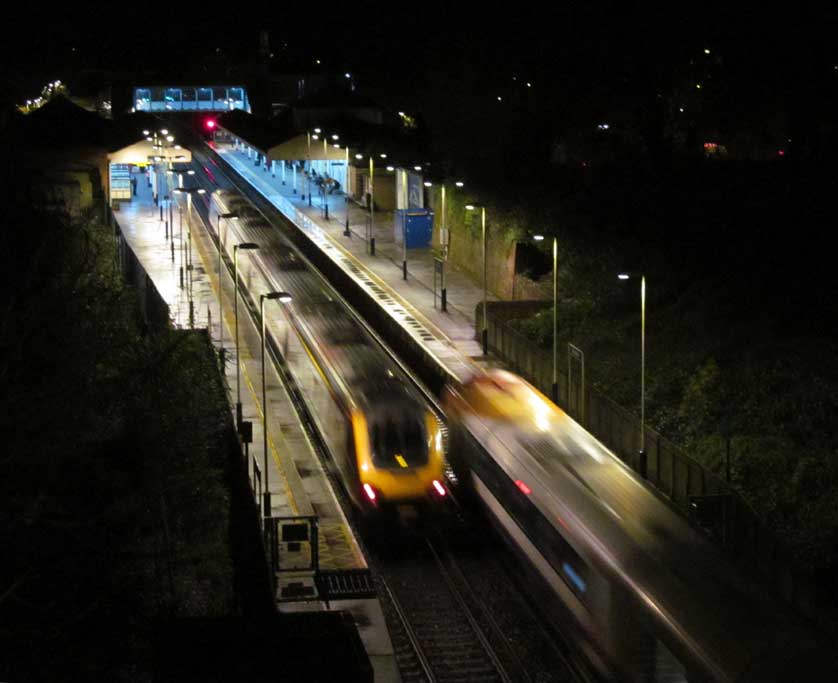
Winchester railway station is served by South West Trains trains from London Waterloo, Weymouth, Portsmouth and Southampton. CrossCountry Trains provides services between Bournemouth, and either Piccadilly Station in Manchester or Newcastle via Birmingham.

Map

Hotels in the South West of England & Wales
Book Hotels in Bath - Agoda.com
Find Hotels in Bradford on Avon - Booking.com
Search Hotels in Cardiff - Booking.com
Recommended Hotels in Exeter - Agoda.com
Book Hotels in Salisbury - Agoda.com
Hotels in London - Booking.com
Hotels in England - Booking.com
Bath Hop-On Hop-Off Sightseeing Bus (Open Top)
The Hidden Cotswolds and The Making of England Day Tour from Bath