Nature in the British Isles
Britain's Nature
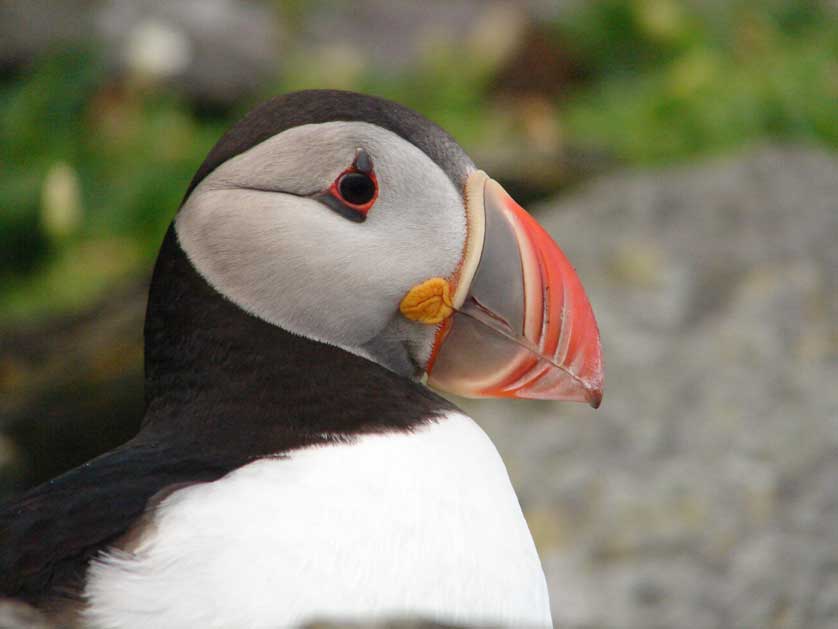
Britain's natural heritage remains diverse but is under threat. According to the World Wide Fund for Nature (WWF) more than one in seven native species face extinction in the UK and more than 40% are in decline.
Faced with the threats of intensive agriculture, pollution and fly-tipping, Britain's nature needs help.
See a listing of articles on Britain's natural history and help support wildlife and plants in the UK.
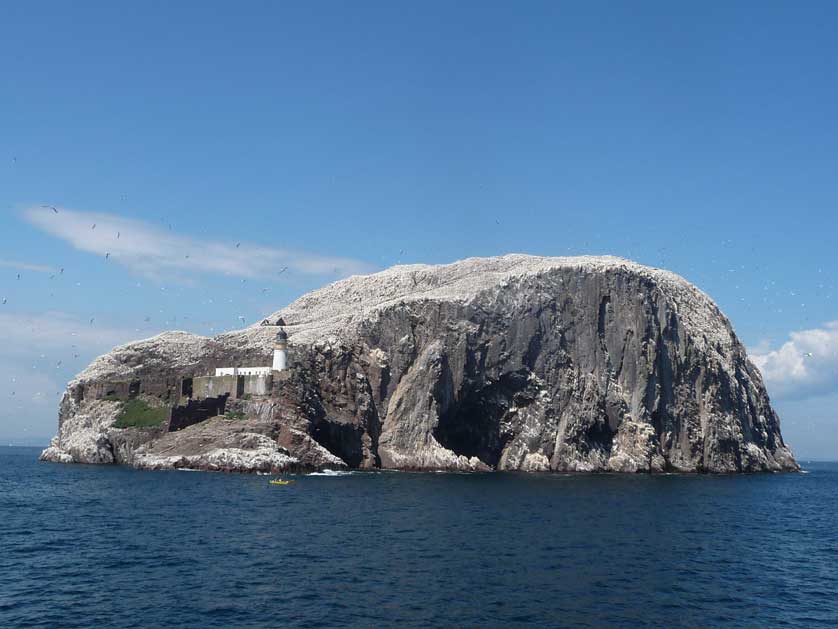
Britain's Landscape & Wildlife
The British landscape is varied, rolling, undulating with hills and valleys, but unlike New Zealand and Japan, these islands of Albion have no alpine areas. Nevertheless, the landscape is assorted and exciting, supporting a wide range of habitats and a great diversity of wildlife making this a popular destination among naturalists.
The British Isles, situated in the North Atlantic, lie off the north-western coast of continental Europe. This diverse archipelago consists of more than 6,000 islands, the most prominent among them being those of the countries of Great Britain and Ireland, along with the islands of the Hebrides, Shetland and Orkney, and the Isle of Man. In all, these islands amount to approximately 315,000 km², making the island group larger than New Zealand (268,000 km²), but smaller than Japan (378,000 km²).
Hedges
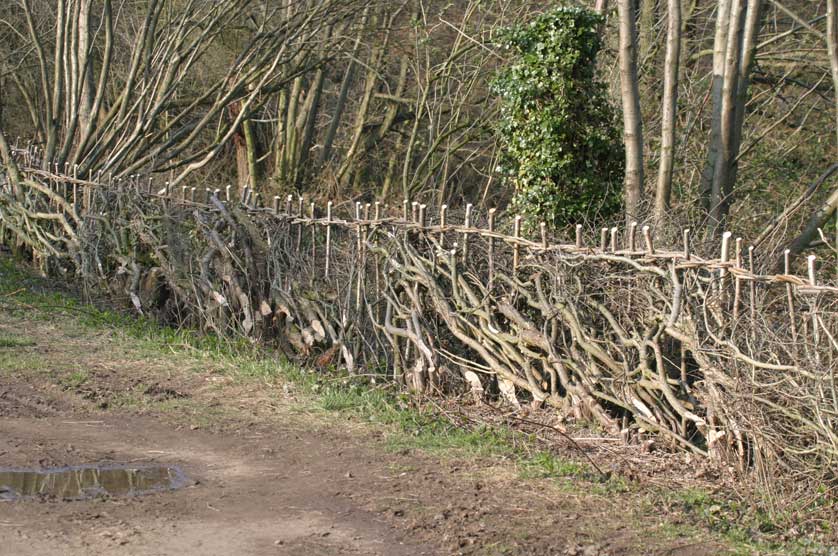
From the air, the varied British landscape has the appearance of a multi-hued patchwork quilt. The parcels of woodland and cropland making up the landscape in shades of yellow and green seem patched together as if connected by living running stitches made of hedgerows that stretch for thousands of kilometres across the landscape.
Some hedges run beside drainage ditches, some have banks or even walls within them, and while most have been deliberately planted at some point in time, others are linear remnants of once larger areas of woodland, or have regenerated naturally along ditches, banks or fence lines.
The varied habitats that hedgerows offer allow numerous species to live in, move along and wander through them. Wildflowers and fruiting shrubs and trees provide pollen and nectar resources for a huge array of insects, the shrubs and trees shelter wildflowers beneath them, and support lichens and fungi on them, while seed- and berry-bearing plants offer food for small mammals, birds and insects alike. It is here that you might encounter a hedgehog in its natural habitat, snuffling its way, hog-like, in search of earthworms beneath the hedge.
Cliffs
Across much of Britain, the gently undulating patterned inland landscape is linked linearly by narrow hedgerows. From the air hedges appear like ragged lines of running stitches holding together a multi-hued quilt.
Hedges though are not Britain's only linear habitat. The interface between land and sea is also essentially linear, although the habitats around the country's edge vary. They include estuaries and wetlands, beaches, rocky shores, and cliffs.
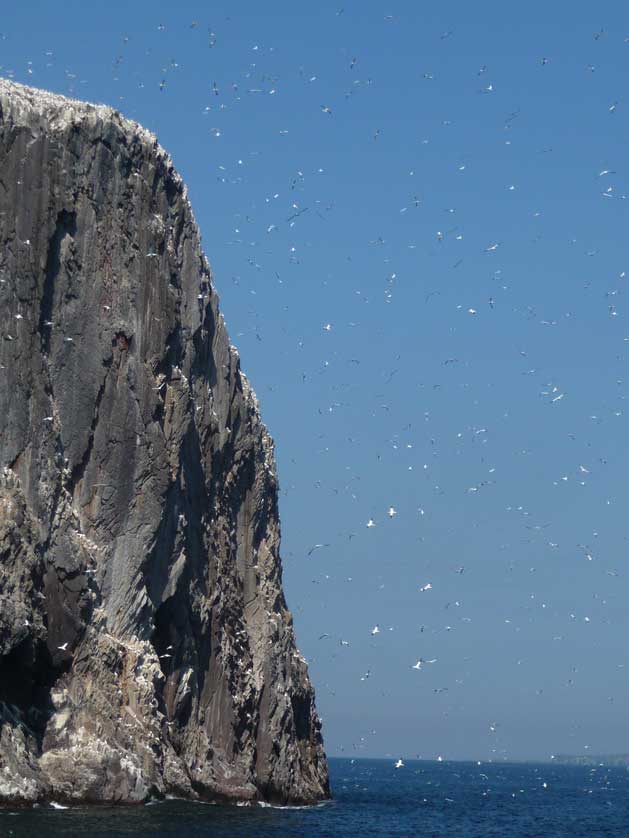
Around the margins of the nation, cliffs provide the most abruptly dramatic scenery. Here, geology, waves and wind work together building, shaping and eroding dramatic shapes.
The highest British cliffs may tower 426 metres above sea level, as at Conachair on the Scottish island of St Kilda, and may be built of hard rocks such as granites or they may be low structures just a few tens of metres high of readily eroded layers of silt clay and sand, such as along parts of the Norfolk coast including Cromer where the cliffs rise to just 70 metres.
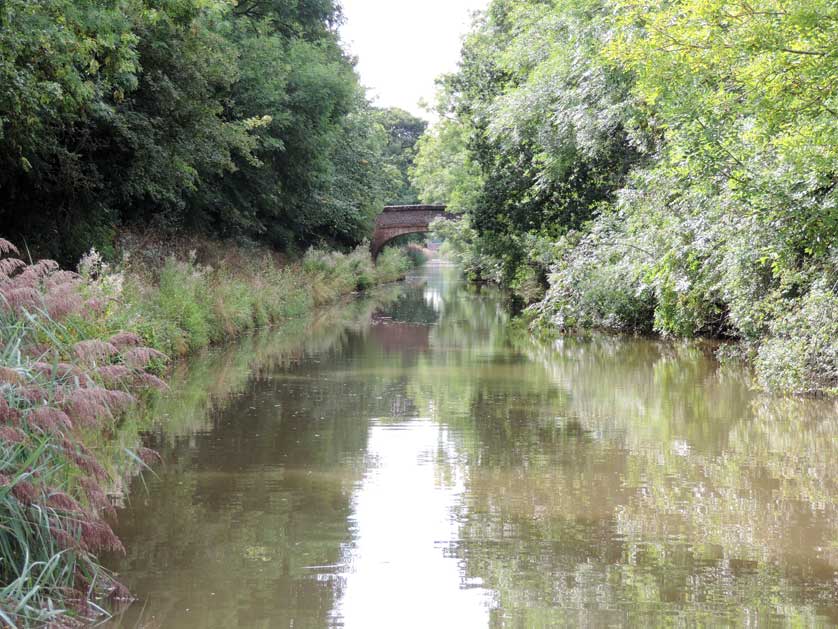
Canals
In an archipelago frequently drenched in rain, freshwater in many forms is rarely far away. Standing water is abundant and to be found in natural habitats from upland lakes and tarns to lowland lakes and meres, in addition to which are numerous man-made ponds, lakes and reservoirs. Flowing water too comes in many forms, from rushing upland streams and rivers, to sluggish lowland rivers. Bridging a gap between forms of freshwater are the canals.
Canals are not quite standing water as is found in lakes and ponds, nor are they really flowing water as found in streams or rivers. This man-made network of linear, river-like water features rarely carries flowing water, so they resemble standing water, yet where they link rivers together they do indeed flow. However we define them, canals are a key freshwater habitat in Britain and their associated canal-side vegetation and towpaths offer fine country walking.
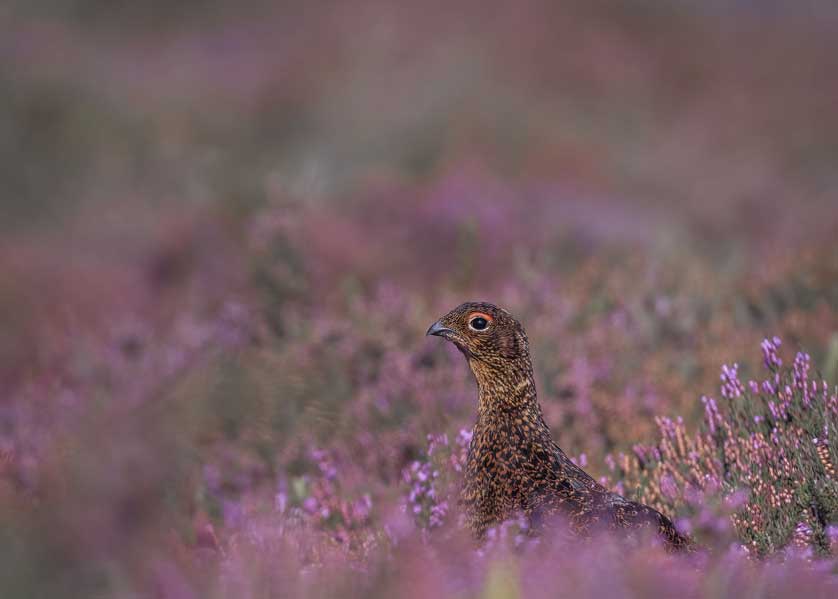
Uplands
The seemingly crowded isles of Britain are home to some delightful landscapes offering opportunities for remote exploration. Foremost are the country's fifteen national parks (NP), ten in England, three in Wales and two in Scotland.
Together they protect a tremendous range of habitats including lowland wetlands, as in the Norfolk and Suffolk Broads NP, coastal cliffs as in the Pembrokeshire Coast NP, rolling green hills, chalk grassland and woodlands as in the South Downs NP, and dramatic uplands, moorland and mountains, such as in the Cairngorms NP.
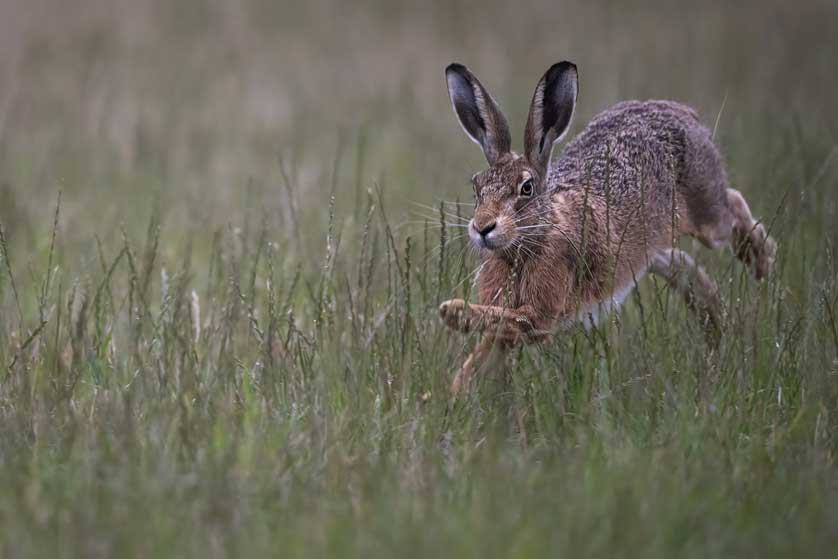
Agricultural or Arable Land
Britain's agricultural or arable land accounts for 70% of the country, amounting to over seventeen and a half million hectares under cultivation. This is the landform that whisks past our windows as we drive, or ride buses and trains from city to town and village. From the air, the countryside appears as a patchwork quilt made up of fields divided by fence lines and hedgerows and interspersed with woodlands.
Regional differences in topography, soil type and climate are the driving factors determining which kind of farming takes place in any given area of Britain, and that in turn affects the extent to which nature merely survives or actually thrives on the land.
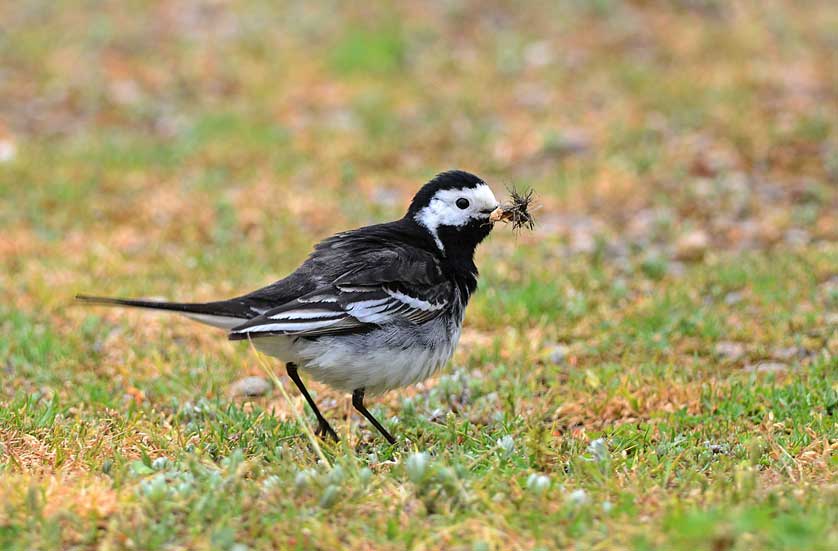
Private British Gardens
It is estimated that nearly 90% of households in the UK have gardens, amounting to 23 million separate gardens covering an area that exceeds 4,330 km². In England alone, the area of gardens is more than four times the area of our National Nature Reserves, making gardens an enormous, nationally significant, habitat resource. With gardens in the UK contributing approximately 50% of urban green space, they are not only an important habitat resource for thousands of species, but they also support human health and wellbeing.
Swans
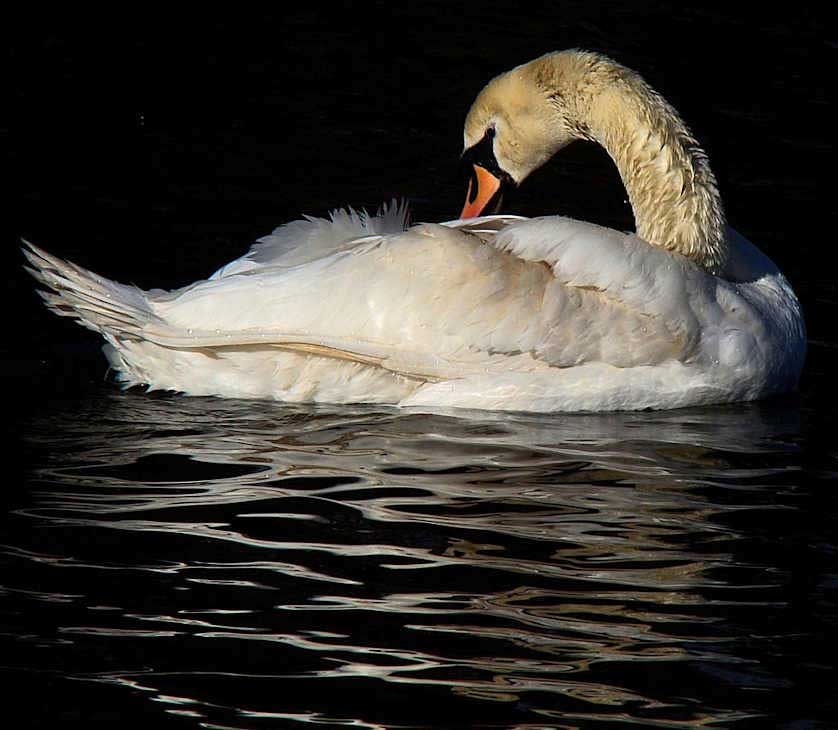
Swans are without a doubt the largest flying birds that can be seen in the wild in the UK. It may be possible to see larger flightless birds like ostriches in zoos and safari parks or even farms, where you could also see some larger flying birds. Related to ducks and geese, the swan is a waterfowl found mostly throughout the temperate regions of the northern hemisphere, although Australia and South America also each have a single species and some northern hemisphere species have been introduced into several southern-hemisphere countries.
Birds in Britain
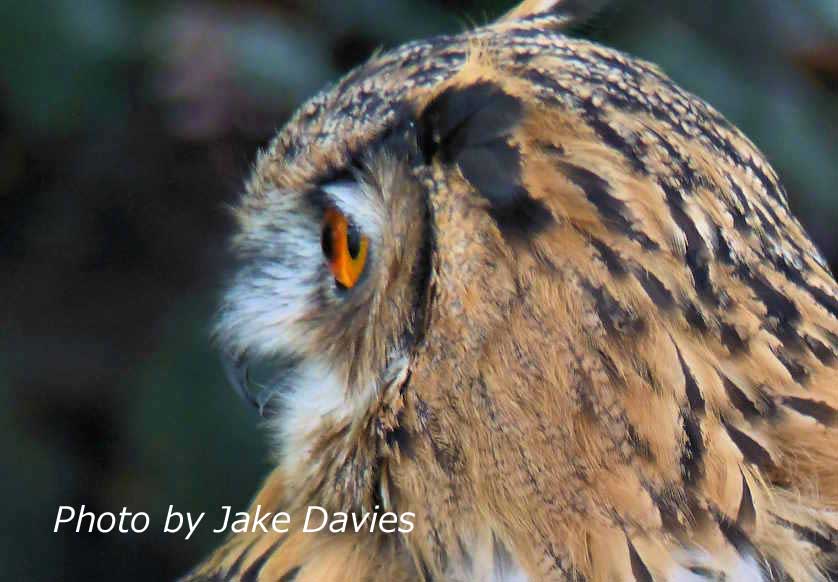
Britain's birdlife is diverse and numerous. Britain is home to a rich and diverse array of birdlife, shaped by its varied landscapes, temperate climate, hedgerows, numerous islands and both long coastlines and cliffs.
From the call of the curlew over windswept moorland to the vibrant flash of a kingfisher darting along a quiet river, the UK's birds are an ever-present part of its rich natural heritage.
Seasonal migrations also bring dramatic changes, with winter flocks of geese arriving from the Arctic and summer visitors like swallows returning from Africa. Whether in city gardens, National Parks, ancient woodlands, canals, lakes, or rugged coastal cliffs, birds are both a symbol of Britain's ecological richness and a vital part of its environmental story.
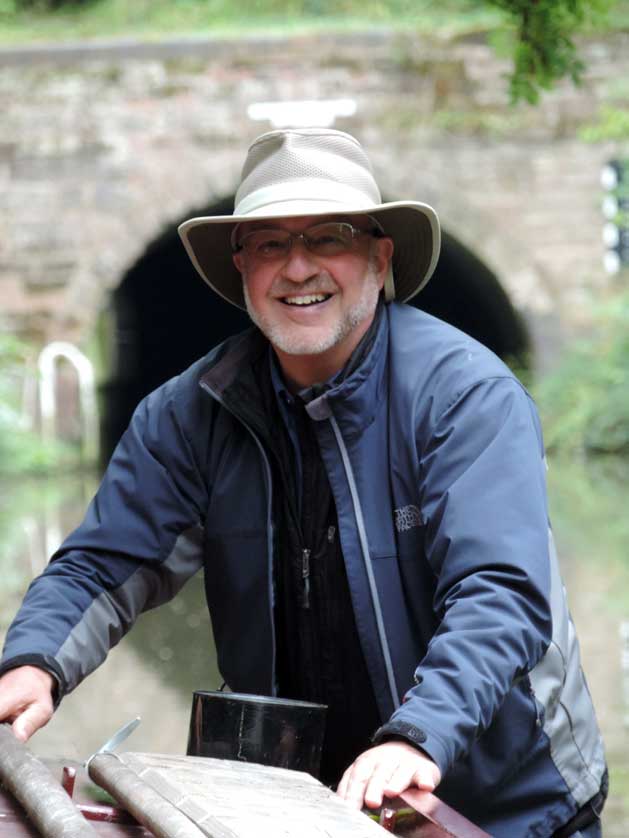
Mark Brazil, naturalist, author and expedition leader, grew up in the landlocked county of Worcestershire, but has lived in Staffordshire, Stirlingshire, Hertfordshire and Norfolk.
Among his favourite places he include the coasts and offshore islands of Britain, especially the remote isles of Scotland. Between leading international expeditions he currently resides in east Hokkaidō, Japan. His most recent book Wild Hokkaidō: A Guidebook to the National Parks and Other Wild Places of Eastern Hokkaidō was published in summer 2021.
Hotels in Britain
Book Hotels in Edinburgh - Booking.com
Find Hotels in Glasgow - Booking.com
Search Hotels in Orkney - Booking.com
Hotels in The Shetlands - Booking.com