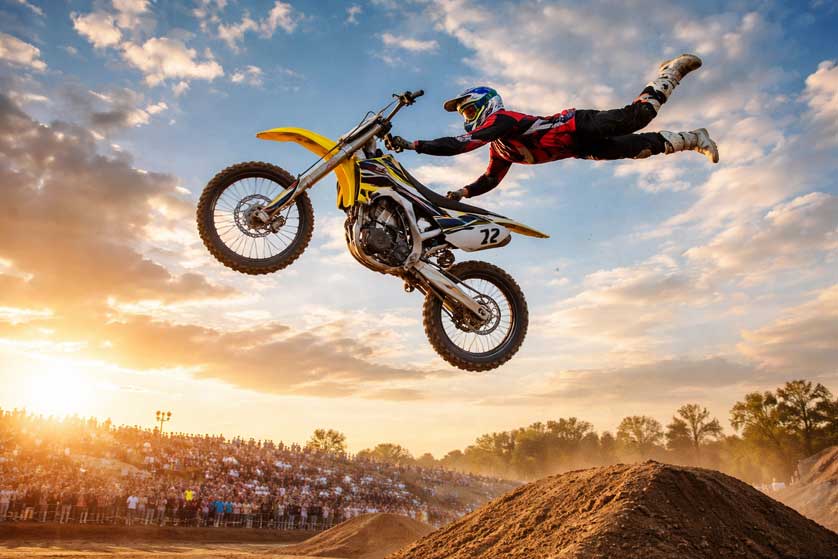
Today, one of the most adrenaline-fueled sports is not just about doing tricks on a bike. It is also part of:
- indoor shows,
- outdoor festivals,
- short video clips online,
- training videos,
- travel from place to place,
- and fan groups that follow riders in many countries.
That shift has changed what people come to see, and made the sport even more appealing across the globe, including Britain which already has the landscape for hiking, cycling, etc.
The people who shape this culture do more than land difficult moves. They set taste inside the sport. They influence what looks clean, what feels original, and what fans remember after the landing. That is why any look at modern FMX has to focus not just on formats and audiences, but on the riders whose choices give the sport its tone.
How style becomes influence
What makes one rider matter in freestyle motocross is not only the list of results. It is the way the technique becomes instantly recognizable. In that sense, Jarryd McNeil has become central to the culture because his riding is easy to read from far away and still worth watching in slow motion. He has built one of the strongest medal records in Best Whip and Step Up, which helps explain why his name carries weight whenever people talk about control, shape, and consistency in the air, or, as he mentions himself in the Jarryd McNeil podcast on Team Ignition, the ability to just look forward all the time.
That influence starts with mechanics. A whip is not just a sideways bike movement for effect. At the highest level, it is a precise mix of entry speed, take-off angle, body timing, and recovery. The rider has to turn the bike into a dramatic shape without losing the line needed for a calm landing. Step Up asks for something different. It rewards lift, exact throttle use, and the calmness to meet a rising bar with no wasted movement. Those two disciplines show why Jarryd McNeil matters so much to the sport’s modern identity. He represents a kind of FMX that looks stylish but is rooted in repeatable control.
Why clean form matters so much in FMX
That is important because modern FMX culture values clarity. Fans do not only want bigger tricks. They want tricks that look complete. They want a rider whose approach, extension, and exit all make sense as one motion. McNeil’s place in the culture comes from showing that polish can be just as memorable as raw invention. He helps define what clean riding looks like.
He also stands for a wider truth about the sport. The people who shape FMX are not always the ones who make the most noise. Often, they are the riders whose form becomes a reference point for others. Their work changes judging, fan expectations, and even how younger riders build their own style. That is why this part of the culture lasts. It is passed on through what riders choose to copy, refine, and push further. You can learn more about this iconic personality watching the interview:
A strong home in Britain
Freestyle motocross has built real momentum in Britain because it fits the country’s live-event culture so well. That helps explain why the sport keeps coming back to big arenas in Britain and why promoters still treat FMX as one of the main attractions in Arenacross, which says it has brought in more than 500,000 fans across the UK over the past ten years. This shows that a lot of people keep coming back to watch this kind of exciting bike show.
The British appeal is also about atmosphere. FMX in the UK is not consumed only as a technical sport. It is presented as a shared night out, where noise, lights, pace, and rider personality all matter as much as the landing itself. That model seems to be holding up well. The ACU has described Arenacross as the pinnacle of indoor MX in the UK, and the 2026 tour opened in Birmingham in front of what the ACU called a packed crowd, suggesting that demand remains strong in major venues.
For British audiences, that mix is probably the key reason the sport continues to grow. Freestyle motocross offers something easy to understand at first glance, but rich enough to reward repeat viewing. You can enjoy the shock of a big trick on your first visit, then come back later and start noticing style, bike control, and the small differences between riders. That balance between instant spectacle and deeper appreciation is a big reason FMX now feels settled in Britain rather than borrowed for a one-off thrill.
Why live events now sit at the heart of the scene
One of the biggest changes in freestyle motocross is that the sport is now much closer to city crowds. Indoor arena shows, touring events, and mixed action-sports shows have made FMX easier to see in places where people don’t normally have dirt tracks nearby.
| Event platform |
Recent indicator |
What it shows |
|
Arenacross |
500,000+ live fans over 100 UK nights |
FMX works as repeat indoor entertainment in major cities |
|
Night of the Jumps |
3M+ spectators, 300+ shows, 18 countries |
The format travels well across borders and venues |
|
SuperMotocross |
1.1M+ attendance and 15.6M viewers in 2024 |
Motorcycle spectacle now connects live crowds and mass media |
These numbers show that freestyle motocross is no longer just a small sport for a few fans. It has become a much bigger live entertainment event.
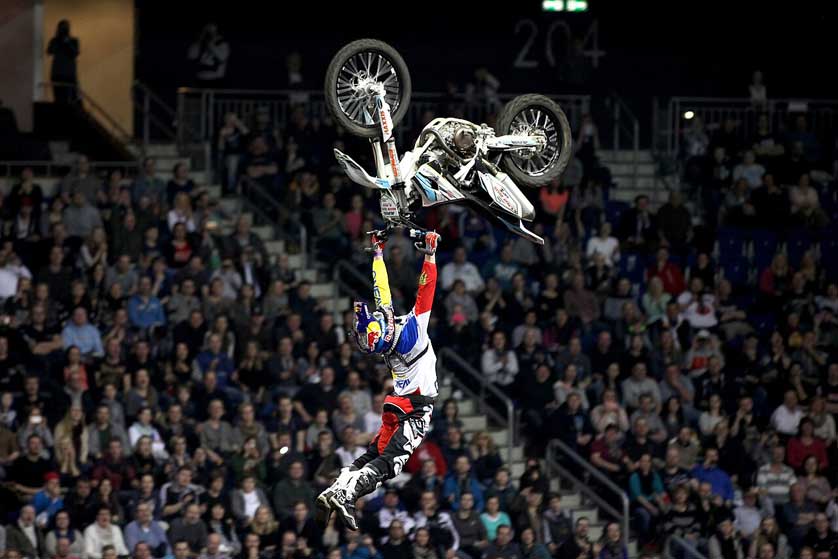
The cultural effect is bigger than the numbers alone. These shows package FMX as an experience people plan around. The sport is no longer seen only by the most committed bike fans. It is seen by casual visitors, tourists, and people who may first meet it as part of a wider event calendar. That changes the sport from a niche pursuit into something with a public face. It also explains why presentation matters so much now. Lighting, pacing, rider introductions, and venue choice all help shape how FMX is understood by new audiences.
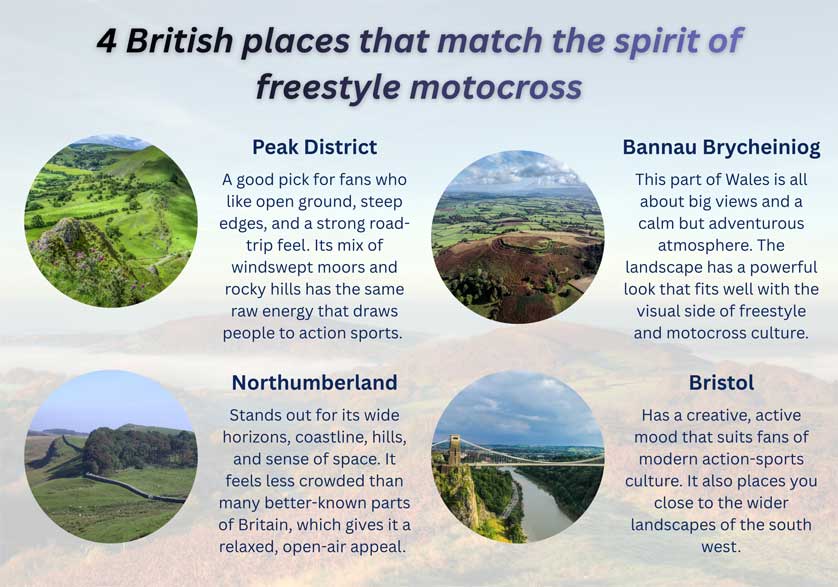
4 British places that match the spirit of freestyle motocross