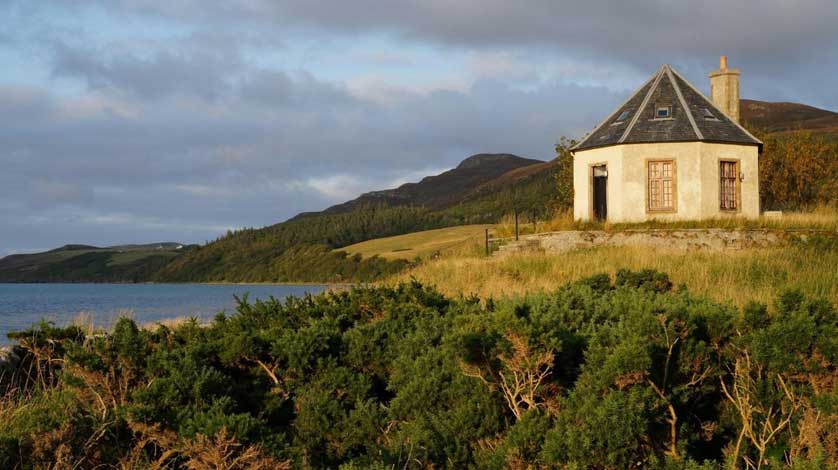
If you want to feel the real Great Britain
Many visitors arrive in the UK with a fixed route in mind. London, Manchester, and other major cities dominate travel plans. These places offer museums, transport links, and famous streets, but they show only one layer of the country. A different Britain appears once the crowds thin out.
After the first days of travel, routines often shift. Travellers look for quieter evenings, local food, and slower schedules. And may be some digital entertainments? Download 1xBet to find best sports events in one place.
Britain character becomes clearer outside major centres. Small towns or coastal paths shape daily life for most residents. These places explain traditions and accents better than any capital itinerary.
Why large cities give an incomplete picture
Major cities concentrate history into landmarks. They also compress modern life into dense districts. This creates efficiency but limits variety. Many experiences repeat from one city to another.
Outside cities, pace changes immediately. Shops close earlier. Conversations last longer. Local routines feel grounded rather than scheduled.
Large cities often hide:
- Regional food traditions
- Local dialects and customs
- Landscapes that shape community life
Understanding Britain requires stepping away from transport hubs.
Small towns and daily rhythm
Market towns remain central to British life. Places like Ludlow or Alnwick show how history blends with everyday needs. Castles sit beside supermarkets. Weekly markets still matter.
Life in these towns follows local patterns. Residents greet shop owners by name. Cafés close mid-afternoon. Visitors adapt quickly to this rhythm.
Many travellers notice how evenings feel calmer. Without constant noise, surroundings take shape. This calm stays memorable.
Countryside influence
It defines much of the national identity. Rolling fields and narrow lanes appear across regions. Each area looks different yet familiar.
Areas such as Lake District show how geography influences architecture and lifestyle. Homes use local stone. Paths follow ancient boundaries.
Key countryside impressions include:
- Footpaths connecting villages
- Farms integrated into towns
- Landscapes shaped by weather patterns
These features explain why rural travel feels immersive.
Coastal towns beyond resort centres
Britain coastline stretches far beyond well-known resorts. Smaller seaside towns reflect working harbours and local trade. Fishing schedules still shape mornings.
Places such as Whitby or St Ives mix tourism with local routines. Visitors share space with residents rather than replacing them.
Evenings bring quiet walks rather than nightlife. This suits travellers seeking rest after busy days.
Transport makes exploration easier
Rail and bus networks improved reliability in 2025–2026. Smaller towns now connect better without cars. This reduces dependence on city bases.
Regional routes allow flexible planning. Travellers stop between destinations. Overnight stays feel intentional rather than rushed.
Discussions about routes sometimes appear alongside platforms like 1xbet site in broader travel forums, yet the focus stays on logistics, not distraction. Movement becomes part of the experience.
Local culture and food
Food reveals regional differences quickly. Small pubs and bakeries reflect local habits. Menus change with supply rather than trends.
In rural areas, meals feel practical. Portions reflect working days. Ingredients come from nearby farms or waters.
Cultural details include:
- Seasonal menus
- Local ales and ciders
- Community events over commercial shows
These details explain Britain beyond postcards.
Digital habits on quieter evenings
Evenings in small towns differ from city nights. Without packed schedules, people rest earlier. Digital habits replace external entertainment.
Travellers often check updates, sports results, or messages. Mentions of 1xbet app appear casually in such routines, reflecting how phones remain part of daily life even in quiet places. Technology does not dominate the experience.
This balance allows rest without isolation.
Why smaller places leave stronger impressions
Memory forms around contrast. Quiet streets after busy cities stand out. Conversations feel personal. Landscapes frame experiences.
Industry observers, including voices linked to 1xbet company, note how modern travel trends shift toward slower routes. This reflects wider lifestyle changes rather than tourism fashion.
Britain smaller towns and countryside offer that slower pace naturally.
A fuller view of Britain
Seeing Britain fully means moving past its largest cities. London explains power and history. Smaller places explain life.
Villages, towns, and coastlines reveal habits shaped over centuries. These spaces feel lived in rather than displayed.
For many travellers, this becomes the lasting image. The real Britain appears where crowds thin and routines continue.