UK Museums: Chetham's Library, Manchester
Chetham's Library
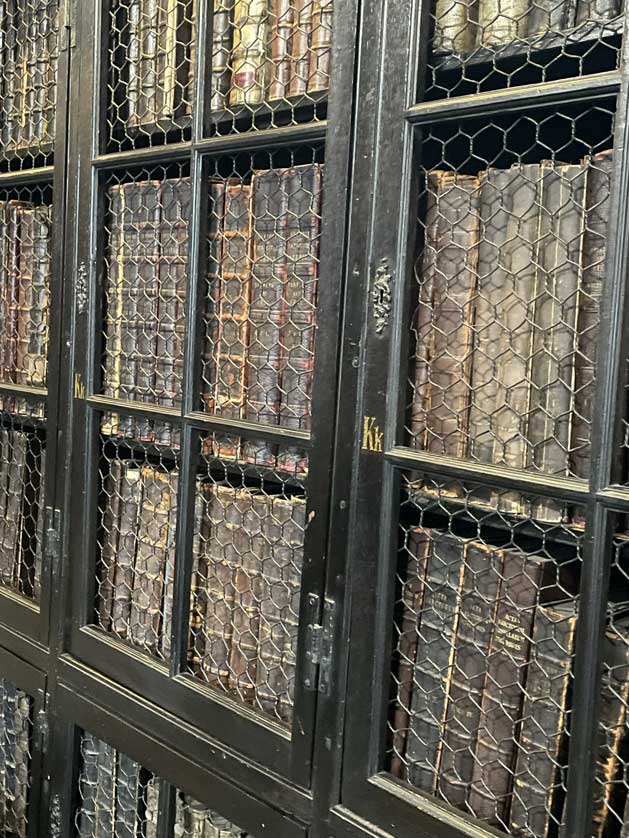
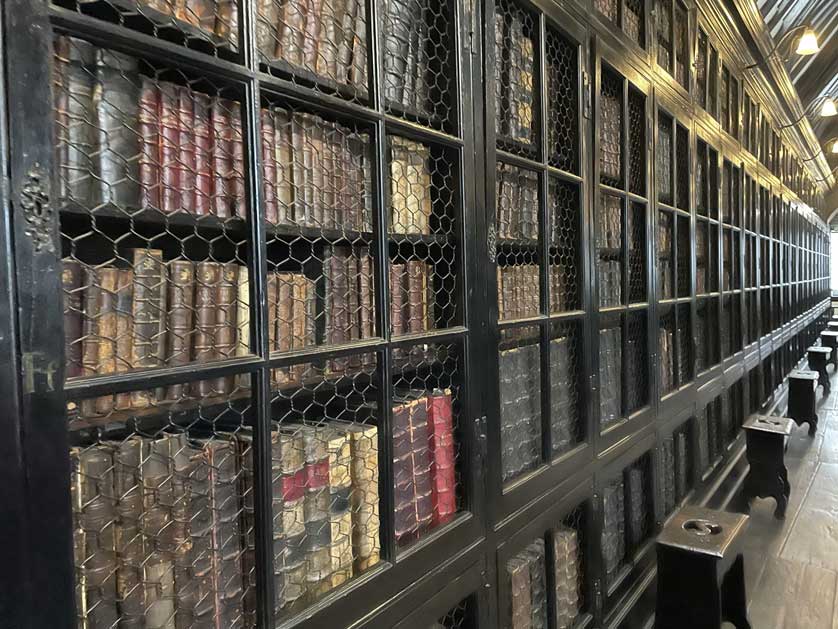
Chetham's Library was founded in 1653 thus making it the oldest public library in Britain. It has been in continuous use as a public library for over 350 years.
It is part of a former manor house that also houses Chetham's School of Music close to Manchester Cathedral. A meeting place of Karl Marx and Friedrich Engels in the 1840s, the library contains over 120,000 volumes with 60,000 published before 1851. These include books, broadsides, and other rare manuscripts.

History
Chetham's Library is one of the oldest public libraries in the English-speaking world. Its history dates back to the 17th century and its foundation in 1653 under the will of Humphrey Chetham (1580-1653), a prosperous Manchester textile merchant, landowner and banker. Chetham (believed to be pronounced Cheetham with a long ee-sound) bequeathed funds for the creation of a library and a school for the education of poor boys. The library was intended to be a free public library, open to scholars and the general public alike.
The library was initially housed in a building known as the College House, which was already standing at the time of its establishment. The College House had been built in the late 15th century to accommodate priests of the Collegiate Church of Manchester, which later became Manchester Cathedral.
John Dee, a highly influential figure in the fields of astrology, mathematics, alchemy, and occultism during the Elizabethan era, was appointed warden of Chetham's in 1595. His stay was unhappy due to differences with the fellows of the Collegiate Church and he left in 1608 and returned to London.
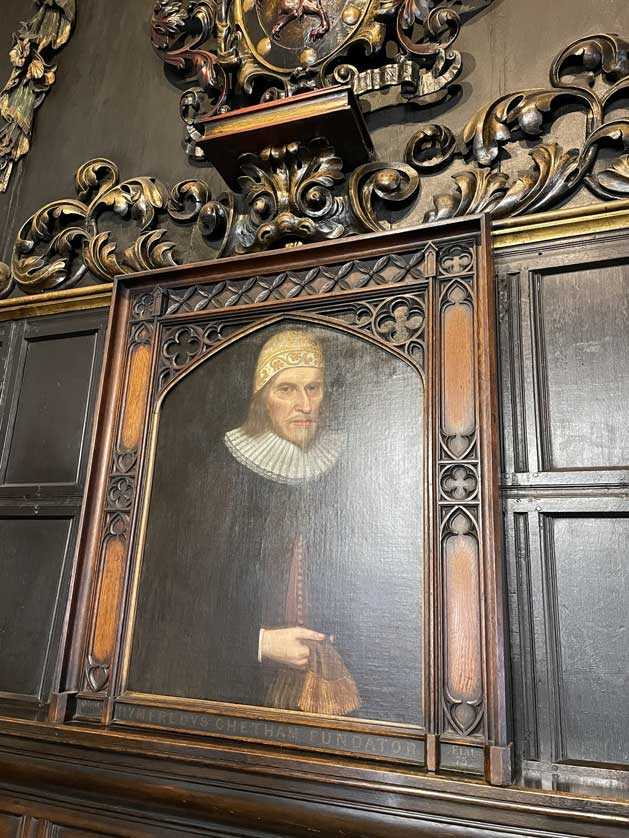
Over the years, the library's collection grew steadily through various donations and purchases. It became known for its remarkable collection of books, manuscripts, and other literary treasures. Many notable figures visited the library, including scholars, writers, and scientists, who made use of its resources.
Some of the most famous visitors to Chetham's Library were Karl Marx and Friedrich Engels, who frequented the library during the 1840s.
Marx conducted research for his book Das Kapital there, and his original reading desk and the books he read are still preserved in the library today.
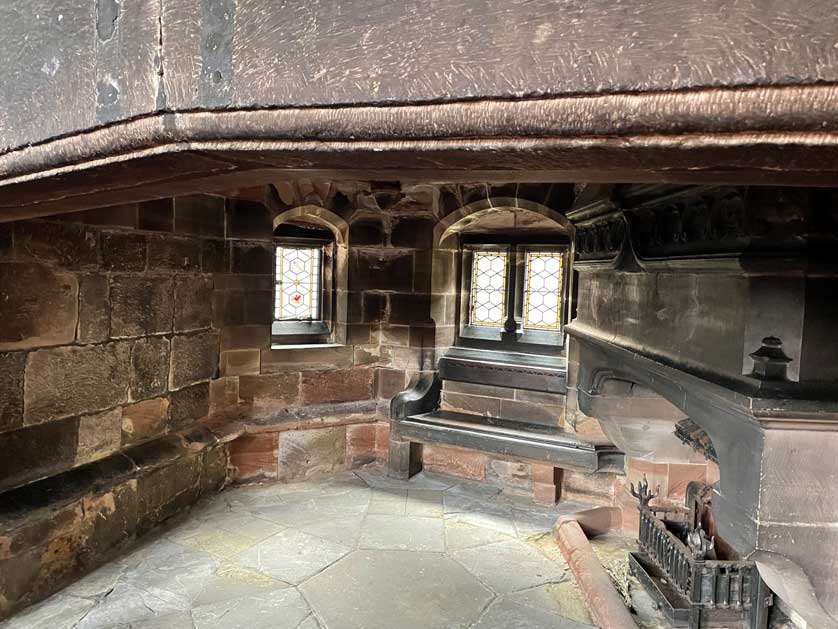
The physical structure of Chetham's Library underwent several modifications and expansions over the centuries. The most significant transformation occurred in the 19th century when the library moved to its current location within the medieval buildings of Chetham's Hospital, which had previously been a charitable institution for boys.
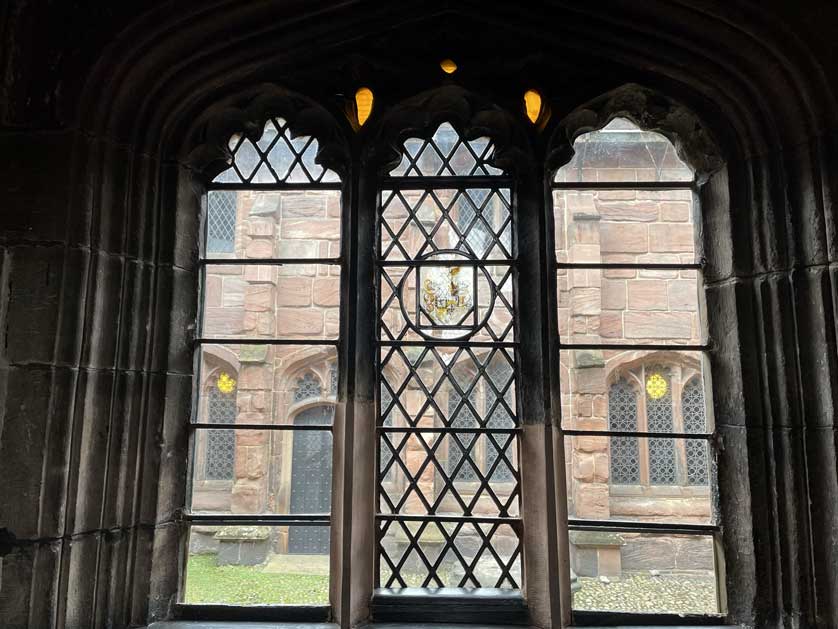
The medieval complex, with its timber-framed buildings and sandstone walls, provides a unique and historic atmosphere for the library. The oldest parts of the structure date back to the 15th century, while later additions and renovations have created a stunning architectural blend.

Collections
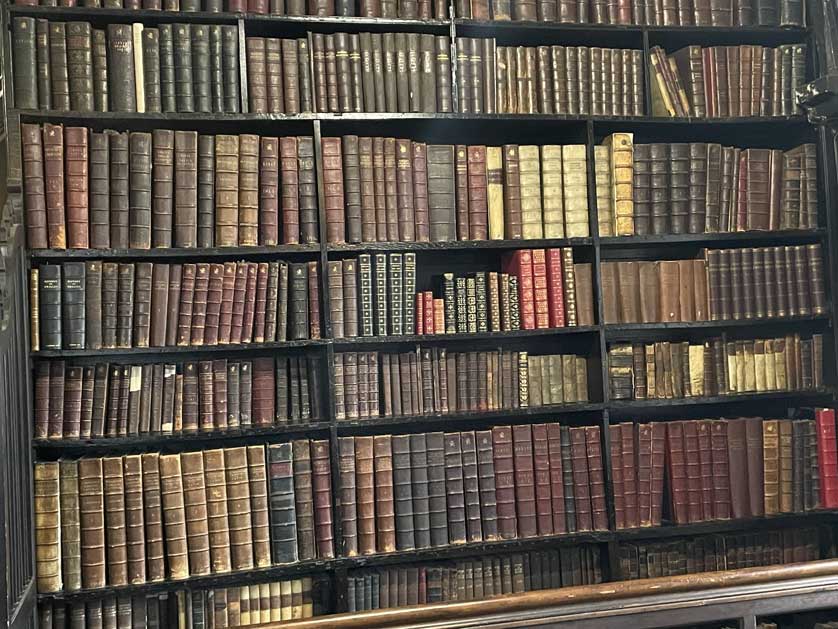
Today, Chetham's Library continues to function as a working library and educational institution. It holds more than 120,000 printed works, around 60,000 manuscripts, and an extensive collection of archival material. The library preserves a wide range of subjects, including theology, science, literature, history, and travel.
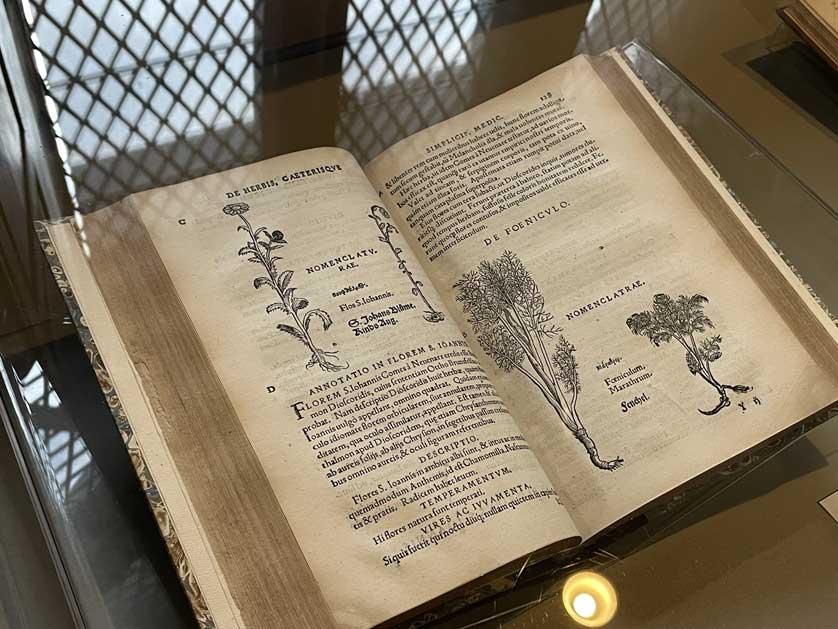
The library is home to a significant collection of incunabula, which are books printed before 1501. These early printed books are highly valued for their historical and cultural significance. The library's incunabula collection features 90 incunabula of which 30 or more were printed before 1480.
There is also an extensive collection of approximately 60,000 manuscripts, making it one of the most substantial manuscript collections outside the national institutions in the United Kingdom.
The manuscripts cover a broad range of topics, including religious texts, historical documents, literary works, scientific treatises, and personal correspondence.
In addition, the collection includes a wealth of materials related to the history of Manchester and the surrounding region. These materials consist of books, pamphlets, maps, and documents that offer insights into the local history, culture, industry, and social life of the north west. They include the oldest history of Manchester, Richard Hollingworth's 1656 autograph of Mancuniensis, and the first ever census of Manchester, compiled in 1773-74.
Access - Getting There
Long Millgate
Manchester M3 1SB
Tel: 0161 834 796
www: library.chethams.com
Hours
The library is open to readers Monday to Friday 9 am to 12.30 pm and 1.30 pm to 4.30 pm by prior appointment.
General visitors can also book a tour online at the library's website above.
Public Transport
The library is a 20-minute walk from Piccadilly Station and under 5 minutes from nearby Victoria Station.
The nearest Metrolink stop is Exchange Square.
The following buses stop nearby at either the Victoria Street or Printworks stops: 93,97, 98, 67 Salford's Reds, 67A Salford's Reds, 100 Salford's Reds; 59, 113, 135 and 41 CrossCity.
Other excellent libraries, museums and art galleries in Manchester include the Portico Library, the Manchester Museum, People's History Museum, the Greater Manchester Police Museum, the Whitworth Art Gallery and the Transport Museum.



Hotels in the North West of England
Book Hotels in Blackpool - Booking.com
Find Hotels in the Lake District - Booking.com
Search Hotels in Liverpool - Booking.com
Hotels in Manchester - Booking.com
Book Hotels in the UK - Agoda.com