White Cliffs of Dover
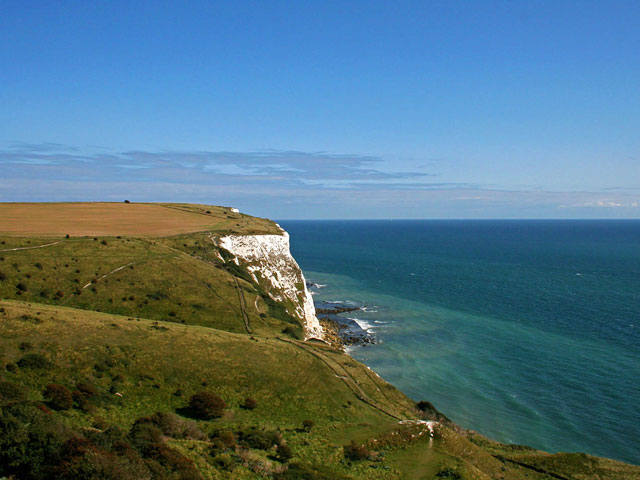
The White Cliffs of Dover are one of the most iconic natural landmarks in the United Kingdom, rising dramatically above the English Channel on the southeastern coast of England in Kent.
Stretching for about 13 kilometers (8 miles), these towering cliffs are made of chalk, a soft white limestone formed over millions of years from the remains of marine organisms. Their distinctive white appearance is a result of the high calcium content in the chalk, which contrasts strikingly with the green of the surrounding grasslands and the deep blue of the sea below.
The cliffs have long been symbolic of the boundary between Britain and the rest of Europe, offering a natural gateway to the island. They also have historical significance, often associated with pivotal moments in British history, including World War II, when they were seen as a symbol of Britain's resilience during times of conflict.
In addition to their cultural and historical importance, the White Cliffs of Dover are also a site of great natural beauty and biodiversity. The cliffs are part of the Dover and Folkestone Downs Special Area of Conservation, home to a range of wildflowers, plants, and birds, including the rare Guillemot and Kittiwake seabirds that nest on the cliff faces.
Visitors to the cliffs can enjoy panoramic views of the Channel and across to the coast of France on clear days, with the famous Dover Castle perched nearby, offering a glimpse into the region's military past.
Access
The White Cliffs are signposted from Dover port, railway station and town center. To get to Dover from London there are high speed trains from London St Pancras or slower services from London Victoria or London Charing Cross to Dover Priory. The bus terminal in Dover is on Pencester Road.
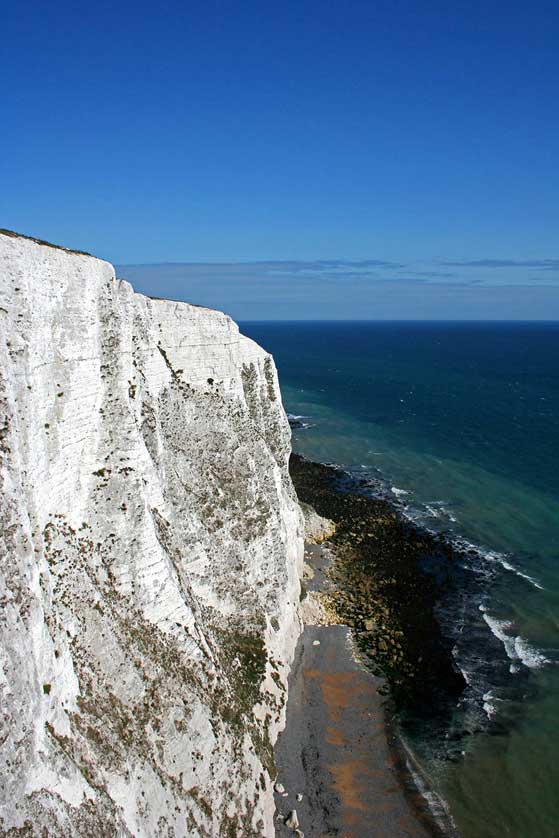
Images of Britain: White Cliffs of Dover
Hotels in the UK
Book Hotels in England - Booking.com
Find Accommodation in London - Booking.com
Search Hotels in Scotland - Booking.com
Hotels in Northern Ireland - Booking.com