Images of Britain: The University Botanical Gardens, Cambridge
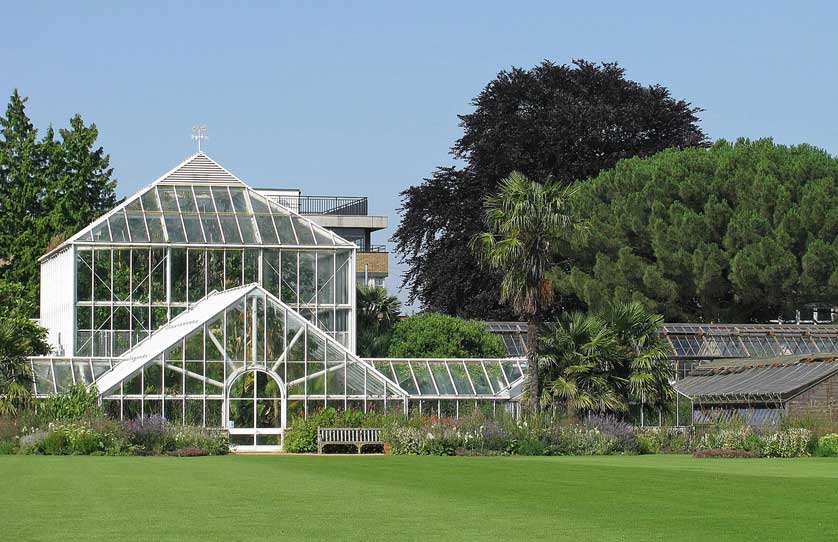
University Botanical Gardens in Cambridge are renowned with 40 acres of gardens and glasshouses presenting flowers and plants from all over the world. The University Botanical Gardens in Cambridge date back to 1846.
The present garden was founded by John Stevens Henslow, Charles Darwin's teacher at Cambridge.
The glasshouses hold around 3,000 species of plants. These include an exceptionally diverse collection of plants from across the globe, reflecting both scientific research and conservation. Visitors can explore everything from native British wildflowers to rare and endangered species, alongside carefully curated collections such as alpine plants, Mediterranean flora, and tropical specimens housed in glasshouses. The garden is also known for its systematic beds, where plants are arranged by family to support the study of Botany, making it both a beautiful and educational resource.
Additionally, the garden features a small lake, rock gardens, a woodland garden and a tree collection. The grounds also contain the Sainsbury Laboratory Cambridge University (SLCU), a research institute opened in 2011.
Interestingly, the garden once contained a cutting from the apple tree that so inspired Sir Isaac Newton. Unfortunately, it blew down in Storm Eunice in 2022.
Access - Getting There
The University of Cambridge Botanic Garden is located at 1 Brookside, Cambridge, CB2 1JE. Situated near the city center and train station, it offers two entrances: Brookside Gate (off Trumpington Road) and Station Road Gate (off Hills Road). Pre-booking is optional; tickets can be purchased at the gate.
Images of Britain: University Botanical Gardens, Cambridge
Hotels in the UK
Book Hotels in England - Booking.com
Find Accommodation in London - Booking.com
Search Hotels in Scotland - Booking.com
Hotels in Northern Ireland - Booking.com