British Nature: British Arable Land
Britain's Arable Land
Mark Brazil
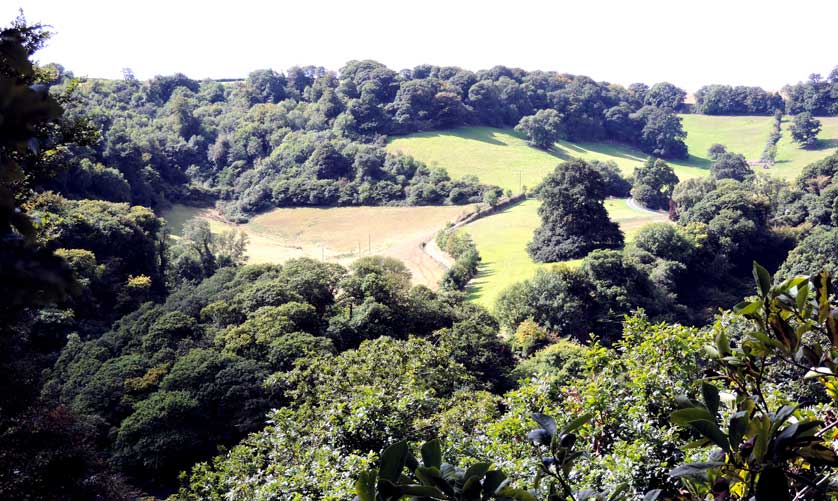
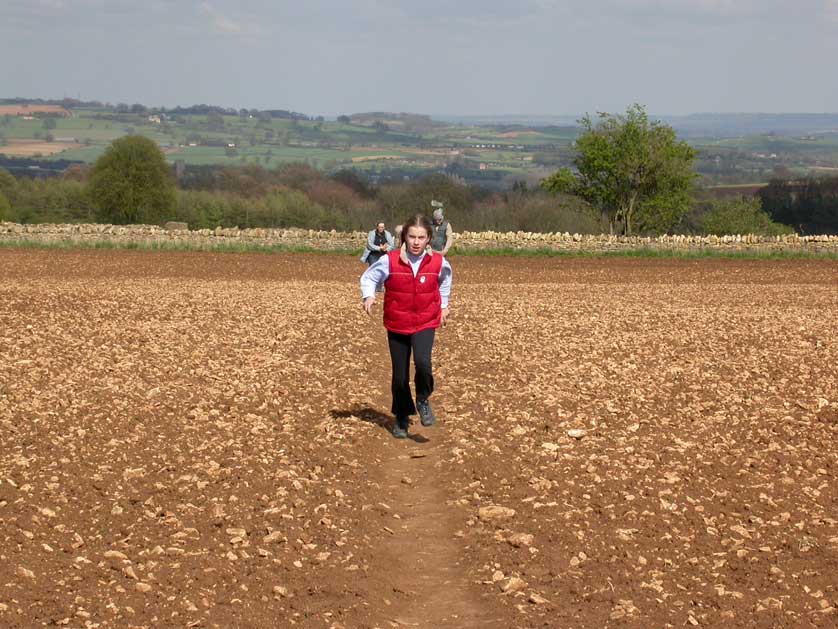
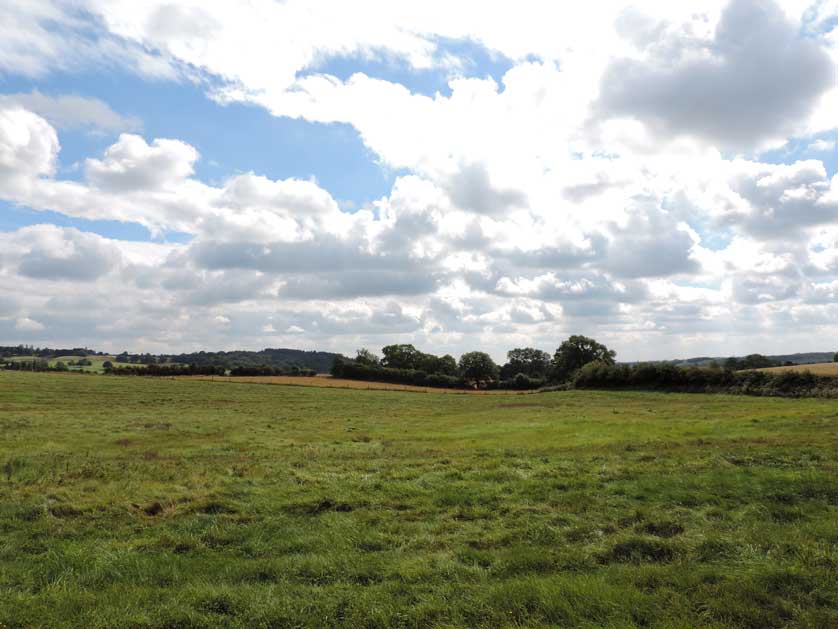
The landscapes of the seemingly crowded isles of Britain are dominated by one particular landform - agricultural or arable land. With approximately 70% of the country, amounting to over seventeen and a half million hectares under cultivation, this is the landform that whisks past our windows as we drive, or ride buses and trains from city to town and village. From the air, the countryside appears as a patchwork quilt made up of fields divided by fence lines and hedgerows and interspersed with woodlands.
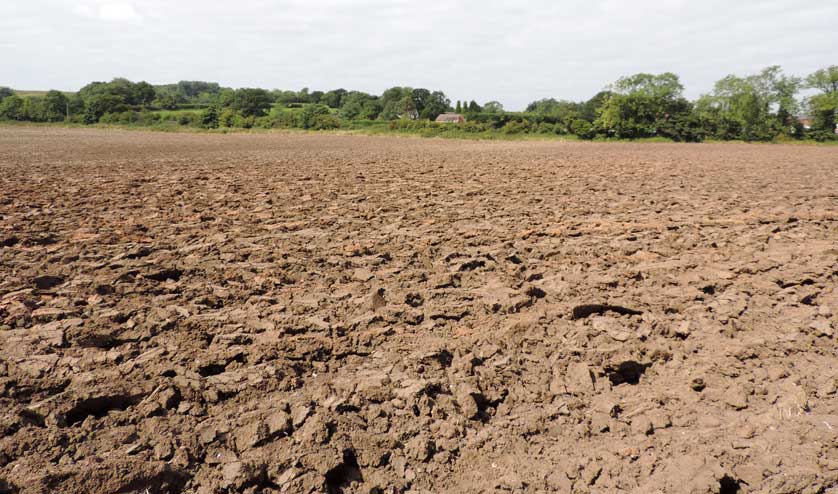
Types of Farming
Regional differences in topography, soil type and climate are the driving factors determining which kind of farming takes place in any given area of Britain, and that in turn affects the extent to which nature merely survives or actually thrives on the land.
The dominant use of arable land is for growing cereals, much of which is now wheat. Extensive areas of grassland, amounting to nearly ten million hectares, are maintained for grazing animals such as dairy and beef cattle (around three million animals) as well as about fifteen million sheep.
Indigenous Species
Increasing intensification of farmland over the last hundred years has meant that few indigenous species can thrive in the fields themselves; wild species have instead been driven to the edges, leaving roadside verges, hedgerows and field margins as linear refuges for our native species.
Plant species, such as Corn Marigold and Cornflower, were once so abundant that they were considered ubiquitous arable weeds, but now they are considered vulnerable, and keen-eyed naturalists must seek them out.

Brown Hare
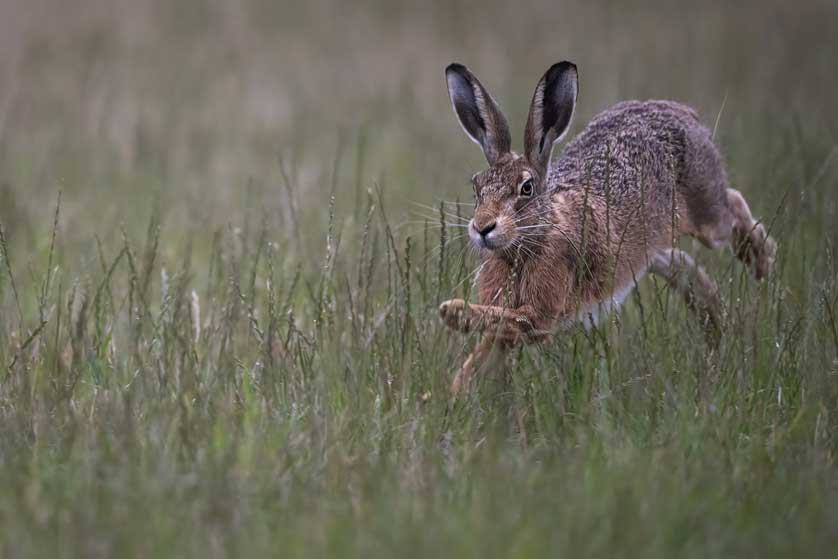
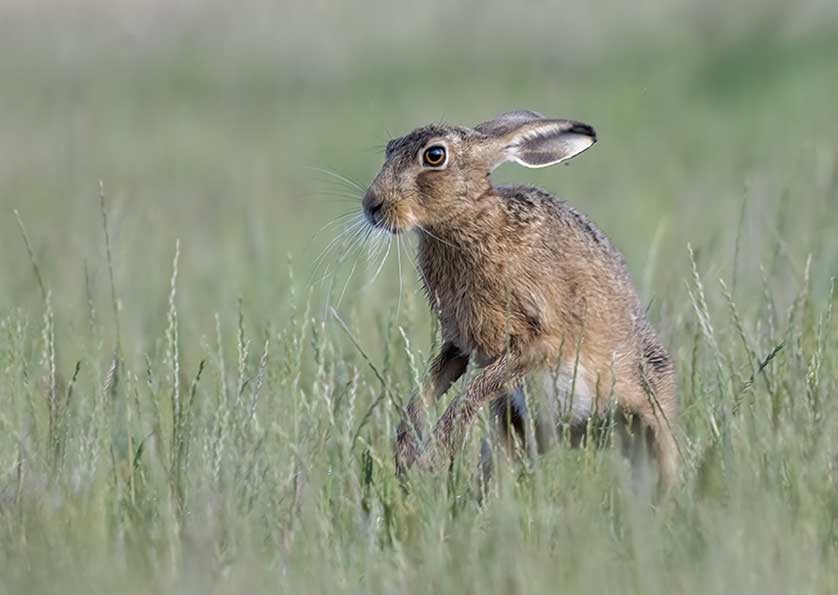
Harvesting of grain crops leaves acres of stubble and in such places, especially in winter, look out for the Brown Hare. This long-eared, rabbit-like creature, differs greatly from that species in its size (it is much larger) and in its behaviour.
Instead of living socially in extensive underground burrow systems, like the rabbit, the Brown Hare is solitary and lives permanently above ground.
Frequently seen sitting, mid-field, on its haunches, it is typically shy and nervous. It may crouch, or lie in a couchant position, but even if it appears at rest, it is ready to burst instantly from cover when disturbed.
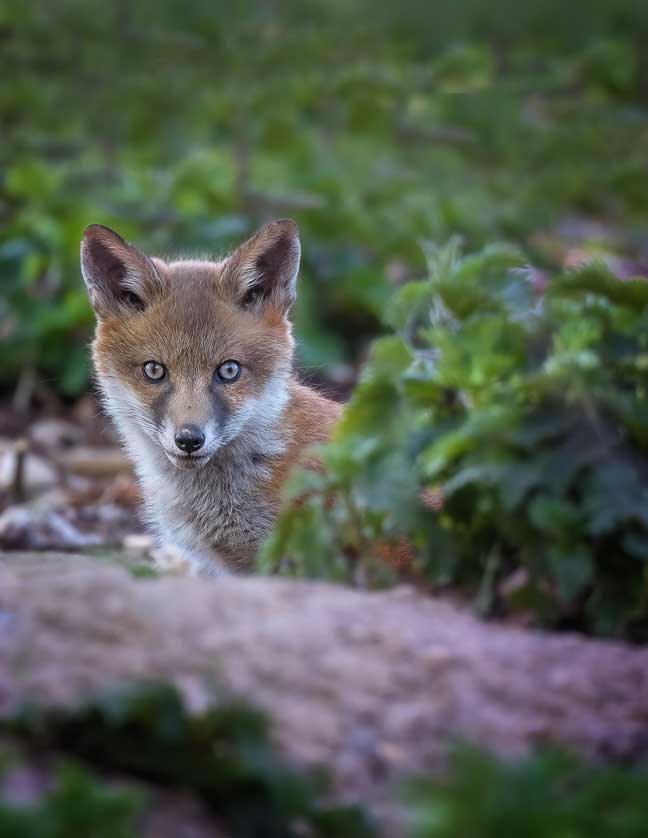
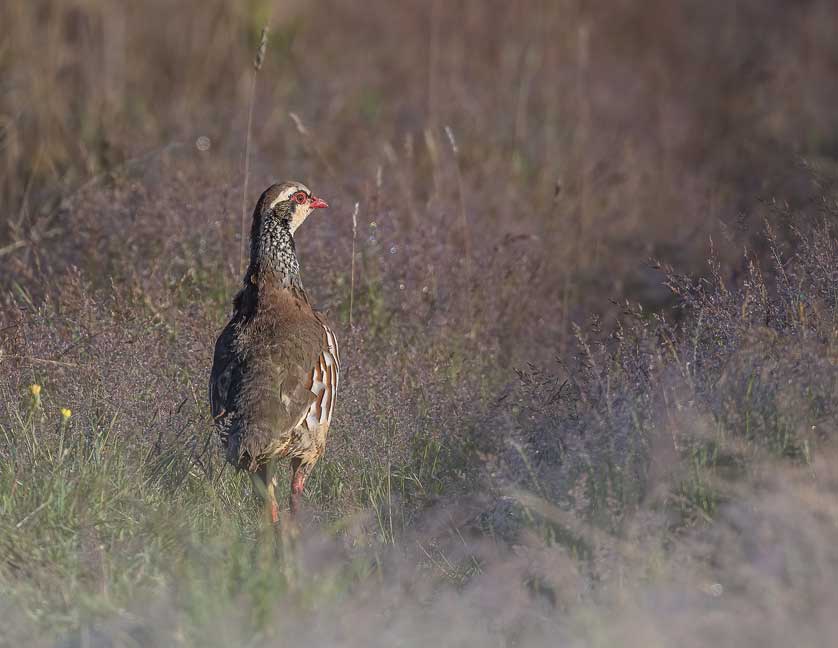
With an amazing top speed of 70 km/h, the hare is able to avoid its predators, such as the Red Fox, and unsettle any observer as it dashes away. As it runs it may startle into the air other creatures, such as the plump Red-legged Partridge or that delightful aerial songster the Eurasian Skylark.
Footpaths
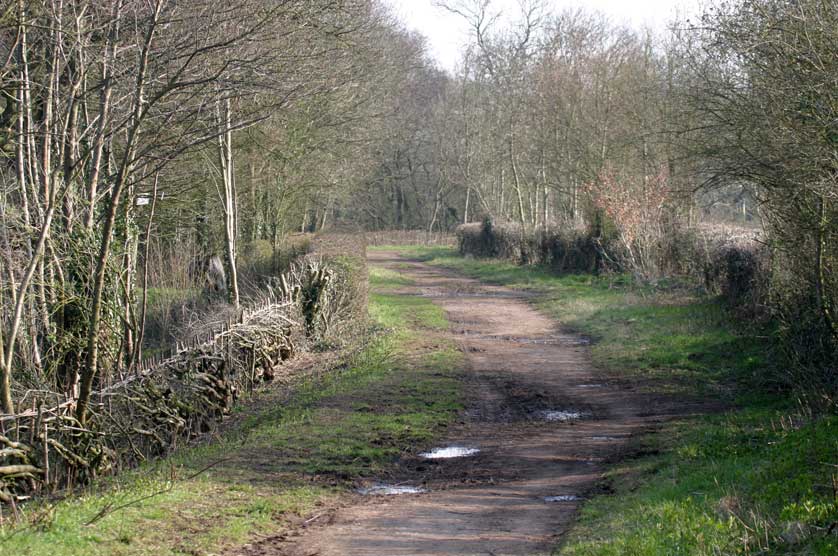
Britain's extensive network of long-established and well-mapped local footpaths penetrates through the countryside and makes it possible to wander through arable land in search of the creatures that live there (but please stay on the footpath).
The seemingly endless cascading sounds of the skylark, as it hovers in its aerial display, are like trickling waterfalls of sweet music that are a delightful accompaniment to any countryside walk.
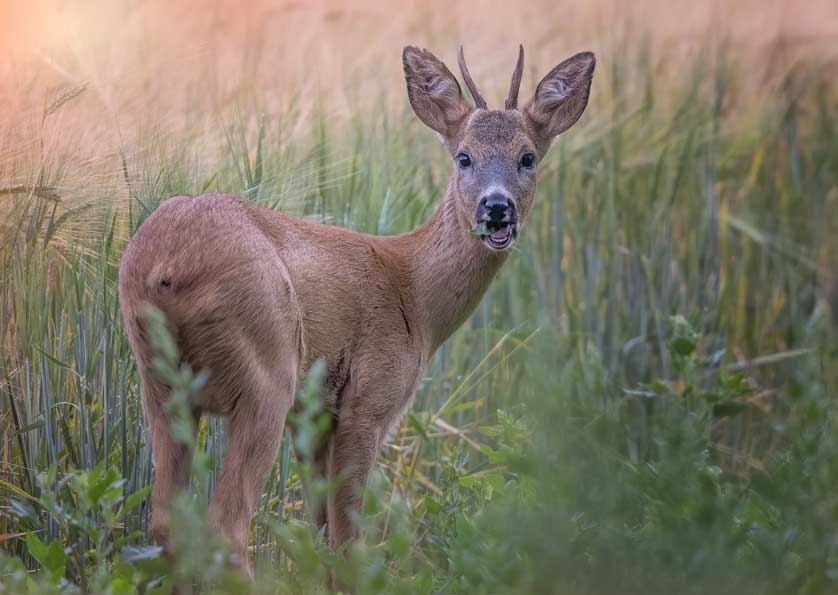
Early morning walks are most rewarding when wild animals are most active and the dawn chorus of birds is at its height. It is then that you might spot a diminutive Roe Deer.
This fleet-footed animal is found primarily in woodland, and is native and widespread throughout Britain, but also wanders onto arable land. In summer, its fur is bright, reddish-brown, whereas in winter it is a duller shade of greyish-brown. The male sports short, pointed antlers, while both male and female have black noses and white chins, and distinctive white rumps. Like many other deer species around the world, the Roe Deer raises the white hairs of the rump in alarm, making this its most memorable feature as it runs away.
Foraging Birds
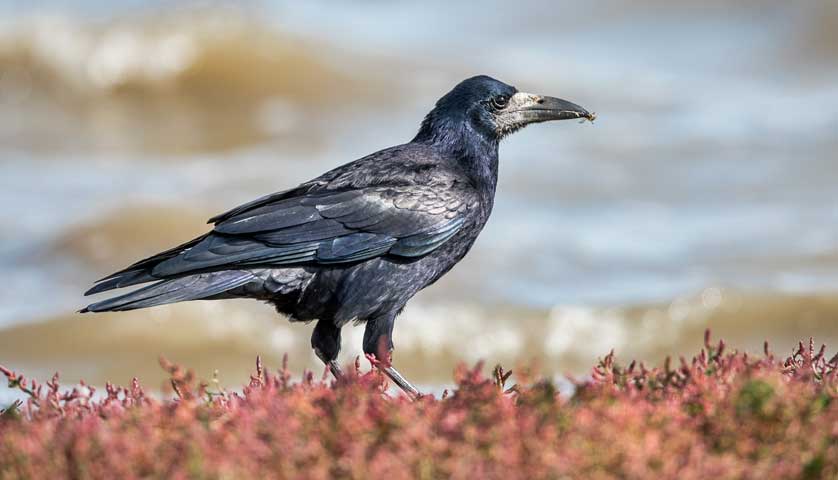
Post-harvest fields are excellent places to watch not only for deer, but also for foraging birds. In some areas, flocks of geese may clamour and congregate on migration or in winter, while in others, flocks of Rooks - the only white-faced member of the crow family in Britain - can be found in noisy gatherings, like the geese preferring areas away from the field edges.
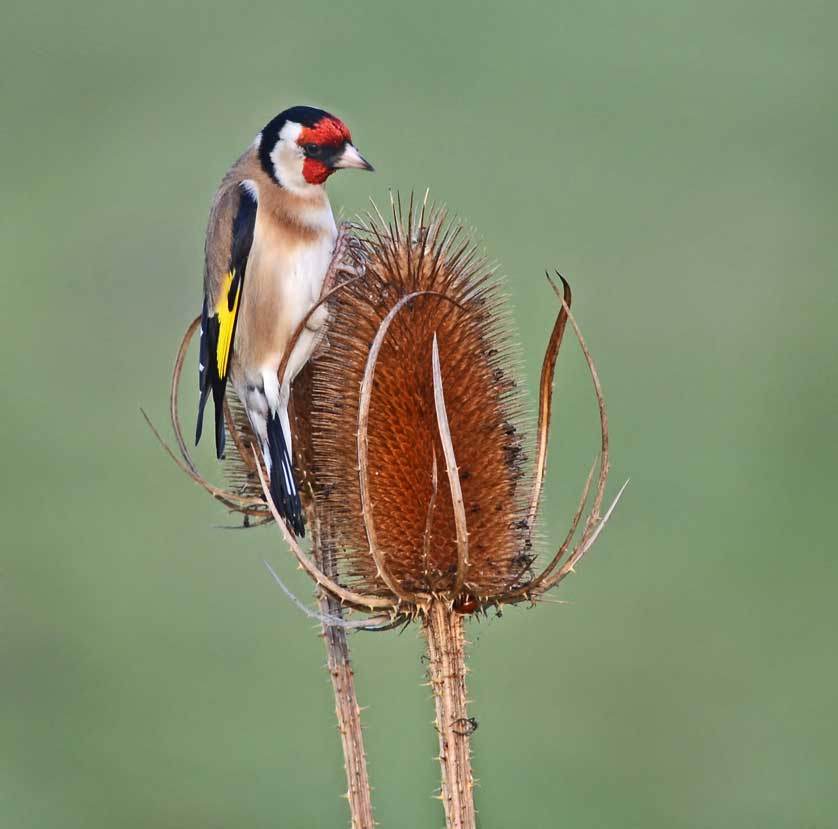
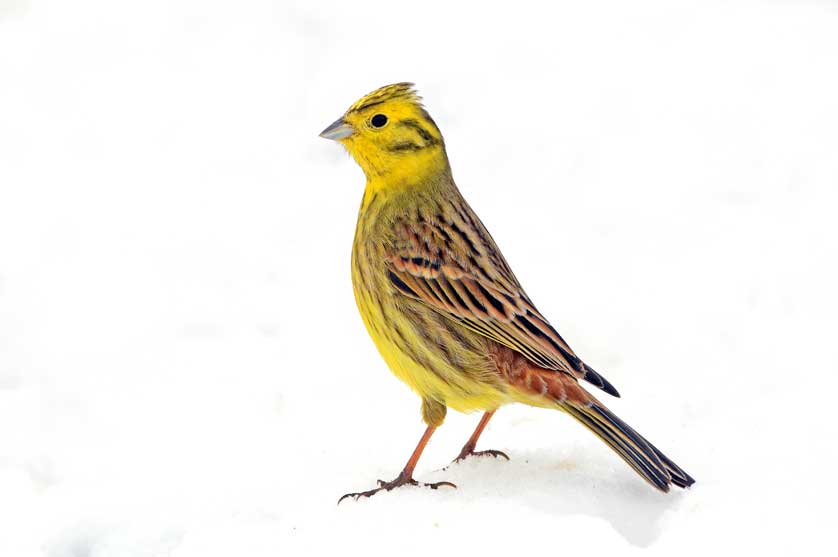
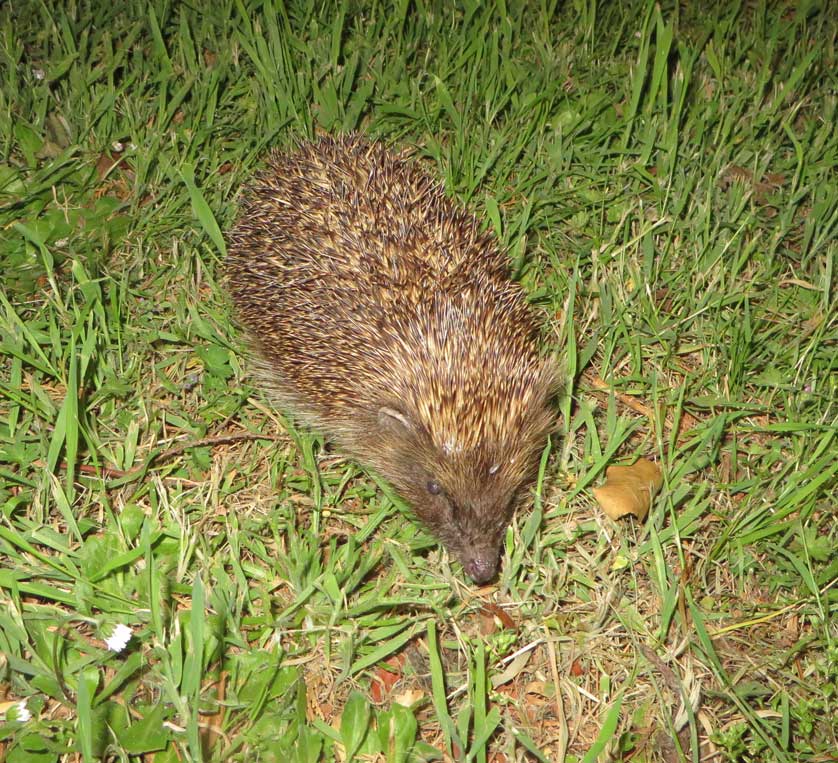
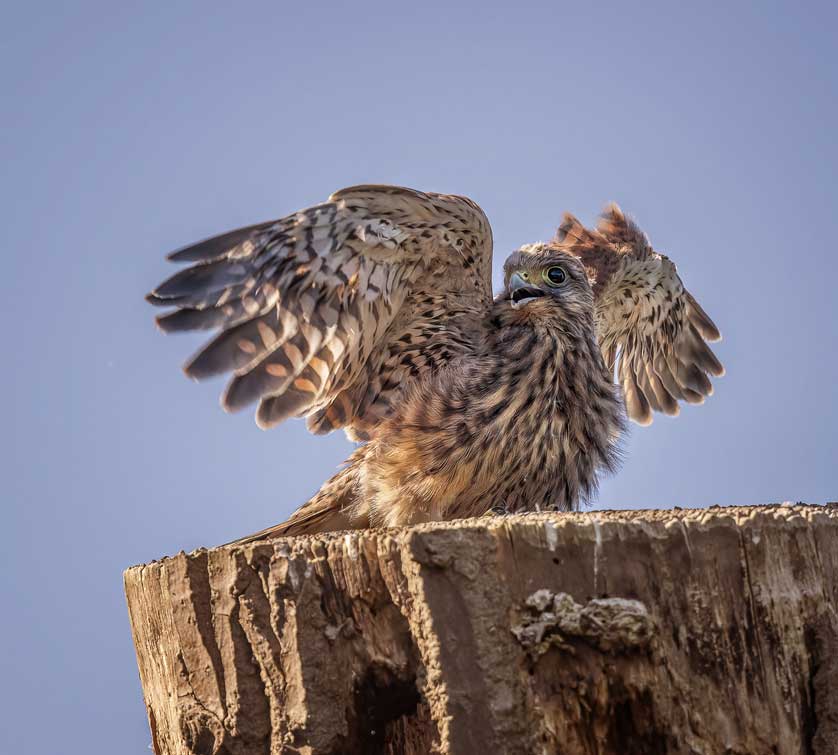
Small birds, such as Yellowhammers and European Goldfinches, favour the field margins as places to search for food. There they forage on grass seeds and teasel heads, but any bird or small rodent that lives there or in the hedgerows must keep a watchful eye for predators such as the Eurasian Kestrel, or Eurasian Sparrowhawk that may dash in to snatch them at any moment, though the prickles of the European Hedgehog keep it safe from most predators.
Night Watch
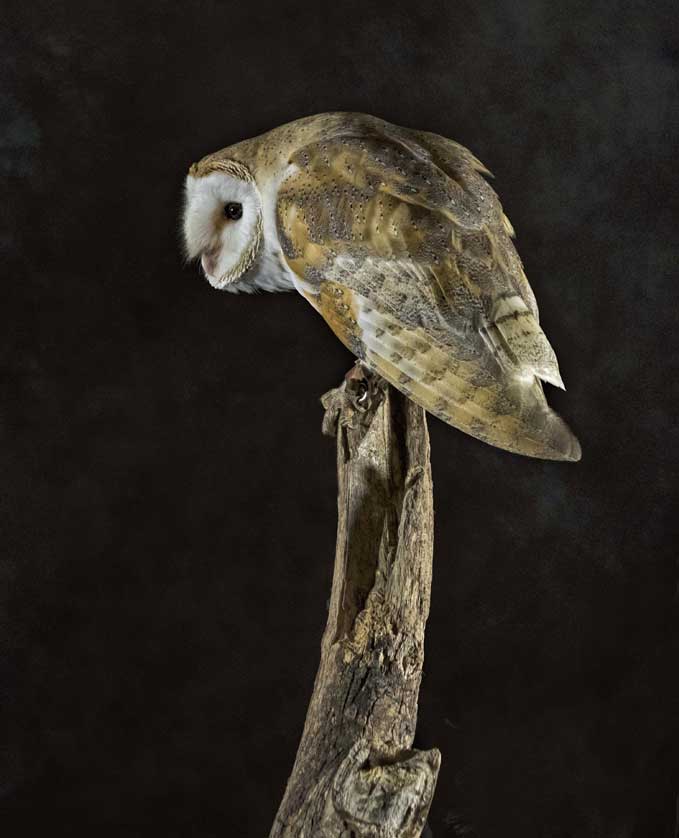
Dusk and dawn, are the times to wait for the night watch, and few sights are as stirring as witnessing a beautiful Barn Owl floating silently on its wavering route from its nesting site in an old barn or building, across arable land and along field margins and verges.
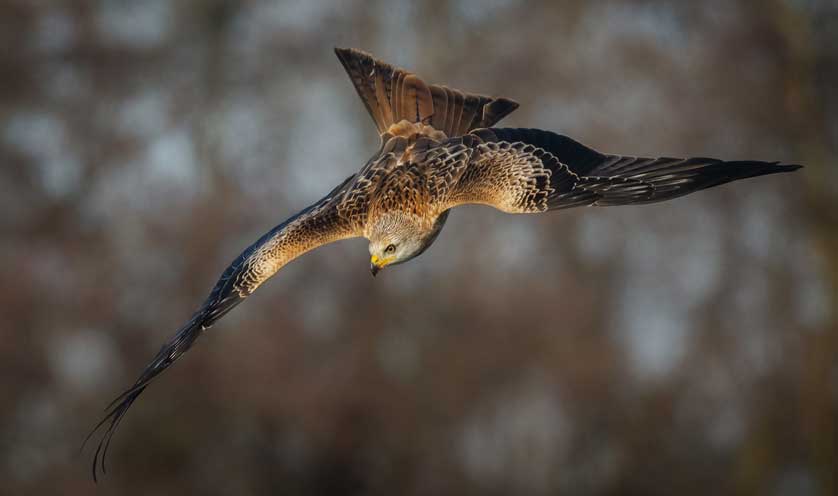
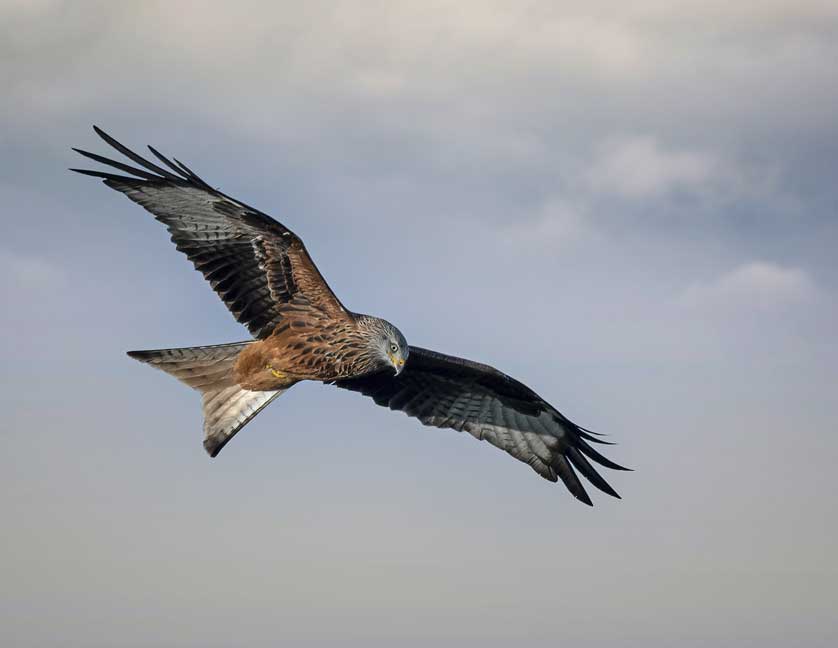
Thanks to great conservation efforts another predator, the Red Kite, has returned to the British countryside. It is thriving once more, and can be seen drifting and gliding over farmland, all the while steering by twisting its rufous tail, as it watches for food to scavenge from the open ground beneath.
Eurasian Magpie
At some times of year the hum and drone of the countryside is that of farm machinery as farmers plough, sow or harvest their fields, but at other times it is the chattering sounds of birds that is most noticeable. The boldly patterned and long-tailed Eurasian Magpie is a sociable chatterer. Its 'shak-shak-shak-shak' calls are a prominent feature of the countryside soundscape, especially as birds gather together in a flock.
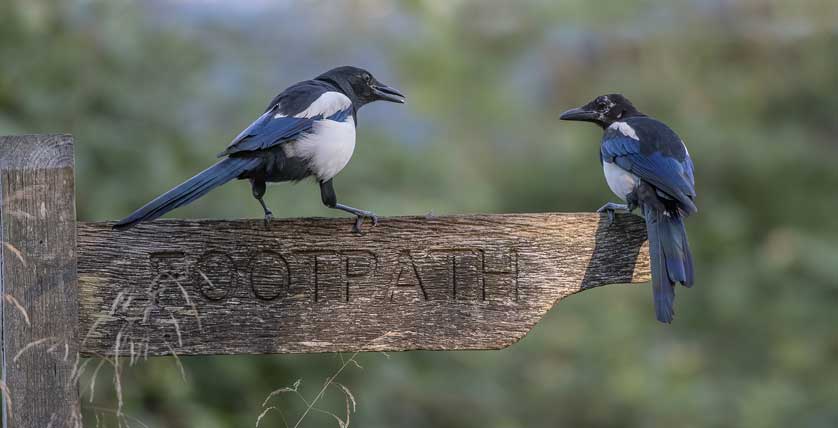
Once known simply as pie (since before the 13th century) by the 16th century it gained its prefix taken from the name Margaret. The implication being that the bird's calls resembled human chattering. The word "pied", that we use today to describe anything black and white, dates back at least 600 years and is derived from the name of this black and white member of the crow family. And this bird is the focus of both ancient superstitions, once the theme of a British children’s television programme from 1968 to 1980 called Magpie, and also a children’s nursery rhyme, which goes: One for sorrow; Two for joy; Three for a girl; Four for a boy; Five for silver; Six for gold; Seven for a secret, never to be told; Eight’s for a wish; Nine for a kiss; and Ten for a bird you must not miss.
A walk through British farmland may bring merely fresh air and exercise, but it may also deliver wildlife and wildflower sightings, delightful birdsong, and an opportunity not only to delve into the history of the landscape, but also that of folklore, television and the English language!
Gallery
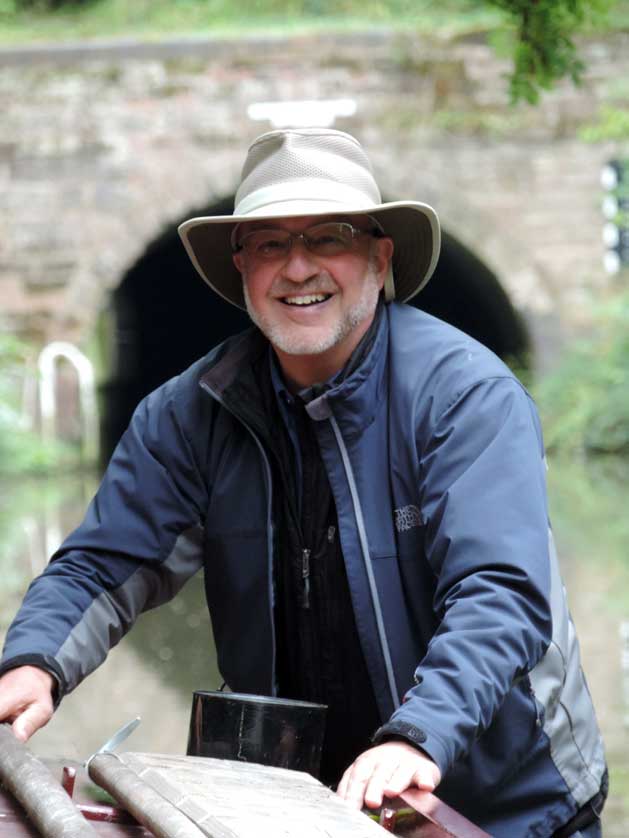
Mark Brazil, naturalist, author and expedition leader, grew up in the landlocked county of Worcestershire, but has lived in Staffordshire, Stirlingshire, Hertfordshire and Norfolk.
Among his favourite places he include the coasts and offshore islands of Britain, especially the remote isles of Scotland. Between leading expeditions internationally, and lecturing on expedition cruise ships, he currently resides in east Hokkaidō, Japan.
His most recent books are Japan The Natural History of an Asian Archipelago (2022) and Wild Hokkaidō: A Guidebook to the National Parks and Other Wild Places of Eastern Hokkaidō published in summer 2021.
Hotels in Britain
Book Hotels in Edinburgh - Booking.com
Find Hotels in Glasgow - Booking.com
Search Hotels in Orkney - Booking.com
Hotels in The Shetlands - Booking.com