British Nature: British Private Gardens
The English Garden
Mark Brazil
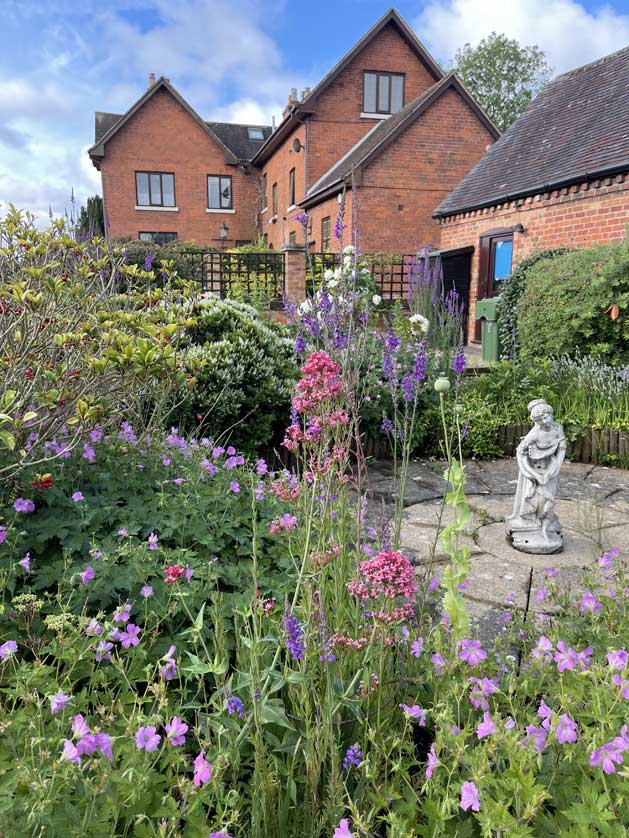
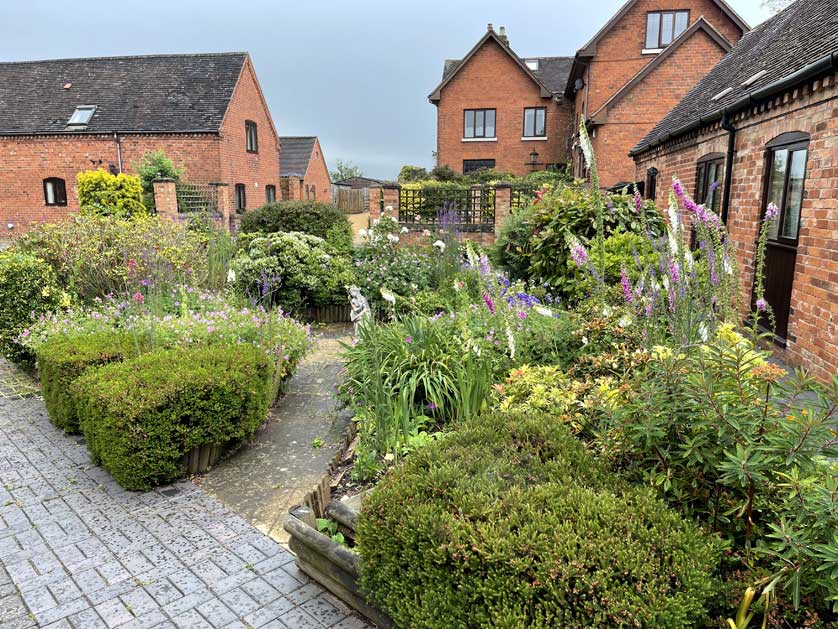
It is June and I am breakfasting in an English garden. Admittedly it is not one of the great and famous gardens of which this country can boast, but it is at least a very attractive private, pocket garden and it provides me with a restful space in which to relax and think as I recover from travel fatigue.
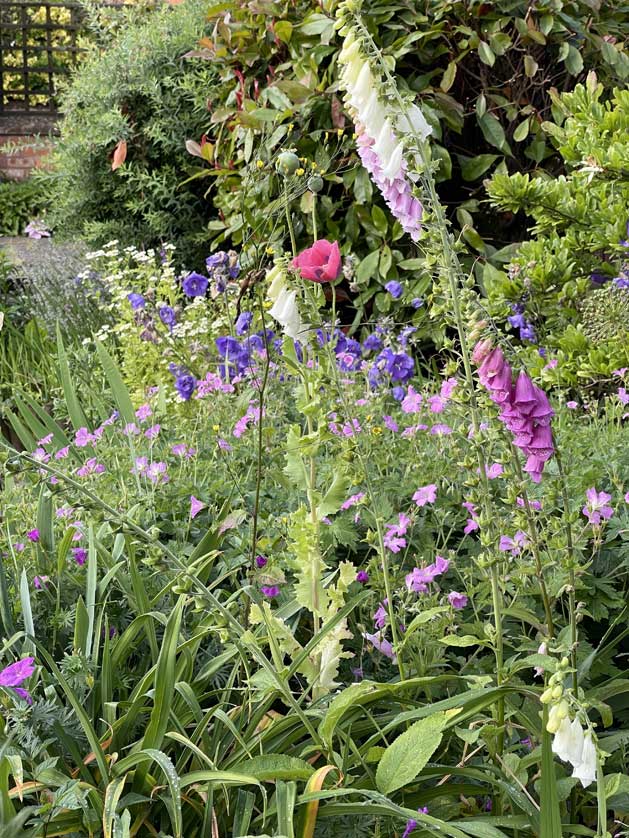
Towering foxgloves are gently nodding their pink, purple and white flower heads against the morning breeze as bumblebees visit them to sip their nectar and return the favour by providing pollination services.
Creamy azaleas, white heathers, bluish lavenders, red valerians, purple irises and yellow daffodils, each in their season, splash their colours across this little landscape in miniature and stand against a backdrop of low, manicured evergreen shrubs.
To one side stands a magnificent, potted Japanese cut-leaf maple, known affectionately as the grand-dad tree after the now deceased family patriarch, and all around rise sun-warmed red-brick walls, making this a little haven out of time.
Bird Song
As I admire this short range Worcestershire view, the bells of the nearby village church chime the hour, then provide a tintinnabulation as local campanologists practice their Sunday morning bell ringing patterns.
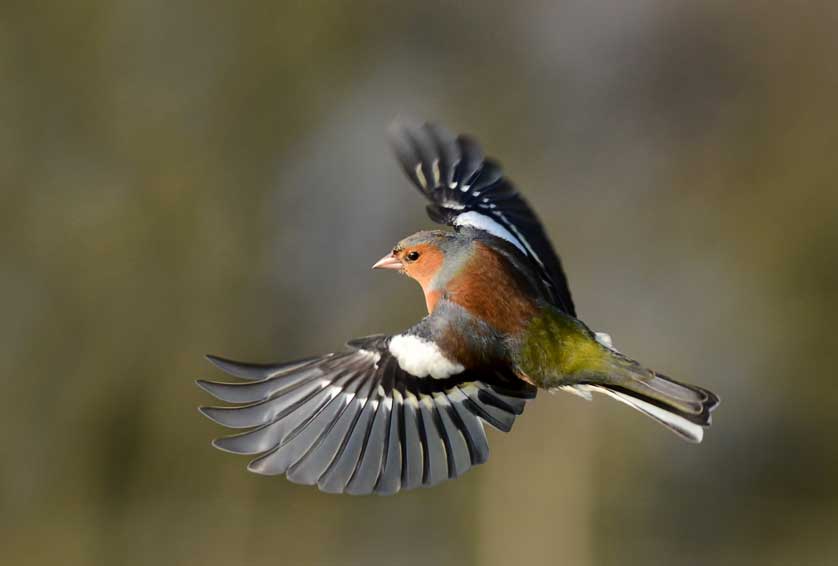
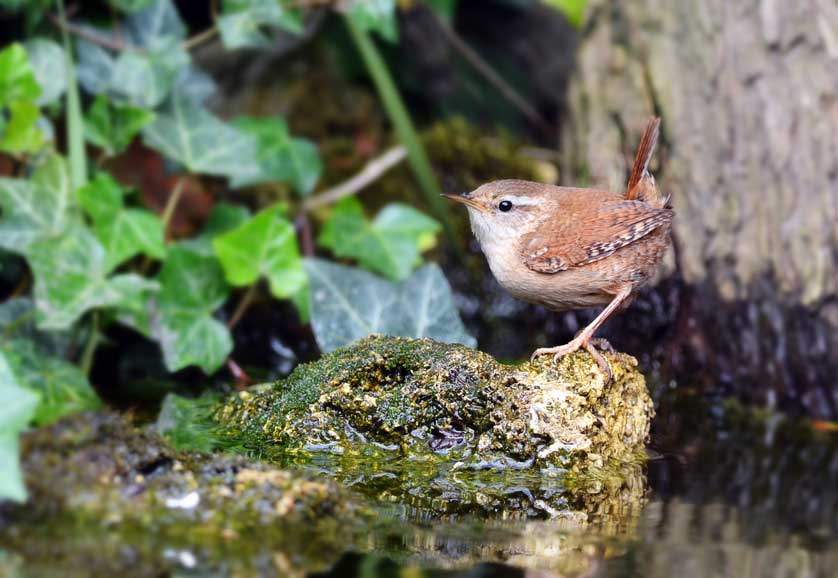
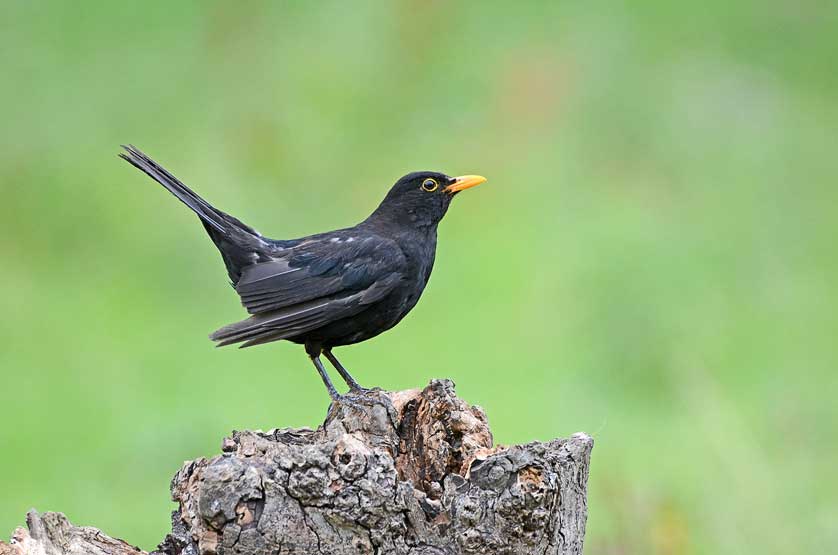
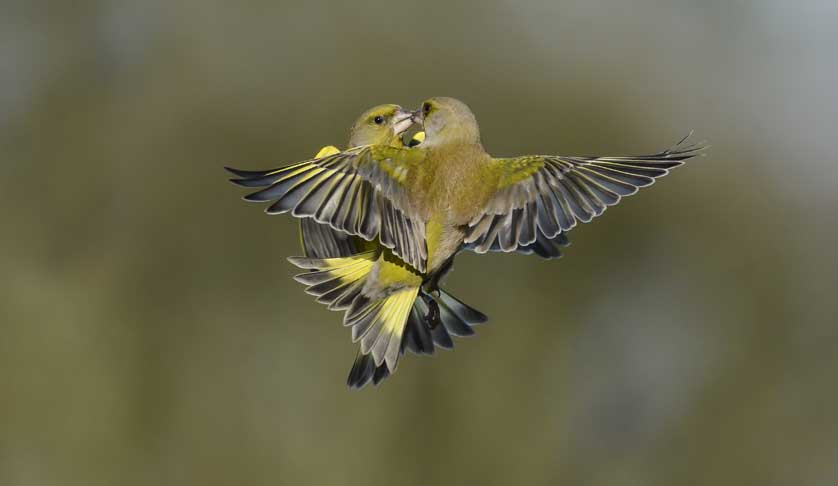
Undeterred by the metallic pealing of the bells a wren sings somewhere off stage, a pair of jackdaws give their distinctive chack calls from the rooftop, magpies shreep, goldfinches tinkle, a bulky woodpigeon swoops low overhead, and a blackbird delights me with its mellifluous song.
Family Gardens
The very many great English gardens, including such as those at Biddulph Grange, Staffordshire, Blickling Estate, Norfolk, Studley Royal Water Garden at Fountains Abbey, Yorkshire, are widely touted and justifiably much visited for their grand scale and wonderful vistas.
However, the greatest acreage of gardens in England is made up of small, even tiny, gardens like this one - where I now sit sipping coffee. It is one of a multitude of private gardens backing, fronting or surrounding private houses and blocks of flats. In such spaces birds and other wildlife can be found - they may even thrive - and people can relax.

Patches of Paradise
Some of these small gardens are now almost sterile, patched and paved with gravel or concrete and reduced over time to parking spaces for private vehicles.
Other small gardens have mere scraps of scraped grass lawns and a few potted plants. Nevertheless, many private gardens are as lovingly tended as personal artworks, with the focus on their seasonal colourful flowering or on productive vegetable patches providing a homegrown taste at meal times.
Individually owned and tended, these personal patches of paradise collectively represent a vast habitat across the country and bring foliage, colour and aspects of nature into the suburban and urban landscape.
Garden Species
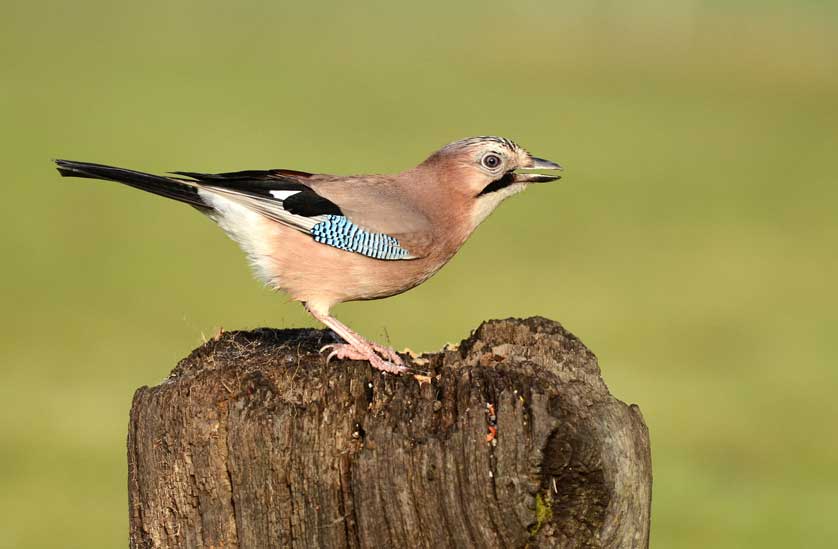
Together with street tree plantings, street side flowerbeds and occasional urban parks, it is these home gardens that make up a vast unorganised and widely varying habitat much of which is colonised by an array of common and even less common species.
Welcome Guests
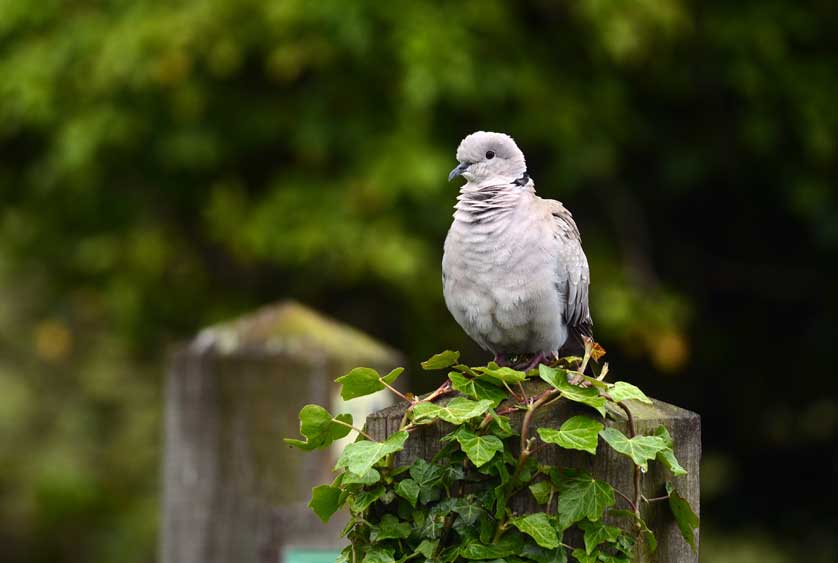
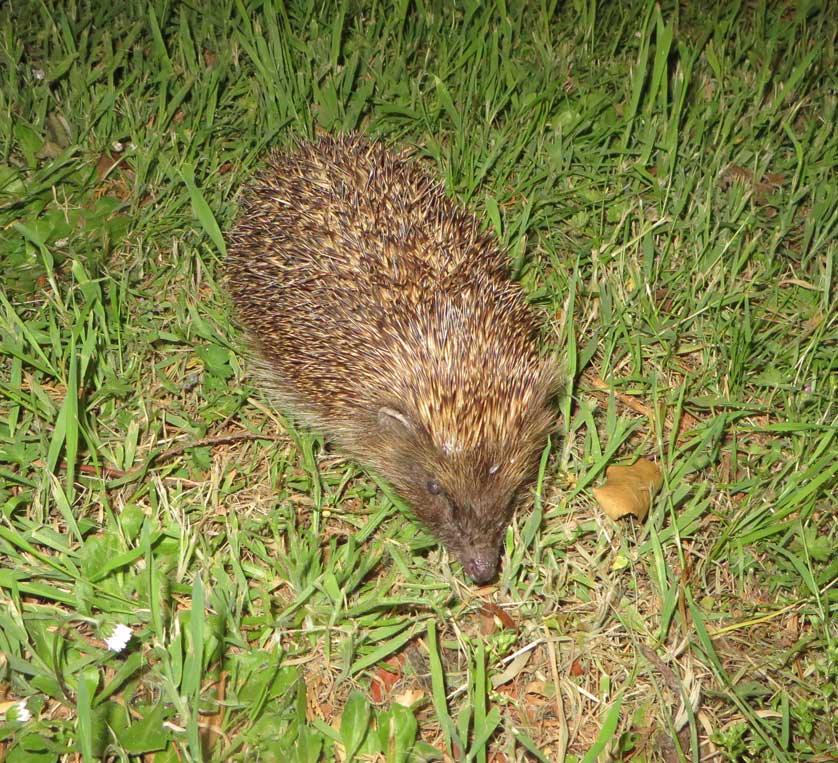
Wildlife will find its way into any kind of garden, but wildlife gardeners plan theirs specifically to attract as many species as possible by providing the very plants that insects such as butterflies prefer, or by providing food and safe nesting sites for bees, hedgehogs and birds.
Some lucky wildlife gardeners have enticed native badgers to incorporate their gardens into their home ranges and have the bonus of being able to watch local badger family members on patrol on many an evening.
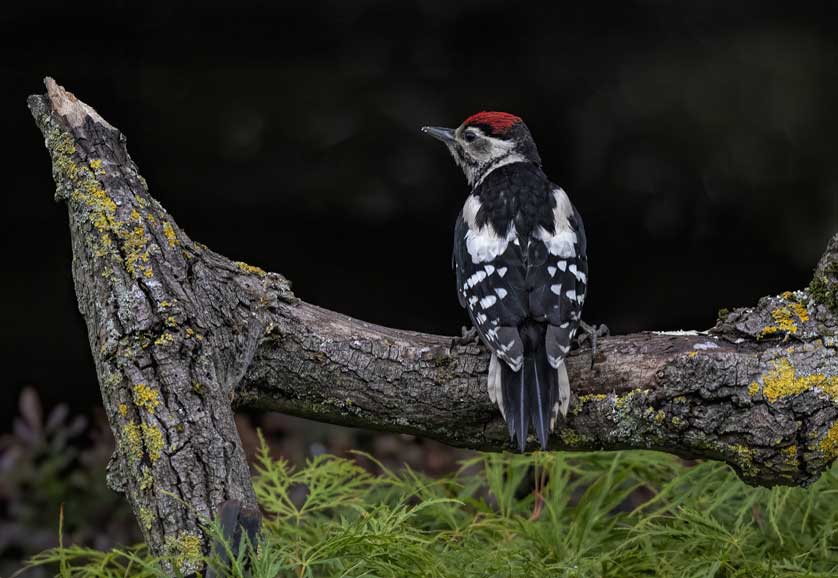
Feeding garden birds is a truly huge hobby in the UK, with half of all British households providing food for birds, and in the process attracting more than 130 species to gardens.
Passionate gardeners build or buy feeders, bird baths and nest boxes. Stocking those feeders with bird food has developed into an industry that is now worth £200-300 million a year.
For many garden watchers the birds that are attracted to their garden feeders provide them with nourishing contact with the natural world and offer endless entertainment.
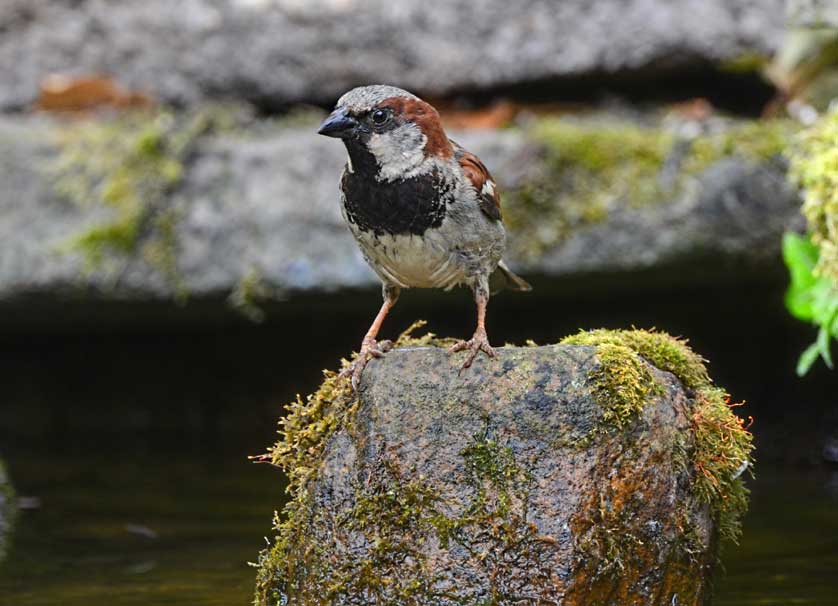
Lifesavers
It is estimated that nearly 90% of households in the UK have gardens, amounting to 23 million separate gardens covering an area that exceeds 4,330 km².
In England alone, the area of gardens is more than four times the area of our National Nature Reserves, making gardens an enormous, nationally significant, habitat resource.
These private gardens vary enormously in size, but average about 190 m² with the larger gardens containing more and larger hedges, trees and shrubs, while many small gardens have compost heaps and ponds, making them excellent homes for local wildlife.
There are approximately 30 million trees, seven million nest boxes, and more than three million ponds in British gardens providing living spaces to countless individuals of a vast range of species.
The number of garden ponds in particular greatly exceeds the number of natural countryside ponds left in Britain so for aquatic life they are a lifesaver.
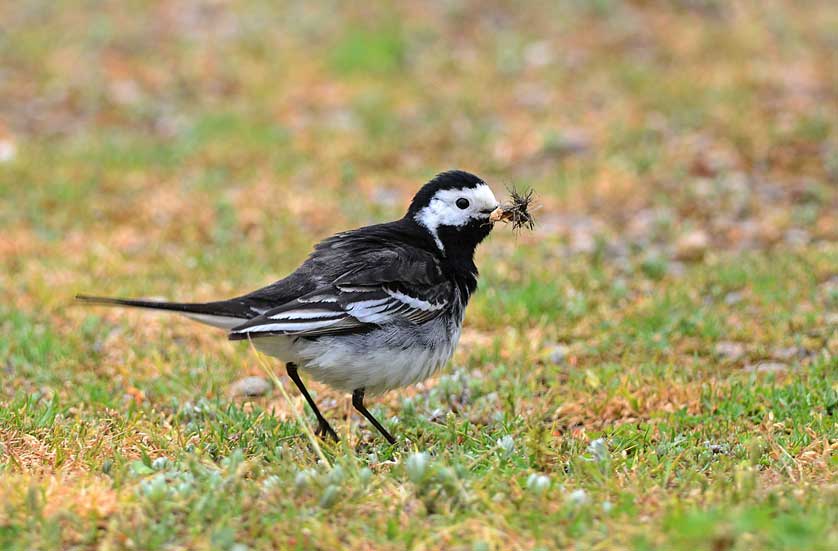
Gardens & Health
With gardens contributing approximately 50% of urban green space, they are not only an important habitat resource for thousands of species, but they also support human health and wellbeing.
In the UK, The National Trust has a membership base of more five million; it owns almost 2,500 km² of land, 1,255 km of coast, more than 400 historic houses, castles, chapels, industrial monuments, mills, lighthouses, villages and medieval barns, and it cares for more than 200 gardens and parks.
If you are looking for a garden-focused holiday or an outing nearby or nationally, your very best starting point is to visit nationaltrust.org.uk/gardens-and-parks
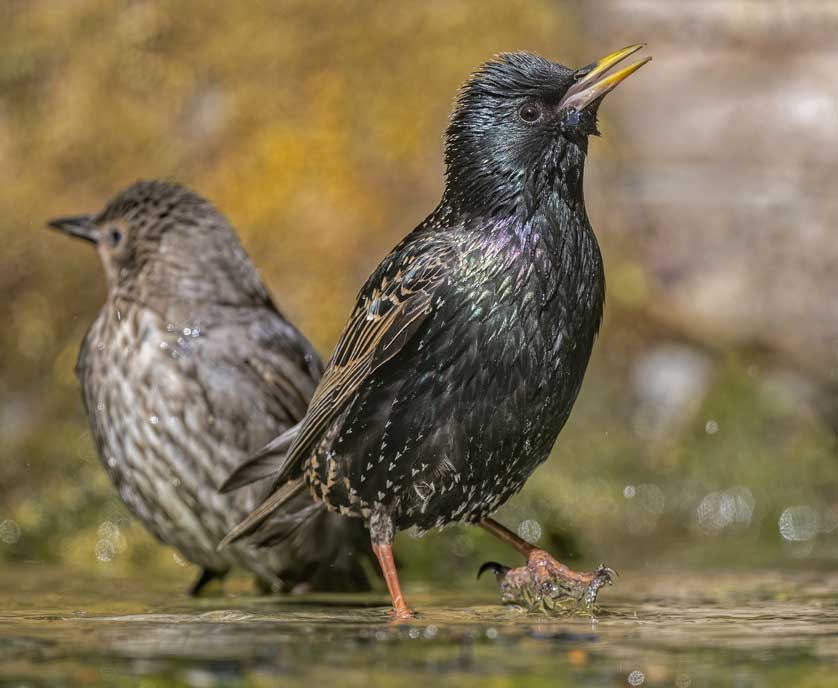
Gallery
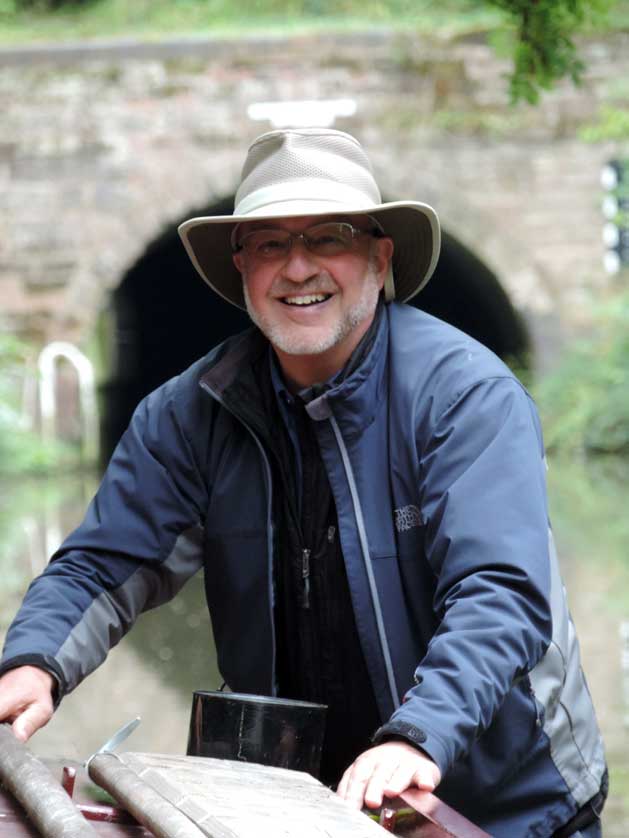
Mark Brazil, naturalist, author and expedition leader, grew up in the landlocked county of Worcestershire, but has lived in Staffordshire, Stirlingshire, Hertfordshire and Norfolk.
Among his favourite places he include the coasts and offshore islands of Britain, especially the remote isles of Scotland. Between leading expeditions internationally, and lecturing on expedition cruise ships, he currently resides in east Hokkaidō, Japan.
His most recent books are Japan The Natural History of an Asian Archipelago (2022) and Wild Hokkaidō: A Guidebook to the National Parks and Other Wild Places of Eastern Hokkaidō published in summer 2021.
Hotels in Britain
Book Hotels in Edinburgh - Booking.com
Find Hotels in Glasgow - Booking.com
Search Hotels in Orkney - Booking.com
Hotels in The Shetlands - Booking.com