List of National Parks in the UK
National Parks in the UK
Altogether there are 15 National Parks in the UK: 10 in England, 3 in Wales and 2 in Scotland. In England National Parks cover 10% of the country's land area, in Wales they cover 10% and Scotland 7.3% of the land area.
England
- Peak District
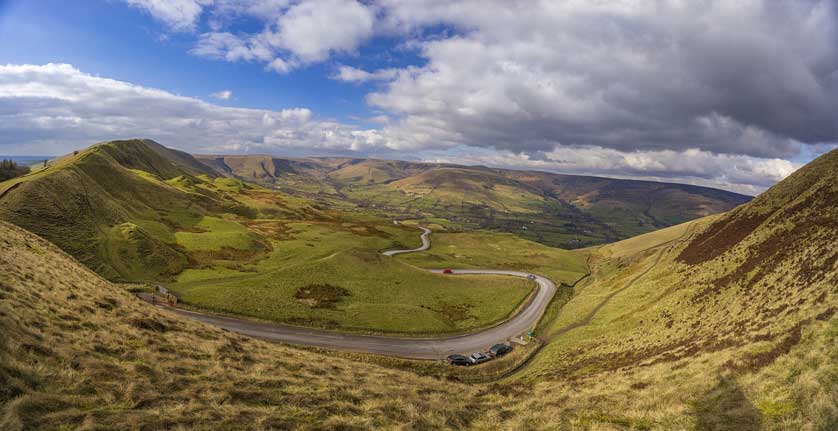
The Peak District lies mainly within northern Derbyshire but is also covers parts of Cheshire, Greater Manchester, Yorkshire and Staffordshire. The Peak District, established in 1951, was the first national park to be designated as such in the United Kingdom.
The landscape in the Peak District consists mainly of rounded hills and gritstone escarpments. The park can be easily accessed from the large urban areas of Manchester, Stockport, Sheffield, Leeds, Derby and Nottingham. This makes it one of the most visited wilderness areas in the country.
Some of the highlights of the area in and around the Peak District include Mam Tor, Hope Valley, Winnats Pass, the spa town of Buxton (just outside the park), Castleton, Bakewell, Edale and Eyam with Eyam Hall and the Parish Church of St Lawrence.
The two historic stately homes of Chatsworth House and Haddon Hall are both within the park.
Both the Blue John Cavern and Speedwell Cavern are popular tourist attractions, especially in summer.
Edale Station has trains from Sheffield and Manchester Piccadilly on the Hope Valley Line.
- Lake District
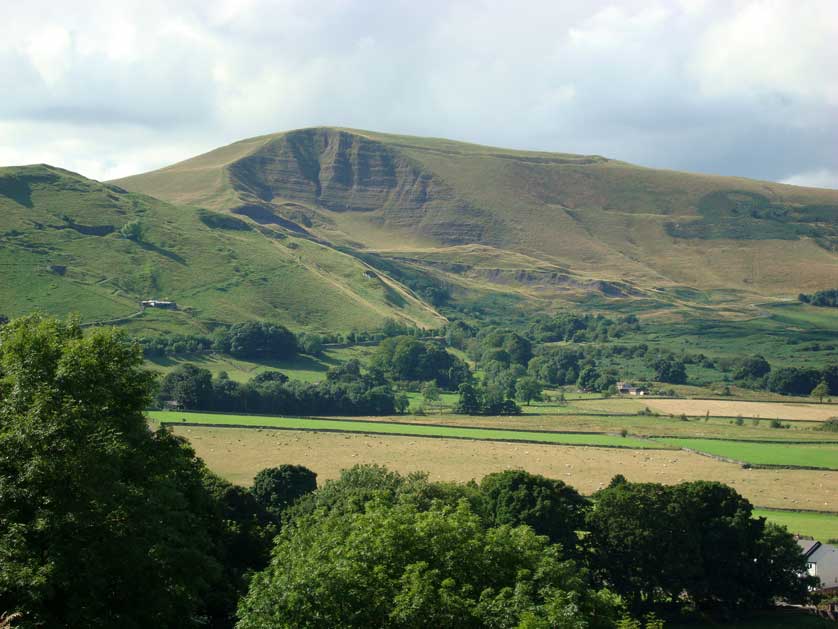
The Lake District is a popular holiday destination due to the beauty of its lakes, forests and mountains. The park is famous for its associations with the nineteenth century poet, William Wordsworth. Located in the county of Cumbria, the park contains not only the highest mountain in England, Scafell Pike, but also the longest lake in England - Windermere Lake and its deepest lake - Wastwater.
An incredibly picturesque, alpine-like region of lakes, mountains and valleys - interspersed with quaint villages, hideaway pubs, whitewashed farms and rustic hotels - the Lake District is England's most high profile destination for outdoor pursuits.
Millions of visitors come each year to hike, bike and cruise the waters. There's also plenty of culture on offer, with the lake land literary trail connecting the celebrated museums, houses and sites associated with such luminaries as William Wordsworth, Beatrix Potter and Arthur Ransome.
A must-visit attraction is William Wordsworth's Dove Cottage. This quaint whitewashed home near Grasmere was Wordsworth's first home in the Lake District, where he stayed between 1799 and 1808. Another interesting museum is the Derwent Pencil Museum in Keswick.
Lakeside and Haverthwaite Railway is another popular attraction, especially with children.
Running along part of former branch line of the Furness Railway which closed to all traffic in 1967 (passenger traffic ceased two years earlier), the line reopened as a heritage railway in 1973.
Lancaster is a main railway station to the south of the Lake District whereas Carlisle is the major rail station to the north.
- Dartmoor
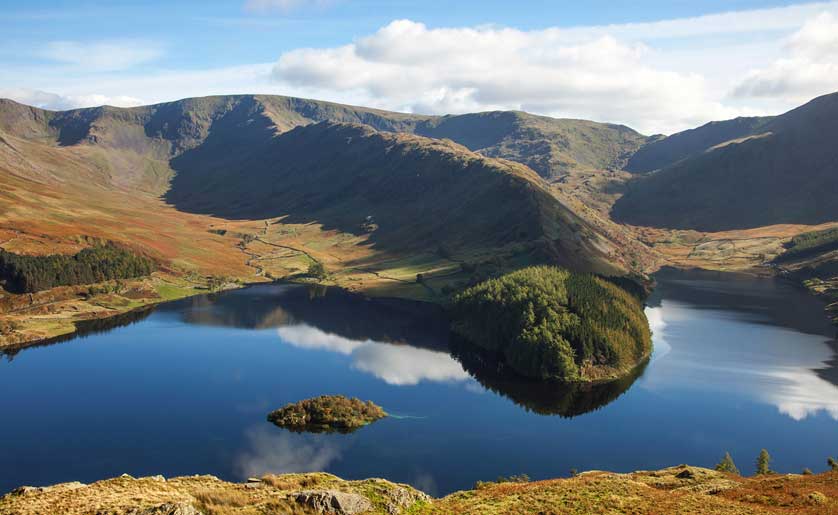
Dartmoor National Park is a 954 square kilometers wide expanse of moorland located in Devon, England.
The exposed granite hilltops called tors are lovely to behold and provide habitats for moorland wildlife. This park includes the largest area of granite in England with nearly 625 square kilometers at the surface level. Exeter is a great base to explore the park.
Dartmoor is known for its lichens and wild flowers: bluebells, foxgloves, orchids, cowslips, dog violets, flax, sedge, rush and lily can all be found on the moor.
Other attractions include Widecombe Church in Widecombe, known as the "Cathedral of the Moor" due to its large size in such a small village on Dartmoor. The Dartmoor Prison Museum is also of interest and charts the 200 year history of one of Britain's most famous prisons. Buckfast Abbey is still an active Benedictine monastery and dates back to 1018. It produces Buckfast Tonic Wine, a fortified wine, known for its potency.
Ashburton is the largest settlement and other towns and villages in Dartmoor include Buckfastleigh, Chagford, Christow, Horrabridge, Moretonhampstead, Princetown, South Brent and Yelverton.

- North York Moors
North York Moors National Park, situated in North Yorkshire, contains one of the largest areas of heather moorland in England. Established as a national park in 1952, it has become an attractive and enjoyable tourist destination.
The park comprises over 1,400 miles of moorland, pine forests and rolling hills. Many kinds of wildlife such as badgers, deer and hawks can be found within the park. From York there are several bus tours which explore the area.
Walks on the moor include the Cleveland Way, which circles the moors, the Lyke Wake Walk, which runs through the centre and the White Rose Way from Leeds to Scarborough.
Cycling, horse-riding and mountain biking are all popular activities in the park.
Attractions include the ruined Byland Abbey, Helmsley Castle and the popular North Yorkshire Moors Railway.
The historic port of Whitby and the resort of Scarborough are both just outside the designated National Park area. Either makes a good base for for further exploration.

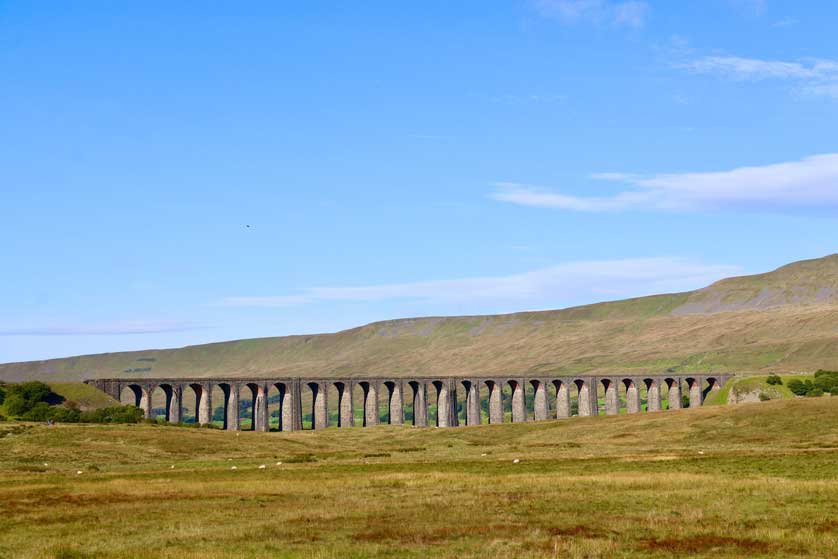
- Yorkshire Dales
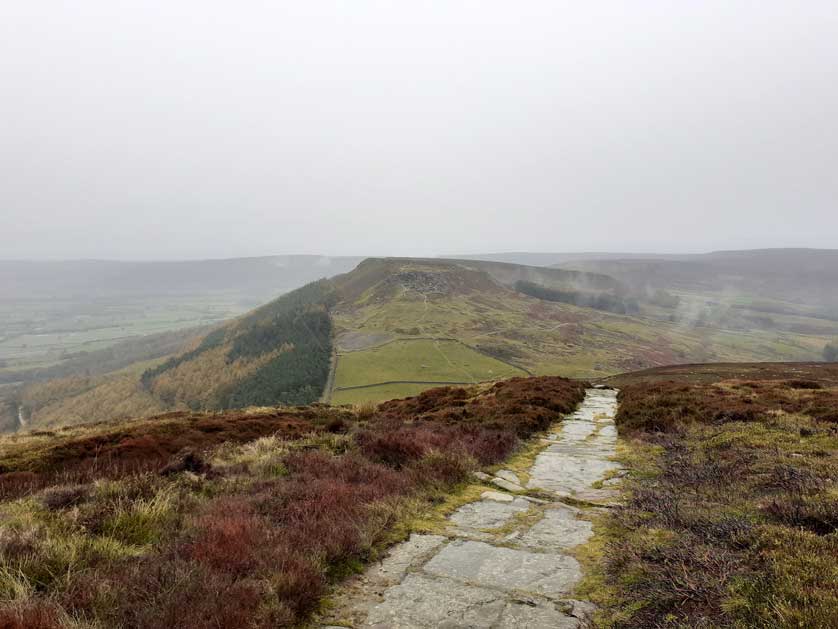
Yorkshire Dales National Park was established in 1954 and is located in the upland area of Northern England.
There is a collection of river valleys, heather moorland and rolling hills to be enjoyed. Moreover, extensive cave systems are present throughout the park, making it one of the most famous caving areas in the UK.
There are several well-established walking routes here: the Coast to Coast Walk, the Dales Way, the Pennine Way and the Pennine Bridleway.
Attractions include the 14th century Bolton Castle, the Kisdon Force falls, Ribblehead Viaduct and the Gaping Gill cave.
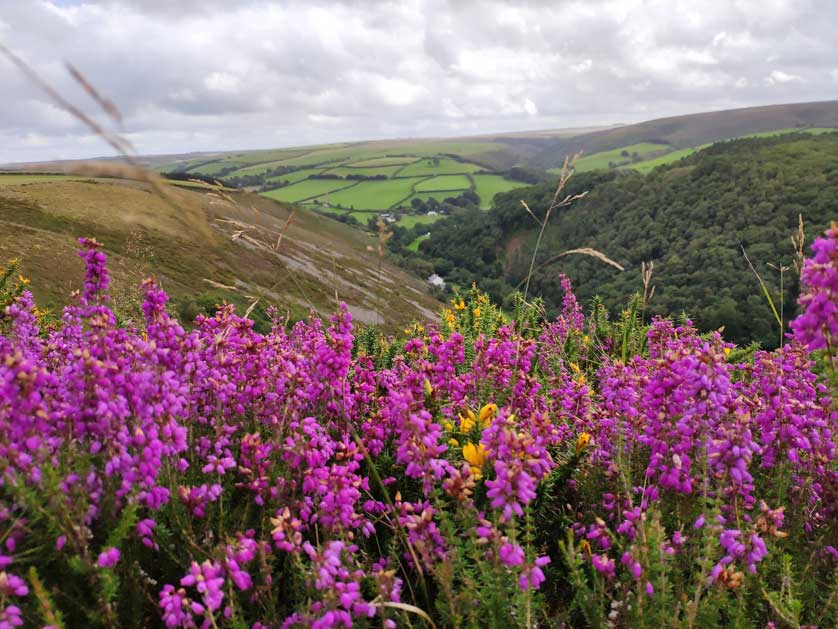
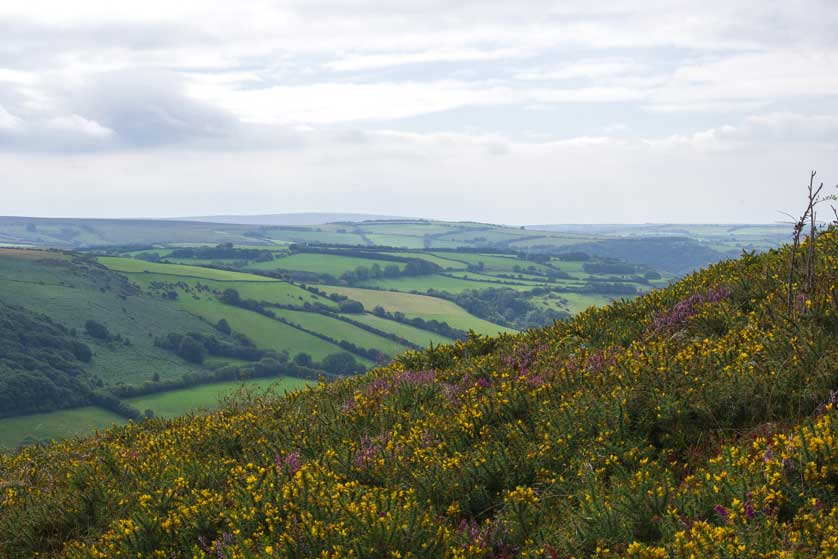
- Exmoor
Exmoor National Park is a hilly open moorland located around west Somerset and north Devon. The park was originally an ancient royal hunting forest that was then donated and designated as a national park in 1954.
The park includes some of the highest sea cliffs in England, which can reach up to 314 meters in height. The scenic rock headlands, ravines and waterfalls gained recognition as a Heritage Coast in 1991.
Attractions within the park include the Lynton & Barnstaple Railway, which connects Lynton and Lynmouth to Barnstaple, Dunster Castle and the pretty, coastal town of Porlock.
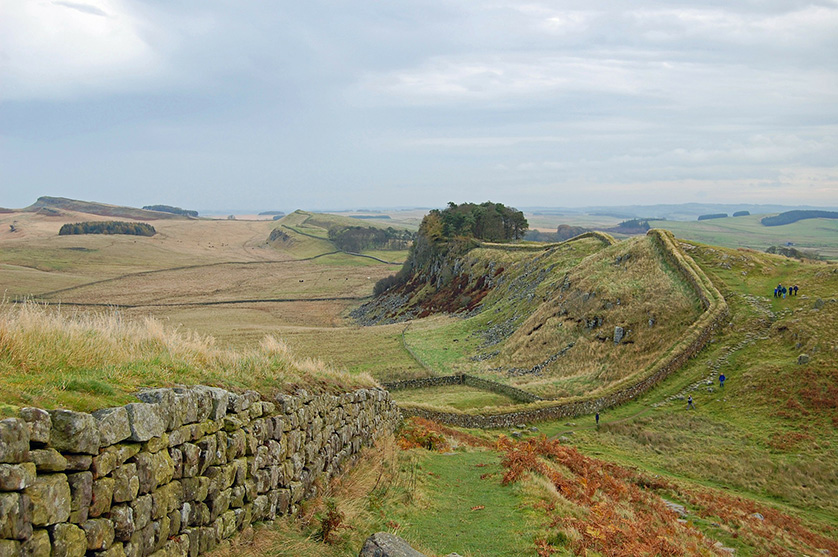
- Northumberland
Northumberland National Park is one of the least visited and least populated national parks in the UK. The park lies entirely within Northumberland and was established as a national park in 1956. 10,000 years of history can be explored within the park including sites such as Prehistoric monuments and Roman remains of Hadrian's Wall. The cities of Newcastle or Durham are your best starting points.
The Pennine Way runs through the park which also includes Kielder Forest, the largest made-made woodland in England.
- The Broads
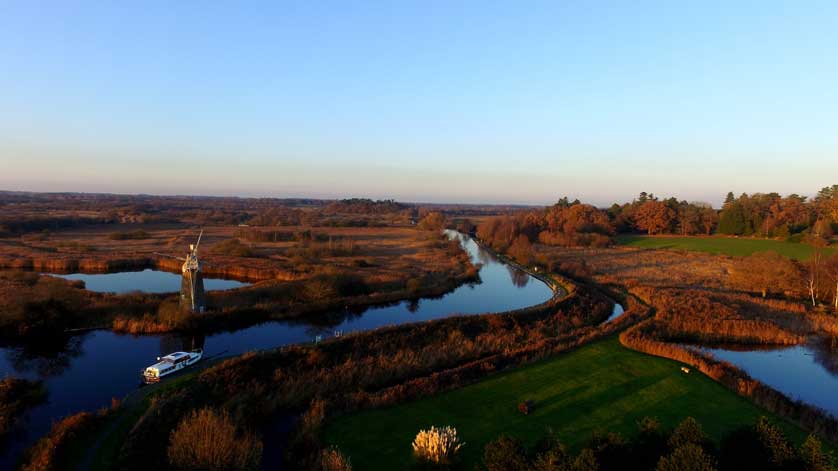
The Broads are formed of a network of rivers and lakes located in the English counties of Norfolk and Suffolk. Since the 19th century, the park has been a popular boating holiday destination. Many kinds of visitors including artists, anglers and bird-watchers have been attracted to spending their holidays boating on the Broads. It has also been an important center for racing yachts since the 19th century.
The Broads are Britain's largest area of protected wetland. As such they and offer a haven for many species of birds and insects including: Canada geese, coots, cormorants, Egyptian geese, great crested grebes, grey herons, greylag geese, kestrels, mallards, marsh harriers, moorhens and sparrowhawks.
Lowestoft and Great Yarmouth on the coast are just outside the designated area of the park.
- New Forest
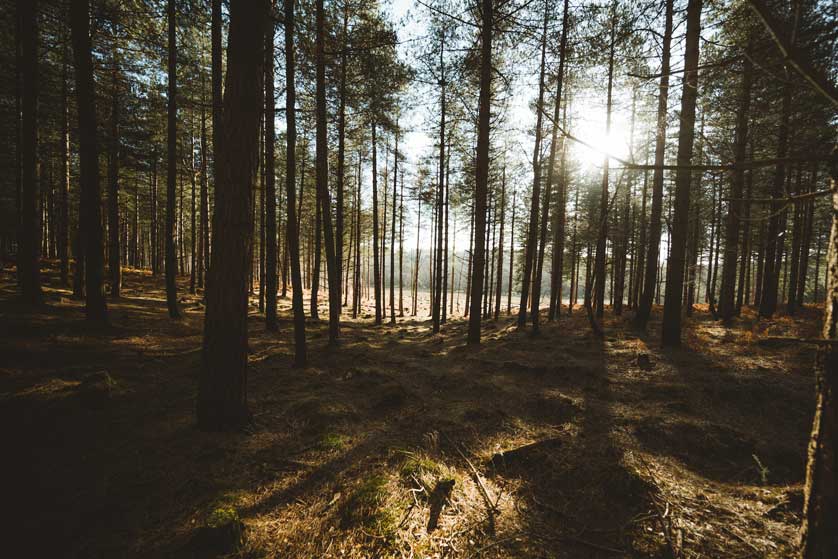
The New Forest is one of the largest remaining expanses of unenclosed grazing land in southeast England. The landscapes in the park consist of woodlands, heather-covered heaths, rivers, valley mires and historic villages.
A wide variety of wildlife such as bats, roe deer and sand lizards live in the park. Southampton is the largest city located near the New Forest. Other nearby towns are Bournemouth and Salisbury. The largest villages within the New Forest are Brockenhurst, Burley and Lyndhurst.
Attractions include Beaulieu with its 13th century Palace House and the British National Motor Museum. At Hythe Pier, the historic Hythe Pier Railway and the Hythe Ferry connect the town to Southampton.
Exbury Gardens belongs to a branch of the wealthy Rothschild family.
- South Downs
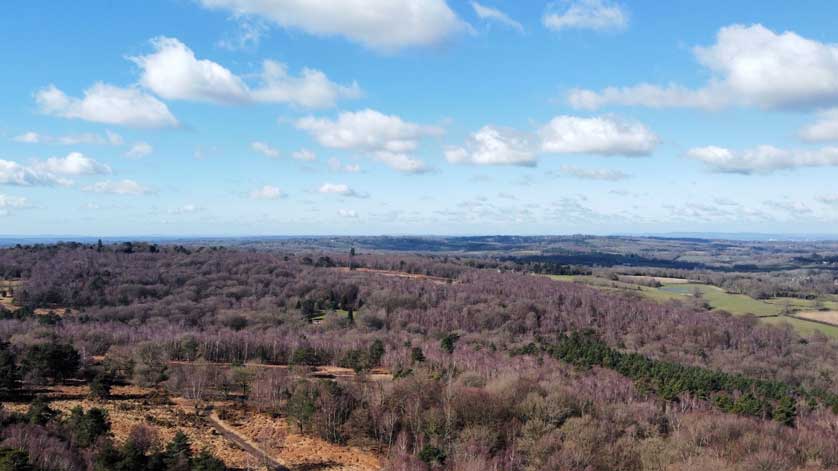
The South Downs National Park, the newest national park in England, became fully operational in 2011. The park covers an area of over 1,600 square kilometers stretching from Winchester in the west to Hampshire in the east. Rolling pastures, woodlands and river valleys are spread around the park for visitors to view and enjoy.
Trails through the national park include the South Downs Way and The Monarch's Way.
Attractions include the cliffs at Beachy Head, the chalk figure, The Long Man of Wilmington and the Clayton Windmills, Jack and Jill.
The park can be accessed from several major tons and cities including Brighton, Guildford, Portsmouth, Southampton and Winchester.
Scotland
- Loch Lomond and The Trossachs National Park
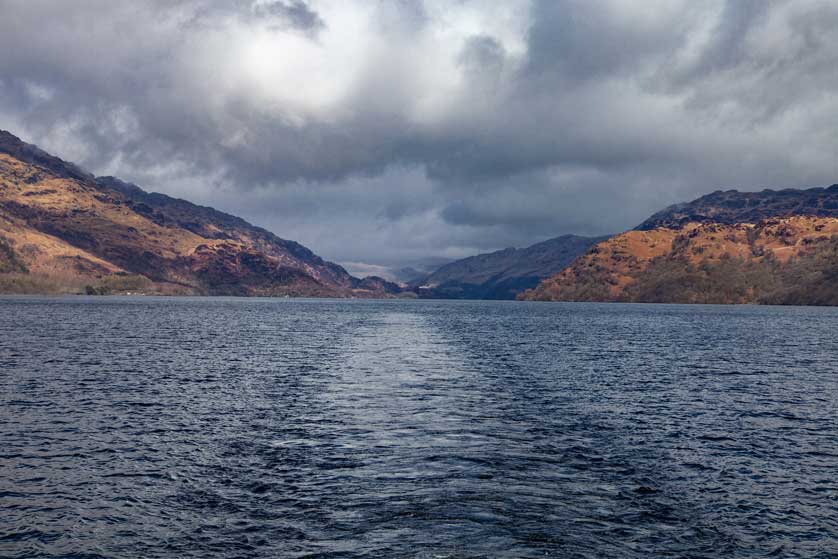
Loch Lomond and The Trossachs National Park is located mainly around Loch Lomond, Scotland. It consists of several ranges of hills, out of which the most famous is called the Trossachs. The park was established in 2002 and became the first designated national park in Scotland. A great variety of wildlife can be discovered at the park such as otters, ospreys and water voles.
- Cairngorms National Park
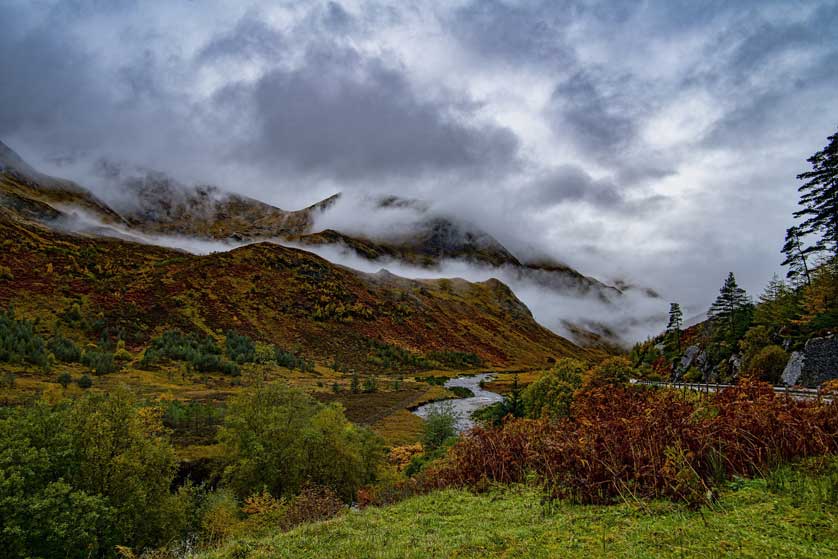
Cairngorms National Park lies north east of Scotland and was designated as a national park in 2003. Being the largest national park in the United Kingdom, it is nearly two times larger than the Lake District. The park's spectacular landscapes are formed of tall mountain ranges and the surrounding hills. The royal residence of Balmoral Estate lies within the park.
Wales
- Snowdonia
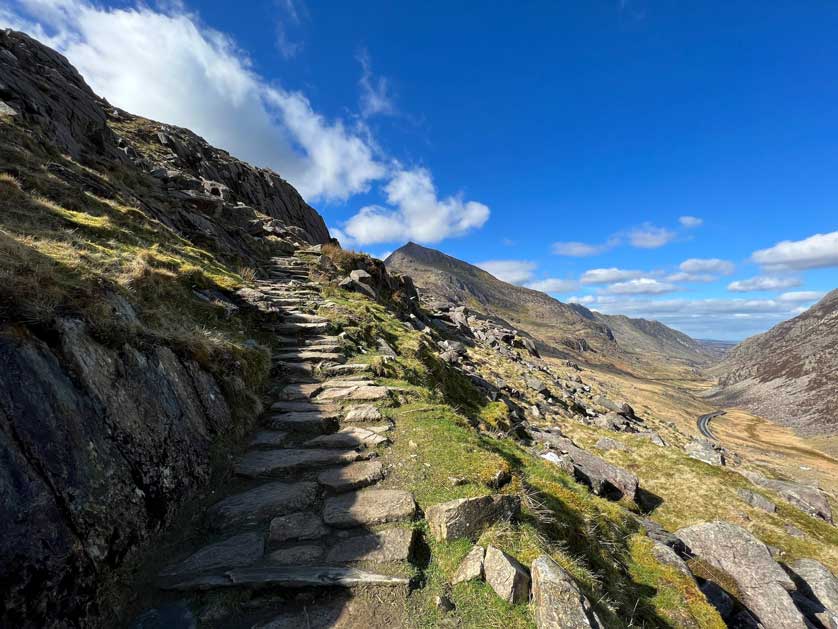
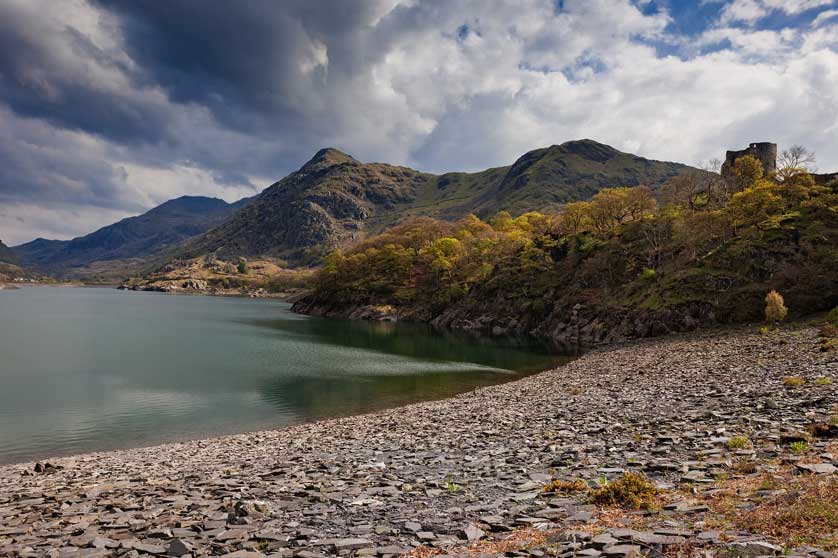
Snowdonia, located in the north of Wales, became the first designated national park in Wales. The northernmost part of the park is most popular with tourists because here rise the three tallest mountains in Wales including: Snowdon Massif, Glyderau and the Carneddau. The park was established in 1951 and derived the name, 'Snowdonia', from the mountain 'Snowdon Massif'.
- Pembrokeshire Coast
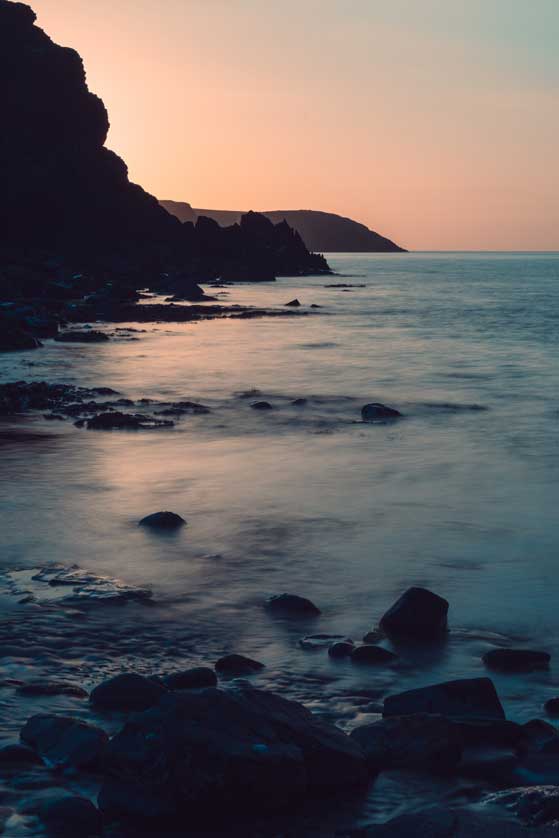
Pembrokeshire Coast National Park was established as a national park in 1952. Located alongside the Pembrokeshire coast in west Wales, the park is made up of rocky cliffs, sandy beaches and wild inlands. Rare rock structures such as natural arches, stacks and sea caves have also been found within the park.
- Brecon Beacons
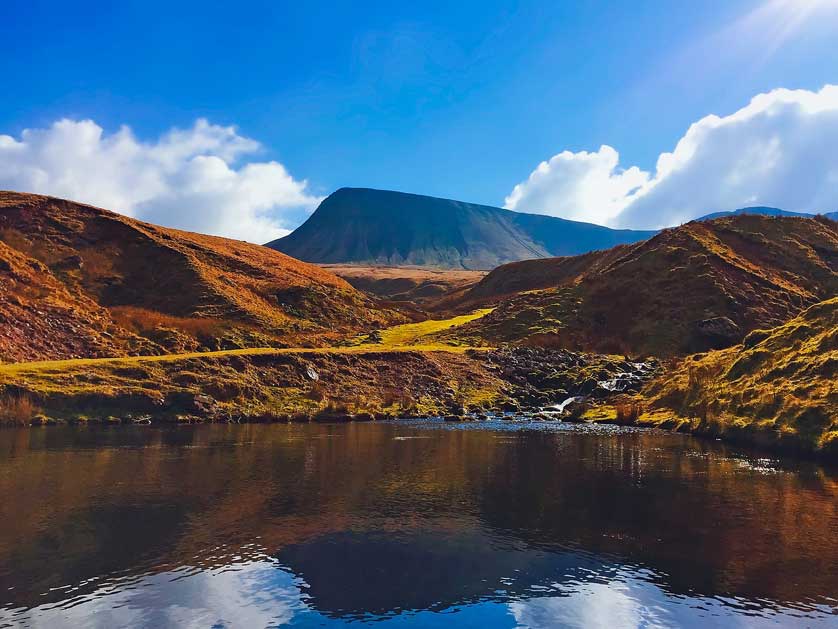
The Brecon Beacons is a wide mountain range situated in south Wales. Established in 1957, it is the third established of the three national parks in Wales. A major part of the national park is a grassy moorland where herds of Welsh ponies and sheep can be seen wandering about. Visitors have the opportunity to mountain bike, camp out, rock climb and explore caves.
Map of the National Parks in Britain
Related
Hotels in the UK
Book Hotels in England - Booking.com
Find Accommodation in London - Booking.com
Search Hotels in Scotland - Booking.com
Hotels in Northern Ireland - Booking.com