Anglesey (Ynys Môn), North Wales
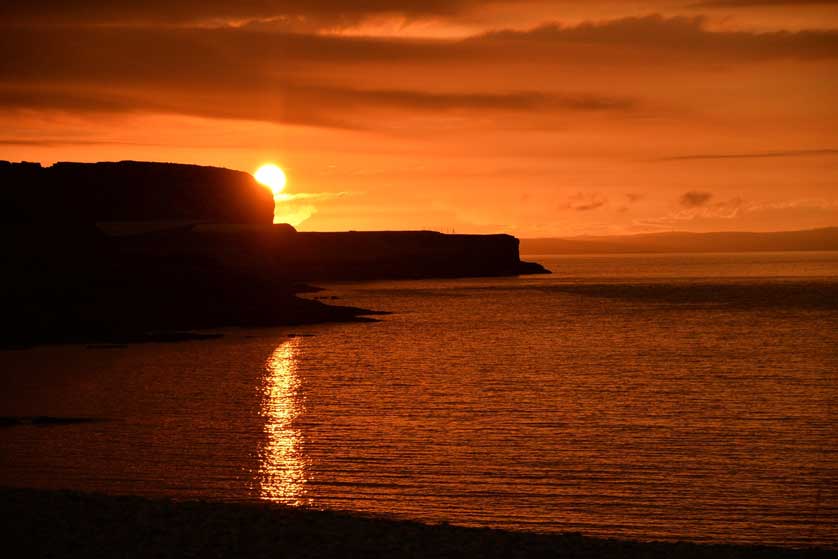
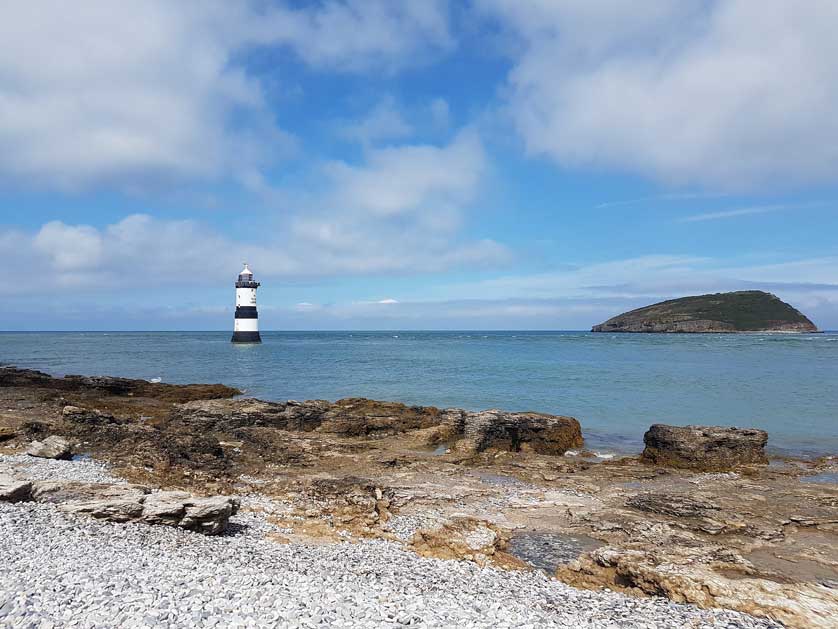
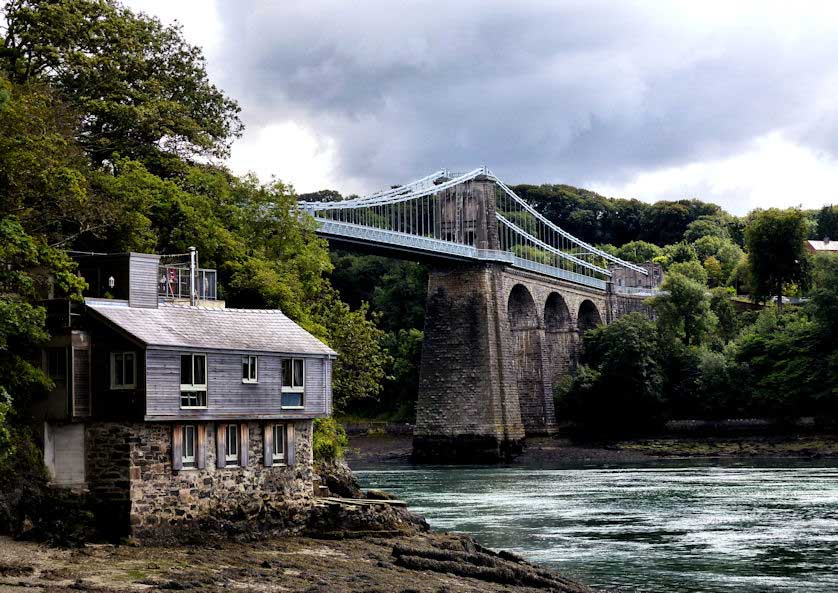
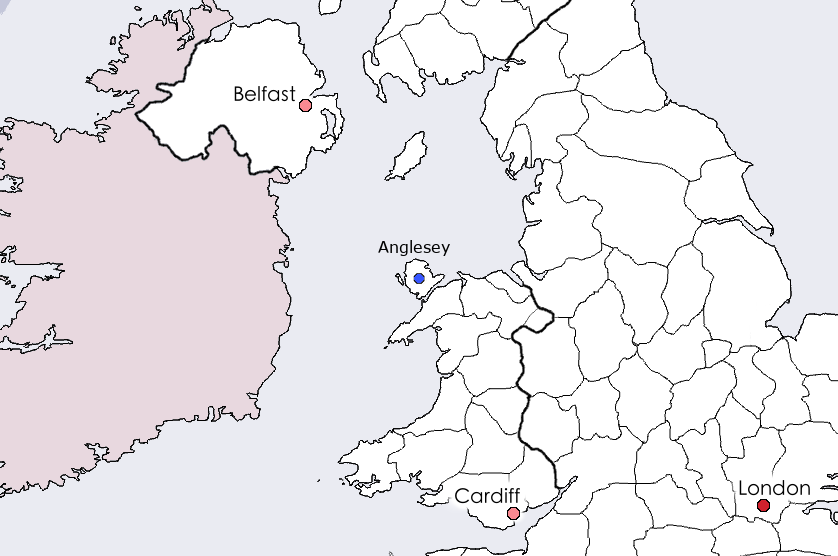
Anglesey, off the coast of North Wales, is connected to the mainland via the historic Menai Bridges. It is the largest island in Wales and the 7th largest in the British Isles. There are in fact two islands, the Isle of Anglesey and Holy Island connected by a road bridge.
Holyhead on Holy Island on the west coast is the largest town and a base for walking the stunning coastline and surfing.
Anglesey is easily reached by train, bus or private car from both Manchester and Liverpool.
Many English people maintain second homes or caravans on the island, which is a favourite getaway for town dwellers in the summer months.

History
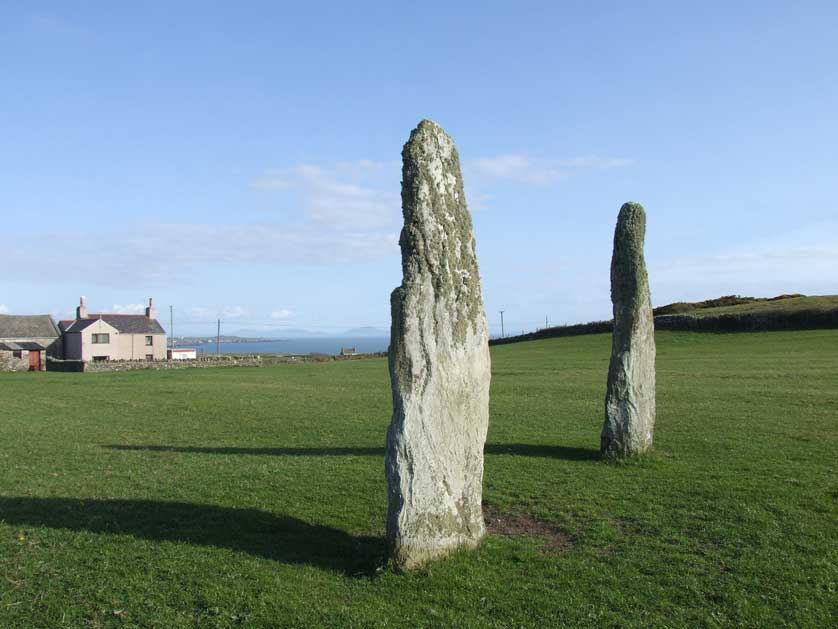
Several megalithic monuments and standing stones are testament to prehistoric settlement of the island.
The island is associated with the druids, a high-ranking social class in Celtic society, often thought of as religious leaders and priests in the popular imagination.
The druids on Anglesey were all but wiped out by a Roman invasion in AD 60 and occupied.
Following the end of the Roman Empire in the west the island was taken by Irish and then later Viking raiders before the ascent of English power under Edward I and his construction of Beaumaris Castle.
Attractions on Anglesey
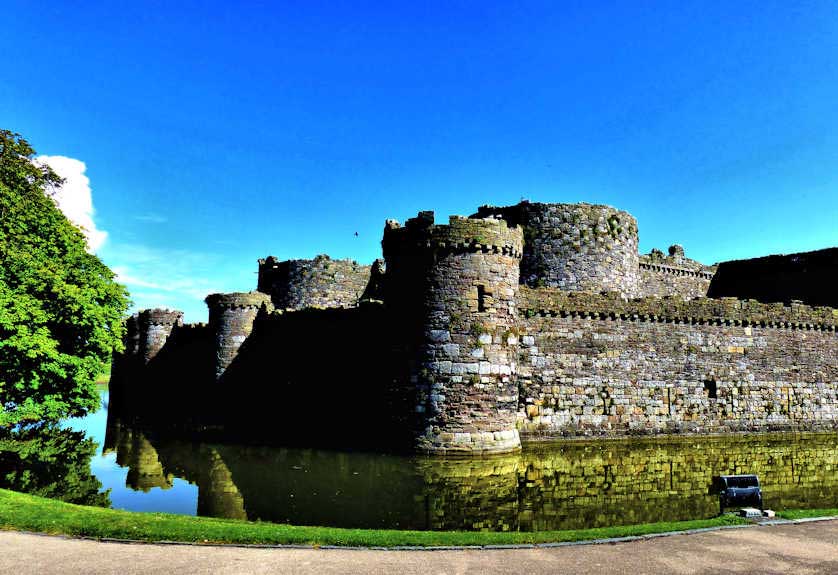
Beaumaris Castle in the pretty Georgian town of Beaumaris is the main tourist attraction on Anglesey.
It was the last of the great castles constructed by Edward I in the late 13th century to consolidate his control of Wales.
Like the castles at Conwy, Caernarfon and Harlech, Beaumaris Castle is a UNESCO World Heritage Site. Built on flat land and therefore not constrained by any topographic features, the most striking thing about Beaumaris castle is its symmetry.
Constructed as a series of concentric layers, the central walls are 4-sided, surrounded by an eight-sided wall, though it appears almost 6-sided. Some of the moat has been filled in but much remains.
Another major attraction in Beaumaris is Puffin Island, an uninhabited island located off the nearby northeast coast of Anglesey.
A wildlife sanctuary, boat tours from Beaumaris offer fantastic views of not only the Puffins after which the island is named, but also Great Cormorants, Guillemots, Razorbills, Shags and Kittiwakes, as well as other nesting birds.
Seals can usually be seen and sometimes porpoises and even dolphins make an appearance.
The island is also home to Britain's longest place name - Llanfairpwllgwyngyllgogerychwyrndrobwiiiiantysiligogogoch. Translated into English the name means "St. Marys Church in the hollow of the white hazel near to the rapid whirlpool of Llantysilio of the red cave."
Anglesey Coastal Path
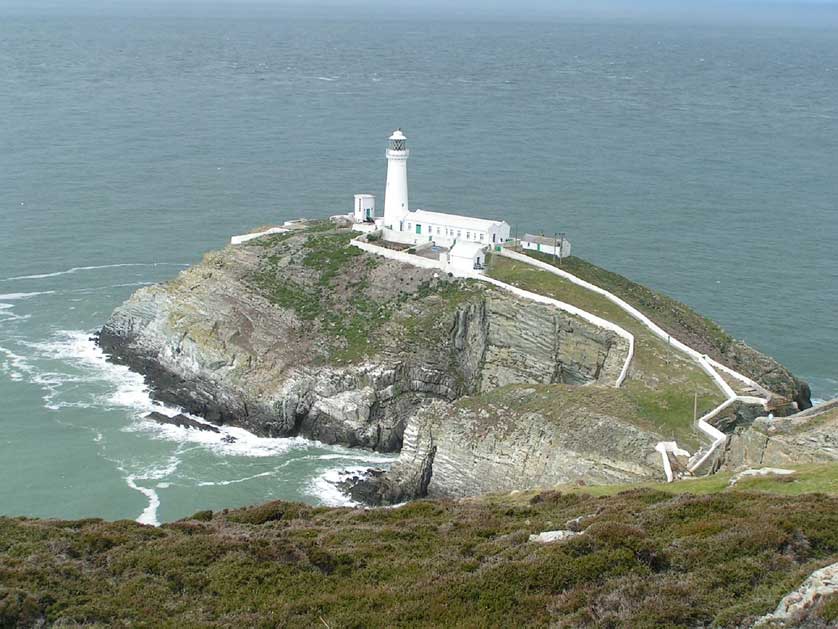
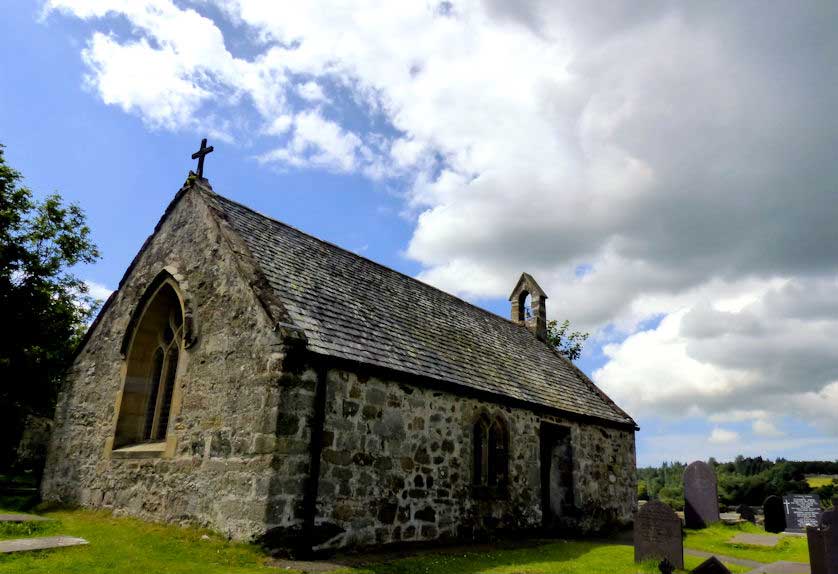
Between the two Menai bridges is a very popular section of the 200 km Anglesey Coastal Path. Along the path close to the Menai Bridge is a small island accessed by narrow bridge with an old church and cemetery.
Not surprisingly named Church Island, a small hermitage was established here around 625 by Tysilio, son of the king of Powys. The current St. Tysilio's Church was built in the early 15th century although the big stained glass window is a 19th century reproduction of the original.
The Anglesey Coastal Path is 200 km long and circumnavigates the island beginning at St Cybi's Church in Holyhead. The stretches between Beaumaris and Amlwch on the east coast and Ynys Llanddwyn and Rhosneigr on the west coast are of particular scenic beauty with many sandy beaches and wildlife.
Access - Getting to Anglesey
There are trains to Holyhead from Chester Station in Chester. From Manchester Piccadilly take a train to Chester and change. Another route from Manchester is via Llandudno Junction in Llandudno. Some routes would require a change at both Chester and Llandudno.
Journeys are leisurely, to say the least, and would take just over three hours.
By car from Manchester driving time for the 192 km trip to Holyhead is just over two hours.
Nearby
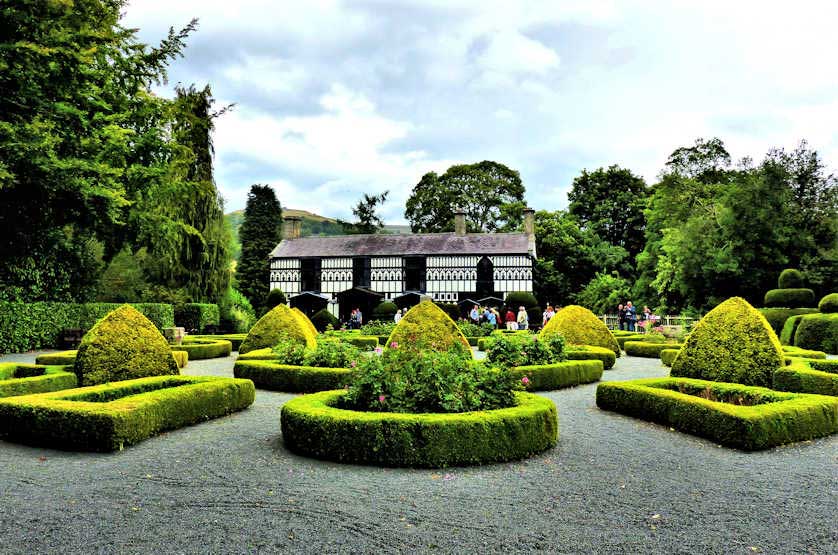
Plas Newyyd is an historic country house set in gardens in the picturesque small town of Llangollen in North Wales.
It is famous as the former home of the Ladies of Llangollen, a pair of women who scandalized 18th century society.
Plas Newydd means "new mansion" in Welsh, and so is a fairly common name and this one in Llangollen should not be confused with the Plas Newydd on nearby Anglesey which is a much larger country house and estate now managed by the National Trust.
Accommodation
Anglesey has a good selection of places to stay around the island with the main concentration in Holyhead.
Some recommended hotels include the 4-star Gwesty Gadlys Hotel in Cemaes Bay, the Bulkeley Hotel in Beaumaris set in a Georgian house dating from 1832 and the Trecastell Hotel in Amlwch with bar, restaurant, free WiFi and a full English breakfast.
See a listing on hotels in and near Anglesey
Map
Book Hotels in Cardiff - Booking.com
Find Hotels in Swansea - Booking.com