The Flags of the United Kingdom
UK Flags
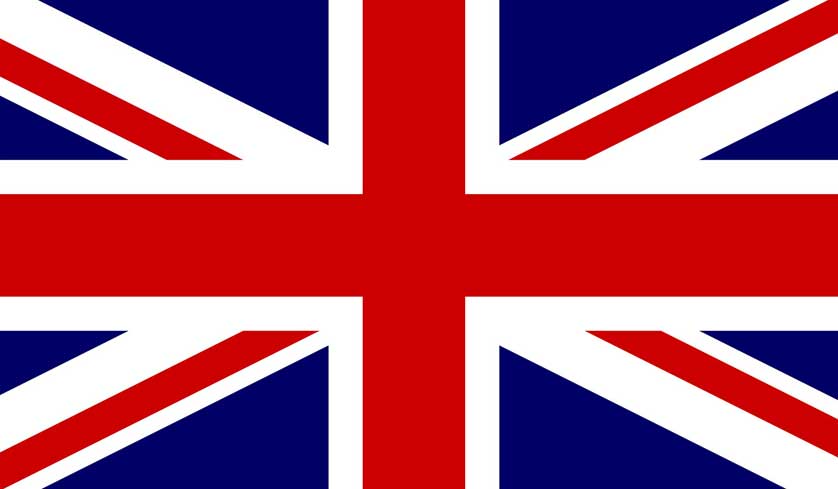
The Union Jack or Union Flag is the national flag of Great Britain and has been since 1801.
The four nations that make up the United Kingdom - Scotland, Wales, Northern Ireland and England - also have their own flags as do the Isle of Man, Cornwall, the Scilly Islands and the various islands that make up the Channel Islands.
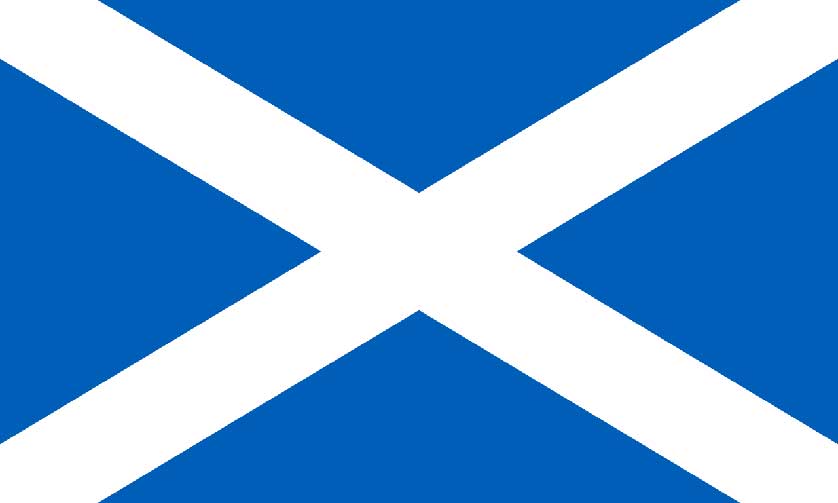
Flag of Scotland
The flag of Scotland (bratach na h-Alba) is also known as the St Andrew's Cross or the Saltire. Saint Andrew is the patron saint of Scotland and is believed to have been crucified on a cross of a similar shape.
The white cross on a royal blue background for the flag dates back to the 16th or 15th century. Earlier, however, Scottish soldiers fighting the English wore the emblem on their armour.
The flag is one of the components that make up the Union Flag.
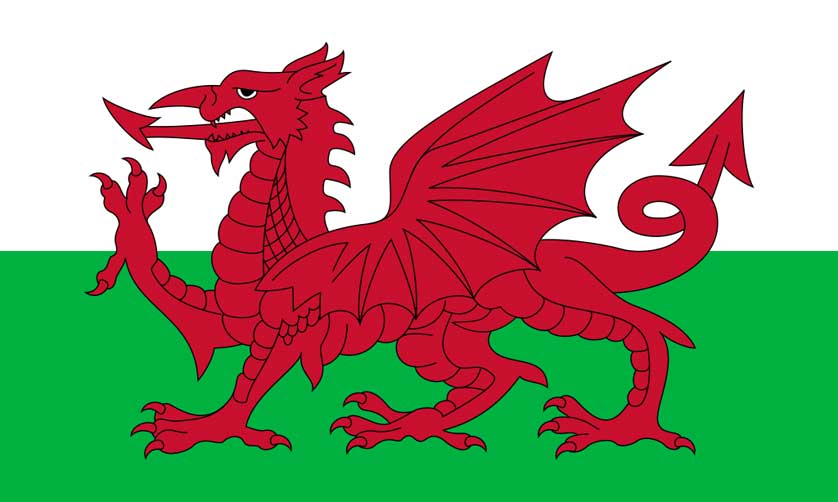
Flag of Wales
The flag of Wales (Y Ddraig Goch) is also known as the Red Dragon and is a red dragon passant on a green and white field (background).
The dragon was the flag of the 7th century King of Gwynedd, Cadwaladr, while the green and white are the colours of the Tudors.
The future King Henry VII (of Welsh descent) flew the flag at the Battle of Bosworth in 1485.
The dragon symbol may have its roots in the Roman occupation of Britain and also appears in Welsh mythology. In the early 15th century Owain Glyndŵr used a dragon flag during his revolt against the English. However, the use of a dragon symbol on flags is not exclusive to Wales in the medieval period and has been used by English monarchs at various times including Richard I and Henry V.
The flag is not one of the components that make up the Union Flag.
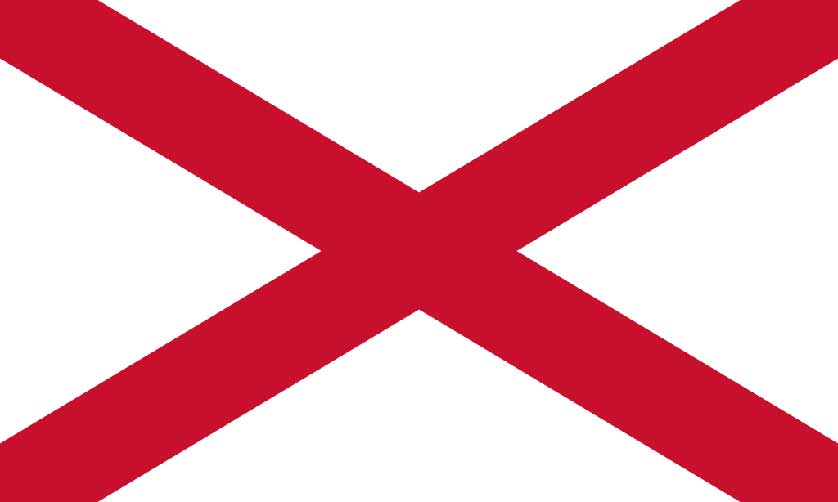
Flag of Northern Ireland
The sole official flag in Northern Ireland is the Union Flag or Union Jack. Different communities in Northern Ireland identify with different flags. The Ulster Banner is associated with Unionists, while the Irish tricolour (green, white and orange) is flown by Irish nationalists.
The Saint Patrick's Saltire or Saint Patrick's Cross is a red saltire on a white field (background) and has less sectarian baggage.
The flag is one of the components that make up the Union Flag.

Flag of England
The flag of England derives from the Saint George's Cross. It is a centred red cross on a white field (background).
Associated with the Crusades, the emblem was used as a marker by English soldiers from the 13th century. It was often flown by English monarchs alongside the Royal Banner which features three lions.
St George became the patron saint of England during the English Reformation and the flag began to have a maritime use from the 16th century onwards.
The flag is one of the components that make up the Union Flag.

Manx Flag
The Manx flag (brattagh Vannin) is a triskelion, made up of three armoured legs with golden spurs, on a red field (background).
The origin of the symbol for use in the Isle of Man is obscure with various theories put forward none of them conclusive. The triskelion is believed to have originated in Sicily in Italy. It began to be used in the Isle of Man from the 13th century on when rule of the island changed from the Kingdom of the Isles to the Scottish crown.
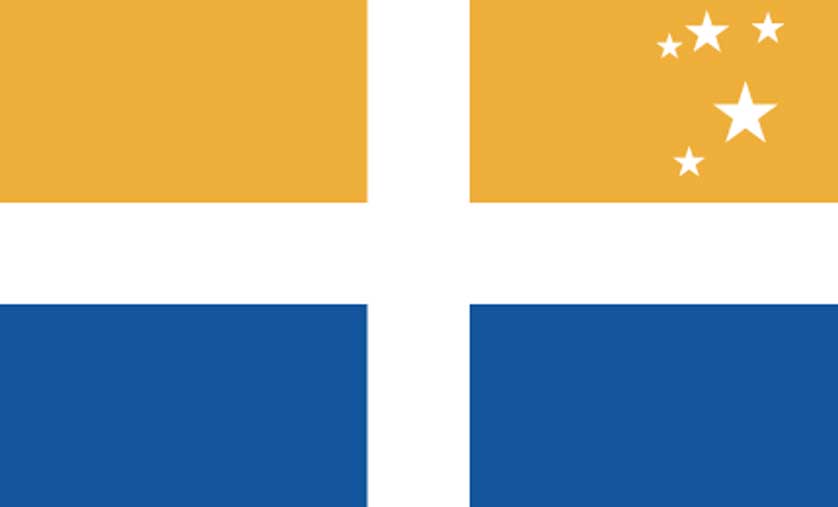
Flag of the Isles of Scilly
The Flag of the Isles of Scilly or Scillonian Cross is much more recent.
The top half is gold, a colour representing the golden sand of the islands' beaches. The bottom half is blue representing the sea. The stars in the top right corner represent the location of the islands off the southwest coast of Cornwall.
The design was selected in a 2002 vote of the local Scilly News.
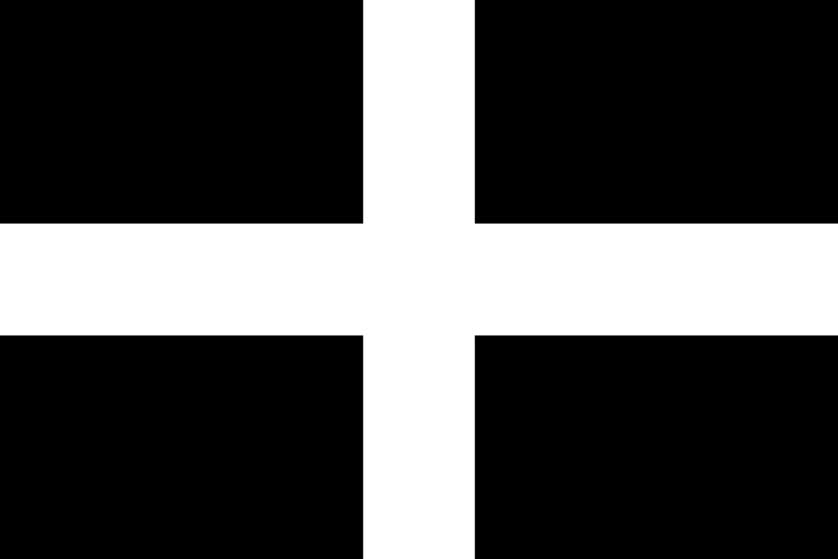
Flag of Cornwall
The flag of Cornwall or Saint Piran's Flag (Baner Peran) is a white cross on a black field (background).
The flag is associated with Saint Piran, a 5th-century Cornish abbot of Irish origin who is the patron saint of tin-miners. The flag began to be used from the mid-19th century on. It is seen on bumper stickers, at local sporting events and also festivals held in Cornwall.

County Flags
Many of the traditional counties of Britain have their own flags. All of the traditional counties in England do including Cornwall and the Scilly Islands (see above).
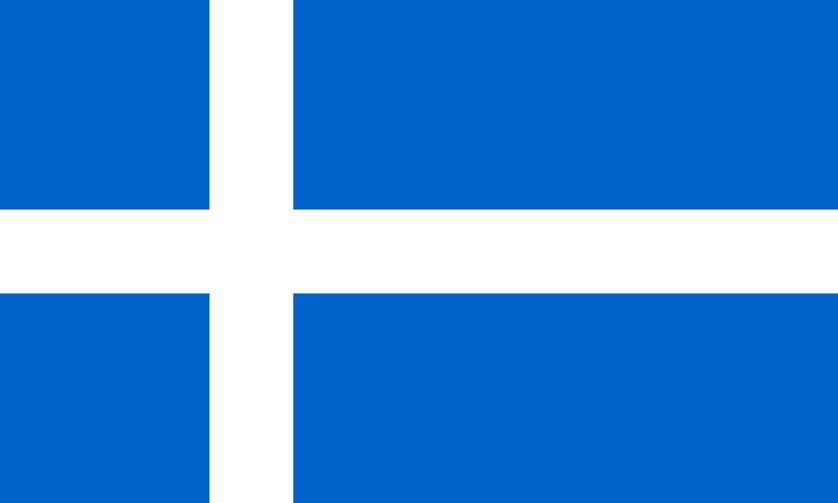
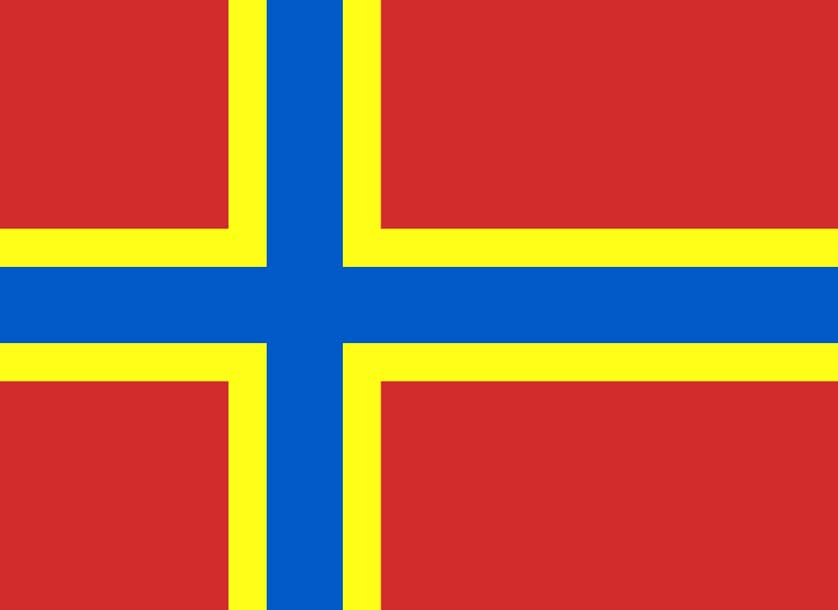
The take up has been less in Wales and Scotland but both the Shetland Islands and the Orkney Islands have their own flags.
The flag of the Shetland Islands is a white Nordic cross on a blue field (background). The blue and white colours are identical to the flag of Scotland but the Nordic cross symbolizes the Shetland Islands' historical relationship with Scandinavia. The flag was created in 1969.
The flag of Orkney is more recent having been chosen in 2007. It too symbolizes the islands' Norwegian heritage. The red and yellow colours are from the Norwegian and Scottish royal coats of arms.
Of the English traditional county flags, some are very recent, Leicestershire's flag for example, was registered in 2021, while others are more historic and are associated with ancient Saxon kingdoms such as Essex, Kent and Sussex.
Traditional symbols are prominent such as the red rose of Lancashire, the white rose of Yorkshire and the bear in the flag of Warwickshire - the latter taken from the coat of arms of the Duke of Warwick. The flag of Nottinghamshire has a shield (inescutcheon) showing Robin Hood and the flag of Durham shows the Cross of St Cuthbert. The saint is associated with the island of Lindisfarne and buried in Durham Cathedral.
Hotels in the UK
Book Hotels in England - Booking.com
Find Accommodation in London - Booking.com
Search Hotels in Scotland - Booking.com
Hotels in Northern Ireland - Booking.com
FInd & Book Hotels in Britain - Agoda.com
London Attractions Tickets - Tiqets.com