UK Museums: Imperial War Museum
IWM London
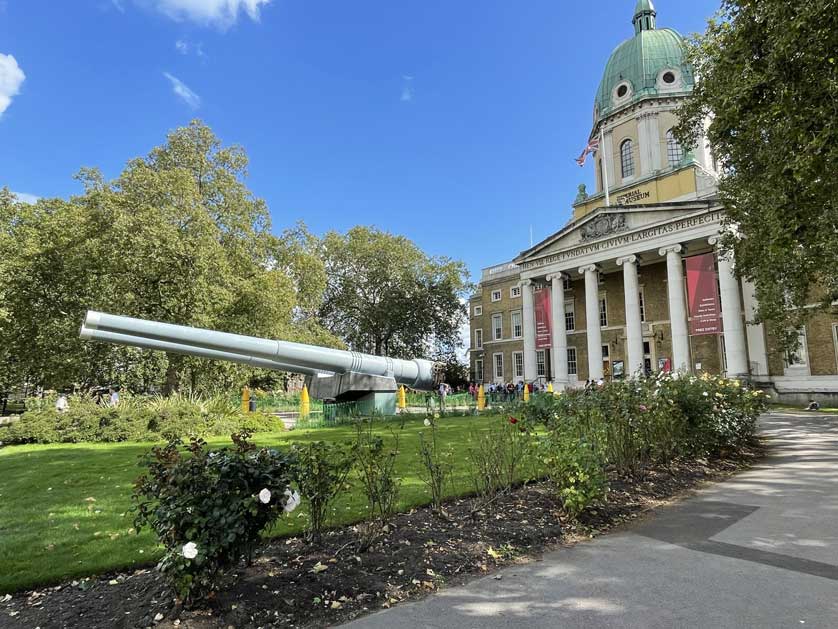
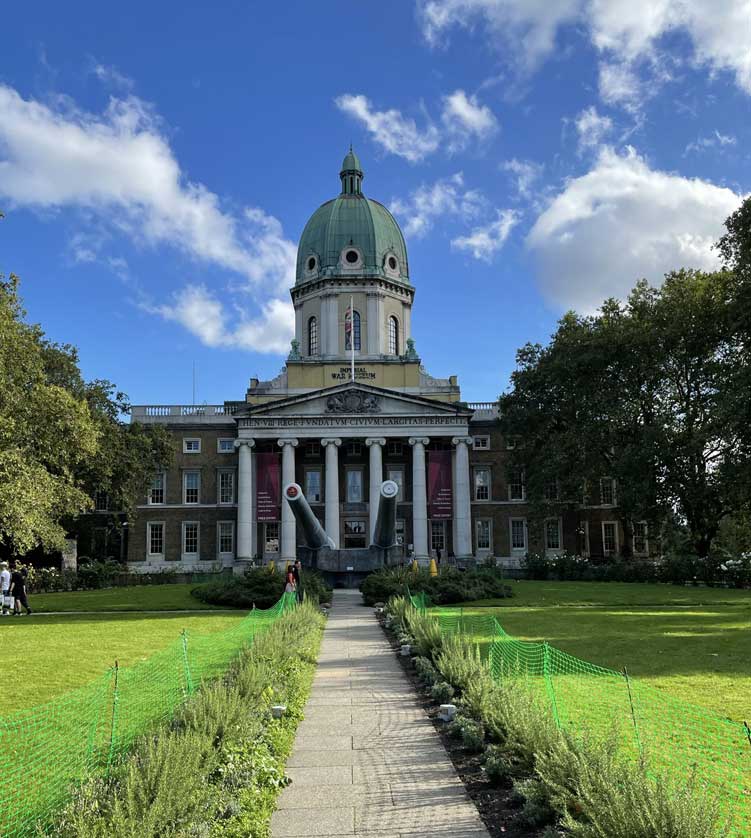
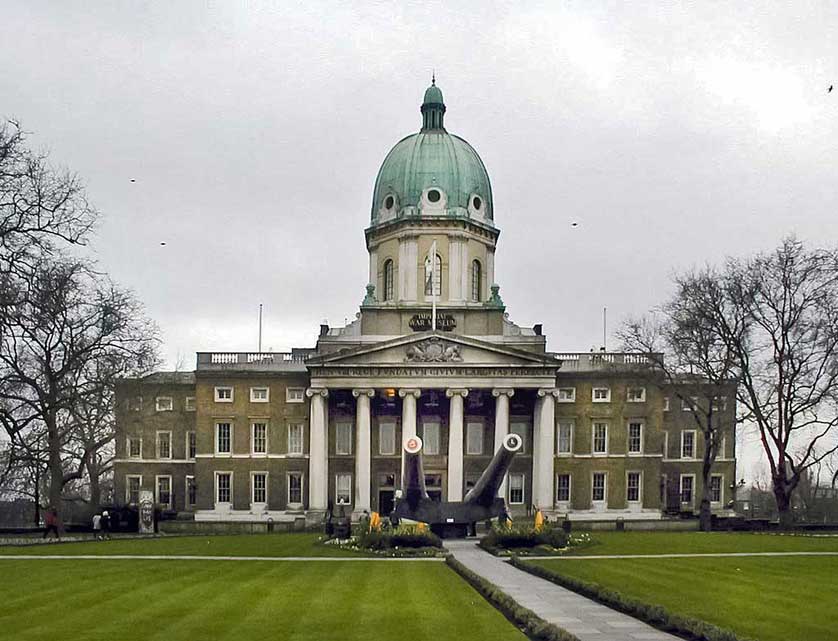
The IWM London is a national museum dedicated to the history of conflict from World War I to the present day involving involving British and Commonwealth forces. The museum incorporates interactive displays and multimedia technology to engage visitors and provide a deeper understanding of the impact of war on individuals and societies.
History
The museum was founded in 1917 and the collection of material and exhibits began. It was originally dedicated to the war effort and sacrifice of World War I. Since then it has expanded to include all conflicts that British and Commonwealth forces have been involved in since the First World War. These include World War II, The Cold War, The Falklands War, The Troubles in Northern Ireland as well as more recent conflicts in the Middle East. Thus, the museum has become a comprehensive resource on modern warfare.
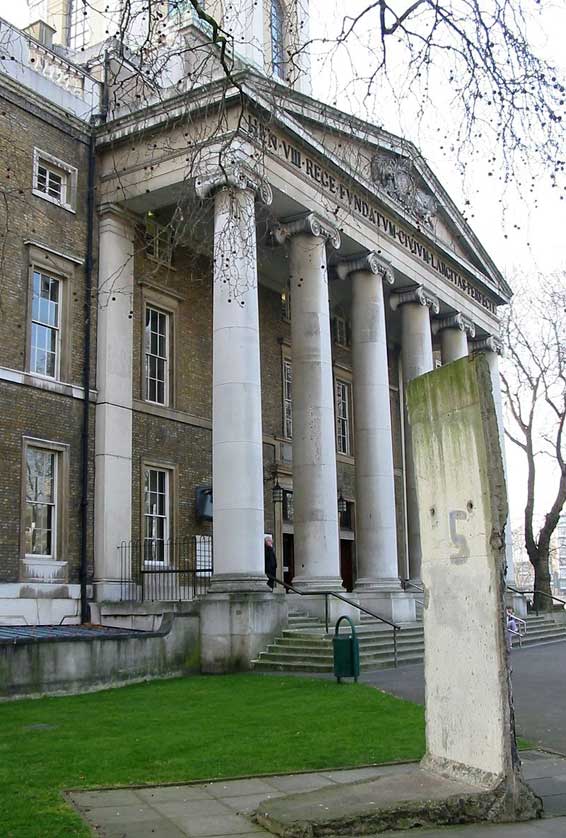
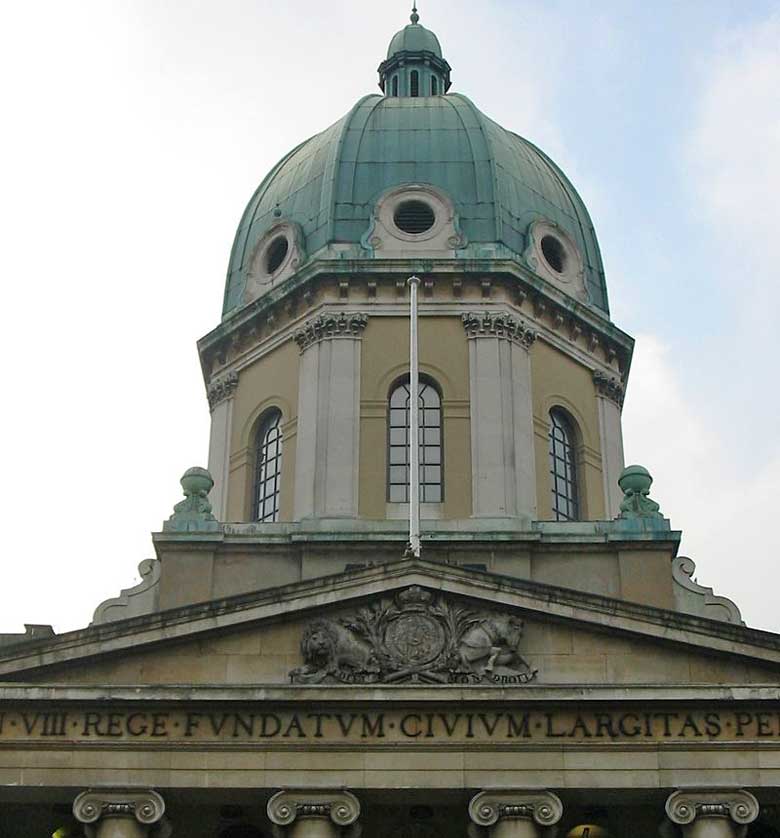
Since 1936, the museum has been located in the former Bethlem Royal Hospital building, also known as Bedlam. Before then it opened in the Crystal Palace at Sydenham Hill in 1920, before moving to the Imperial Institute in South Kensington in 1924. IWM London underwent a major renovation and redevelopment project, which was completed in 2014. The renovation transformed the museum with modern exhibition spaces, improved accessibility, and updated facilities.
There are six floors of displays from the First World War Galleries on the ground floor to the Lord Ashcroft Gallery on the 5th floor. Special exhibitions are held on the 3rd floor.

Exhibits
The vast collection is grouped in eight permanent galleries. These displays are Witnesses to War, the Holocaust Galleries, Peace and Security: 1945 - 2014, First World War Galleries, Second World War Galleries, the Lord Ashcroft Gallery: Extraordinary Heroes, the Blavatnik Art, Film and Photography Galleries and Turning Points: 1934 - 1945.
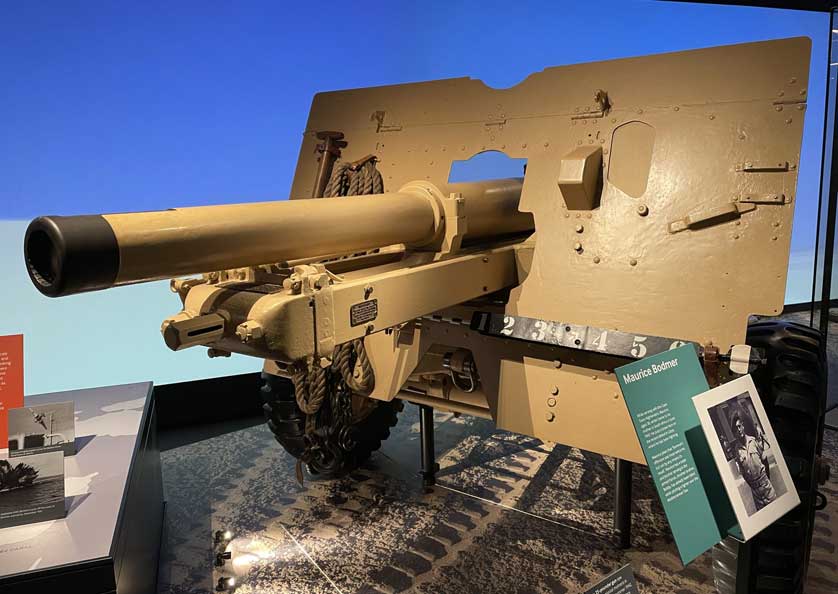
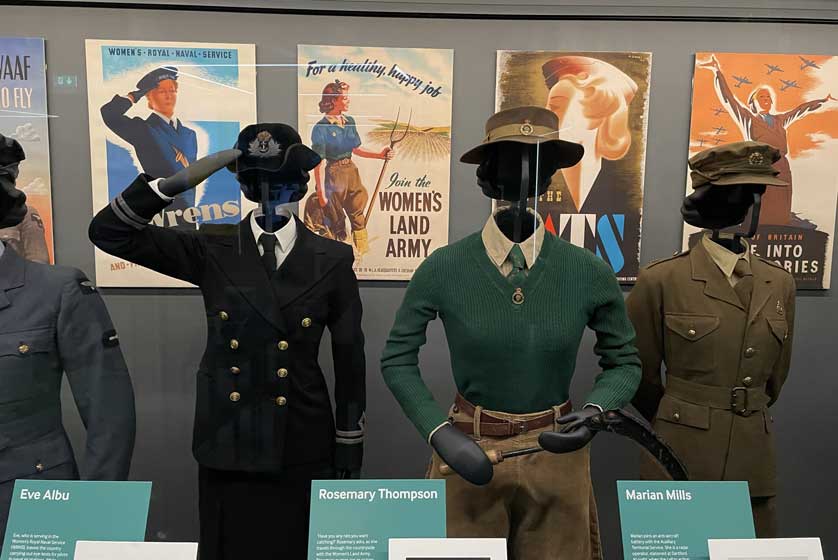
On display are weapons, uniforms, vehicles, and artwork. The IWM London also features an impressive collection of photographs, letters, and personal testimonies that provide insights into the experiences of individuals during wartime.
The Holocaust Exhibition offers a sobering and educational experience about the Holocaust, featuring survivor testimonies, artifacts, and historical context. Personal objects range from jewellery and clothing to toys and musical instruments. The Holocaust Galleries are not recommended for children under the age of 14. A section of the gallery features film footage of a highly graphic nature which some visitors may find distressing.
The Lord Ashcroft Gallery has the world’s largest collection of Victoria Crosses on display. It is dedicated to individual stories of heroism and bravery.
The First World War Gallery explains the conflict through the eyes of the British people and the Empire, both on the home front and the fighting fronts. More than 1,300 objects including art, diaries, film, keepsakes, uniforms and weapons explain this most bloody of wars.
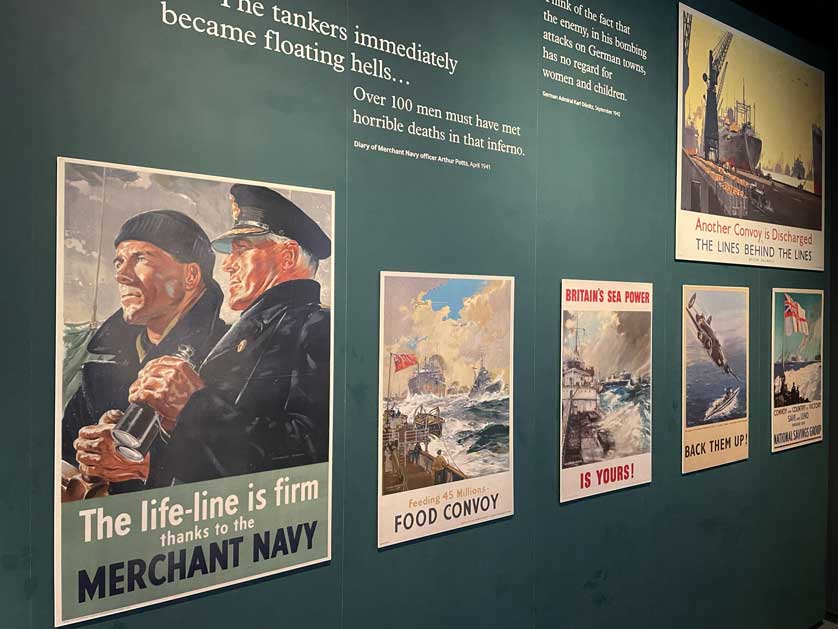
The Second World War Gallery is dedicated to this most global of wars. Learn how societies across the globe were mobilized to fight a 'total war'. Over 1,500 items are on display including aircraft, artillery, tanks and uniforms.
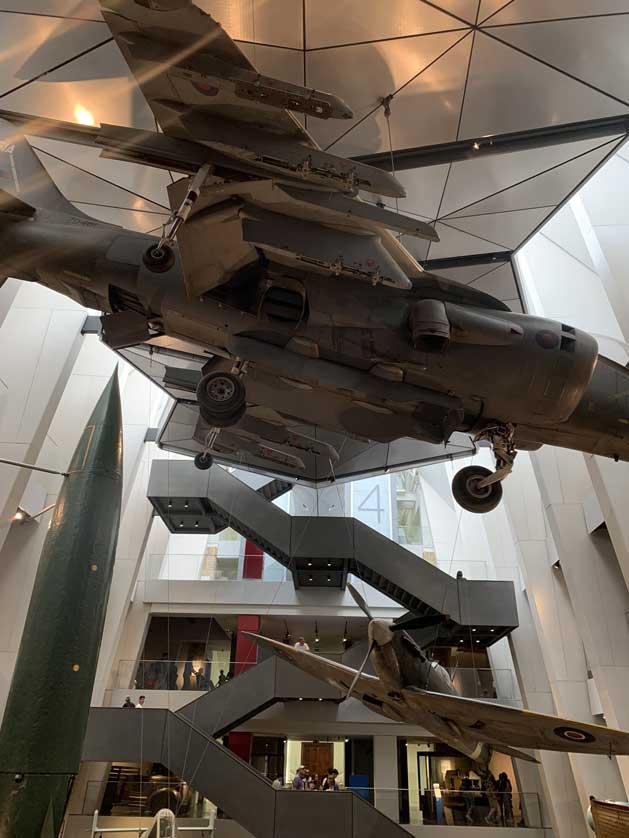
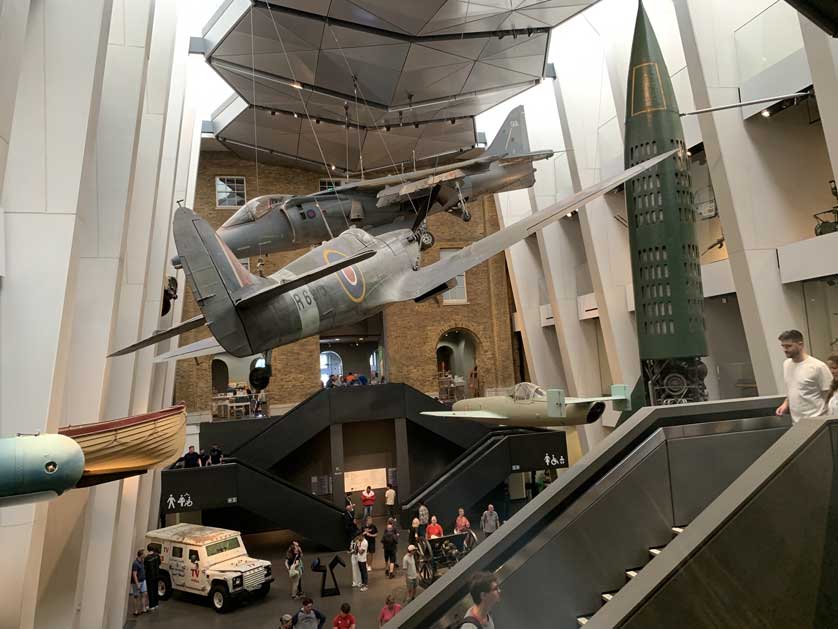
The museum's large Atrium contains many of its larger exhibits in the Witnesses to War display. These include a Spitfire fighter, a V-2 rocket, a Japanese Ohka plane from World War II and a more recent Harrier jet.
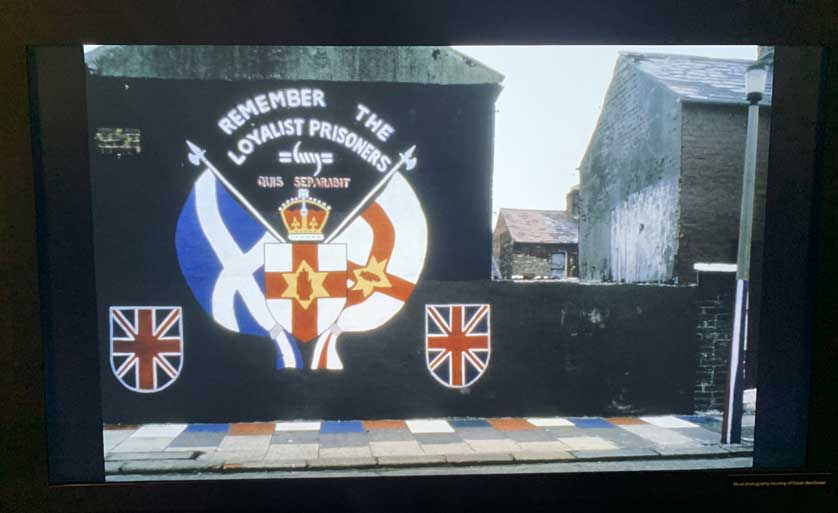
The Peace and Security: 1945 to 2014 display focuses on such events as the conflicts in Kosovo, Iraq and Afghanistan. Also featured are the atomic bombings of Hiroshima and Nagasaki in Japan and the conflict in Northern Ireland.
The new Blavatnik Art, Film and Photography Galleries explore how artists, filmmakers and photographers document conflict. On display are works by John Singer Sargent's (Gassed), Steve McQueen (Queen and Country), as well as pieces by artists Laura Knight, Paul Nash, and Rosalind Nashashibi.
Altogether, the Imperial War Museum is made up of five museums. These are the IWM London, the Churchill War Rooms in Whitehall near 10 Downing Street, IWM Duxford, Europe's largest air museum, HMS Belfast on the River Thames and IWM North in the Salford Quays district of Manchester.
Access - Getting There
IWM London
Lambeth Road
London
SE1 6HZ
Tel: 0207 416 5000
www: iwm.org.uk/visits/iwm-london
Hours
10 am to 6 pm daily; closed 24 to 26 December.
Admission is free but donations are welcome.
On the premises are both a cafe and museum shop.
Public Transport
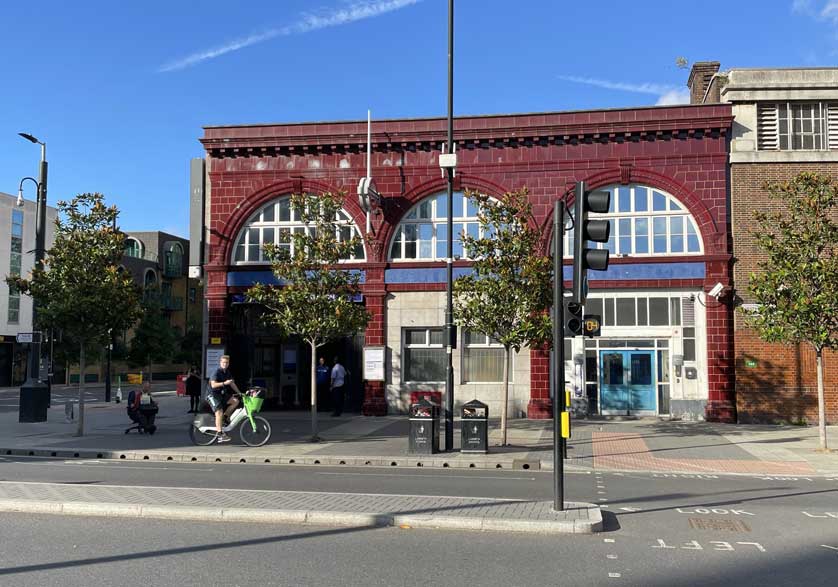
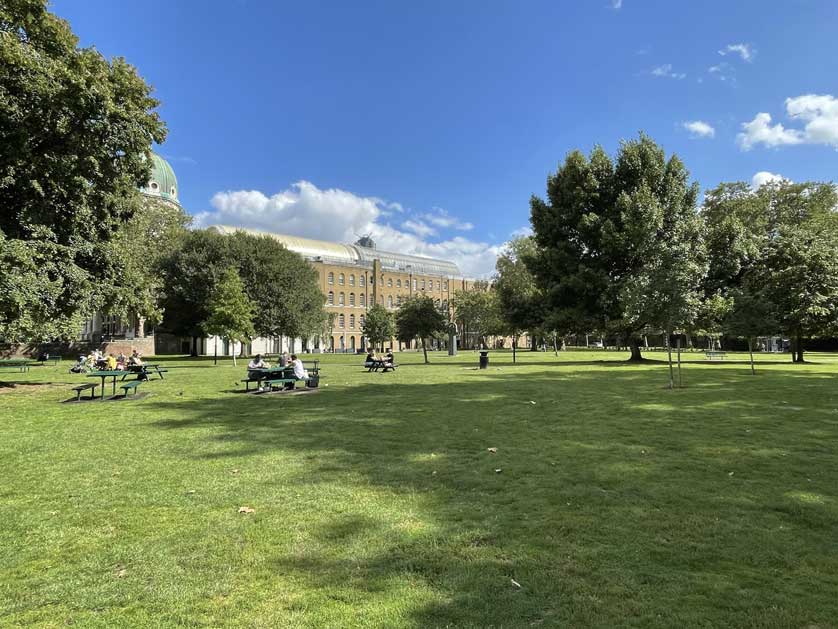
The nearest mainline station is Waterloo. From here the museum is a 15-minute walk past the Old Vic Theatre and Geraldine Mary Harmsworth Park. The nearest tube stations are Lambeth North on the Bakerloo Line (7 minutes on foot) and Elephant & Castle on both the Northern and Bakerloo lines (10 minutes on foot).
The following London buses stop close to the museum: the 3, 59, 159, 344 and 360.
Gallery

Museums in Britain
Hotels in the UK
Book Hotels in England - Booking.com
Find Accommodation in London - Booking.com
Search Hotels in Scotland - Booking.com
Hotels in Northern Ireland - Booking.com