List of London Mainline Stations
National Rail Stations in London
London is home to a number of major railway stations. Mostly built in the mid-19th century, several are terminal stations for major railway lines.
They are part of the London station group of eighteen stations served by the National Rail network in central London.
Blackfriars Station
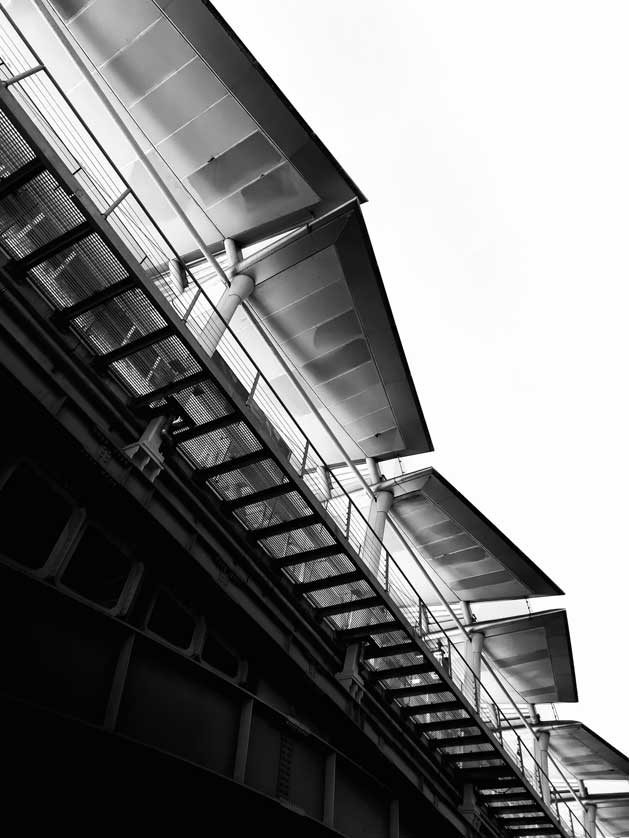
The original Blackfriars Station was opened in 1886 by the London, Chatham and Dover Railway. It was constructed on the site of a former monastery, the Dominican priory of Blackfriars, which gave the area its name. Mainline Thameslink has trains from Bedford, St Albans City and Luton from the north with rail connections from Brighton, Sevenoaks and Sutton in the south. Blackfriars Underground station is on the Circle and District lines, situated between Temple and Mansion House stations. The platforms of the new London Blackfriars Station, part of the Thameslink Programme from Bedford to Brighton, span the River Thames. It is near St. Paul's Cathedral, with the bridge built on the pillars of the existing Blackfriars rail bridge.

Euston Station
Euston Station is one of the busiest railway stations in the capital and serves as a gateway to several destinations in the West Midlands, North West England, Scotland, and other parts of the UK. Situated in the London Borough of Camden, the station is just to the northwest of central London. It is close to both St Pancras Station and King's Cross and just a short walk from Euston Square tube station. There are trains from Euston north to Stockport Station in Stockport, Manchester Piccadilly in Manchester, Birmingham New Street in Birmingham via Coventry, Shrewsbury, Crewe, Liverpool Lime Street, Stafford, Edinburgh Waverley in Edinburgh, and also to Glasgow.
Charing Cross Station
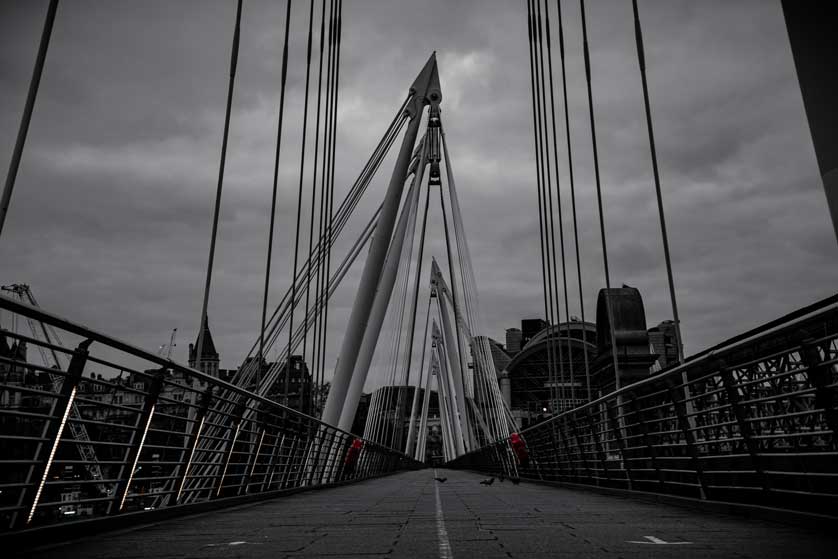
Charing Cross Station is situated on the northern side of the River Thames, just south of Trafalgar Square and close to many of London's popular landmarks and attractions. Charing Cross Station primarily serves trains operated by Southeastern, providing services to various destinations in southeast England, including Canterbury West, Dover Priory, Sevenoaks and Tunbridge Wells in Kent, Sussex, and parts of London's commuter belt. The station is served by two London Underground stations: Charing Cross and Embankment.

Farringdon Station
Farringdon Station is an historic railway station in London located just outside the boundaries of the City financial district in the London Borough of Islington. Farringdon Station is on Thameslink. There are trains to Brighton via Gatwick Airport, Rainham via Greenwich, Woolwich Arsenal, Dartford and Gravesend and Cambridge via Stevenage.
Finsbury Park Station
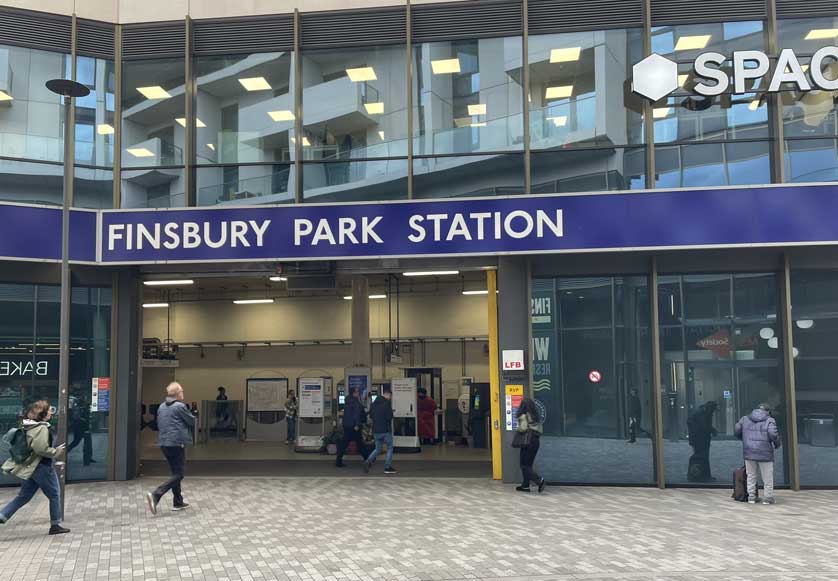
Finsbury Park Station is a busy railway station in North London, serving both National Rail and London Underground services. Located in Travelcard Zone 2, it provides connections between central London, suburban areas, and beyond. The station is a major interchange for commuters. Over 13 million passengers used the underground station in 2019.

King's Cross Station
King's Cross Station, or London King's Cross, is one of the major Victorian railway terminals built in London. It was the fifth terminal to be built in London and when opened in 1852 it was the largest railway station in the UK. Compared to most terminals built at this time it was remarkably simple and utilitarian in design, lacking the grandeur and ornamentation of other terminals like St Pancras Station immediately next door.

Liverpool Street Station
Liverpool Street Station was opened in 1874 by the Great Eastern Railway (GER). The station was designed by the architect Edward Wilson and named after the street on which it was located, which itself was named after the British Prime Minister Robert Banks Jenkinson, 2nd Earl of Liverpool. The station is situated in the northeastern part of central London, close to the financial district known as the City of London. It is located between Bishopsgate and Broadgate. Liverpool Street Station primarily serves destinations in the east and southeast of England, including Cambridge, Colchester, Ipswich, and Stansted Airport. The station is also a significant London Underground interchange, connecting several tube lines. The Central, Circle, Hammersmith & City, and Metropolitan lines all have stops at Liverpool Street, making it easy for commuters and travelers to access various parts of London. Now a station on the Elizabeth Line, Liverpool Street has trains to Heathrow Airport, Reading, Shenfield and London Paddington.

Paddington Station
Known locally simply as Paddington Station, London Paddington Station is one of the main railway terminals in London. It is also one of the first places many international visitors to London see. The station is where the trains from Heathrow Airport arrive, both the high-speed Heathrow Express which takes just 15 minutes and makes no stops after leaving Heathrow, and the service currently provided by TfL, which runs on the same route but makes stops at several stations along the route. Paddington is a terminal of the Great Western Line which connects with Bristol. It also connects with the South Wales Main Line that runs from Swindon to Swansea, and to the Reading - Taunton Line, and then to the Bristol to Exeter and Penzance Line. The Night Riviera Sleeper Train connects Paddington to Penzance in Cornwall with a nightly service 6 days week.
St Pancras International
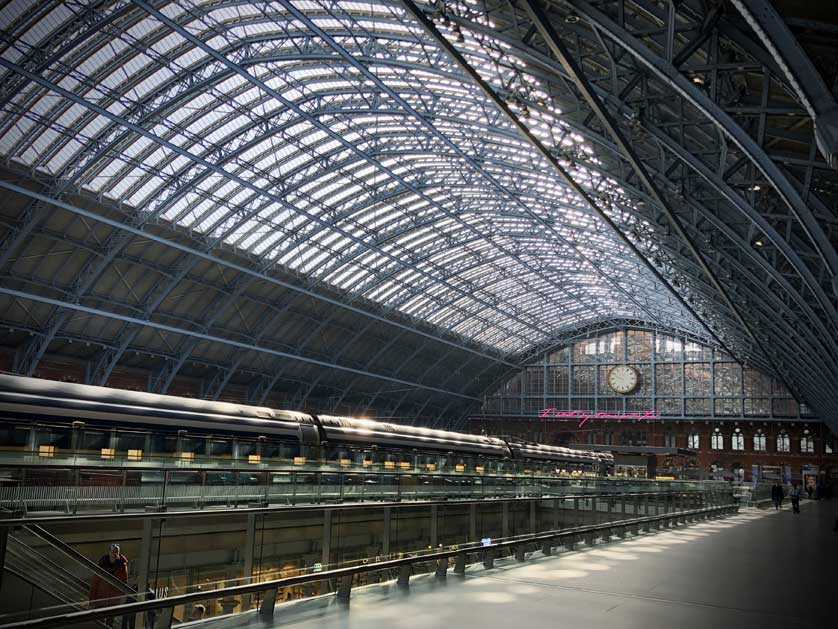
St Pancras (St Pancras International) is another major Victorian railway terminal built in London and is the terminus for Eurostar trains from Belgium, France and the Netherlands to London. It lies at the junction of Euston Road and Pancras Road and is one of the busiest railway stations in the UK. The station is adjacent to the British Library and is also now a shopping and dining hub. St Pancras Station was built as the terminal of the Midland Railway (MR) before it became part of BR and now East Midlands Railway (EMR) since privatization. There are connections north to Derby, Leicester, Nottingham, and Sheffield and smaller towns along the way. King's Cross St. Pancras is served by the Circle, Hammersmith & City, Metropolitan, Northern, Piccadilly, and Victoria tube lines.

Victoria Station
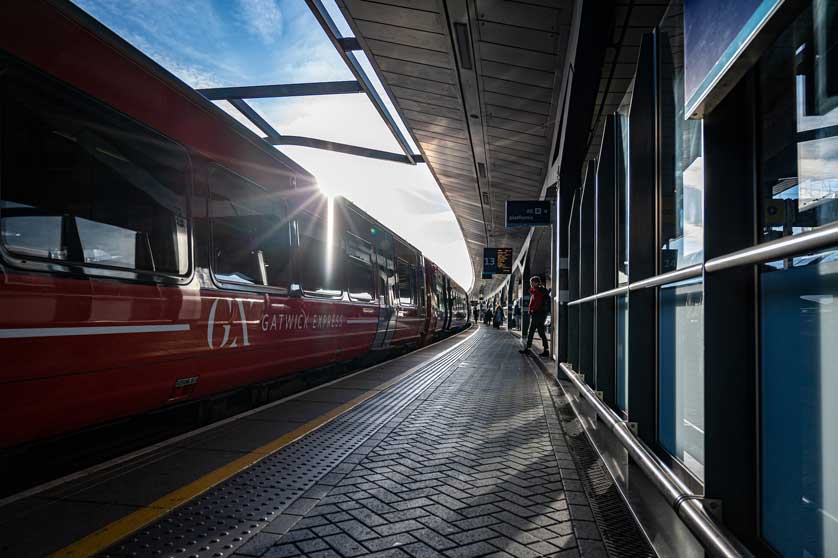
Victoria Station was opened in 1860 as the London Terminus for the London, Brighton and South Coast Railway (LB&SCR). It was named after Queen Victoria, who was the reigning monarch at the time. The station is situated in the southwestern part of central London, close to popular tourist attractions such as Buckingham Palace and Westminster Abbey. It is located on Victoria Street. Victoria Station serves as a major terminal for train services to Southern England and the south coast, operated by companies like Southern and Gatwick Express. It provides connections to destinations such as Brighton, Gatwick Airport, Eastbourne, and Southampton. The station is a vital interchange on the London Underground network, providing access to the Circle, District, and Victoria lines. The Victoria Line, in particular, is one of the busiest and fastest routes through London, connecting the station to various parts of the city. Victoria Station is the terminus for the Gatwick Express, a dedicated airport rail service that connects central London with Gatwick Airport, one of the major international airports serving the city.

Waterloo Station
Waterloo Station in London is the busiest railway station in the capital. Situated south of the River Thames in the London Borough of Lambeth, the station is close to some of London's major attractions such as the Houses of Parliament, Big Ben and Westminster Abbey. London Waterloo is the terminus for trains towards the south coast and the south-west of England. Presently regular trains are operated by South Western Railway. There are trains to Woking via Clapham Junction, Basingstoke, Salisbury, Axminster, and Exeter St David's in Exeter, via Yeovil Junction. Other destinations from Waterloo are Weymouth via Basingstoke, Southampton Central and Bournemouth on the South West Main Line. There are also trains from Waterloo to Portsmouth Harbour, Hampton Court, Guildford, Leatherhead and to Windsor & Eton Riverside for Eton College and Windsor Castle. Nearby London Waterloo East Station has trains to southeast London, Kent and parts of East Sussex. All regular services are operated by Southeastern.
Related
Hotels in London
Book Hotels in London - Booking.com
Find Luxury Hotels in London - Booking.com
Budget Hotels in London - Booking.com
Find Hotels in England - Booking.com