Fishbourne Roman Palace
Fishbourne Roman Palace, near Chichester, Sussex

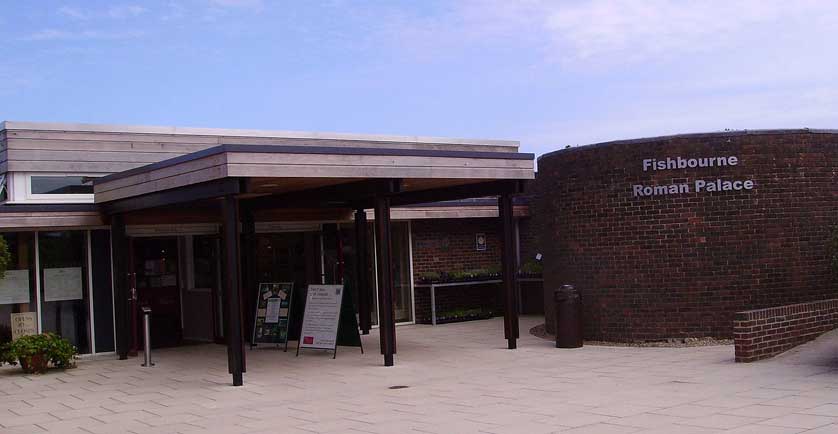
Fishbourne Roman Palace (Fishbourne Villa) near Chichester in Sussex was a very large Romano-British stately home of its day.
It is the largest residential Roman building discovered in Britain. Indeed, in size it rivals Buckingham Palace and Nero's massive Golden House in Rome.
Cogidubnus (aka Togidubnus), a local chieftain and Roman ally, is thought to have been the owner of this huge and opulent home. However, this is by no means 100% certain. We may never know.

History
Historians believe the palace dates from the first century, burnt down in the 3rd century after a disastrous fire and was then subsequently abandoned.
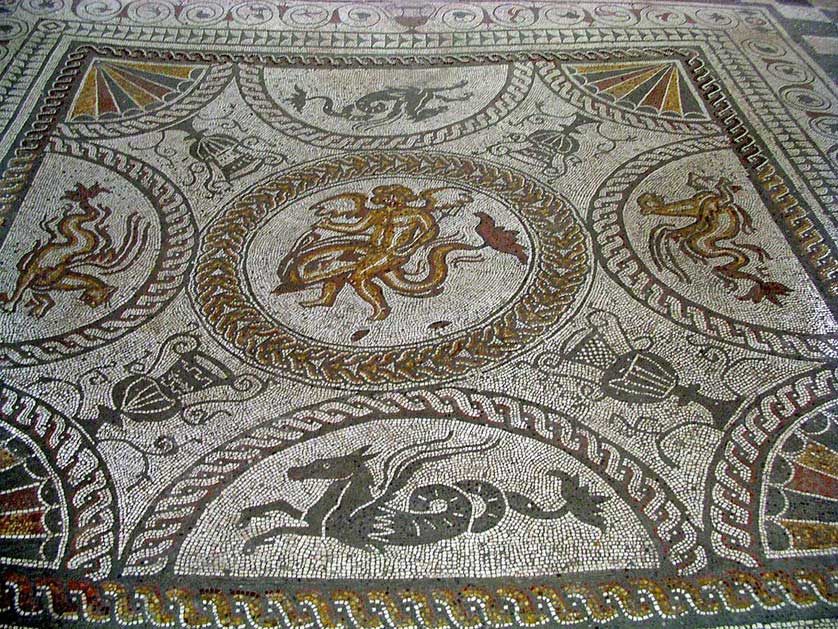
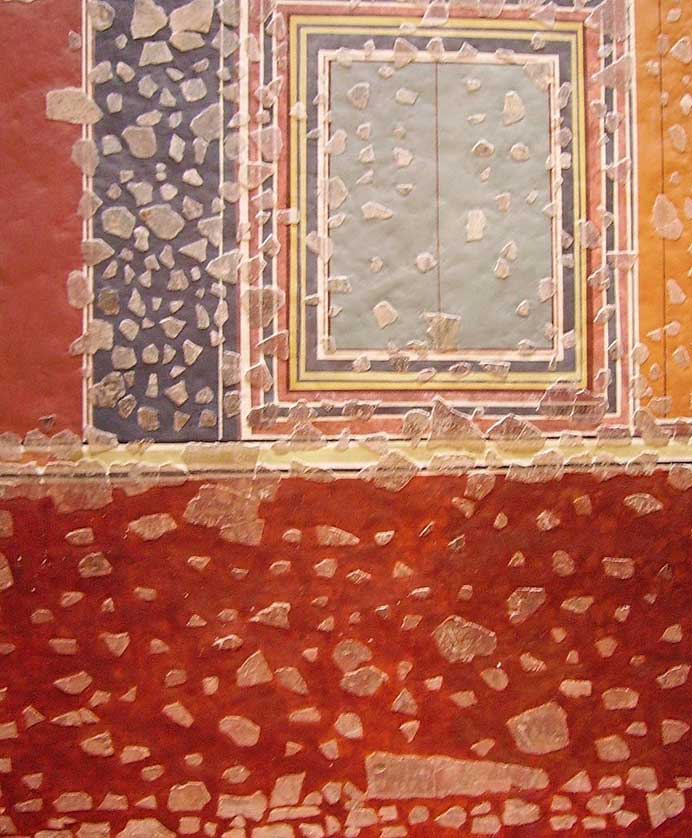
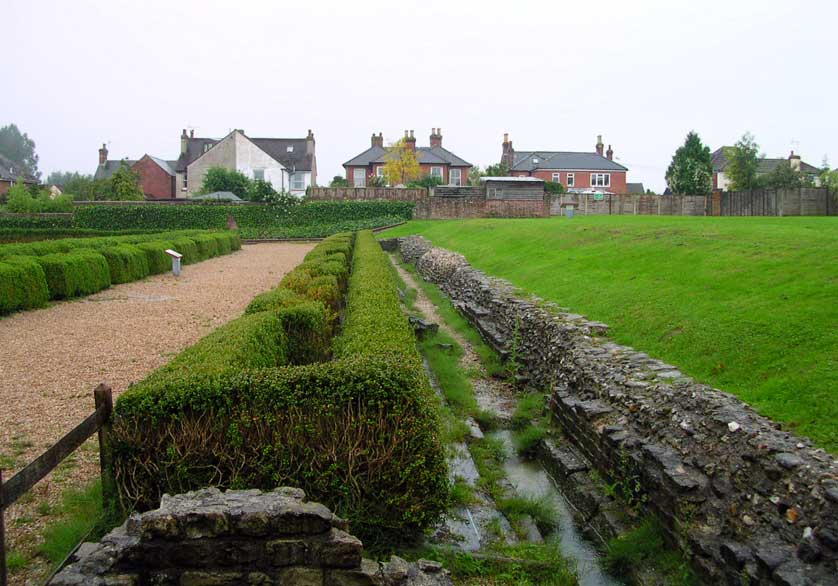
Excavations on the site began in the 1960s and discovered courtyards, some superb mosaics, under floor heating systems and wall paintings which are now included in the Fishbourne Roman Palace Museum.
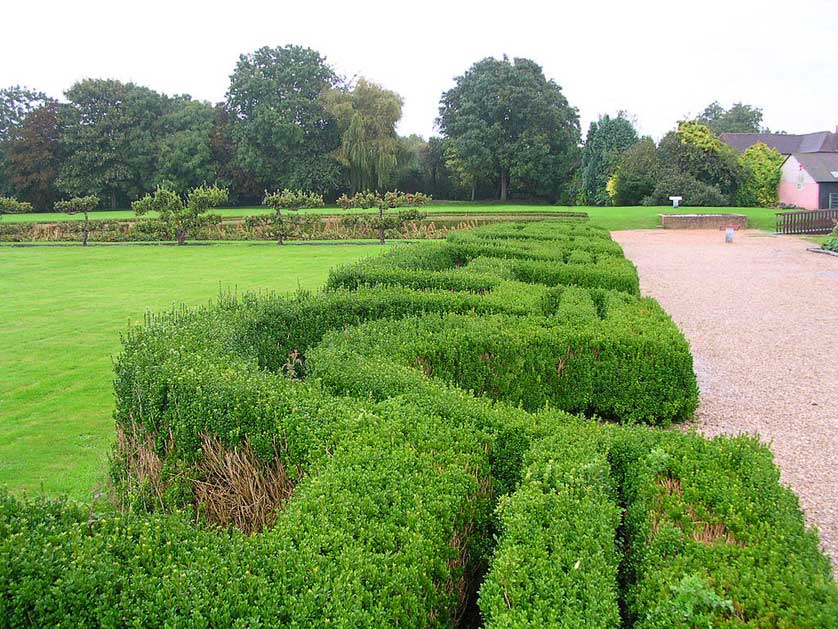
In fact, the site contains the largest collection of mosaics in Britain including the Dolphin mosaic. The gardens are also the earliest formal gardens in the country.
The site was discovered by accident in the 1960s when a mechanical digger began to lay a trench for a water pipe and discovered the amazing historical riches beneath the soil.
The subsequent dig was organized by archeologist Barry Cunliffe from Oxford University with the aid of at most a hundred volunteers. Cunliffe persuaded a wealthy benefactor to purchase the land to preserve the findings for posterity.
From then on the site has been further excavated and knowledge of its history has gradually increased.
Cogidubnus
Cogidubnus (Tiberius Claudius Cogidubnus) the presumed owner of the palace was a Roman client king.
However, the history of the time is by no means conclusive and the palace may have been the luxurious home of a Roman governor.
Close to present-day Chichester in Sussex, the area in Roman times was controlled by the Atrebates tribe. Close to the sea, with communications with the wider Roman Empire, the area would have been a prosperous one in Roman Britain.
Architecture & Layout
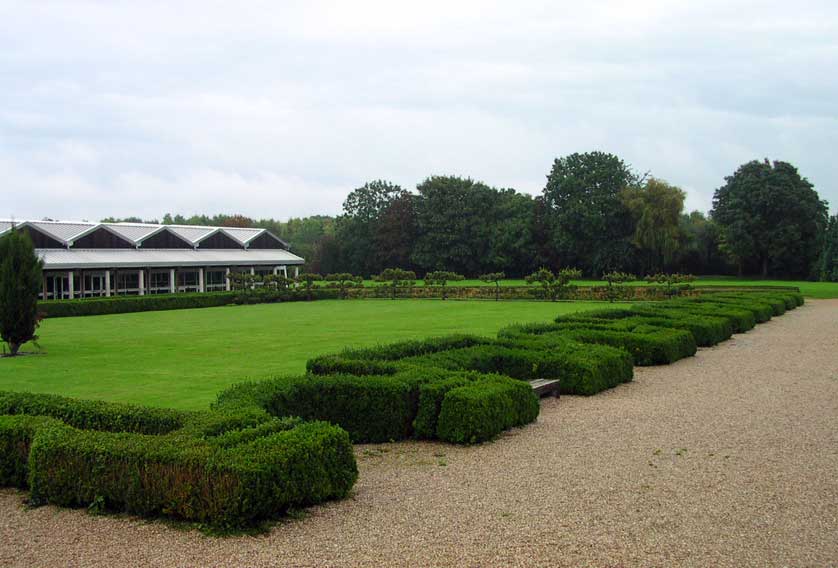
The palace had four residential, colonnaded wings surrounding a formal courtyard garden. The various rooms were arranged in suites with a central bath house and assembly room.
It is thought around 1,000 people may have been in residence at any one time including cooks, gardeners, guards, and slaves.
The palace was both technologically advanced and richly decorated. It had fountains, mosaics, under floor heating and colorful wall paintings.

Access - how to get to Fishbourne Palace
Roman Way
Fishbourne
Chichester PO19 3QR
Tel: 01243 785859
Chichester is under 3 hours by car from London. East of Portsmouth on the south coast by train from the capital, Chichester is about 90 minutes from Victoria Station. From Portsmouth it is 20 minutes by train.
The nearest railway station to the palace is Fishbourne just 10 minutes or less on foot.
Nearby
The pleasant, market town of Chichester still retains parts of its original Roman street plan. Known as Noviomagus Reginorum during the Roman period, the recent Novium Museum is built over the town's Roman baths. Built in 2012, the museum is on three floors with the Bath complex on the ground floor. As well as a mosaic discovered at Chilgrove Roman Villa and other Roman pieces, the Novium houses the collection of the former Chichester District Museum.
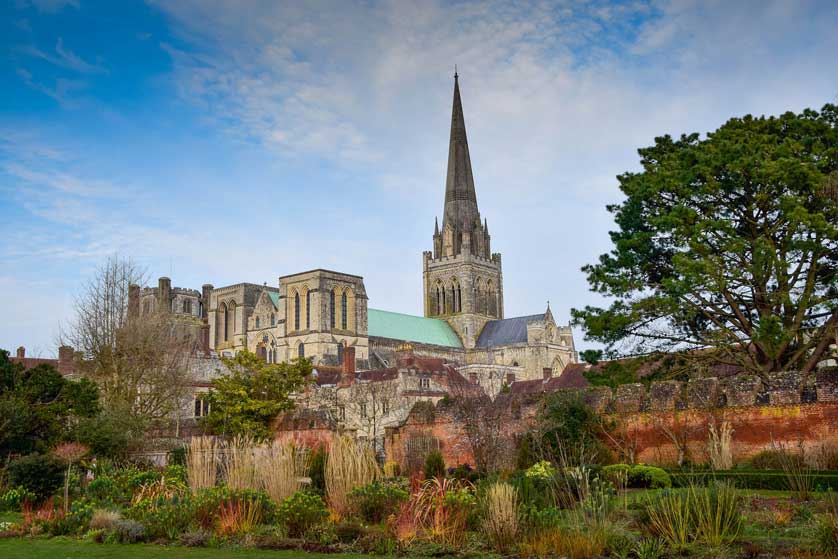
Other attractions include a 16th-century Market Cross and the impressive and ancient Chichester Cathedral.
The cathedral dates originally from the 11th century but the building visitors see today is largely 14th century Gothic, following a fire which largely destroyed the original.
The interior inspired the poet Philip Larkin to pen An Arundel Tomb and is now richly decorated with contemporary art including a stained glass window by Marc Chagall and a painting by Graham Sutherland. A pair of 12th century reliefs in the south aisle are considered some of the finest Romanesque carvings in England.
Chichester also has some fine Georgian architecture. Visit the Guildhall and the interesting Pallant House Gallery with pieces by Barbara Hepworth, Henry Moore and Graham Sutherland.
Bignor Roman Villa also close to Chichester may not be on such a scale as Fishbourne Roman Palace but it boasts some of the finest Roman era mosaics in Britain. Discovered in the early 19th century, historians and archaeologists believe the site was a Romano-British villa that must have belonged to a wealthy farming family.
Accommodation
Chichester has some excellent places to stay including Chichester Park Hotel, The Goodwood Hotel and Chichester Harbour Hotel and Spa.
See a full listing of hotels in Chichester in Sussex.
Map
Hotels in London
Book Hotels in London - Booking.com
Find Luxury Hotels in London - Booking.com
Budget Hotels in London - Booking.com
Find Hotels in England - Booking.com
London Offers
London Attractions Tickets - Tiqets.com