Attractions in the UK: The Top 10 Most Visited Attractions in Britain
The top 10 most visited attractions in the UK according to the Association of Leading Visitor Attractions (ALVA) for 2025 were the Natural History Museum (South Kensington), The British Museum, The Crown Estate, Windsor Great Park, Tate Modern, The National Gallery, Southbank Centre (building), V&A South Kensington, Somerset House, the Tower of London and the Science Museum.
From 11 to 20 the list was Royal Museums Greenwich, National Museum of Scotland, Royal Botanic Gardens Kew, Royal Shakespeare Company London Theatres, Edinburgh Castle, National Galleries Scotland: National, Royal Albert Hall, Westminster Abbey, The Barbican Centre, and National Portrait Gallery.
Natural History Museum (7,116,929)
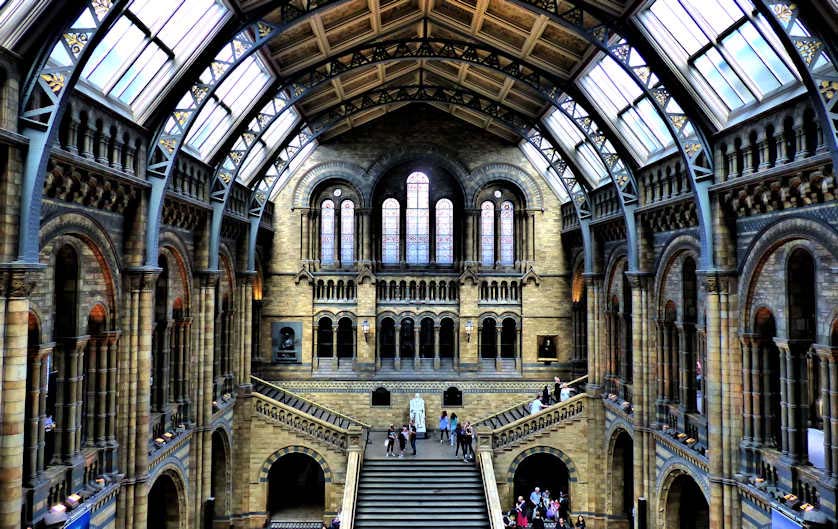
The National History Museum overtook the British Museum to become the number one most visited attraction in the UK in 2025 with over 7 million visitors. Originally the Natural History department of the British Museum, the department's collections outgrew its space and a new building was called for. In 1963 the museum officially separated from the British Museum but did not change the name to Natural History Museum until 1992. The museum covers five major life sciences, botany; the science of plant life, entomology; all about insects and creepy crawlies, mineralogy; a part of geology, paleontology; all about fossils, and of course zoology, the study of animals of all kinds.
British Museum (6,440,120)
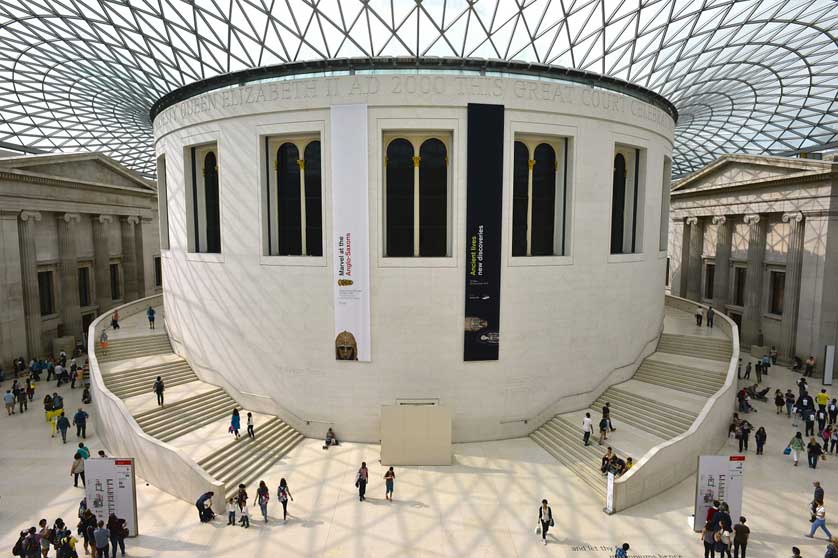
The British Museum has its origins in the collection of Sir Hans Sloane (1660-1753), the Irish physician and collector who also founded the excellent Chelsea Physic Garden and after whom Sloane Square and Sloane Street in London are named. The basic collection of manuscripts, books, natural history specimens and antiquities was increased by gifts, purchases, and arguably imperial theft and loot from Britain's empire over the following centuries. The British Museum is the oldest public museum in the world and was founded in 1753. The Ashmolean Museum in Oxford is older but was begun as a private, university collection. The main building and famous facade of the British Museum was designed by architect Robert Smirke (1780-1867) and now contains the Great Court designed by Sir Norman Foster and the Reading Room where Karl Marx, Mahatma Gandhi and George Bernard Shaw sought inspiration, read and wrote.
The Crown Estate, Windsor Great Park (4,978,299)
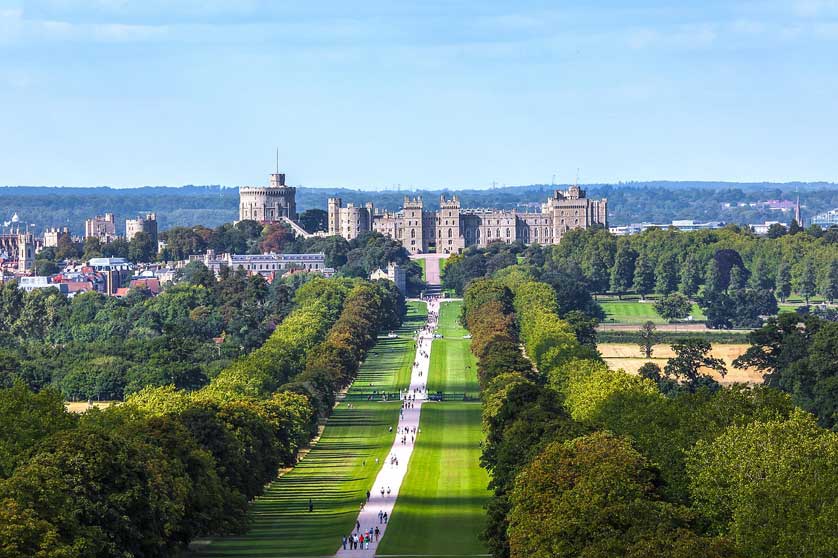
The Crown Estate, Windsor Great Park in Windsor near London is an ancient royal landscape with over 1,000 years of history, featuring one of the world's largest collections of veteran oak trees, rare wildlife habitats, and the distinction of being the only royal park managed directly by The Crown Estate rather than The Royal Parks. Landmarks include the sweeping, tree-lined 2.65-mile Long Walk and the Copper Horse statue of King George III. Nearby Windsor Castle has the distinction of being the largest occupied castle in the world as well as being the longest occupied palace in Europe. Since 1917 Windsor has been the family name of the Royal Family, and the castle keep is central in the family crest.
Tate Modern (4,514,266)
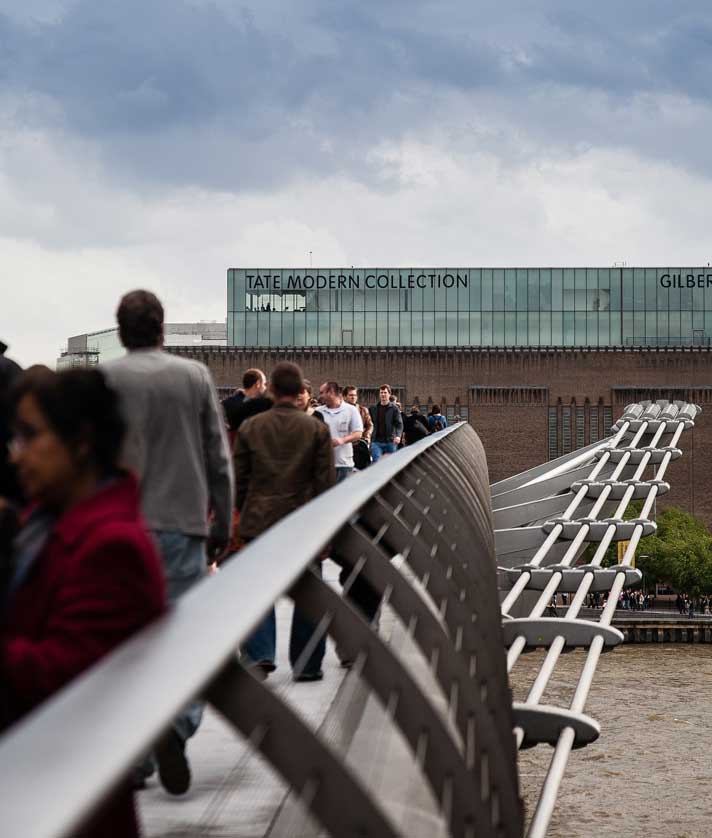
Tate Modern is housed in the former Bankside Power Station on the River Thames in London designed by Sir Giles Gilbert Scott. The Tate Modern showcases works of international modern and contemporary art dating from 1900 to the present and displays its art by theme rather than time period. The permanent collection is displayed on levels three and five of the building, while level four hosts larger temporary exhibitions and a smaller space on level two houses work by contemporary artists. The massive building's old oil tanks are repurposed for live performances, film, and video.
National Gallery (4,147,544)
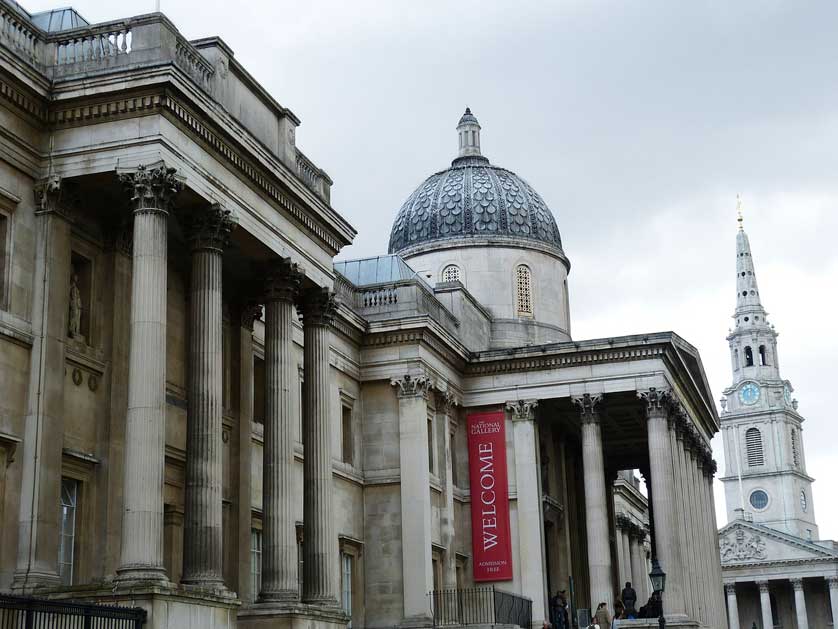
The National Gallery, along with the nearby British Museum, is one of London's and Britain's richest repositories of classical art. Located on the north side of Trafalgar Square in the center of the capital, the National Gallery holds over 2,300 paintings dating from the mid-13th century to the early 20th century.
The National Gallery was founded in 1824 when the British government of the day purchased the 38 painting collection of the businessman John Julius Angerstein (1732-1823) on his death. Later private donations added to the size of the collection and gifts account for two thirds of the paintings on display or in storage. The building on Trafalgar Square was designed by William Wilkins and constructed between 1832 and 1838. Only the façade is original from this time as the National Gallery underwent a series of demolitions, renovations and extensions over time including the Neoclassical Barry Rooms by Edward Middleton Barry and central staircase and entrance hall designed by James Taylor in the late 19th century.
Collections at the National Gallery cover the period between the mid-13th century to the early 20th century with all the major traditions of Western European painting represented from religious art of the 13th-15th centuries to Renaissance Italy to the French Impressionists. The paintings of the 13th to 15th century include works by Bellini, Botticelli, Dürer, Mantegna, Memling, Lippi, Uccello and van Eyck. The 16th century is represented by paintings by such great painters as Bruegel, Holbein, Leonardo da Vinci, Michelangelo, Raphael and Titian. Caravaggio, Poussin, Rembrandt, Rubens, Van Dyck and Velázquez and Vermeer are some of the artists representing the 17th century. Works from the 18th to early 20th century are by such artists as Canaletto, Cézanne, Constable, Degas, Goya, Monet, Turner and Van Gogh.
Southbank Centre (3,423,648)

The Southbank Centre is the largest arts center in the UK, a symbol of post-war optimism born from the 1951 Festival of Britain, and a vibrant riverside cultural hub on the south bank of the River Thames opposite the Houses of Parliament and Big Ben.
The venue includes the Royal Festival Hall a massive, world-famous concert hall originally built for the 1951 festival, the Hayward Gallery, a contemporary art gallery hosting major international exhibitions, Queen Elizabeth Hall and the Purcell Room both intimate performance spaces for music, dance, and talks, the National Poetry Library which houses the UK's most comprehensive collection of modern poetry and The Undercroft, a concrete space underneath that became the historic birthplace of British skateboarding.
The space is recognized for its concrete brutalist design, which holds Grade II-listed building status. In addition, the Southbank is home to such annual cultural events as the Meltdown music festival, the London Jazz Festival, and the London Literature Festival. Over half of its 5,000 yearly events are entirely free for the public to enjoy, mixing indoor arts with outdoor riverfront markets and art installations.
V&A South Kensington (3,332,300)

The V&A (Victoria & Albert Museum) in Kensington, London is quite simply one of the best museums anywhere in the world. It is also one of the biggest art museums anywhere with a collection of more than 2.27 million objects. Covering more than 12 acres, if you were to spend just 5 minutes in each of its 145 galleries it would take you more than 12 hours to see everything, which is why it is best to plan on at least a day for a visit, if not more. The focus of the museum's collection is on applied and decorative arts and sculpture. It tries not to overlap too much with other major collections, for instance objects from the classical world of the West and the Ancient Near East will be found at the British Museum, and Western paintings will be at the National Gallery.
Somerset House (2,895,010)

Somerset House near Waterloo Bridge on the River Thames and south of The Strand is an imposing neo-classical building designed by architect Sir William Chambers. It was built between 1776 and 1796. The North or Strand block of Somerset House houses the Courtauld Gallery with its famed collection of Impressionist and Post-Impressionist French art. The Courtyard features 55 dancing fountains in the summer and a popular ice-skating rink in the winter. The venue also hosts open-air music concerts, contemporary art shows, and design fairs.
The Tower of London (2,817,852)
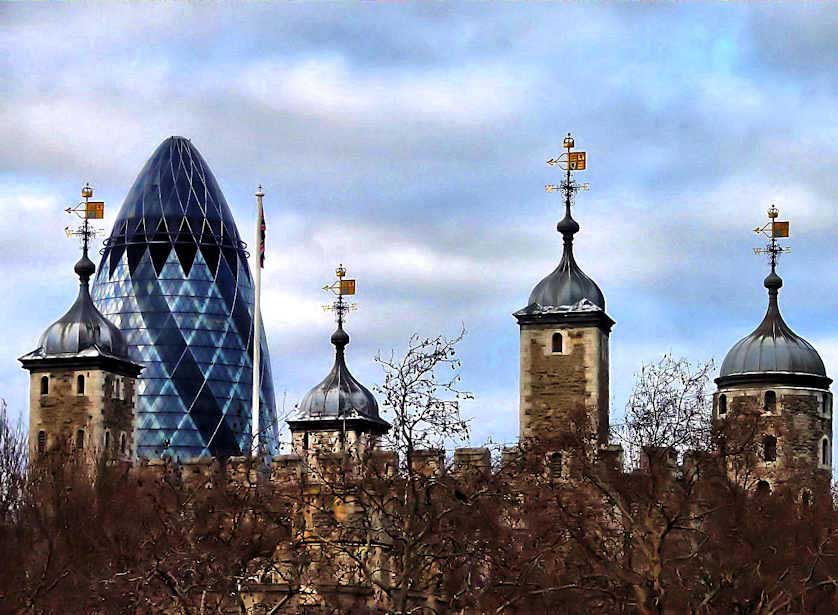
The Tower of London, aka Her Majesty's Royal Palace and Fortress, on the north bank of the River Thames in central London serves as a secure fortress and museum. It houses the nation's glittering Crown Jewels, once served as an infamous royal prison, and is guarded by legendary Beefeaters and resident ravens. Built by William the Conqueror in 1066 to show power over the city it is centered around the massive stone White Tower, built in 1078. At first, it would have been a simple wooden palisade but took shape as a stone castle during the 1070s and 1080s. It was probably completed by 1100.
Science Museum (2,640,417)

London's Science Museum is a huge, free to enter, museum devoted to science and technology suitable for all members of the family. It the most-visited science museum in Europe. Though located in an early 20th century building, the interior is sleek and modern. It is located on Exhibition Road in South Kensington, just a stone's throw from both the Natural History Museum and the Victoria & Albert Museum. The Science Museum is one of the five museums in the Science Museum Group that also includes the Science & Industry Museum in Manchester and the National Railway Museum in York. The other two museums in the group are the National Science and Media Museum in Bradford and the National Railway Museum, Locomotion in Shildon, Durham.
More on UK Attractions
Best British Castles - our selection of the top 10 castles in Britain are here.
Top 10 Most Visited Castles in the UK - the most visited castles in Britain.
Scottish Castles - a listing of Scotland's best castles.
Welsh Castles - a listing of some of the finest castles in Wales.
Hotels in the UK
Book Hotels in England - Booking.com
Find Accommodation in London - Booking.com
Search Hotels in Scotland - Booking.com
Hotels in Northern Ireland - Booking.com