UNESCO Biosphere Reserves in the UK
UNESCO Biosphere Reserves in the UK
There are presently seven designated UNESCO Biosphere Reserves in the UK.
They are Brighton and Lewes Downs, Galloway and Southern Ayrshire, the Dyfi Valley in Wales, North Devon, the Isle of Man, the Isle of Wight and Wester Ross including the Kyle of Lochalsh in Scotland.
Biosphere Reserves are managed ecosystems where man lives in harmony with the natural environment.
See a listing of the UK's Biosphere Reserves and the date they were added to the UNESCO list in brackets.
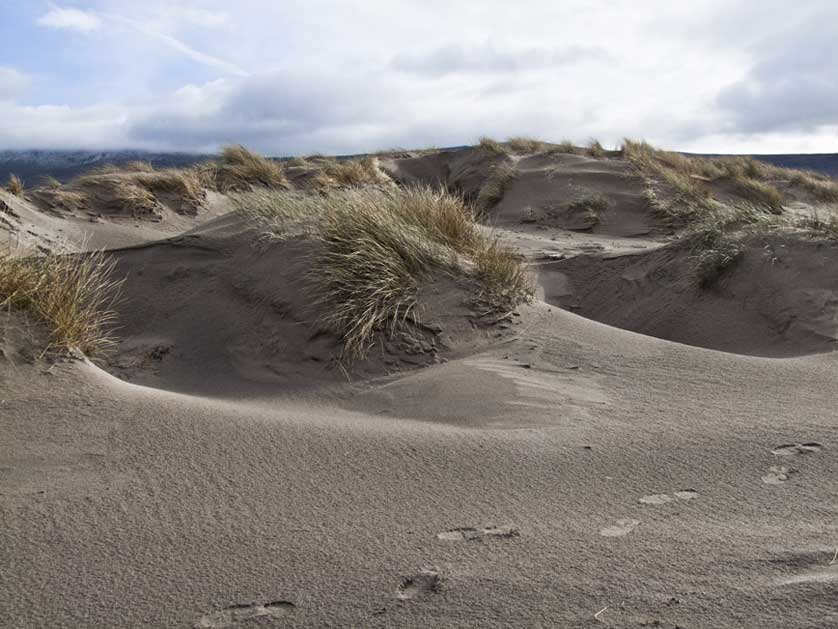
Biosffer Dyfi (1977)
The Dyfi Valley biosphere in south central Wales north of Aberystwyth is where the River Dyfi flows into the sea.
The estuary is marked by salt marshes and is home to many species of migrating birds. Cors Fochno (aka Borth Bog) is an area of raised peat bog also with significant bird and animal populations including adders, badgers, common buzzards, hen harriers, otters, peregrines and red kites. Ynyslas on the coast is an area of sand dunes. Upstream are the remnants of old oak forests.
The Dyfi Valley Way runs 174 miles alongside both banks of the river, which has traditionally marked the divide between North and South Wales.
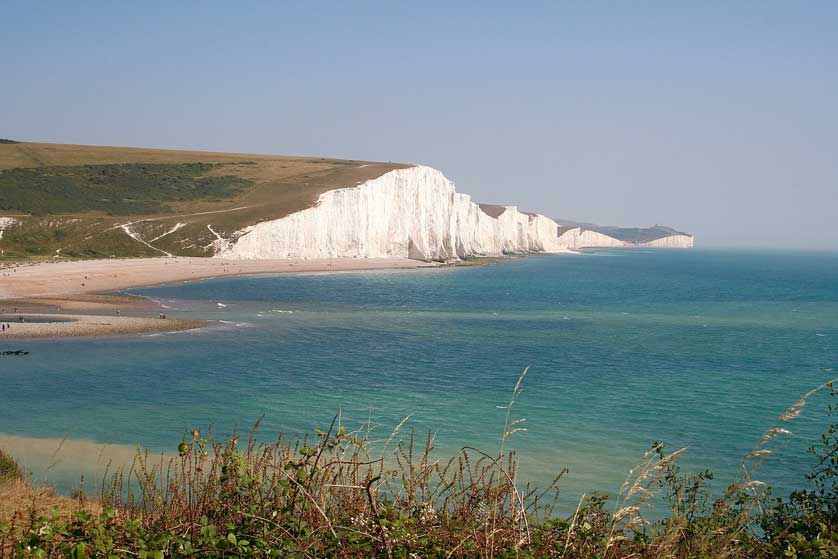
Brighton & Lewes Downs (2014)
The Brighton & Lewes Downs on the south coast of England is part of the larger South Downs National Park.
The area is marked by impressive chalk cliffs and the estuaries of the River Adur and the River Ouse.
Various species of animals, birds and plants are found in the region including eels, hedgehogs and yellowhammers.
The main towns in the area are Brighton & Hove, Lewes, Newhaven and Shoreham.
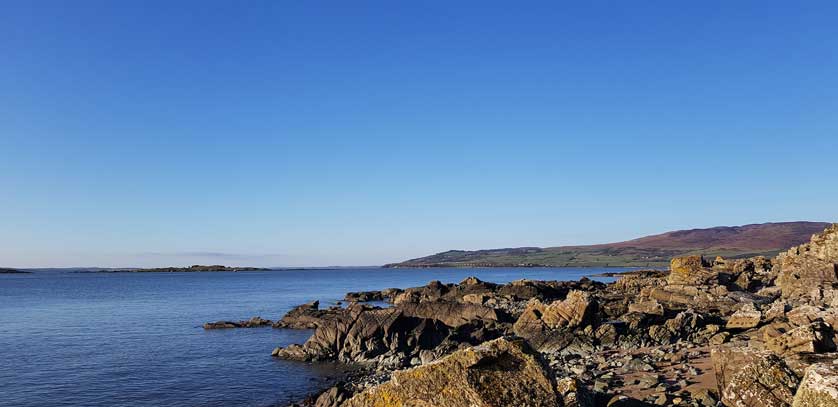
Galloway and Southern Ayrshire (2012)
The Galloway and Southern Ayrshire biosphere is centered on Merrick a mountain of over 800 meters. Rivers flow from the mountain down through farmland and forest to the sea.
This pristine landscape of bogs, heath land and mires is home to golden eagles and other birds of prey.
The towns of Ayr, Dumfries and Stranraer lie outside the designated area which has a population of around 95,000 people with a low population density.
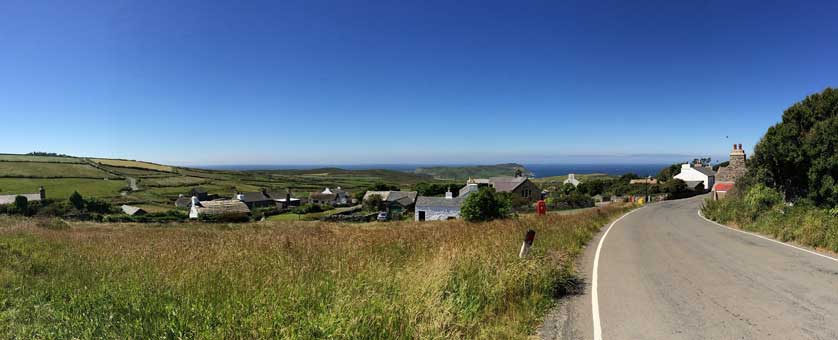
Isle of Man (2016)
The Isle of Man is a self-governing island in the Irish Sea roughly midway between England, Scotland and Ireland.
The island is known for its mix of long beaches, forest glens and rich farmland and has been a centre of tourism since Victorian times.
Wildlife includes Atlantic cod, bats, dolphins, European eel, lizards and basking sharks. Shellfish are harvested on the island's coastline.
Around 85,000 people altogether live on the island whose main settlements are Castletown, Douglas, Laxay, Peel and Ramsey.

Isle of Wight (2019)
The Isle of Wight is the largest island off the coast of England. It is separated from the county of Hampshire by the Solent.
It is the most recent of the UK's biospheres having been added to the list in 2019.
The island's diverse land capes include chalk cliffs such as The Needles now the Isle of Wight's most iconic and popular tourist attraction.
Tennyson Down is part of a chalk ridge that ends with The Needles. The Down is now owned and managed by the National Trust.
Wildlife on the island includes dormouse, various species of bats and red squirrels.

North Devon (1976)
The North Devon biosphere includes the estuary formed by the Taw and Torridge Rivers.
An area of coastal dunes is backed by mud flats, salt marshes as well as lowland farmland, grassland and woodland.
Red Deer, European Otter, basking sharks and Atlantic salmon are just some of the many animals living in this rich natural environment.
The South West Coast Path runs through the biosphere.

Wester Ross (1976)
The Wester Ross biosphere in northwest Scotland includes the settlements of Kyle of Lochalsh, Lochcarron, Gairloch and Ullapool.
This sparsely populated area is an enchanting land of beaches, castles, forests, lakes and mountains. The latter include the isolated peaks of An Teallach, Beinn Eighe, Ben Mor Coigach, and Slioch.
The area's remaining ancient woodlands include patches of birch, oak and pine mixed with heath land, peat bogs and wet grassland.
The coast land is sheltered by the islands of Raasay and Skye to the west.
Related
UNESCO Global Geoparks in the UK
Portugal's UNESCO Biosphere Reserves

Hotels in London
Book Hotels in London - Booking.com
Find Luxury Hotels in London - Booking.com
Budget Hotels in London - Booking.com
Find Hotels in England - Booking.com