UNESCO Global Geoparks in the UK
Global Geoparks in the UK
There are presently nine designated UNESCO Global Geoparks in the UK.
They are Black Country, Cuilcagh Lakelands UNESCO Global Geopark* (Ireland & United Kingdom of Great Britain and Northern Ireland), the English Riviera, Fforest Fawr, GeoMôn, Mourne Gullion Strangford, North Pennines AONB, North-West Highlands, and Shetland UNESCO Global Geopark in Scotland.
Global Geoparks are "single, unified geographical areas where sites and landscapes of international geological significance are managed with a holistic concept of protection, education and sustainable development. A UNESCO Global Geopark uses its geological heritage, in connection with all other aspects of the area's natural and cultural heritage, to enhance awareness and understanding of key issues facing society, such as using our earth's resources sustainably, mitigating the effects of climate change and reducing natural hazard-related risks."
The designation as a UNESCO Global Geopark not only highlights the geological importance of a designated area but also promotes sustainable development, education, and tourism initiatives within that region.

Black Country UNESCO Global Geopark
The Black Country UNESCO Global Geopark is a designated area recognized by UNESCO for its geological significance and cultural heritage. Located in the West Midlands region of England, the Black Country Geopark encompasses parts of Dudley, Sandwell, Walsall, and Wolverhampton.
The area gained UNESCO Global Geopark status due to its unique geological features, which include evidence of the industrial revolution, coal mining history, limestone caves, and geological formations. It also showcases the impact of human activities on the landscape over centuries.

Cuilcagh Lakelands UNESCO Global Geopark
The Cuilcagh Lakelands UNESCO Global Geopark is located in County Fermanagh, Northern Ireland, and County Cavan, Republic of Ireland. Designated as a UNESCO Global Geopark in 2001, it encompasses a diverse range of geological, ecological, and cultural features.
The geopark is named after Cuilcagh Mountain, which is one of its prominent geological features. The area boasts stunning landscapes, including rugged mountains, expansive lakes, and unique karst limestone formations. Marble Arch Caves, a network of underground caverns, is one of the highlights within the geopark and offers visitors an opportunity to explore underground wonders.
Aside from its geological significance, the Cuilcagh Lakelands Geopark is rich in biodiversity, with diverse flora and fauna inhabiting its various habitats. The area also has a rich cultural heritage, with evidence of human activity dating back thousands of years, including ancient settlements, megalithic tombs, and traditional farming practices.

English Riviera UNESCO Global Geopark
The English Riviera UNESCO Global Geopark is located in South Devon, England, and was designated as a UNESCO Global Geopark in 2007. It encompasses the towns of Torquay, Paignton, and Brixham, along with surrounding areas, and is known for its stunning coastline, diverse geology, and rich cultural heritage.
The geopark showcases a variety of geological features, including dramatic cliffs, sandy beaches, rocky shores, and ancient rock formations. These geological formations provide a record of millions of years of Earth's history, with evidence of ancient marine environments, volcanic activity, and tectonic movements.
In addition to its geological significance, the English Riviera Geopark is renowned for its biodiversity, with a wealth of flora and fauna inhabiting its coastal and inland habitats. The area is also steeped in cultural heritage, with evidence of human activity dating back thousands of years, including prehistoric settlements, medieval castles, and historic villages.

Fforest Fawr UNESCO Global Geopark
The Fforest Fawr UNESCO Global Geopark is situated in South Wales, UK, and was designated as a UNESCO Global Geopark in 2005. It covers a diverse area that includes parts of the Brecon Beacons National Park, the Fforest Fawr uplands, and the valleys of South Wales.
This geopark is known for its exceptional geological features, including rugged mountains, ancient rocks, dramatic waterfalls, and expansive caves. The landscape provides a record of geological processes spanning hundreds of millions of years, from ancient oceans and volcanic activity to glaciation and erosion.
GeoMôn UNESCO Global Geopark
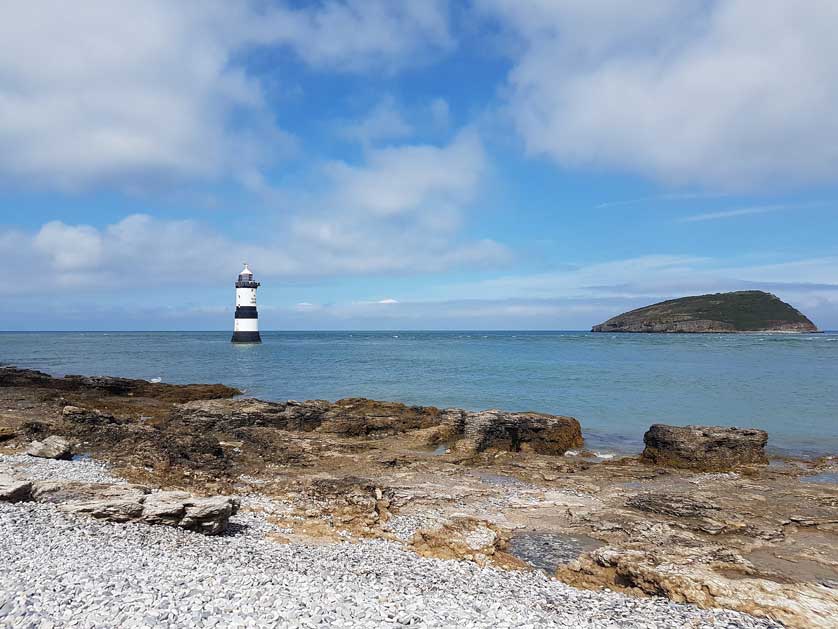
The GeoMôn UNESCO Global Geopark is located on the Isle of Anglesey in North Wales, UK. Designated as a UNESCO Global Geopark in 2020, it is one of the newest geoparks in the United Kingdom.
GeoMôn showcases a diverse range of geological features that provide insight into the island's geological history, which spans hundreds of millions of years. These features include ancient rocks, stunning coastlines, volcanic landscapes, and evidence of past glaciation.

Mourne Gullion Strangford UNESCO Global Geopark
The Mourne Gullion Strangford UNESCO Global Geopark is located in Northern Ireland, covering an area that includes the Mourne Mountains, the Ring of Gullion, and the Strangford Lough, a large sea lough or inlet in County Down. Designated as a UNESCO Global Geopark in 2015, it is recognized for its outstanding geological features, biodiversity, and cultural heritage.
The geopark showcases a diverse range of geological formations, including granite mountains, volcanic landscapes, coastal cliffs, and glacial valleys.

North Pennines AONB UNESCO Global Geopark
The North Pennines Area of Natural Beauty (AONB) is located in northern England encompassing parts of the counties of Durham, Northumberland and Cumbria. The area is known for its stunning landscapes, diverse wildlife, and rich cultural heritage. It includes rugged moorland, picturesque dales, and historic towns and villages, making it a haven for outdoor enthusiasts and nature lovers.

North West Highlands UNESCO Global Geopark
The North West Highlands Geopark is renowned for its outstanding geological features, including some of the oldest rocks in Europe, dramatic mountain landscapes, deep glacial valleys, and rugged coastline. These geological formations provide a glimpse into the Earth's ancient history, spanning over three billion years.
Designated as a UNESCO Global Geopark in 2004, it covers an area of around 2000 square kilometers.

Shetland UNESCO Global Geopark
Shetland, located in the northernmost part of Scotland, comprises a group of islands known for their stunning landscapes, unique geology, and rich history. The islands boast a diverse range of geological formations, including ancient rocks, dramatic sea cliffs, and evidence of past glaciation.
In addition to its geological significance, Shetland is home to a rich biodiversity, with diverse habitats supporting a variety of plant and animal species, including seabird colonies and marine mammals.
Shetland UNESCO Global Geopark is managed by Shetland Amenity Trust.
Related
UK's UNESCO Biosphere Reserves
Portugal's UNESCO Biosphere Reserves

Hotels in London
Book Hotels in London - Booking.com
Find Luxury Hotels in London - Booking.com
Budget Hotels in London - Booking.com
Find Hotels in England - Booking.com