National Trust Properties in South West England
National Trust Houses & Gardens in the South West

The National Trust was established in 1895 to help preserve Britain's heritage. Its mission to "promote the permanent preservation for the benefit of the Nation of lands and tenements (including buildings) of beauty or historic interest."
The charity now administers and protects historic properties all over the country. These include over 500 historic houses and industrial properties, castles, gardens, parks, stately homes and nature reserves.
Many of these can be found in the beautiful south west of the country in the traditional counties of Cornwall, Devon, Dorset, Gloucestershire, Hampshire, Somerset and Wiltshire.
Well-connected with the capital London, the south west of England is best explored from a local base in Bath, Bristol, Cardiff, Exeter, the Cotswolds, Plymouth or Southampton.
A good way to see many of these places at a lower cost is to purchase a one year National Trust membership.
See a listing of National Trust properties in the south west of England.

Cornwall
National Trust Properties in Cornwall include Bedruthan Steps, Boscastle Inner Harbour, Cotehele House, Kynance Cove on The Lizard, Lanhydrock House, Levant Mine & Beam Engine, Port Quin, and St Michael's Mount. Many are accessible if walking the Cornwall Coast Path.
St Michael's Mount
St Michael's Mount is a small, tidal island topped with a castle and chapel, located about 500 meters offshore from the village of Marazion. St Michael's Mount can be seen from every point on the sweeping arc of Mount's Bay.
For about half of the time, from halfway to low tide until halfway to high tide the island is accessible on foot via a causeway made of granite blocks, and this is by far the most popular way to reach the island, but for the rest of the time a small ferry operates.
It was not always an island, the name for the mount in Cornish means "Grey Rock in a Wood" and probably refers to a time before the sea level rose about 3,700 years ago. There may have been some form of monastic settlement on the island earlier, but it was given to the monks of Mont St. Michel in the early 11th century.

Levant Mine & Beam Engine
Levant Mine & Beam Engine is a National Trust site on the cliff tops not far from Land's End.
Originally established in the 18th century, by the mid- 19th century the Levant Mine employed about 500 people including almost 200 children.
The main mineral mined was copper, with some tin, and the shafts run out more than a mile under the sea. The highlight of the site is the working beam engine.
Installed in 1840 and running until the mine closed in 1930, the steam engine is now powered by an oil fired boiler but would originally have used coal.
The engine is set in motion every 15 minutes. The engine has been carefully restored but the site closes for a time in the winter to allow maintenance work.
Knowledgeable volunteers give informative tours around the site and can answer any questions. There are stunning views up and down the coastline as well as out to sea and plenty of spots around the site to sit and have a picnic and enjoy the views.
Devon
National Trust Properties in Devon include Arlington Court, Buckland Abbey, Castle Drogo, Coleton Fishacre, Greenway, Killerton, Knightshayes, Lydford Gorge, Overbeck's, Parke and Saltram House.
Castle Drogo
Castle Drogo, near Chagford and Drewsteignton in Dartmoor, was the last castle to be built in England.
Designed by Sir Edwin Lutyens, who built much of British New Delhi in India, and the Cenotaph in London, Castle Drogo was constructed, mostly in granite, between 1911-1931.
Now a Grade 1 listed building administered by the National Trust and acquired in 1974, Lutyens designed the granite castle as a country home for millionaire Julius Drewe. Drewe had made his fortune from his empire of general food stores.
The design is based on Tudor and medieval castles with the interior done out in the luxury style of the day. The lovely gardens were planted by Getrude Jekyll. In addition, there are spectacular views over Dartmoor and the Teign Gorge from the woods.
Killerton House
Killerton House was built in 1778-9 as a home for the Acland family, one of Devon's oldest families. In 1944, Sir Richard Acland "gave away" Killerton to the National Trust and used the proceeds to further his political beliefs. Sir Richard Acland was a devoted socialist and one of the founders of the British Commonwealth Party.
Killerton features a beautiful garden, created by John Veitch, with rhododendrons, magnolias and rare trees. The surrounding Devon countryside is pleasingly picturesque.

Somerset
Somerset has several National Trust properties including Barrington Court, Dunster Castle, Fyne Court, Glastonbury Tor, Prior Park, Lytes Cary Manor, Montacute House, Stembridge Tower Mill, Tyntesfield and the Treasurer's House in Martock.
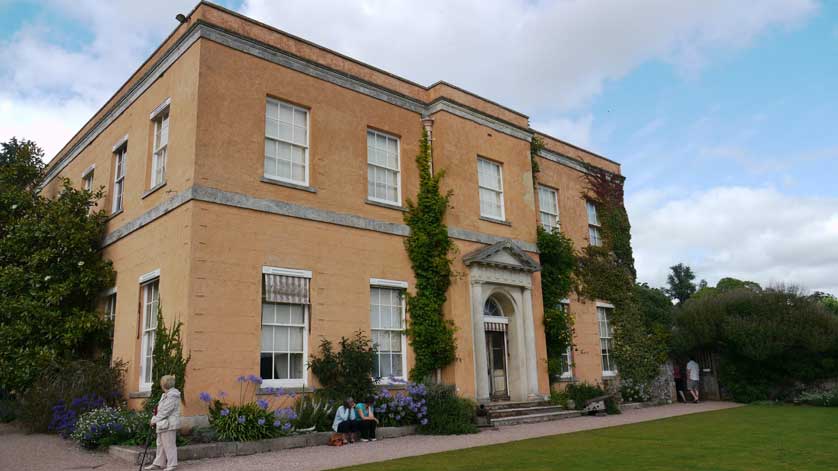
Barrington Court
Barrington Court is a Tudor Manor House completed in the late 1530's. It was purchased by the National Trust in 1907, one of the first properties acquired by the organization.
The house was later leased to and restored by the Lyle family of Tate and Lyle sugar fame. They employed the landscape gardener Gertrude Jekyll to design the formal gardens.
The "Court House" was built in the 1500's by the Clifton's - a family of wealthy London merchants, who bought the property from the Duke of Suffolk. The house is a magnificent Tudor style mansion.
The house is constructed in the typical "E" shape of the times with two wings.
Dunster Castle
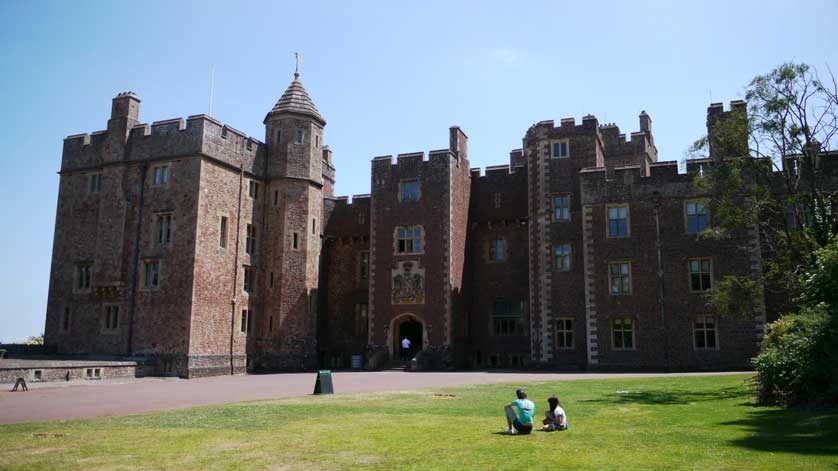
Dunster Castle was the residence of the Luttrell family for over 600 years. In fact, a castle has stood on the site for over 1,000 years, since Norman times. The Domesday Book records a castle in this location in 1066. Dunster Castle was a royalist stronghold and was besieged from 1645-1646 during the Civil War. Today, the castle is managed by the National Trust.
The oldest remaining portion of Dunster Castle is the Gatehouse which dates to the 13th century.
Glastonbury Tor
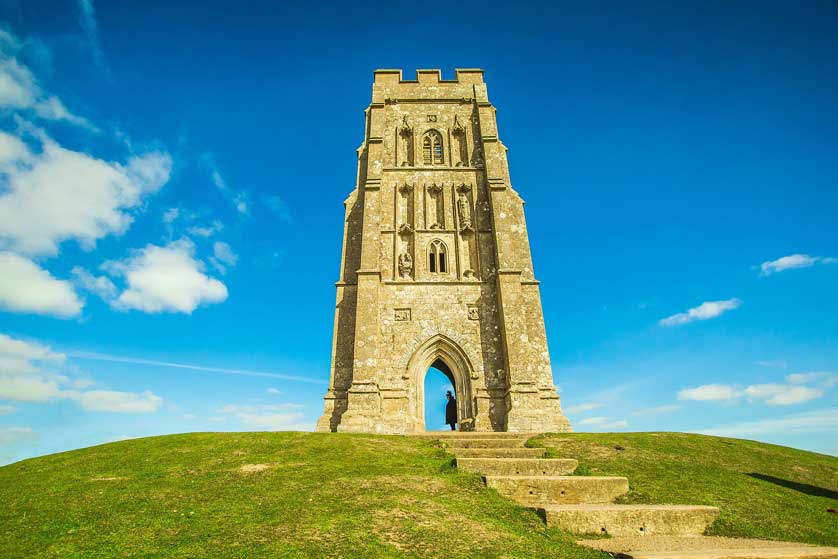
Glastonbury Tor in Glastonbury offers visitors a superb view of Somerset, Wiltshire and Dorset. Remains of a 5th century fort have been found on the tor, but this was replaced by St. Michael's Church until its destruction by an earthquake in 1275. Now only the tower remains. Glastonbury Tor has also been called the "Isle of Avalon" and is associated with Arthurian legend.

Prior Park
Prior Park Landscape Garden is a remarkable example of the English Landscape Movement. Prior Park was created by the post office mogul Ralph Allen between 1734 and 1764 as a site for all of Bath to see.
The Palladian bridge is one of only three in the world.
Ralph Allen combined with the architect John Wood to create a mansion at Prior Park. The two men built the mansion in order to promote the use of Bath Stone for building because Allen once owned the quarries which are the source of the stone.
Lytes Cary Manor
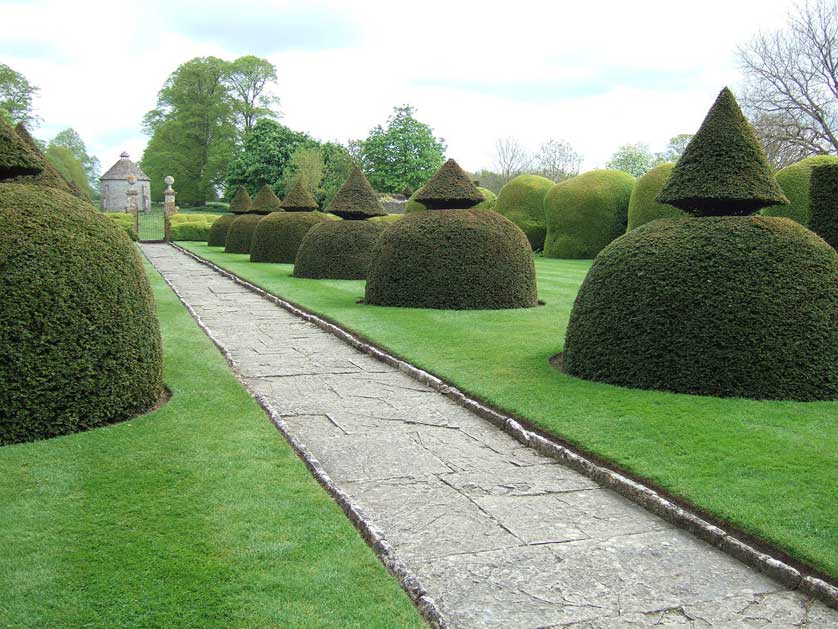
Lytes Cary Manor includes a chapel of 14th century heritage and a 15th century Great Hall. The well-known medieval herbalist Henry Lyte, author of Lytes Herbal, lived here.
The Great Hall at Lytes Cary is, as you would expect from an herbalist, surrounded by gardens. These gardens also include some spectacular flower gardens.
The Fleet Air Arm Museum and the Haynes International Motor Museum are also both very close by hire car.
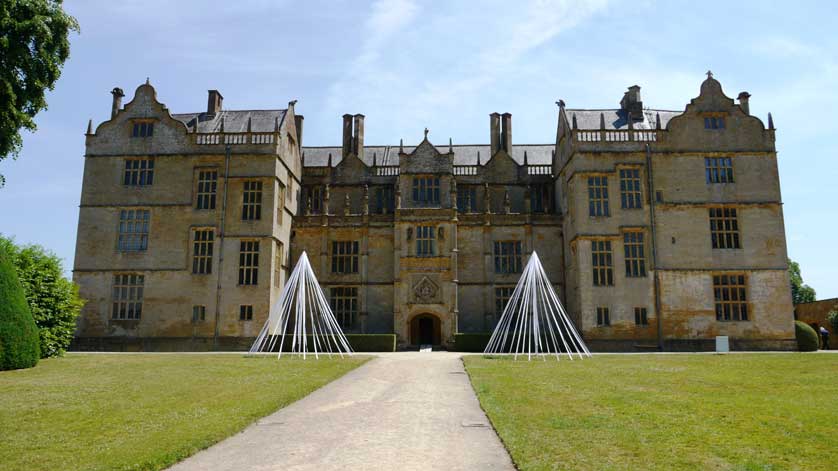
Montacute House
Montacute House was built between 1588 and 1601 by Sir Edward Phelips (1555/1560 - 1614) who started as a lawyer, became a Member of Parliament (MP) and rose to the level of Speaker of the House of Commons.
He famously led the prosecution of Guy Fawkes in 1605. Montacute House combines Gothic tradition with newer Renaissance ideas borrowed from the continent. It is now administered by the National Trust.
Throughout Montacute House is an extensive collection of portraits and the long gallery on the third floor hosts an important display of Tudor and Jacobean portraits on loan from the National Portrait Gallery in London.
The window of the Great Chamber looking on to the garden displays the coats of arms of the families connected to the Phelips through marriage.
The Long Gallery dates from 1598 and is the longest gallery in any English country house.
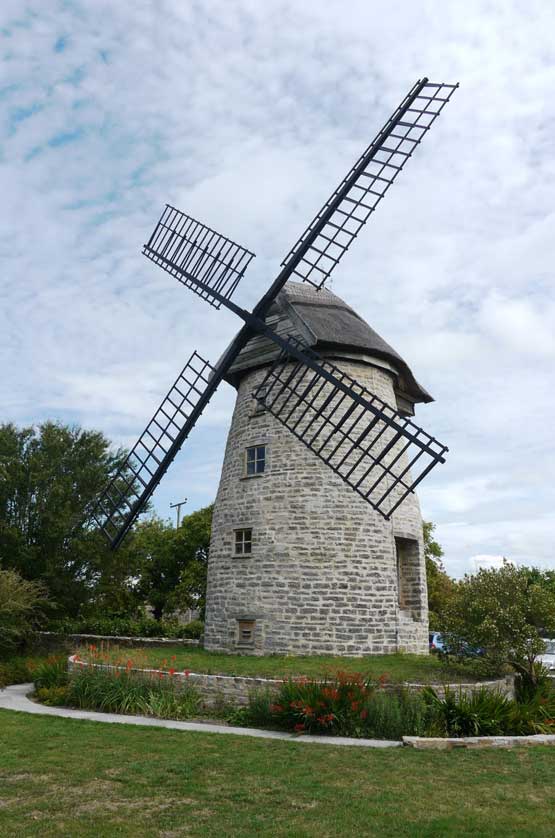
Stembridge Tower Mill
Stembridge Tower Mill is the only remaining thatched windmill in Great Britain and dates from the 1820's. The windmill was used to grind small amounts of grain for local people. The mill was restored in the 1970's.
The historic mill is located two miles north of Langport and 1/2 mile east of the village of High Ham.
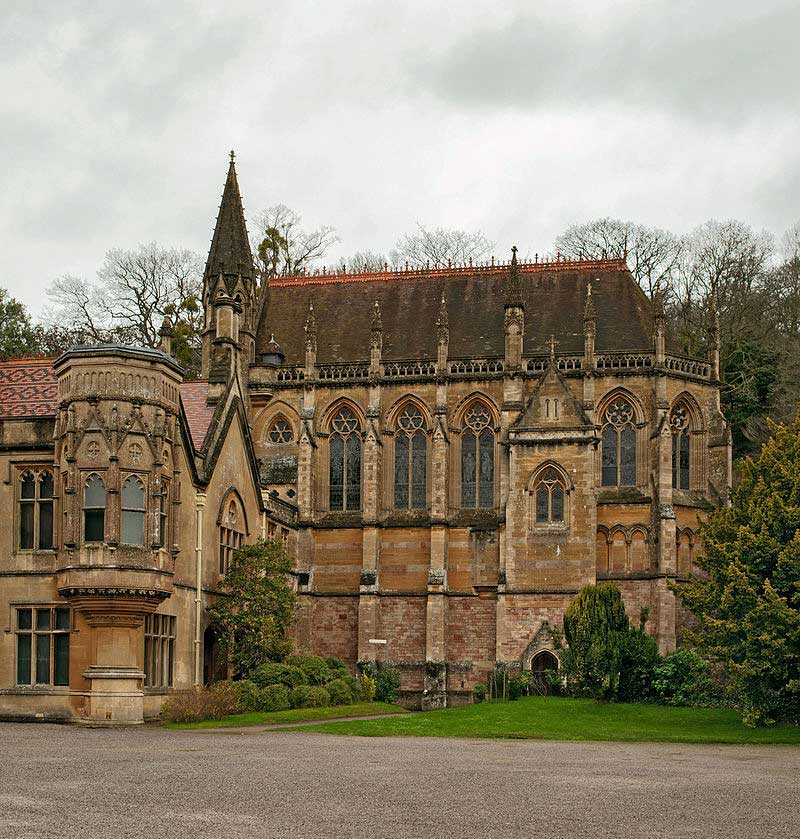
Tyntesfield
The Gothic Revival mansion at Tyntesfield was built by the guano magnate William Gibbs (1790-1875) starting in 1863.
Gibbs had helped build a trading empire between Britain, Portugal and Spain as well as Spain's possessions in South America.
Gibbs became one of the richest men in England at the time through his company's (Antony Gibbs & Sons) trade in guano from the Chincha Islands off the coast of Peru. His legacy is immortalized in the ditty of the age: "William Gibbs made his dibs, selling the turds of foreign birds."
William's grandson George was later named Baron Wraxall in 1928. What was known as Tyntesfield Estate has subsequently been greatly reduced in size and is now owned by the National Trust.
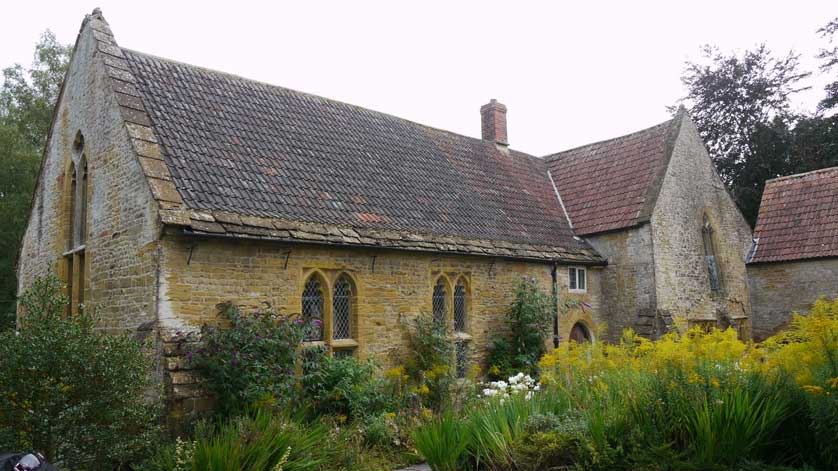
Treasurer's House in Martock
The Treasurer's House in Martock, Somerset is of medieval origin and dates to 1293 AD. A kitchen was later added in the 15th century.
The great hall in the Treasurer's House has a collar-braced timber roof and five windows dating to around 1330. It is a Grade I listed building.
Gloucester
The county of Gloucester has a number of properties managed by the National Trust. These include Dyrham Park, Hidcote and Newark Park.
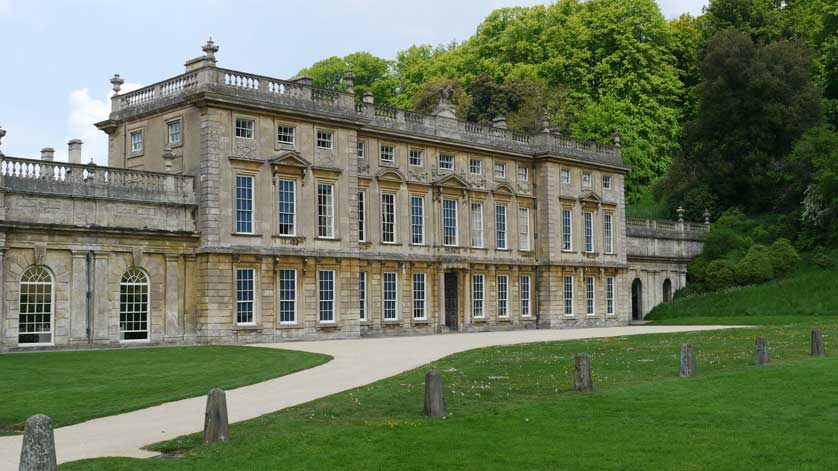
Dyrham Park
Dyrham Park was designed and built in two stages. The first stage (1692) was designed by Samuel Hauduroy, and the second stage (1704) by the well-known architect William Talman.
Dyrham Park has been featured in films such as 1993's Remains of the Day as well as in several TV series including Dr. Who and Poldark.
The house was built by William Blathwayt who was King William III's Secretary of War. His passion for all things Dutch can be seen in the paintings and furniture to be seen in the house.
Previously he was secretary of the Privy Council's committee on trade and foreign plantations and was active in the promotion of the slave trade in North America and the Caribbean. A pair of slave stands showing chained female slaves in subservient poses are on display with written documentation explaining the historical context and Blathwayt's connections with slavery.
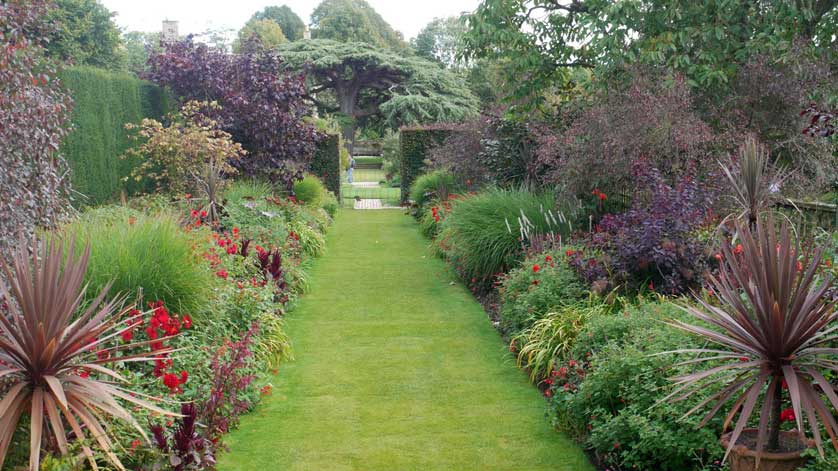
Hidcote Manor Garden
Hidcote Manor Garden is often called one of England's great gardens. The garden was designed in the Arts & Crafts style.
Hidcote Manor Garden has been managed by the National Trust since 1948, and it was the first property to be acquired solely as a garden.
Hidcote Manor Garden was designed and created by the self-taught American horticulturist, Lawrence Waterbury Johnston (1871-1958). He designed the garden to showcase his 'garden of rooms'.
Born in Paris to American parents, Johnston was educated at Trinity College in Cambridge and served in the the Second Boer War and World War I.
His interest in rare flora began in South Africa and he traveled the world to collect specimens. Johnston's other famous garden is at Serre de la Madone, close to Menton, on the Mediterranean coast of France.
In later life Johnston divided his life into a few summer months at Hidcote and the rest of the year on the Mediterranean.
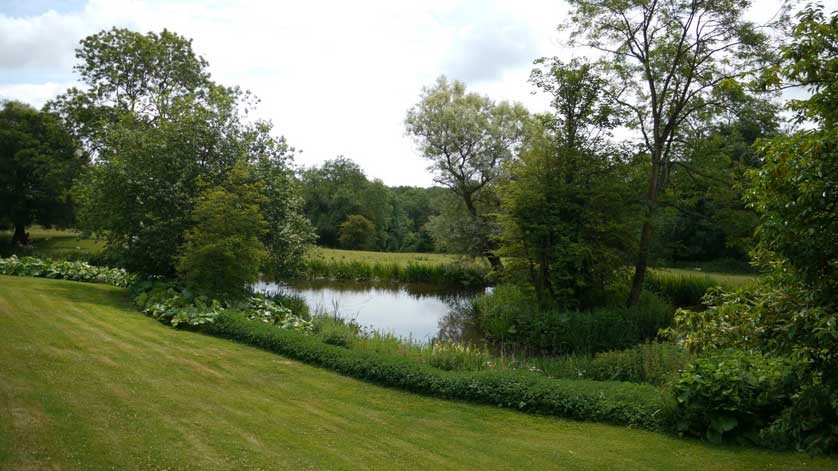
Newark Park
Newark Park in the Cotswolds was built around 1550 by Sir Nicholas Poyntz as a hunting lodge.
In 1790, the property was remade into an elegant house for the Clutterbuck family by architect James Wyatt.
Newark Park's grounds are mostly undeveloped woodlands crossed by footpaths. However, there is a lake, a walled garden and summer house.
Dorset
Dorset offers the following National Trust properties: Corfe Castle, Kingston Lacy, and novelist Thomas Hardy's former home, Max Gate. Another Hardy, Vice-Admiral Sir Thomas Masterman Hardy, captain of HMS Victory at the Battle of Trafalgar, is remembered at Hardy's Monument.
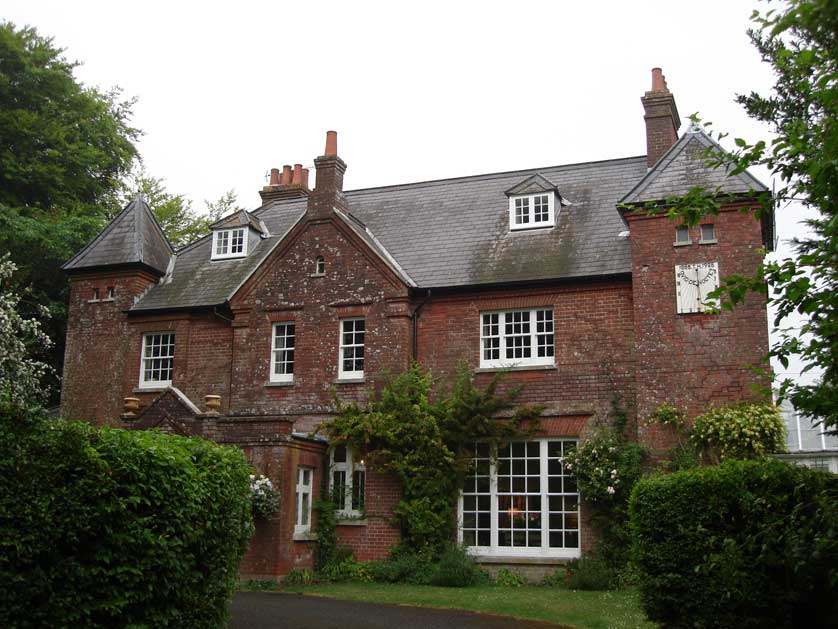
Max Gate
Max Gate just outside Dorchester was Thomas Hardy's residence from 1885 until his death in 1928.
As a trained architect Hardy designed the villa to his own specifications and it was built by his father and brother - very much a Hardy family affair. The house was extended later.
Hardy's classic Wessex novels: Tess of the d'Urbervilles, Jude the Obscure and the Mayor of Casterbridge were all written at Max Gate.
Several pieces of Hardy's original furniture and personal effects are on display. However, after his death many of the house's original pieces were sold off by Hardy's second wife, Florence, so alternative pieces from the period are on display.
Hampshire
The Needles Old Battery and New Battery on the Isle of Wight, The Vyne and Hinton Ampner House & Gardens are a few of the several National Trust properties in Hampshire.
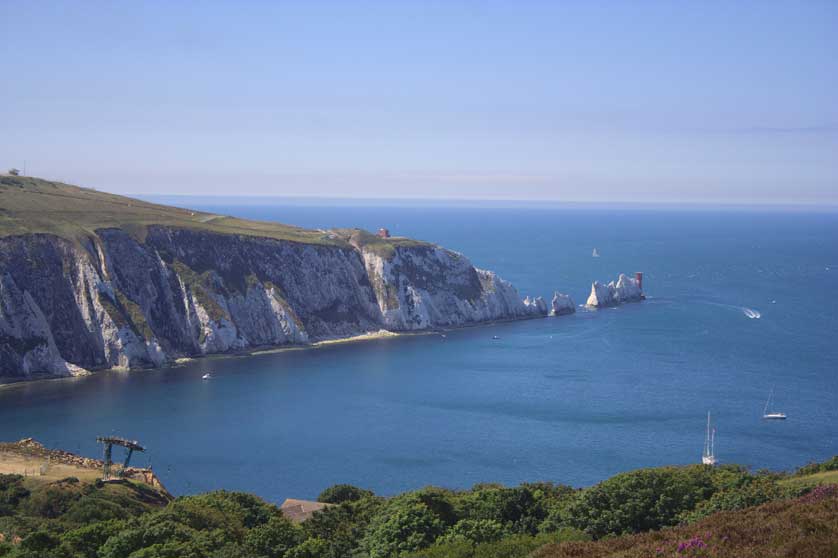
The Needles Old Battery and New Battery
Located on the headland above The Needles are the Needles Old Battery, the Needles New Battery, and the High Down Rocket Testing Site. The Old Battery was built between 1861-63, designed to defend against enemy ships.
The New Battery was then built after there were concerns that the firing of the guns from the Old Battery was causing the cliffs below to crumble. The New Battery was built further up the cliffs and was completed in 1985. Both of the buildings are Grade II listed.
Wiltshire
Avebury Stone Circle, Great Chalfield Manor, Mompesson House, Lacock Abbey and Village and Stourhead are some of the National Trust properties in the county of Wiltshire.
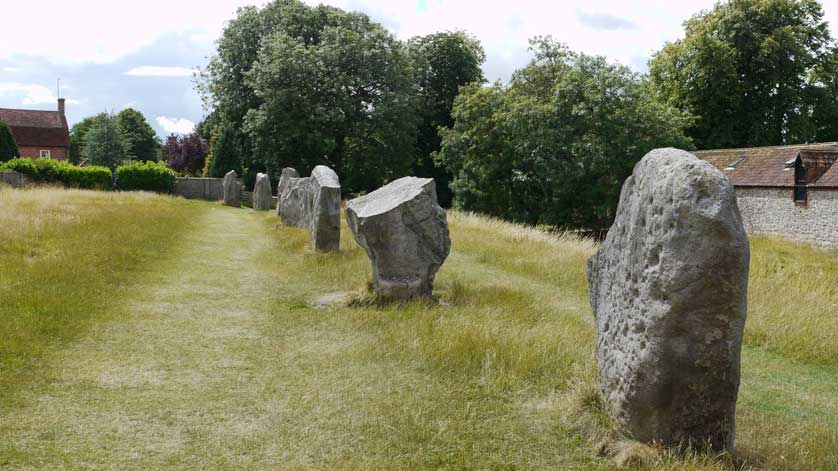
Avebury Stone Circle
Avebury is a henge monument on a larger scale than its more famous cousin, Stonehenge. Unlike at Stonehenge, a visitor can still touch the stones at Avebury.
Construction of the monument began 5000 years ago in Neolithic times. The amateur archaeologist, Alexander Keiller, played a large role in discovering and preserving the site, and a museum on the site which is named after him (Alexander Keiller Museum) contains many related archaeological finds.
Many gigantic "Sarsen" stones such as the ones pictured above can be approached by visitors. Also, Avebury is the only stone circle in the world with a chapel and pub inside it. Nearby monuments include the West Kennet Long Barrow, Silbury Hill and Windmill Hill.
The Manor Gardens at Avebury are part of the National Trust property at the Avebury Stone Circle. The manor house itself dates from the 16th century.
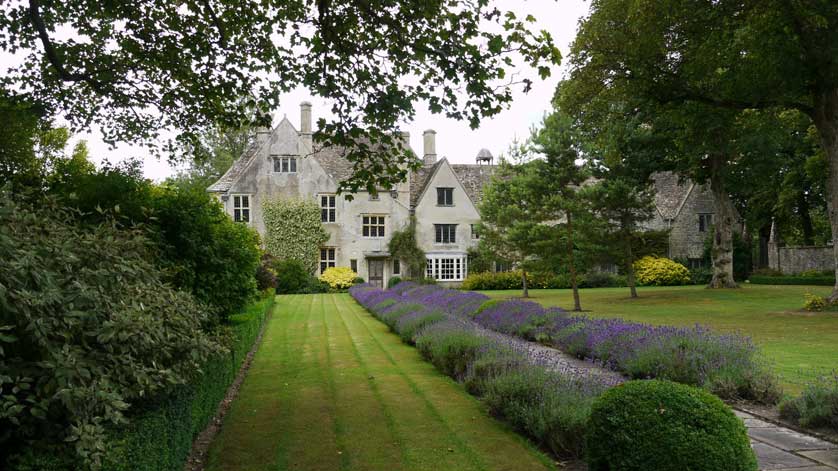


Great Chalfield Manor & Garden
Great Chalfield Manor and Garden allows visits to the house only by guided tour. The house features oriel windows, tapestries, Tropenell's Cartulary, and stone masks built into the walls where one can spy on those below.
The garden was designed by Alfred Parsons and features terraces, a gazebo, roses, and an attractive spring-fed fish pond.
The house and grounds have been used as locations for various films and TV dramas including Wives and Daughters in 1999, The Other Boleyn Girl, Tess of the d'Urbervilles, Wolf Hall and Poldark.
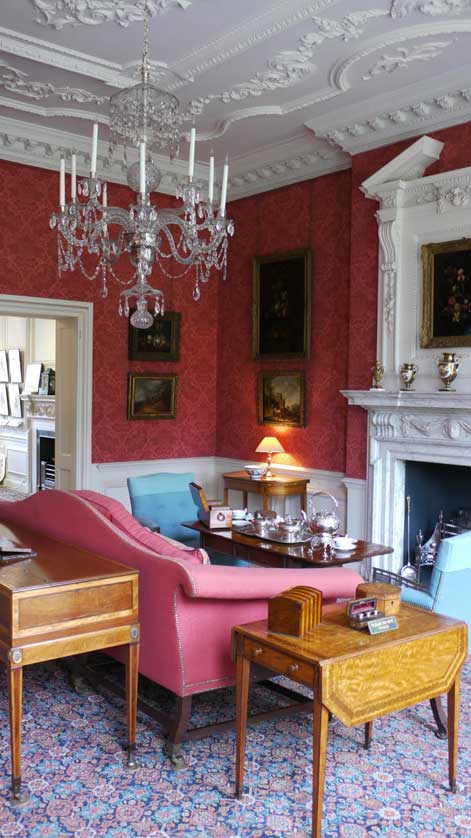
Mompesson House
Mompesson House was built in 1701 for Charles Mompesson (1670-1714). Mompesson was the MP for Old Sarum.
Over the next two centuries and a half, the property had a variety of owners. These included Elizabeth and Charles Longueville, the Hayter family, the Portmans and subsequently the bishops of Salisbury.
The house is located in the Cathedral Close of Salisbury Cathedral.
Visitors to Mompesson House can also stroll through the garden in the rear of the house. The garden features a pergola, lawn and herbaceous borders.

Lacock Abbey and Village
Surrounded by its own grounds and located in picturesque Lacock (pronounced lay-cock) village is Lacock Abbey. Its origins as an Abbey date from the 13th century, but it was seized by Henry VIII, sold, and converted into a house in 1539.
The interior of the Abbey was made famous by the appearance of its cloisters in two of the early Harry Potter films. The abbey's most famous resident was William Henry Fox Talbot who played a major role in the invention of photography.
From the time of Henry VIII until 1944, the Talbot family were the landlords of Lacock Village. In 1944, Miss Matilda Talbot gifted Lacock Village to the National Trust.
Since that time, the National Trust has attempted to maintain the 17th and 18th century character of the village by avoiding obtrusive modernization.
Since the Middle Ages, Lacock Village had been a prosperous wool town known for its sheep and weaving.
The George Inn and The Red Lion are nearby pubs in the village.
Stourhead
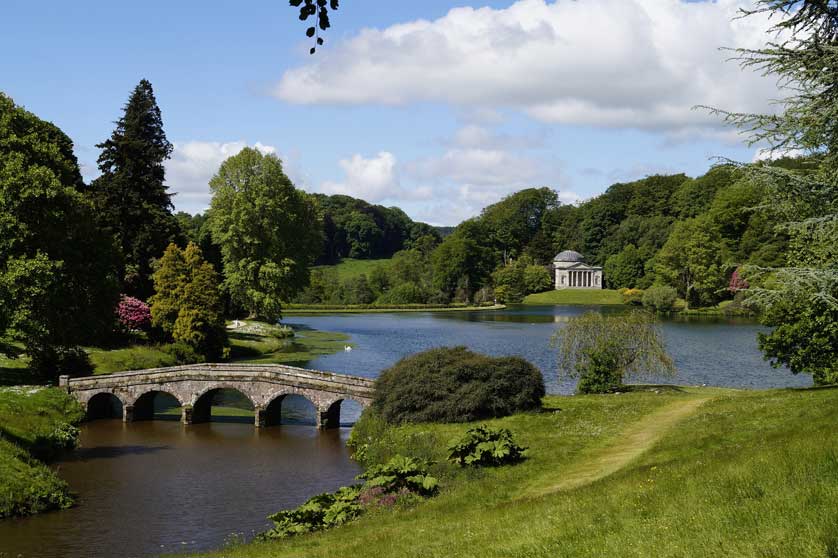
Stourhead is one of the National Trust's most popular sites. It was given to the National Trust by the Hoare family in 1946. It is among the most magnificent manor houses and gardens in the country.
Henry Hoare aka "Henry the Magnificent" started designing the world famous landscape garden in the 1740's. The wooded path through the garden at Stourhead offers access to classical temples, lovely vistas, grottoes and Stourhead's own lake.
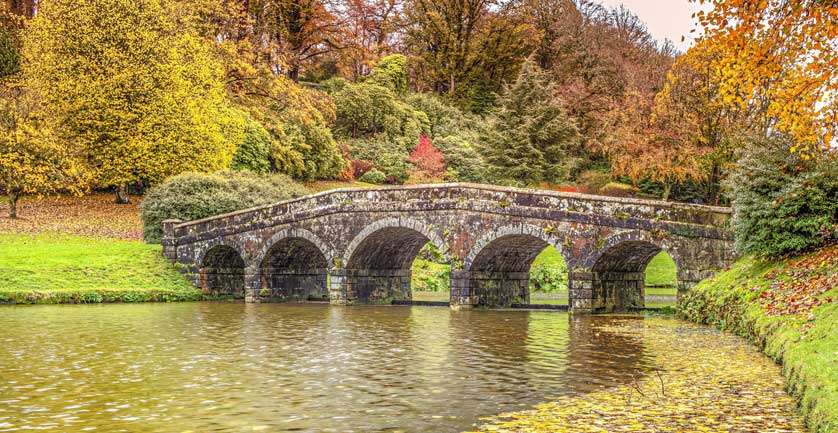
Highlights of the house and grounds include The Pantheon, the Temple of Apollo, the Palladian Bridge, the Temple of Flora, King Alfred's Tower and Bristol High Cross.
Several of the monuments are inspired by classical literature and places encountered on the Grand Tour of Europe. The circuit taken around the lake, for example, is supposed to mirror Aeneas' descent into the underworld.
Visitors to Stourhead can also learn about the history of the Hoare family by visiting the majestic Stourhead House with its beautiful library.
This Palladian mansion also contains a remarkable collection of paintings, prints, and world-famous Chippendale furniture.
Hotels in London
Book Hotels in London - Booking.com
Find Luxury Hotels in London - Booking.com
Budget Hotels in London - Booking.com
Find Hotels in England - Booking.com