Truro Guide, Cornwall
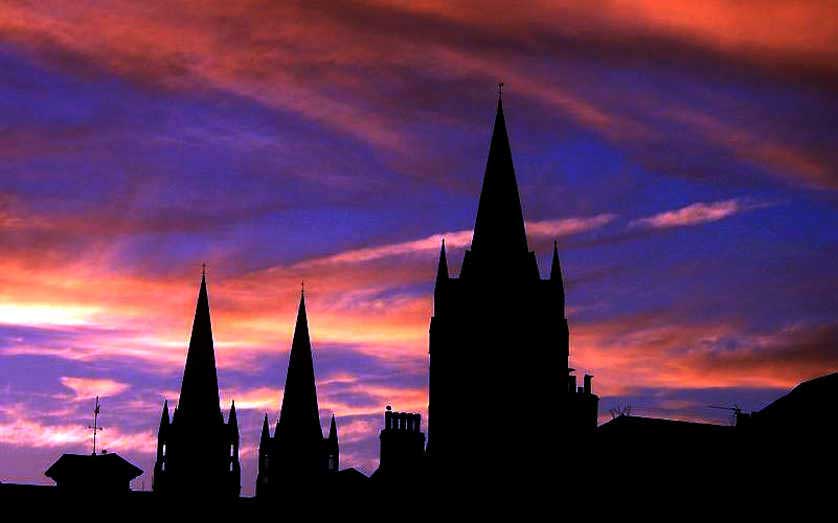
Located almost in the centre of the Cornish Peninsula, Truro, though with only a population of about 19,000, is the county seat and the only city in all of Cornwall.
For locals, as well as being the administrative centre, Truro is also the main shopping centre.
For visitors there are a few attractions within the city, but it is also a great central base to explore the rest of the area from, being only a few miles from both the north and south Cornish coasts.
History
The town grew up around a Norman castle that has long since disappeared. Though quite a distance inland, but safe from seaborne invaders, Truro grew as a port and then as a stannery town for the tin and copper mines of the area.
With the flourishing of the tin mines Truro prospered in the 17th and 18th centuries with many wealthy mine owners settling in the town.
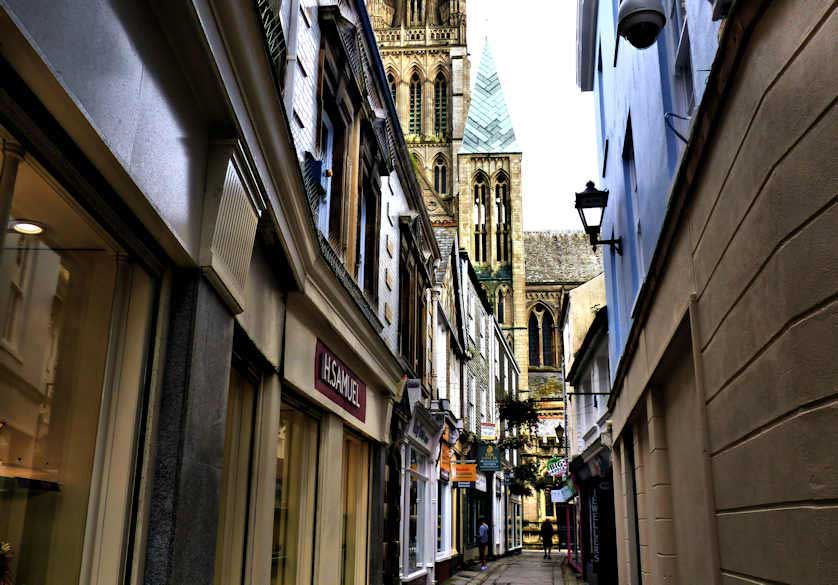
With the Great Western Railway connecting Truro with London the town's importance grew and with the building of Truro Cathedral in the late 19th and early 20th century, the town was made a city.
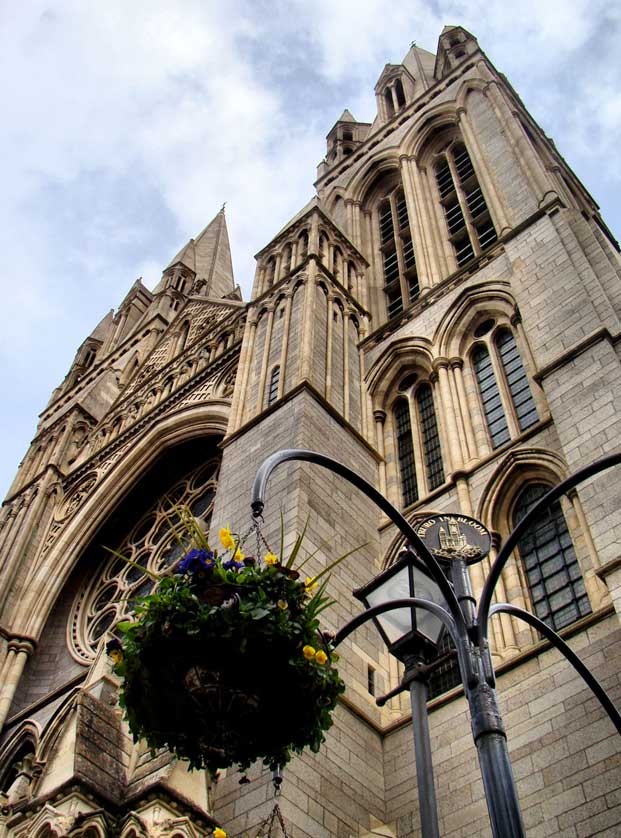
Construction of the cathedral was completed in 1910, and it is built primarily in the Gothic Revival style. It is noted for its stained glass, especially the rose window.
The architect was John Loughborough Pearson (1817-1897), who had previously worked on Lincoln Cathedral, and the two cathedrals share some features. Pearson's son continued the work after his father's death and also on St Matthew's in Auckland, New Zealand, which is a smaller version of Truro Cathedral.
Rivers in Truro
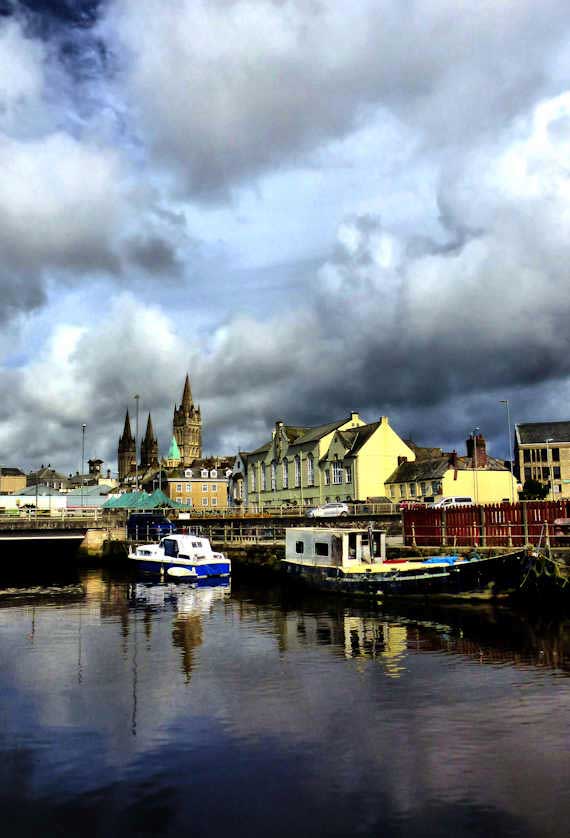
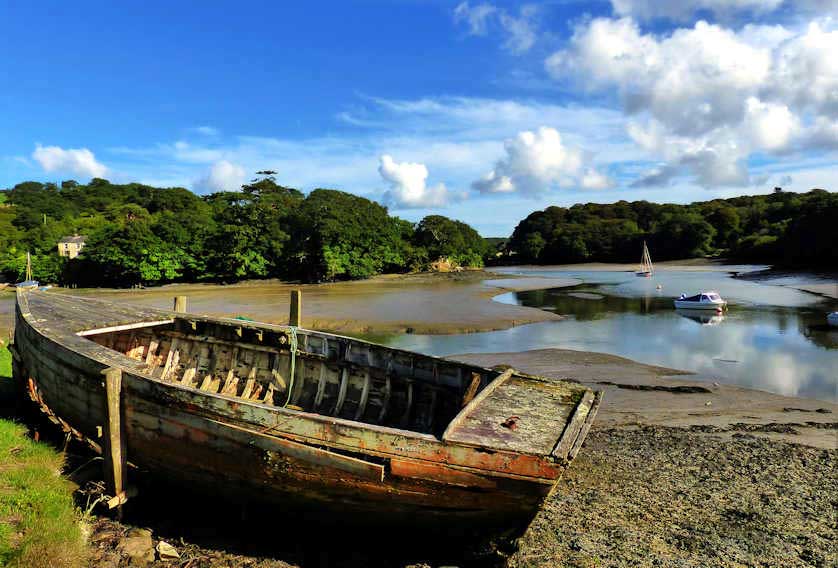
Truro is built where several small rivers meet and form the Truro River which then flows into the River Fal.
Lemon Quay in the centre of town is a wide, open area where many events take place and from here you can take boat trips down the River Fal.
Though major chain stores have a presence in Truro, most of the small shops are still independent. On Lemon Quay the Pannier Market is a large indoor market with stalls selling food, fruit and veg, arts and crafts as well as a number of cafes. Outside on the quay a farmers market takes place twice a week.
Royal Cornwall Museum
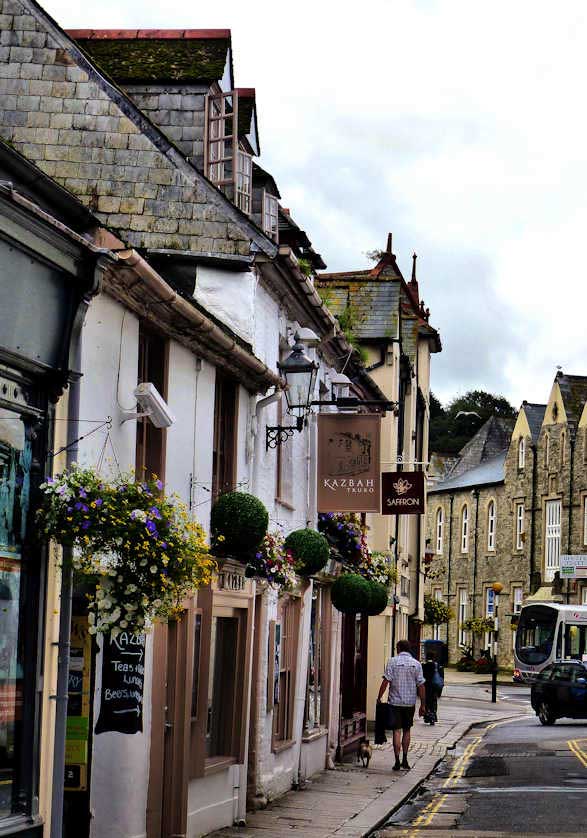
Not far from the cathedral is the Royal Cornwall Museum, with a wide variety of collections on display including Cornish History and Archaeology, Geology with a large mineral collection from Cornwall's mining past, and Natural History.
As well there are arts and crafts from historical periods up to contemporary times. Surprisingly perhaps they also have quite a collection of artifacts from Ancient Greece, Rome, and Egypt, including a mummy.
Being a peninsula, the weather in Cornwall can vary quite dramatically within quite a short distance, so Truro's central location is ideal.
As the county seat of Cornwall, there are many buses and trains which radiate out to the surrounding areas and so bring within easy reach attractions such as Llama Land animal park which will appeal to kids, or Healeys Cornish Cyder Farm which will be appreciated by their parents.
Country Houses & Gardens
Cornwall has numerous large country houses and estates many featuring gardens that have been stocked with plants and trees from around the world.
Trelissick is one such place, and as well as the gardens and an art gallery also offers great views and woodland walks. Nearby is the King Harry Ferry, a car ferry that crosses the river to the Roseland Peninsula.
The Maritime Line is a railway branch line that runs from Truro down to the sea in Falmouth and is worth a ride just for the scenic views.


Access
The bus station in Truro is at Lemon Quay. Bus U1 runs to Penryn approximately every 30 minutes Monday to Saturday and hourly on Sunday. Bus 14/14A takes around 90 minutes to St. Ives and runs hourly Monday to Saturday. Bus 18 runs to Penzance roughly every 30 minutes Monday to Saturday and hourly on Sunday.
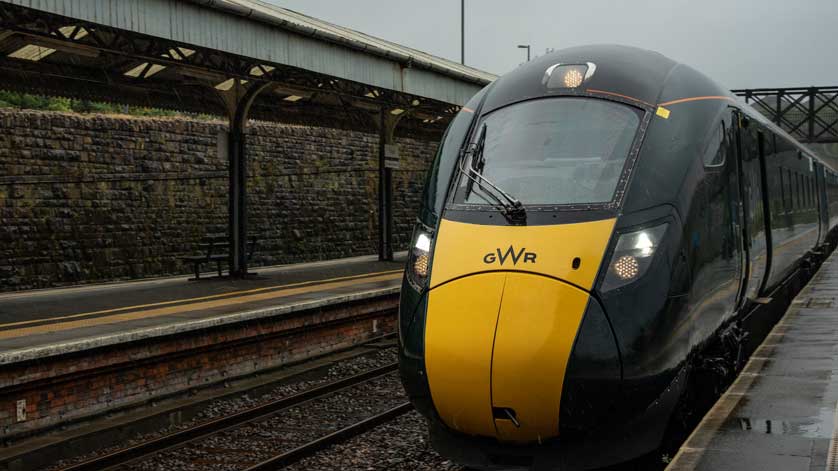
Truro Station is on both the main Penzance to London Paddington Line and the branch line to Falmouth. Journey time to London is about 4 and a half hours. To Bristol trains take about 3 and a half hours, to Exeter St David's Station in Exeter about 2 hours, 15 minutes, Falmouth and Penzance both 30 minutes.
The cathedral is a 15 minute walk from Truro Station to the west. Regular buses from the station also run to the cathedral.
The Truro Tourist Office is on Boscawen Street (Tel: 01872 274555).
Accommodation
Two recommended places to stay in Truro are the Merchant House Hotel and the Mannings Hotel.
The Merchant House Hotel on Falmouth Road is a refurbished Victorian house with some rooms having garden views. The agreeable hotel has free WiFi and free private parking.
The Mannings Hotel on Lemon Street close to the cathedral and the Royal Cornwall Museum is a modernized Georgian property done out in vivid colors.
The Alverton is a 19th-century Grade II listed property offering four-stars, a brasserie, bar and free parking for guests.
See here for a complete listing of accommodation in Truro.
Eat & Drink
Popular places to eat and drink include the Cornish Vegan on Kenwyn Street, Chorley's Truro on Old Bridge Street for well-recommended South African food, and Tabb's Restaurant also on Kenwyn Street.
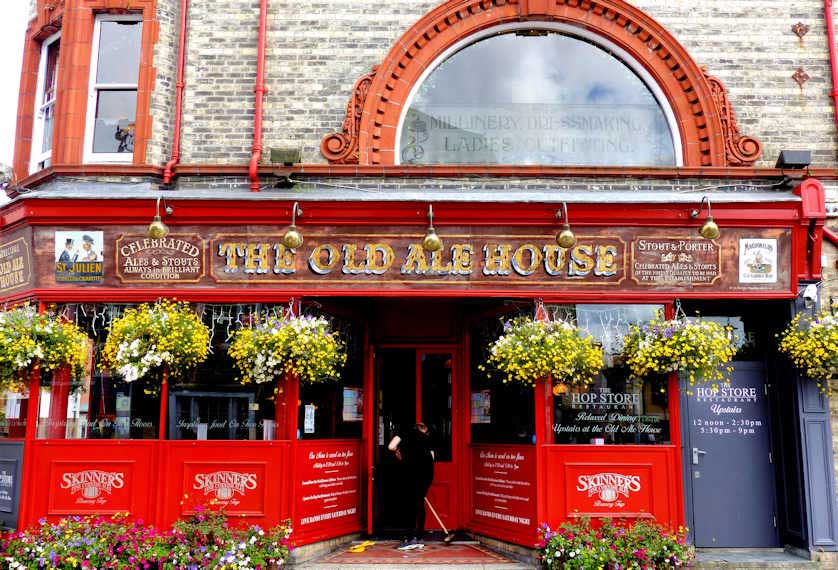
Truro has a number of fine pubs with the Rising Sun also known for its good food. The Old Ale House on Quay Street is a proper, traditional Cornish pub.
Also on Truro's menu are fish and chips, Indian and Chinese eateries.
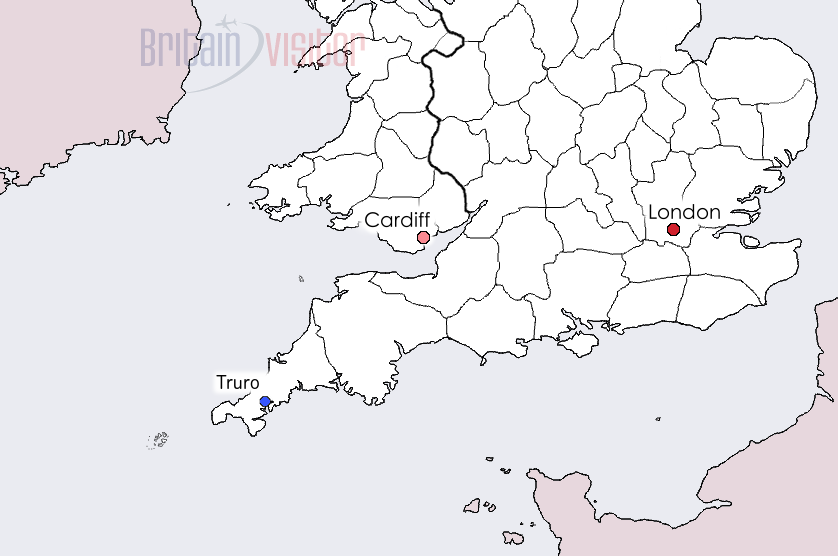
Map of Truro
Hotels in the UK
Book Hotels in England - Booking.com
Find Accommodation in London - Booking.com
Search Hotels in Scotland - Booking.com
Hotels in Northern Ireland - Booking.com