UK Museums: Bath Museums
Museums in Bath, South West England
Bath has some superb museums including the jewel in its crown the Roman Baths. The museums and art galleries in the city cover not only the Roman Period but also Bath's Georgian heyday, Jane Austen, fashion and even the postal service.
See a listing of museums in and around Bath.
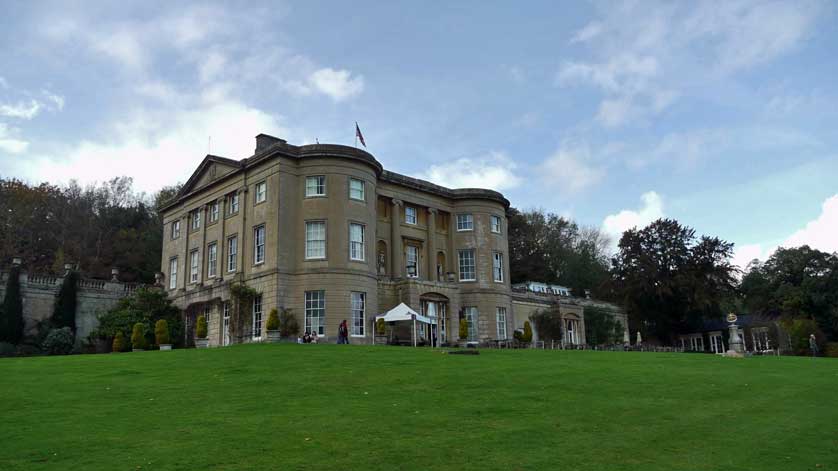
American Museum in Britain
The American Museum in Britain is the only museum of Americana outside the United States. The museum was founded to bring American culture and history to the people of Britain and Europe.
The museum showcases paintings, furniture, quilts, silver and glass displayed in a series of period rooms. Helpful museum assistants in each of these rooms provide insights into the collection.
The American Museum in Britain is housed in historic Claverton Manor where Winston Churchill made his first political speech on 26 July 1897.
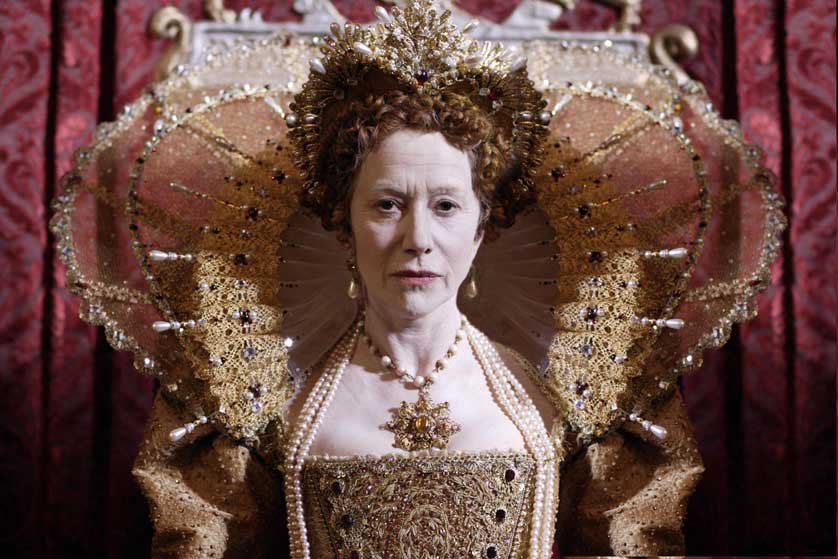
Fashion Museum
The Fashion Museum is located within the Assembly Rooms in the city. It has a collection of over 30,000 articles of clothing from the 16th century to the present day, begun by Doris Langley Moore (1902-1989), who presented her collection to the city of Bath in 1963.
The museum also displays the Dress of the Year collection from the 1960s to the present day featuring the work of some of the world's top fashion designers including Giorgio Armani, John Galliano, Ralph Lauren, Alexander McQueen, Mary Quant and Donatella Versace.
The elegant Georgian Assembly Rooms in Bath were completed in 1771 after two years in construction. Designed by architect John Wood the Younger, who was also the man behind Bath's Royal Crescent and The Circus, the building was at the very heart of fashionable society for the middle and upper classes in the city.
The well-to-do would gather for balls and card games and the Assembly Rooms were a place where young people could meet in the hope of finding a suitable marriage partner. The Assembly Rooms are mentioned in two of Jane Austen’s novels - Northanger Abbey and Persuasion - as well as Charles Dickens' Pickwick Papers. Dickens, indeed, is also known to have given public readings in the Assembly Rooms.
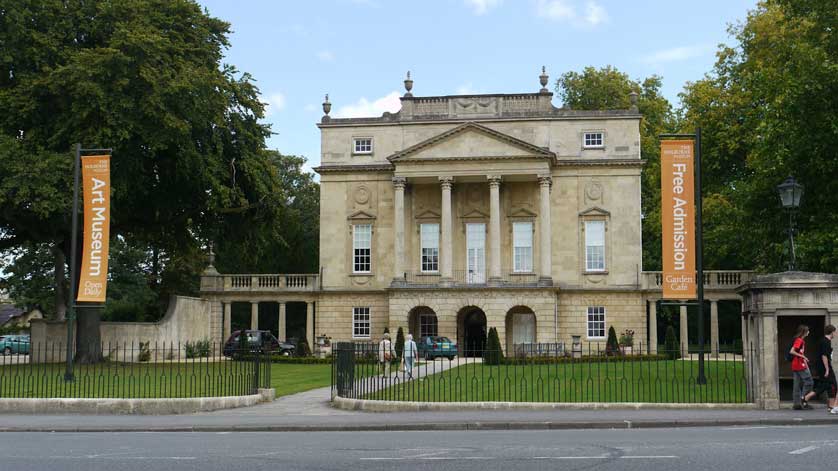
Holburne Museum of Art
The building housing the Holburne Museum of Art in Bath was designed by Charles Harcourt Masters and built in Bath stone between 1795-6 as the Sydney Hotel.
The building was intended as a social gathering place rather than as a hotel in the modern sense. During the years 1913-16, the building was converted by the architect Sir Reginald Blomfield to become the Holburne Museum. The Holburne Museum has recently added a contemporary-styled extension.
Most of the current collection of the Holburne Museum of Art was formed by Sir Thomas William Holburne (1793-1874). In 1882, this collection of over 4,000 objects was bequeathed to the people of Bath by Holburne's sister, Mary Anne Barbara Holburne (1802-1882).
From the beginning, the collection was intended as "the nucleus of a Museum of Art for the city of Bath". Since opening to the public in 1893, the Holburne Museum of Art has acquired a further 2,500 objects.
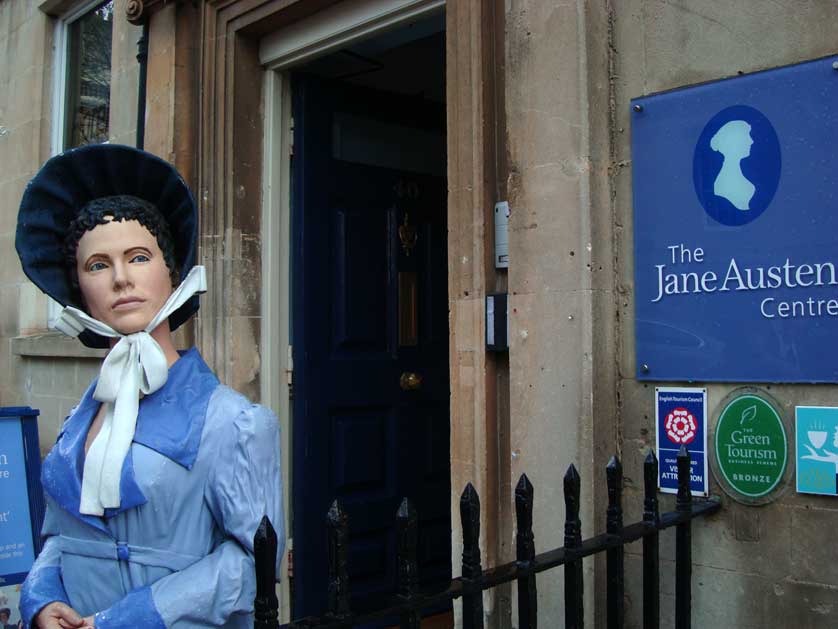
Jane Austen Centre
The Jane Austen Centre includes an interesting introductory talk before the visitor is free to explore the many exhibits relating to Jane Austen and her times. These include clothing, ladies' fans, letters and everyday household items.
There is also a small book shop and gift centre on the ground floor.
Austen spent a number of years in Bath and two of her novels, Northanger Abbey and Persuasion have the city as a setting.
Mayor's Parlour
During the autumn half-term in October each year, museums in Bath & North East Somerset arrange a week of free events and activities for children and local residents. That week is called 'Heritage Open Week'.
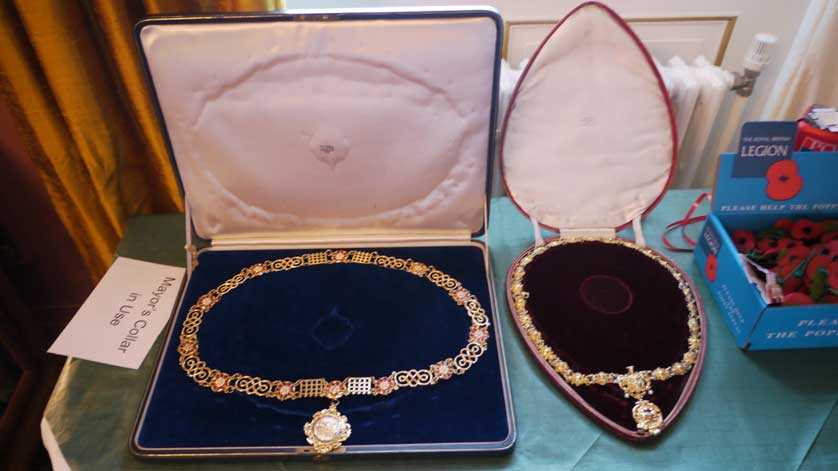
One of the events is the opening of the Mayor's Parlour to visitors. Visitors to the Mayor's Parlour can view the Mayor's Collar of Office. The collar was made in 1850 and is comprised of four portcullises which represent the gates to the city, the Elizabethan Tudor Rose, and the Bath Knot. The city coat of arms is on the badge which hangs from the collar.
Museum of East Asian Art Bath
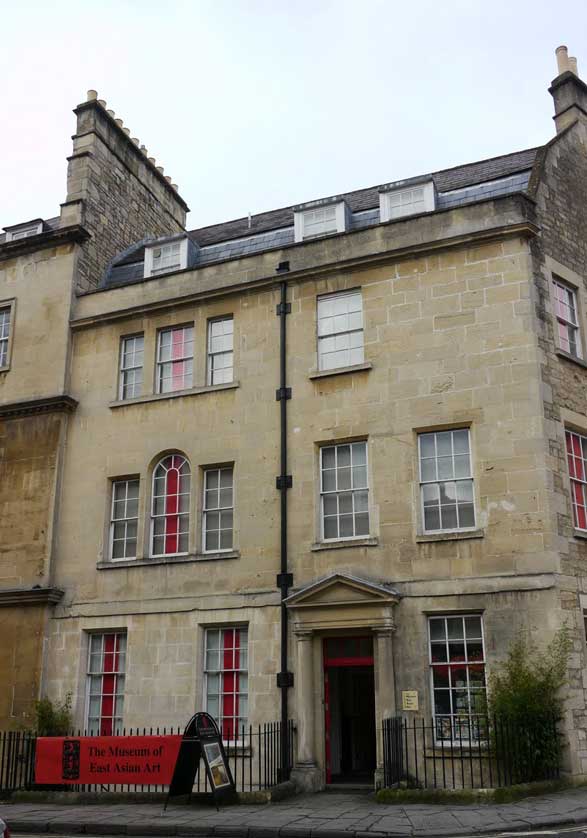
The Museum of East Asian Art Bath houses one of the most extensive collections of East Asian art in the UK. The museum's collection of almost 2,000 objects ranges in date from 5000 BC to the present day. The MEAA was founded from the personal collection of Brian McElney OBE, a former lawyer who was born and lived in Hong Kong.
The Museum of East Asian Art houses a fine collection of ceramics, jades, bronzes, etc. from China, Japan, Korea and South East Asia.
Bath Postal Museum
The Bath Postal Museum dates from 1979 and the private collection of Bath locals Audrey and Harold Swindells. The museum moved to what once was Bath's main Post Office in the 19th century on Broad Street. Now the museum is in the basement of the post office building at 27 Northgate Street.
Visitors can see a replica of a Victorian Post Office, stamps, stamp boxes, post boxes, model mail coaches, and letters and postcards. There is also information on the innovators of the British postal service such as Ralph Allen, John Palmer and Thomas Moore Musgrave.
Roman Baths
The Roman Baths in Bath are an absolute must-see for visitors to this historic city.
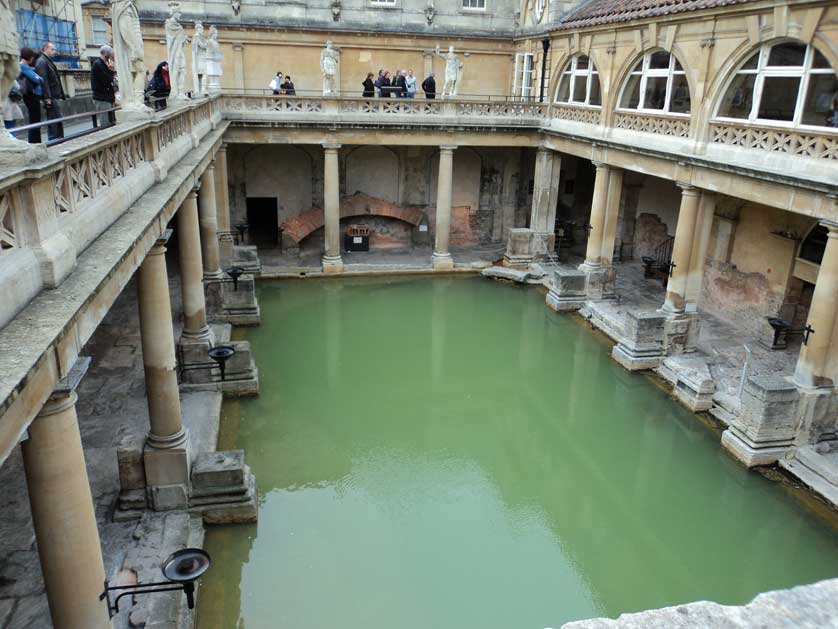
The Roman Baths are below street level and the site has four main features, the Sacred Spring, the Roman Temple, the Roman bath house and finds from Roman Bath. Your visit ends in the Georgian Pump Room on the ground level.
The centrepiece and highlight of the Roman baths is the Great Bath which is outside – a large lead-lined, 1.6 meter-deep pool filled with hot spa water.
Before you reach the Great Bath, the route takes you through a fascinating museum full of Roman artifacts that introduce the Roman people and town of Aquae Sulis (the Latin name for present-day Bath). Next is the temple dedicated to the goddess Sulis Minerva, which was at the heart of the baths complex.
Highlights include the stone Gorgon's head and the beautiful bronze head from a statue of Sulis Minerva.
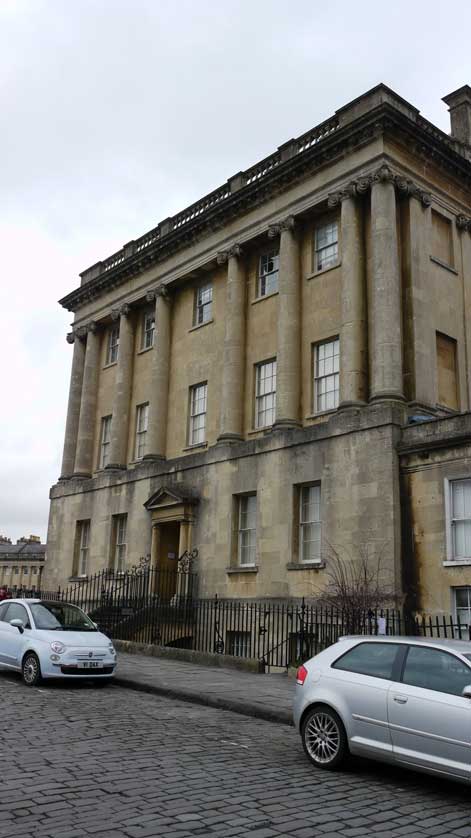
No.1 Royal Crescent
No.1 Royal Crescent is a beautifully restored Georgian town house which displays for the visitor a taste of life in Georgian Bath.
No.1 was the first house to be built in the Royal Crescent and provided luxury accommodation to the wealthy visitors who came to take the waters and enjoy the social season.
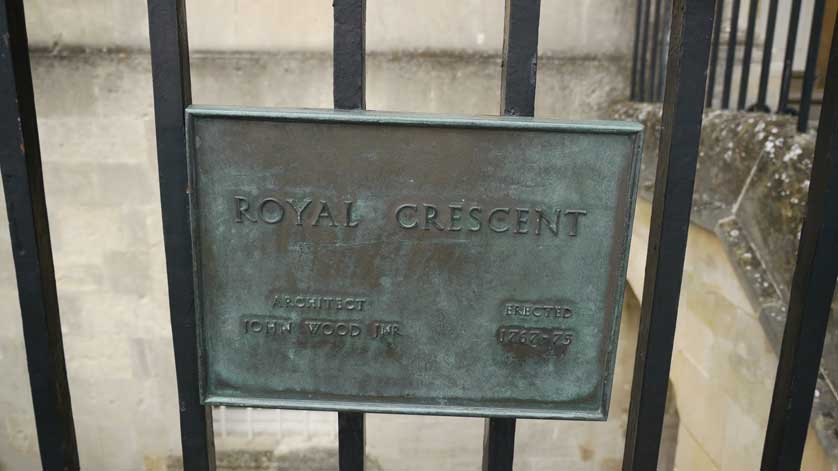
Built between 1767-1774 and designed by the architect John Wood the Younger, the Royal Crescent is considered to be one of the finest achievements in 18th century urban architecture. It is widely viewed as the pinnacle of Palladian architecture in Bath.
Each room at No. 1 Royal Crescent highlights Georgian interior design and features authentic furniture, paintings, textiles and carpets.
The museum provides visitors to the Royal Crescent with an opportunity to see what lies inside the famous façade and to see what life was like for the wealthy in 18th century Bath.

Somerset Rural Life Museum
Located in Glastonbury, the Somerset Rural Life Museum has reconstructed rooms showing the social and domestic life of Victorian Somerset. The museum also features a tea room and museum shop.
The centrepiece of the museum is the fourteenth-century Abbey Barn. The barn and the surrounding farm buildings as well as the courtyard contain displays which showcase local rural activities such as mud horse fishing, peat digging and cider making.
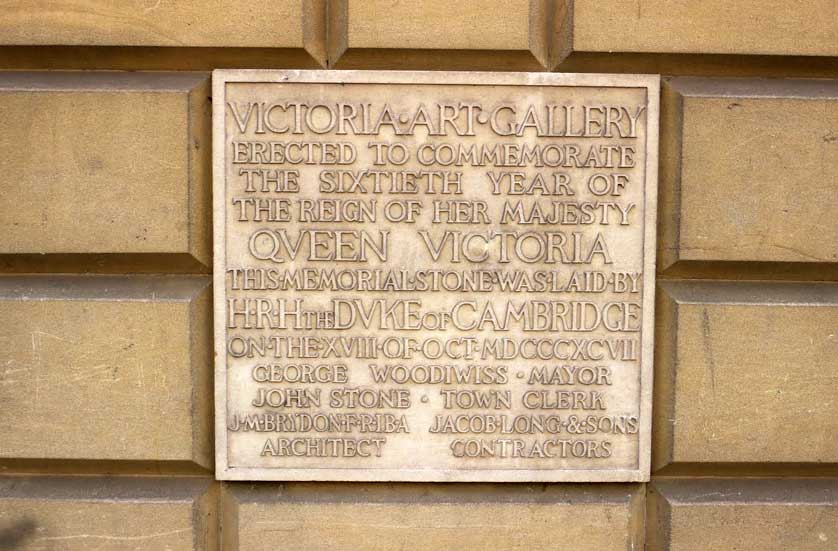
Victoria Art Gallery
The Victoria Art Gallery is a free public art museum. The museum is housed in a building designed in 1897 by John McKean Brydon which is a Grade II listed building. On the exterior of the building, there is a statue of Queen Victoria by A. C. Lucchesi.
The gallery commemorates Queen Victoria's sixty years on the throne. The Victoria Art Gallery is run by the Bath and North East Somerset council and displays their collection of sculpture, paintings and other art forms.
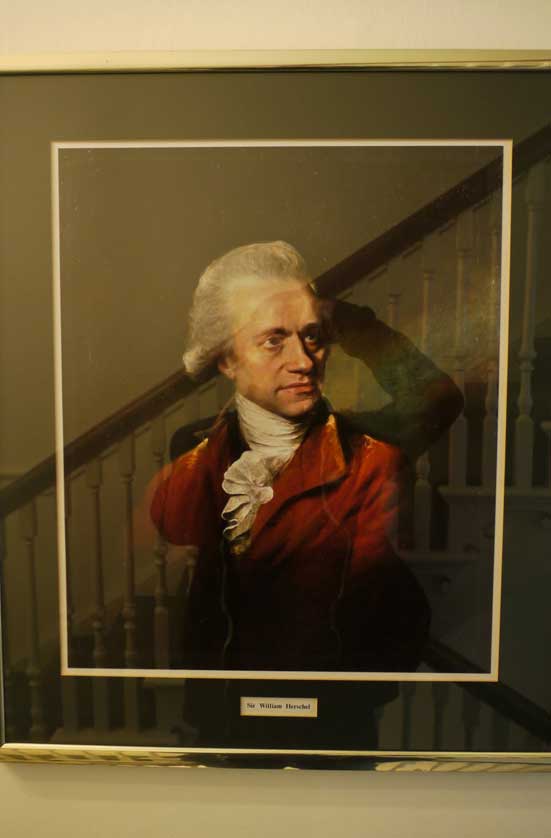
William Herschel Museum
The William Herschel Museum showcases the home of two of history's great astronomers, William Herschel (1738-1822) and his sister Caroline Herschel (1750-1848).
William Herschel's discoveries included the planet Uranus in 1781 as well as infrared radiation in 1800.
His sister discovered no less than eight comets. William Herschel was also a talented musician and composer who composed among other things 24 symphonies.
Herschel was also well-known as a maker of telescopes. Visitors to the museum in Bath can see a replica of one of his telescopes. Visitors can also view the equipment he used to make the telescopes, including the smelter and polishing equipment he used for the mirrors in his telescopes.
Related
Map
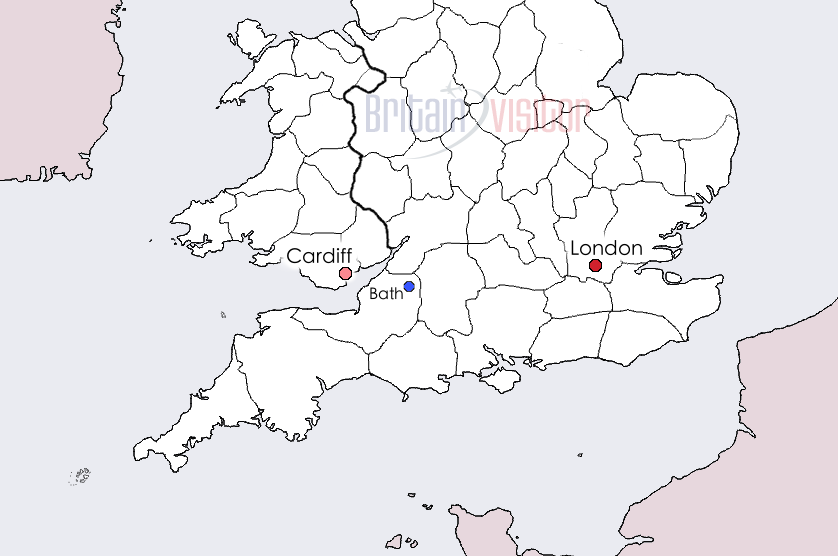
Hotels in the South West of England & Wales
Book Hotels in Bath - Agoda.com
Find Hotels in Bradford on Avon - Booking.com
Search Hotels in Cardiff - Booking.com
Recommended Hotels in Exeter - Agoda.com
Book Hotels in Salisbury - Agoda.com
Hotels in London - Booking.com
Hotels in England - Booking.com
Bath Hop-On Hop-Off Sightseeing Bus (Open Top)
The Hidden Cotswolds and The Making of England Day Tour from Bath