UK Museums: St Andrews Museums
Museums in St Andrews, Scotland
St Andrews, like nearby Dundee, has a number of interesting museums and art galleries in addition to its cathedral and castle.
See a listing of museums in and around St Andrews including the St Andrews Museum, the Wardlaw Museum and the R&A World Golf Museum.
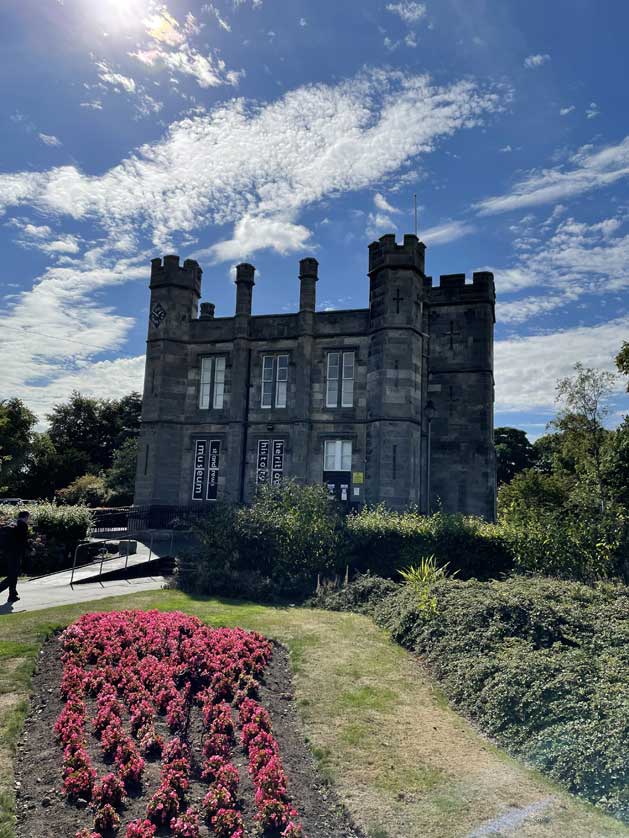
St Andrews Museum
The St Andrews Museum is housed in a Victorian mansion within the lovely grounds of Kinburn Park. The main focus of the museum is the history, culture and economy of the town of St Andrews itself.
The museum explains the importance of St Andrews in the history of Scotland. The town was an important port for both fishing and trading as well as an ancient academic and religious center. Wall panels and exhibits in glass cases reveal how St Andrews was connected to the rest of Europe and the wider world. The university in St Andrews is the oldest in Scotland (founded in 1413) and only the universities in Cambridge and Oxford in England are older.
Also on display is a collection of pilgrim badges from the medieval period. These include a 15th century badge of St Andrew found in excavations in 1989 near St Andrews Castle and a scallop shaped badge of St James from Santiago de Compostela in Spain.
As well as the permanent collection, the museum also hosts temporary exhibitions.

Wardlaw Museum
The Wardlaw Museum is a museum maintained by the University of St Andrews.
The museum is dedicated to the university's research and showcases the institution's large and diverse collections of art, history, science and natural history. Altogether these total over 115,000 artefacts. The museum takes its name from Bishop Henry Wardlaw, the founder of St Andrews University.
The museum relates the history of the University of St Andrews which began in 1410, making it the oldest university in Scotland.
The four galleries at the museum are thematic and are Scotland's First University, Enquiring Minds, Reformers and Innovators and Expanding Horizons.
The museum also hosts several temporary exhibitions throughout the year including presently First Women - a collection of photographic portraits of women in Britain who were first in their field.
Other museums connected with the University of St Andrews include the Bell Pettigrew Museum of Natural History, open to the general public during school holidays and the Collections Centre with highlights of the collection that are not on general display but available to researchers.

R&A World Golf Museum
The R&A World Golf Museum celebrates the town's links with golf and the history of the game in general.
The museum has six zones which use a variety of interactive exhibits to explain the origins of the game on Scotland's east coast and its subsequent spread around the world.
Videos and photographs complement such historic items as the world's oldest set of clubs (over 400 years old), trophies and memorabilia from past Open champions.
You can also try your hand at holing a championship-winning putt in one interactive display.
The museum also hosts several temporary exhibitions throughout the year including presently Seve - His Life Through the Lens.
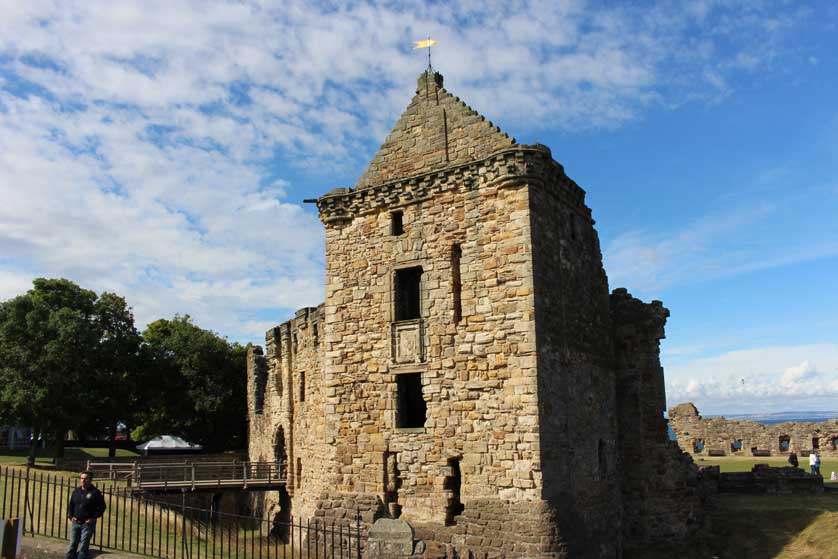
St Andrews Castle
St Andrews Castle is now a ruin located on a spectacular rocky outcrop overlooking the sea. The castle, along with the nearby ruined cathedral are important places in the history of Scotland in general and its bloody Reformation in particular.
The history of the castle goes back to the late 12th and early 13th centuries when Bishop Roger of St Andrews first built his episcopal palace on the site. It was used as such until the bloody years of the Scottish Reformation in the 1550s and 1560s.
Before that the castle/palace changed hands during the Wars of Scottish Independence (1296-1346) between the English and Scots.
Mines and counter-mines, which can still be seen today and are a highlight of any visit, were dug during the terrible siege of 1546-47. Finally with the arrival of a French fleet and artillery the castle was destroyed and the Protestants imprisoned with Knox condemned to a French galley.
Nowadays the main structures still standing are the Hamilton Façade (built after 1547), the Kitchen Tower, parts of the walls, the bottle dungeon, and also the mines.

St Andrews Cathedral
St Andrews Cathedral like nearby St Andrews Castle is a magnificent medieval ruin. Once the largest cathedral in Scotland and headquarters of the Scottish Church, it remains one of the most important historical sites in Scotland. Its ruins are now a testament to the destruction of the turbulent years of the Scottish Reformation in the 1550s and 1560s. In its prime, the cathedral was the seat of the Archdiocese of St Andrews and the Bishops and later Archbishops of St Andrews. It was also the largest church in Scotland.
The history of the cathedral dates back to the foundation and the building of St Rule's Church sometime around 1130, though historians are unsure of the exact date.
The site housed relics of St Andrew - the patron saint of Scotland - brought to Scotland from Greece in the 4th century by Saint Rule (Regulus).
The church and priory were constructed for the newly-arrived Augustinians from the continent who took over the administration of the site from the Culdees based in The Church of St Mary on the Rocks.
The major remains are the east gable of the presbytery, which housed St Andrew's relics, the south wall of the nave, Pends Gate (the main entrance gate) and the west front.
The museum contains the cathedral's treasures including The St Andrews Sarcophagus and a number of medieval sculptures. The museum's buildings occupy what was once the cathedral's priory. There are two sections and a museum shop.
One section is in the undercroft of the the original priory, beneath what what was once the monks' refectory. The other is in what was in days gone by the canon's warming house.
Stonework from the Pictish 7th century to the post-Reformation period forms the main bulk of the collection. Some highlights are several post-Reformation gravestones where the symbol of the cross is replaced by motifs representing mortality such as hourglasses and the skull and crossbones; an effigy of Bishop Henry Wardlaw, the founder of St Andrews University; and a collection of wax seals.
The St Andrews Sarcophagus takes pride of place, however, and is a fine example of early medieval sculpture. Historians believe the sarcophagus holds the remains of an 8th century Pictish ruler.
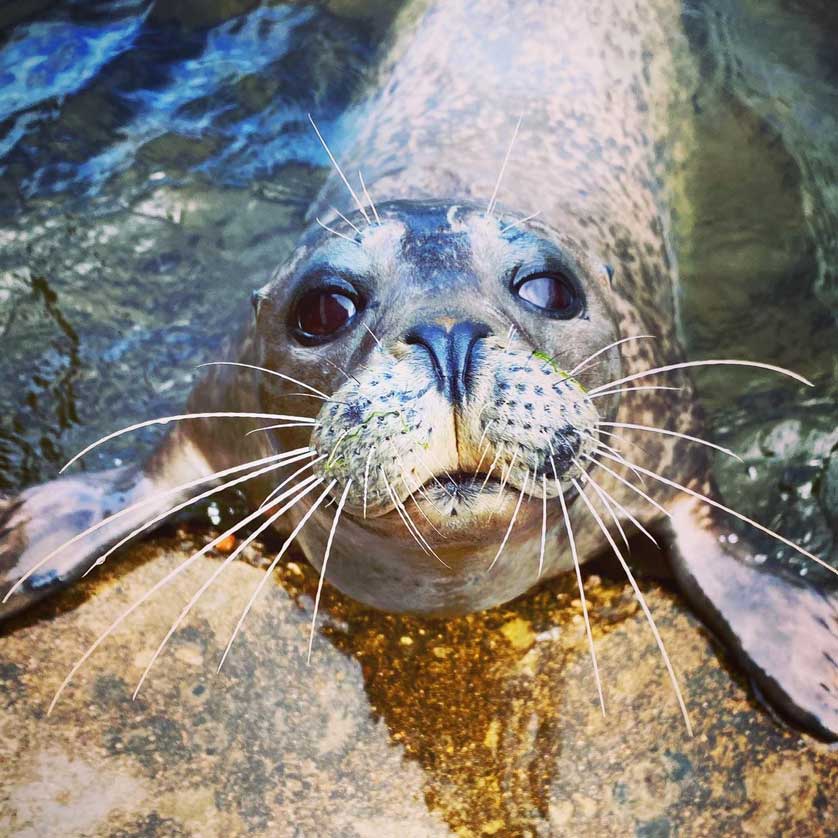
St Andrews Aquarium
St Andrews Aquarium near the R&A World Golf Museum and The Old Course is a fun day out for all the family. With over 100 species of animals, not just aquatic creatures, there's lots to see.
Highlights of any visit include feeding time for the aquarium's Humboldt penguins plus British sharks and rays, lionfish, piranhas and seas.
In addition, visitors can enjoy a variety of reptiles, frogs, marmoset monkeys, spiders, West African Dwarf Crocodiles and the ever popular meerkats.
The aquarium has been family owned and run since 1999. It's open daily from 10 am to 5 pm; closed 24 - 26 December and New Year's Day.

Scotland's Secret Bunker
A short distance from the center of town is Scotland's Secret Bunker, aka RAF Troywood. It was built in 1951 as a command center for use in a possible nuclear conflict with the USSR during the Cold War. A farmhouse conceals the entrance to a labyrinth of reinforced concrete tunnels. As well as the command center, visitors can see six dormitories for staff, the officers' mess (refreshments still served), a broadcasting studio used by the BBC, and a chapel.
There is also now a room dedicated to CND and SCND (Scottish Campaign For Nuclear Disarmament). Britain's nuclear weapons are carried on Trident submarines based at HMNB Clyde at Faslane on the Gare Loch, Scotland. Open daily from February 1 to 31 October; 10 am - 5 pm.
Related
Stay
If you wish to stay in St Andrews try the Fairmont St Andrews, with five stars and views of the St Andrews Bay. The hotel also boasts a spa and a pool.
Also recommended are the budget Ardgowan Hotel located in a Georgian terrace and Rusacks St Andrews, overlooking the Old Course.
Old Course Hotel St Andrews overlooks West Sands Beach and the Links Golf Course. Enjoy its Kohler Waters Spa, which offers luxury spa treatments, a hydrotherapy pool, experience showers and cold plunge pool.
Hotel Du Vin St Andrews on The Scores offers a French-style bistro and bar.
Kinnettles Hotel & Spa offers an à la carte restaurant amid five-star luxury.
See a listing of hotels in St Andrews.
Map
Hotels in Scotland
Book Hotels in Edinburgh - Booking.com
Find Hotels in Glasgow - Booking.com
Search Hotels in Orkney - Booking.com
Hotels in The Shetlands - Booking.com
Search & Book Hotels in Scotland - Booking.com
Hotels in Edinburgh - Agoda.com