Nottingham Guide
Lace Town & Robin Hood - A Guide to Nottingham

Nottingham in the East Midlands is a vibrant town of over 320,000 people with a long history.
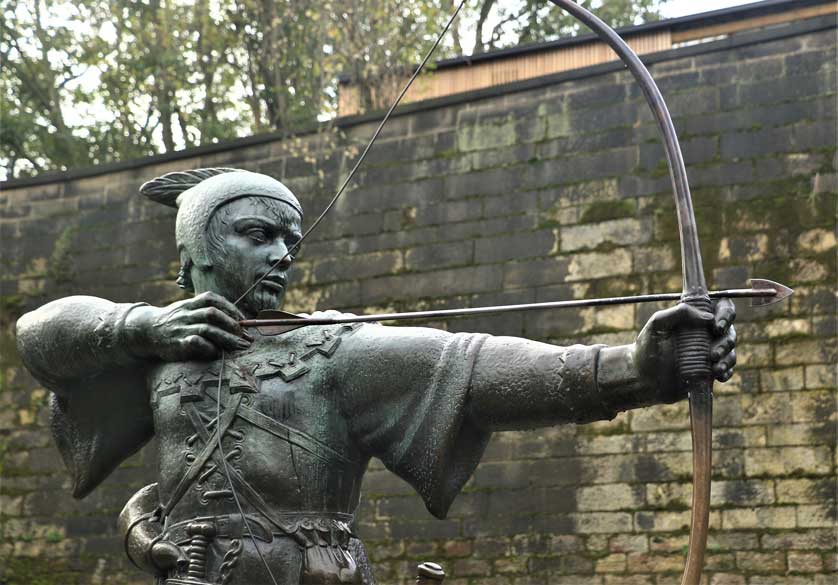
In the top ten biggest cities in Britain, Nottingham is well-known for its past association with the legendary Robin Hood and its Victorian-era lace industry.
Now the town is a culturally-diverse center reinventing itself as a food, fashion and leisure hub.
History
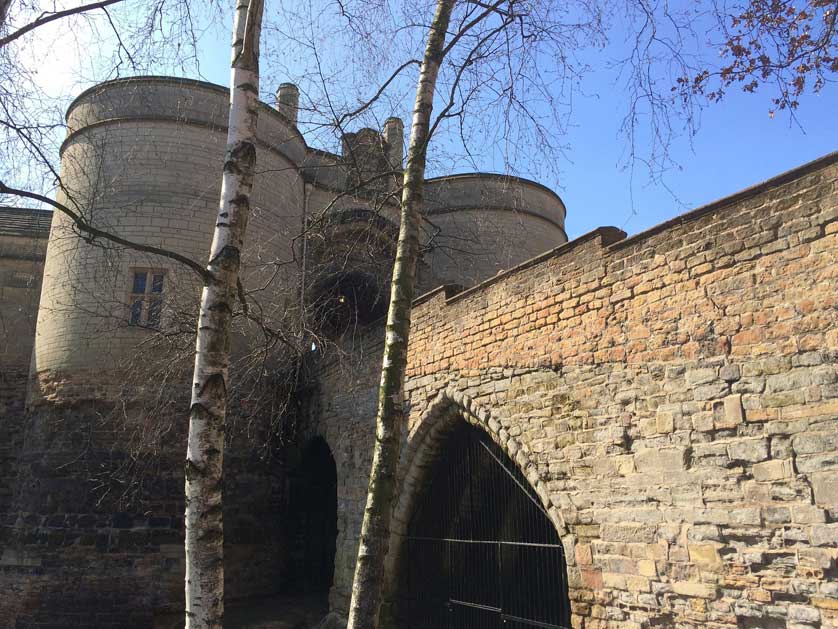
Nottingham as a town dates from the 6th century and the Saxons. It is situated on sandstone hills overlooking the River Trent. The river was navigable as far as this point and could be forded. The Saxon town was built on one of the hills and the conquering Normans built their castle on another first in wood and then in stone from the 12th century. The castle at the time was one of the most important in England, on a par with both Dover Castle and Windsor Castle in the south.
The land between the two hills became Market Square where the Saxons and Normans began to trade.
Indeed, it was from Nottingham Castle that Charles I began the English Civil War in 1642. After his defeat the castle was reduced by Cromwell and the Parliament.
The legend of Robin Hood dates from the 14th century, though Nottingham did not get a sheriff until 1449.
Nottingham grew quickly in the 17th and 18th centuries before rapidly industrializing in the 19th century. Lace production, cigarettes (John Player dates from 1877) and Raleigh bicycles named after the street where the bicycles were made were the main industries.
Many civic and sporting institutions in the town also date from this period. Notts County and Nottingham Forest football clubs were both founded in the 1860s, Goose Fair evolved from an agricultural and produce market into an annual fun fair and University College, where D.H. Lawrence studied was established in 1881.

Nottingham Attractions
Nottingham Castle on Castle Rock was home until recently to the Nottingham Museum and Art Gallery. Now the whole site is being redeveloped and hopes to fully open to the public in 2021.
The original Norman and Medieval castle was reduced after the English Civil War, however, the Duke of Newcastle built his Ducal Mansion on the site after the Restoration of Charles II. The mansion was in turn badly damaged and burnt in a riot in 1831. Restored again in the 1870's the castle is once more undergoing another transformation. The new project will include a Robin Hood Gallery complete with projection screens and virtual archery as well as the Power of Art and Making collections.
These include exhibitions of Nottingham arts and crafts, lace as well as the original art collections of the former Nottingham Museum arranged thematically. Superb pieces on display include ceramics, drawings, jewellery, paintings, sculptures and textiles.
Some elements of the castle's long history still remain too and have been incorporated into the new experience including Mortimer's Hole, a tunnel leading down through the hill on which the castle stands to Brewhouse Yard and its 17th century cottages.
Wollaton Hall & Gardens, about 5 km west of Nottingham Castle, is a fine Elizabethan manor house that now holds both the Nottingham Natural History Museum and Nottingham Industrial Museum.
The large grounds play hosts to numerous outdoor events and are also used for film shoots including the Batman movie The Dark Knight Rises.
The architect is thought to be Robert Smythson, who also designed Longleat House and nearby Hardwick Hall.
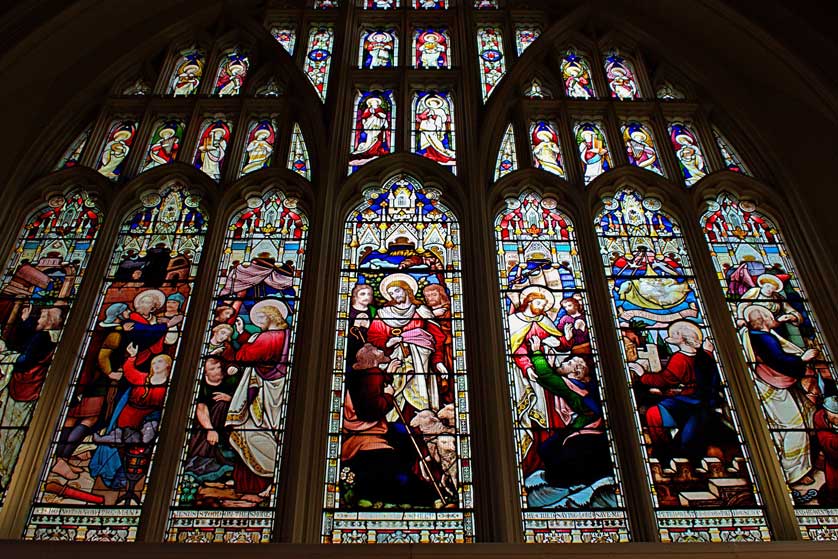
Nottingham Museums, Churches & Fairs
Other popular tourist attractions in Nottingham include the National Justice Museum in the Lace Market. The building is a former Victorian period courtroom, jail and police station. The museum is dedicated to the history of British crime and punishment and has on display the original dock from Bow Street Magistrate's Court in central London.
Green's Windmill and Science Centre, east of the Lace Market is a restored Victorian tower mill. It was home to George Green (1793- 1841), a mathematical physicist. Its science exhibits are particularly popular with children.
St Peter's Church dates originally from 1180 and is a Grade I listed building. It is noted for its distinctive tower and spire as well as its celebrated choir. The Cathedral Church of St. Barnabas designed by Augustus Welby Northmore Pugin (1812-1852) is the Catholic cathedral in the city.
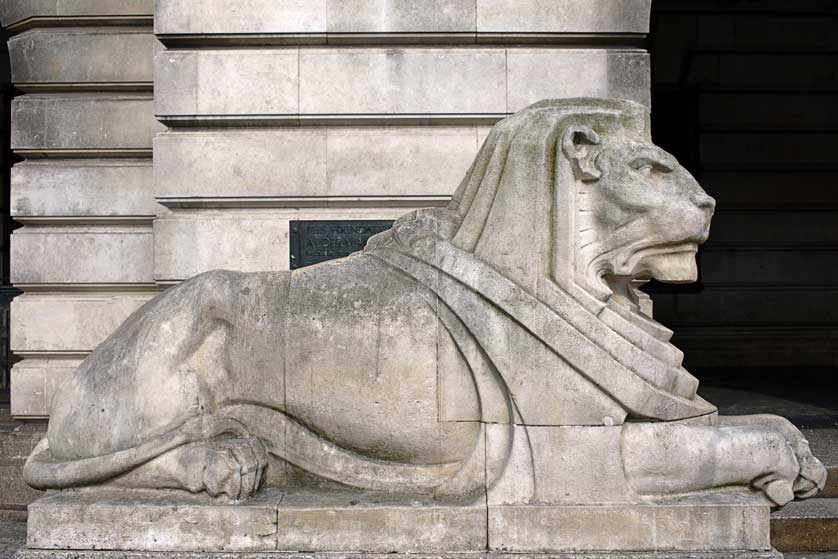
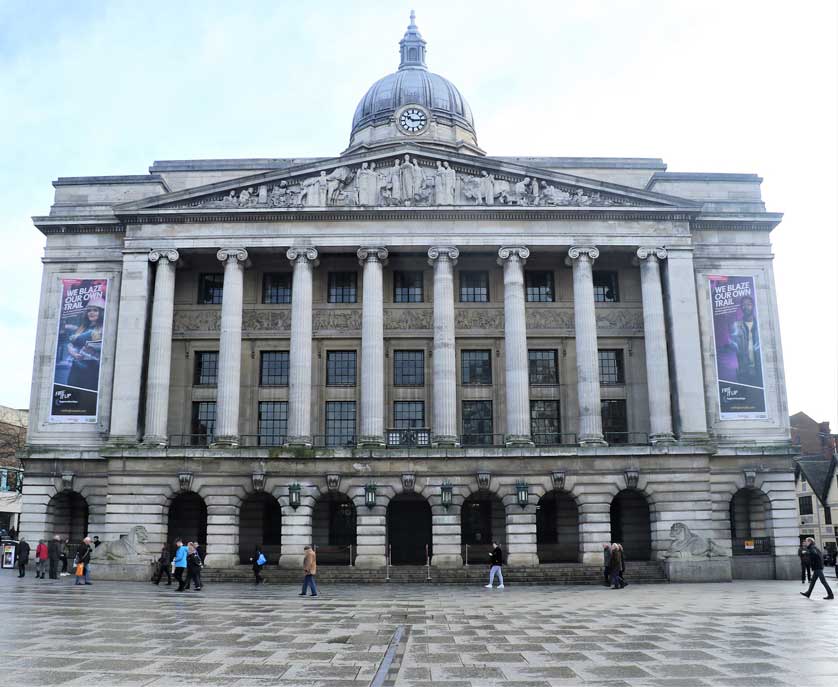
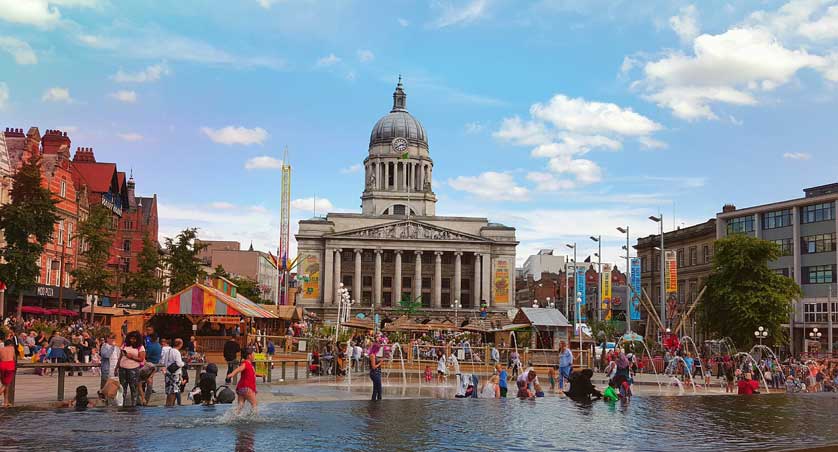
The Council House is Nottingham's Town Hall and the centerpiece of Old Market Square. It dates from the late 1920's and is made from the same Portland Stone as St. Paul's Cathedral in London.
Nottingham is a UNESCO World Heritage City of Literature. In the UK Edinburgh, Manchester, Norwich, and Exeter are also on the list. Nottingham's two most famous literary giants are Lord Byron and D.H. Lawrence who come very different social backgrounds but who both became exiles due to controversy at home.
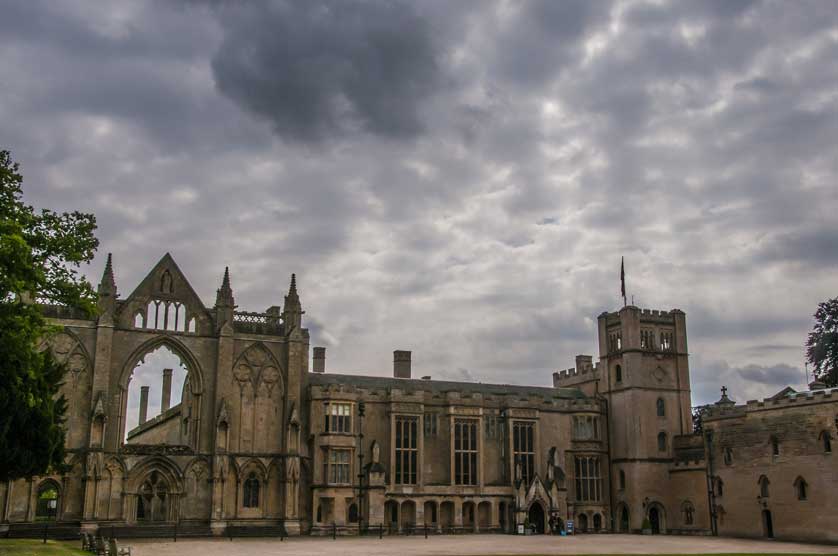
Newstead Abbey was a former Augustinian priory and the ancestral home of Lord Byron complete with 300 acres of grounds. It was in serious disrepair when he inherited, however, and he lamented its semi-ruin in the lines: Thro' thy battlements, Newstead, the hollow winds whistle;
Thou, the hall of my fathers, art gone to decay.
The poet finally managed to sell near the end of his short life. Now Newstead is owned by Nottingham City Council and has a museum dedicated to Byron. On display are letters, manuscripts, his gilt wood bed, pistol and desk.
D.H. Lawrence's birthplace in Eastwood is also a museum but a much more humble residence. The D.H. Lawrence Birthplace Museum is laid out in the style of an authentic working-class miner's house. The son of a miner, Lawrence spent his formative years in the village, while roaming in the remnants of nearby Sherwood Forest. On display are some of the writer's paintings as well as various personal items.
The University of Nottingham Museum has an archaeological collection of pieces from Nottinghamshire and the East Midlands.
Nottingham Shopping & Entertainment
Nottingham ranks in the top ten shopping destinations in England.
Its main shopping centres are the Victoria Centre and Broadmarsh Centre both owned and operated by intu. The future of the latter is in some doubt as the rising costs of a redevelopment and the Coronavirus outbreak leave its future in some doubt. The Victoria Centre has over 120 stores, several restaurants, parking and free Wi-Fi throughout.
The Exchange, part of the Council House in Exchange Square, is Nottingham's oldest shopping arcade and home to some exclusive brands.
Old Market Square still hosts markets and other events.
Nottingham native Paul Smith opened his first store at 6 Byard Lane in the city centre in 1970. Now an icon of the British fashion scene, Paul Smith's clothes are sold all over the world.
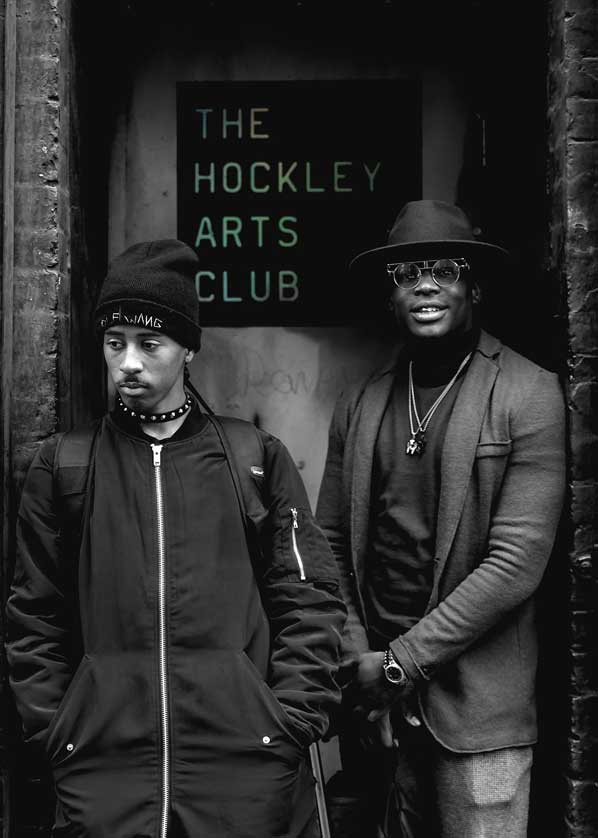
The Lace Market and the adjoining Hockley district boats numerous pubs, bars, restaurants and several of the city's best city centre hotels.
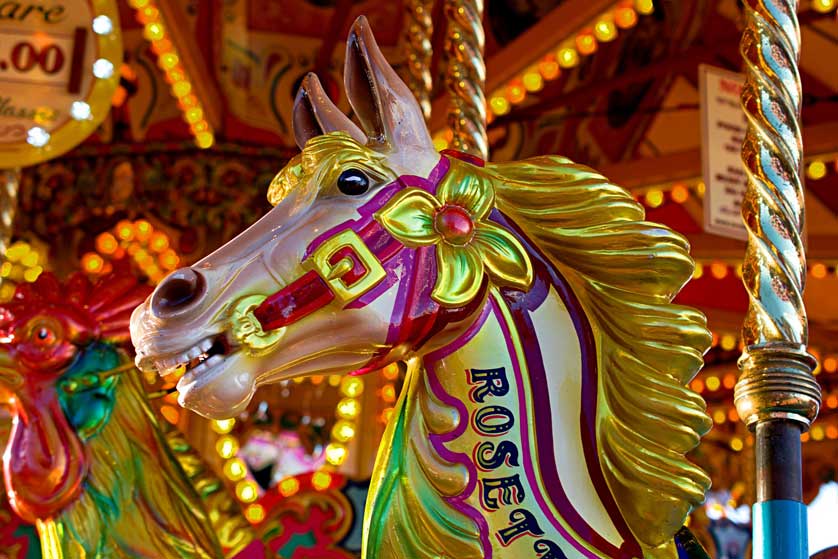
Goose Fair dates back to at least the Medieval period and gets its name from the thousands of geese that were driven from the Fens to be sold in Nottingham. Morphed into a fun fair it takes place over a five-day period at Forest Recreation Ground in October.
Nottingham Restaurants
For the gourmand Nottingham offers an pleasing choice of places to drink, eat, and relax.
Boasting two Michelin stars, Restaurant Sat Bains with Rooms is both a superb restaurant and five-star hotel with seven rooms. It is close to the River Trent near Clifton Bridge.
Other high-quality restaurants in Nottingham abound. There's recommended Indian cuisine at the Calcutta Club, The Cumin Restaurant and Marsala Junction, Middle Eastern at Pistachio in Hockley and French at the Le Mistral Sherwood. For Polish dishes try nearby Ania Polish Restaurant, also on Mansfield Road.
Fans of Italian cuisine should head for Hungry Pumpkin on High Pavement and Venezia east of the city centre in Saxondale.
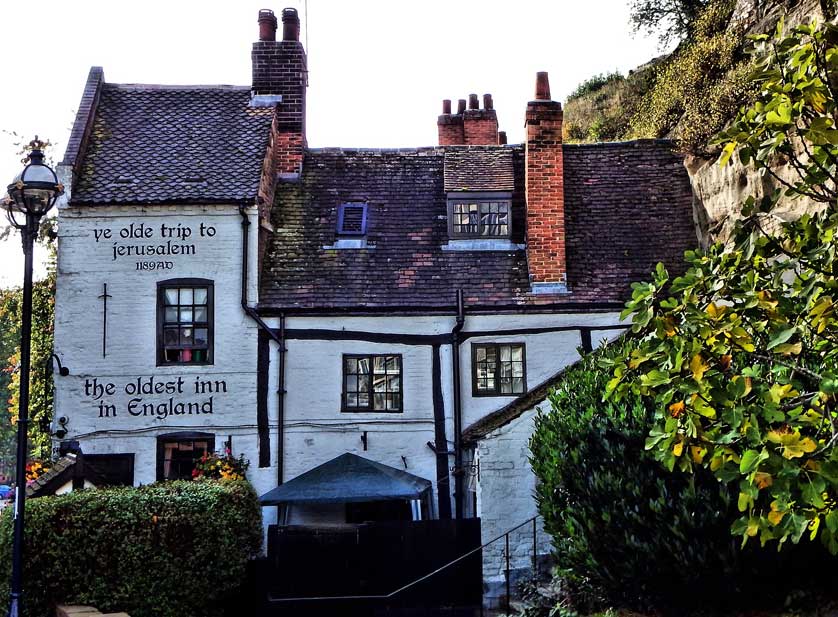
For pubs, Ye Olde Trip to Jerusalem is the city's oldest close to Nottingham Castle.
Access - Getting to Nottingham
Nottingham Station is the city's main station and a tram stop. Nottingham Station is located just south of Nottingham Canal.
There are trains to London St Pancras, Leicester, Manchester Piccadilly in Manchester, and Liverpool Lime Street. Other connections include trains to Matlock via Derby, Birmingham New Street and Norwich via Grantham, Peterborough and Ely.
Northern has trains to Leeds via Sheffield.
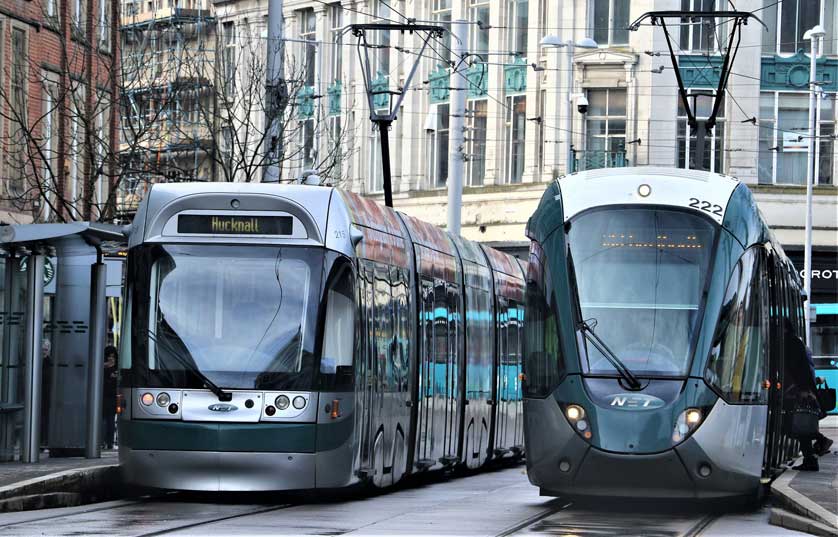
The NET, Nottingham Express Transit, tram stop at the station affords direct access to the railway station platforms.
There are no longer National Express bus stations in Nottingham. National Express buses now stop on Station Street outside Nottingham Station.
The former bus station at Broadmarsh shopping centre is no more and the whole redevelopment (which would have included a new bus station) is presently up in the air due to rising costs and the Covid-19 situation.
Hire a car in Leeds. Compare the biggest brands in UK car hire to get the cheapest deal on a variety of vehicles from compact cars to estates to SUVs.
Map
Sports & Stadiums
Nottingham is home to Nottingham Forest, twice European Champions under legendary manager Brian Clough and Notts County (the oldest professional football club in the world having been founded in 1862). Basford United (currently in the Northern Premier League) are the city's third team.
Trent Bridge is an international cricket venue with state-of-the-art, funky floodlights designed by Arup which allow for day/night games.
Hotels
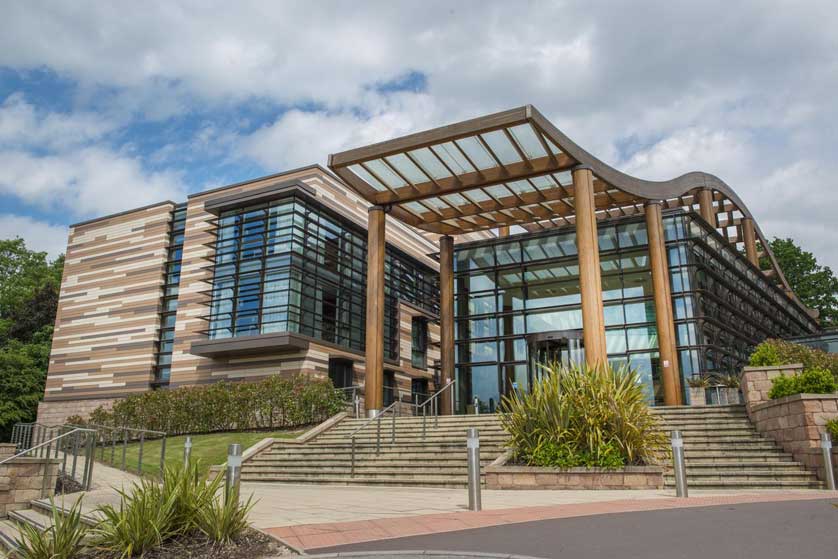
Nottingham has a wide range of accommodation options to choose from.
These include the four-star De Vere Orchard Hotel, adjacent to the East Midlands Conference Centre, the centrally-located Hart's Hotel, also four stars, Jurys Inn Nottingham and the three-star Holiday Inn Nottingham at Castle Marina Park.
See a complete listing of hotels in Nottingham.
Hotels in the UK
Book Hotels in England - Booking.com
Find Accommodation in London - Booking.com
Search Hotels in Scotland - Booking.com
Hotels in Northern Ireland - Booking.com