British Icons
Read a listing of icons of British culture.
What defines Britain and being British? What things, people and places are quintessentially British? What do foreigners think of when when they imagine Britain? What are some famous British icons? We look at icons in the fields of British architecture, culture, buildings, brands, food, literature, music, people, sport, TV and weather.
Further information on many of the listed entries on British icons are available via accompanying links.
A B C D E F G H I J K L M N O P Q R S T U V W X Y Z
A
Abbey Road - the pedestrian (zebra) crossing featured on the Beatles' album Abbey Road. Visitors recreate the scene for Instagram much to the annoyance of passing drivers.
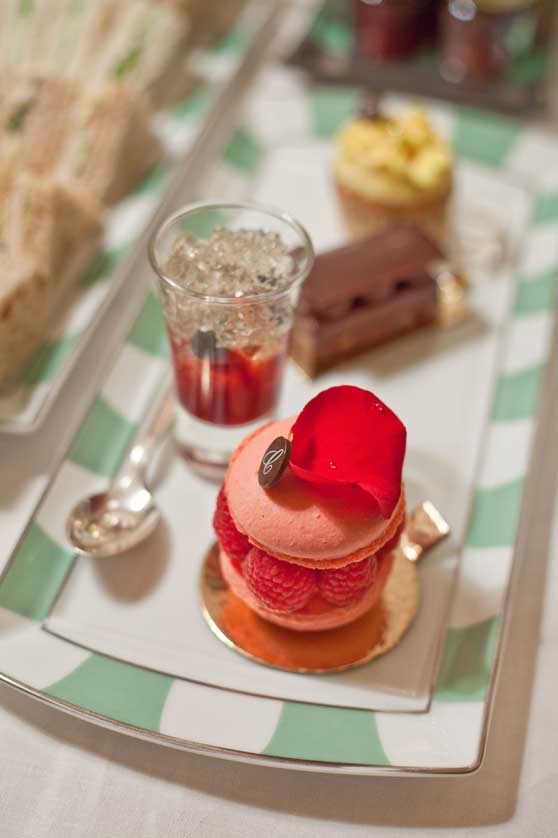
Afternoon Tea - what better place to enjoy a classic British afternoon tea than the Art Deco masterpiece that is Claridge's Foyer. Located on the ground floor of the hotel, the Foyer is a glorious Art Deco jewel. Red leather banquettes, gold pillars, fine chandeliers and gilt-trimmed mirrors are crowned by a stupendous Dale Chihuly silver-white light sculpture, assembled from more than 800 hand-blown glass pieces.
Antiques - equal big business in Britain. Popular TV programmes are dedicated to them, antique markets and shops abound in most town and cities. Visit London's Portobello Road & Golborne Road Market, Brick Lane or Greenwich Market for the best selections in the capital.
Aston Martin - an iconic luxury sports car made in Britain since 1913. James Bond drives one beginning with the DB5 model in 1964.
B
B&Bs - Bed & Breakfast that most British of places to stay. Rooms are normally in private homes so you will get to know your host. Traditionally associated with seaside resorts and cheap bucket and spade holidays, the UK now offers a wide variety of bespoke B&Bs to suit all tastes and budgets.
BBC - the British Broadcasting Corporation (BBC) began in the 1920s and has a reputation for impartiality. Its TV costume dramas, soaps and news are part of everyday life and conversation. Maybe no longer, but the BBC's broadcasts on TV and radio were once the glue that held the nation together.
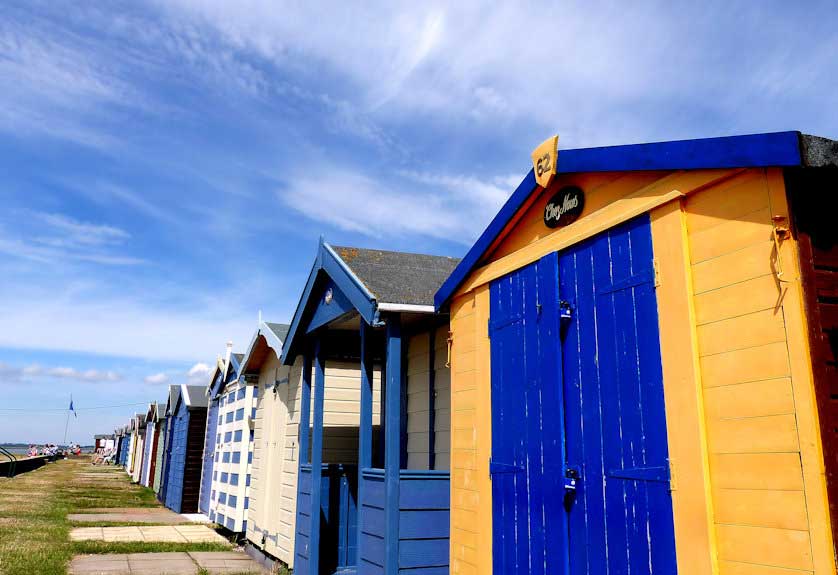
Beach huts - A common sight at many British seaside towns are lines of brightly colored beach huts. Though many consider them quintessentially British, in fact they can be found at many beach resorts around the world. It is estimated that there are about 20,000 of them in Britain.
Beatles - together for only eight years from 1962 to 1970, The Beatles and their music defined a generation. John Lennon, Paul McCartney, Ringo Starr and George Harrison have left a lasting legacy on the world of popular music and still attract fans from all over the world. The Beatles Story museum at Albert Dock on the waterfront in Liverpool is dedicated to the four local lads who took the world by storm in the 1960s.
Beckham - the footballer from London who made his name in Manchester is now more a fashion icon than a sporting one. Married to the former Posh Spice, Victoria, the power couple and their family are celebrity, red top royalty.
Big Ben - Big Ben is the nickname for the great bell in the clock tower at the north end of the Palace of Westminster in London, and most people use the name to refer to the clock or the clock tower as well. Big Ben is the largest four-faced chiming clock in the world. Big Ben celebrated its 150th anniversary in May 2009. The clock tower has become a symbol of Great Britain and London.
Blue Plaques - London and other towns and cities in Britain display blue plaques, usually, though not always, blue in colour showing where famous people have lived. There are around 850 blue plaques in London alone. The first plaque commemorated the poet Lord Byron at his birthplace, 24 Holles Street in Cavendish Square - a property that was demolished in 1889. The earliest plaque to survive and thus the oldest in London is the plaque dedicated to the French King Napoleon III at 1C King Street, St James's.
Bowler hats - not seen too much these days, bowlers were first created by hat-makers Thomas and William Bowler in London in 1849. They are part of the attire of the "City Gent" along with a tightly rolled umbrella.
Buckingham Palace - the royal residence in London, Buckingham Palace draws crowds of foreign tourists to its Changing of the Guard ceremony. The palace has been the official London residence of Britain's monarchs since 1837. King George III acquired the property in 1761 as a private residence for Queen Charlotte. Buckingham Palace has 775 rooms including 19 State Rooms. The Palace is also the location for great Royal ceremonies and State Visits by foreign dignitaries.
Wandering through Britain, from the timeless charm of antique markets to royal landmarks, musical legends, and seaside allure, every scene holds unique memories. To preserve the beauty of your journey, consider carrying a custom-designed travel pin, featuring classic elements such as Big Ben, Buckingham Palace, beach huts, the Beatles, and top hats.
Custom Pin Badges are not just a small item to open your door, but a unique souvenir carrying cherished memories of your British trip. With it, wherever you go, you'll recall your unforgettable time in Britain, ensuring these travel memories last forever.


C
Camden Town - with its collection of bizarre and funky three dimensional facades, walking along the High Street of Camden in north London is like visiting a free, open-air Pop Art museum. Camden has long been a popular destination for visitors to London as well as locals for shopping, eating, and nightlife. Alongside the canal, Camden Lock Market has plenty of stalls specializing in crafts, books, clothing, and jewelry.
Charlie Chaplin - Charlie Chaplin (1889-1977) is arguably still Britain's most famous movie comedian (who was also a filmmaker and composer). His "thoughtful slapstick" brand of comedy is encapsulated in his best known role: the Tramp. Chaplin made full use of humor not only to entertain but also to make political statements against the growing authoritarianism of the 1930s.
Cotswolds - for many foreign visitors to the UK, the Cotswolds are what they imagined the country to be - rural landscapes with historic towns, stone-built villages, plus stately homes and gardens.
Cricket - the game of cricket defines the spirit of an English summer. Some famous places to watch cricket include Lord's and The Oval in London, Old Trafford in Manchester, Edgbaston in Birmingham, Trent Bridge in Nottingham and Headingly in Leeds. International games also take place in Bristol, Taunton, Chester-le-Street, Cardiff and Southampton.
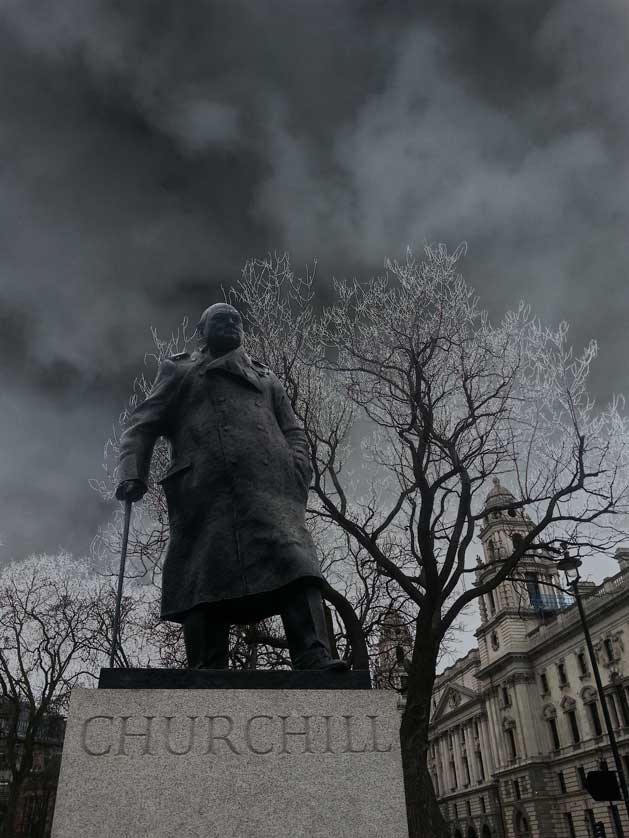
Churchill - Winston Churchill (1874-1965), born at Blenheim Palace, was Britain's Prime Minister in World War II. The adjective Churchillian defines his best attributes: determined, focused, strong and uncompromising. A statue of the great wartime leader stands in Westminster.
Cornish Pasties - are baked pastries filled with usually meat and vegetables. The legend is they were invented as meals for tin miners in Cornwall to take down the mines for lunch, though references to pasties in Cornwall predate the tin mining.

D
Dartmoor Ponies - it is estimated there are about 1,500 Dartmoor Ponies of various breeds grazing on Dartmoor but there may well have been as many as 30,000 in the mid-twentieth century.
Diana - Diana, Princess of Wales (1961-1997) was the most popular member of Britain's Royal Family. She became a princess upon her marriage to Prince Charles in 1981, and her warm, unaffected public persona, her championing of the disadvantaged, and her photogenic looks and personal style drew worldwide adulation that has long outlasted her untimely death.
Dickens - like Churchill, Charles Dickens' influence on British culture has been so great that a word has been coined in his memory - Dickensian - referring to poor social conditions or comically repulsive characters. Novelist and social critic, Charles Dickens (1812-1870) created some of Britain's best known fictional characters - the Artful Dodger, David Copperfield, Fagin, Mr Micawber, Oliver Twist and Scrooge among them.
Doctor Who - the Time Lord has been on British TV since 1963 travelling time and space in the Tardis, a blue British police box. In 2017 Jodie Whittaker became the first woman to take on the role.
E
Edward Elgar - Elgar (1857-1934) is the composer of some much-loved British classical music such as the Enigma Variations, the Pomp and Circumstance Marches, and The Dream of Gerontius. Born near Worcester, his likeness features in one of Worcester Cathedral's many stained glass windows.
F
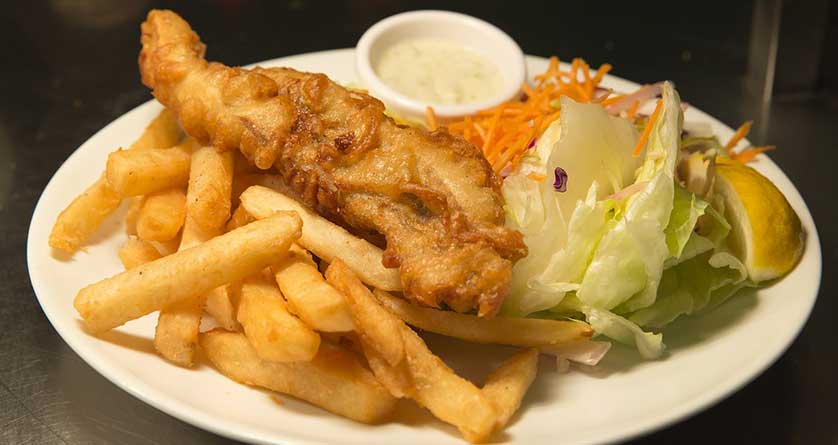
Fish and Chips - Originating in the mid-nineteenth century in London, fish n' chips, wrapped in newspaper and served with salt and malt vinegar became a staple of the working classes and a British cultural icon to this day.
Football - the game as we know originated in Britain and is akin to a national obsession, along with the weather. The National Football Museum in central Manchester is a good place to get a feel for the history and culture of the sport. A trip to any match serves up a unique and very British cultural experience.
Full English Breakfast - a full English breakfast often includes bacon, eggs (fried or poached), fried or grilled tomatoes, baked beans, fried mushrooms, fried bread or toast, hash browns, black pudding (up North), and sausages. It is a potential heart attack on a plate but much loved by both natives and visitors alike. I knew of one Italian truck driver whose dislike of other British food meant he ate nothing else.
G
Gardens - British people love them whether it is their own backyard or some of the grand gardens associated with the country's stately homes. Some of Britain's best formal gardens are Sissinghurst, Stourhead and Hidcot Manor. Britain has some superb botanical gardens, too. the University of Oxford Botanic Garden in Oxford, founded in 1621. The Chelsea Physic Garden in London dates from 1673 and Kew Gardens in London is the most famous of Britain's botanical gardens.
Glastonbury - a unique feast of music offering a scale of entertainment unlike any other festival in the world. For five days every year the 1,100 acre Pilton farm in Somerset is home to a city under canvas in the Somerset countryside. Glastonbury hosts music from nearly every genre on earth on over 100 stages. In addition the entertainment and performing arts at Glastonbury include cabaret, theatre, circus, children's entertainment, poetry, healing, green crafts and much, much more.
H
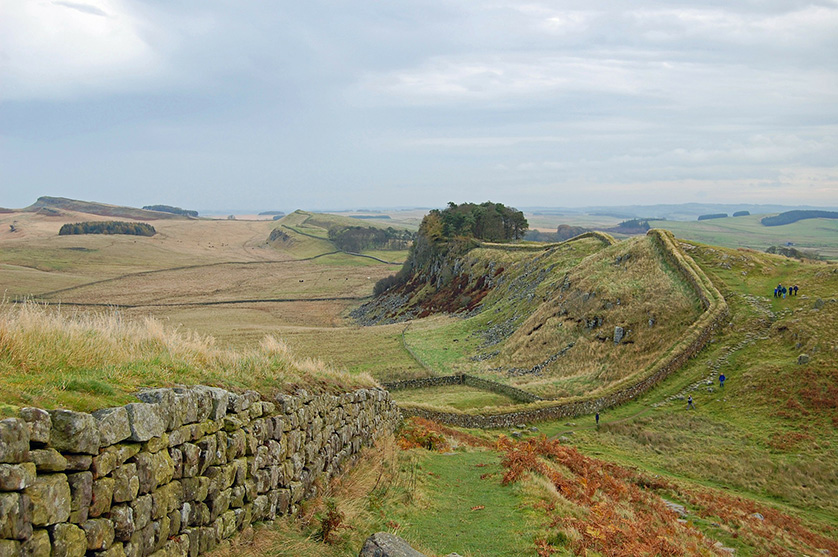
Hadrian's Wall - Hadrian's Wall is the longest wall in the world that survives from the Roman period. A popular misconception is that it forms the border between England and Scotland - it doesn't.
Haggis - The national dish of Scotland, haggis is a savoury mix of minced sheep's innards mixed with oatmeal, onion, suet and salt. Traditionally this would be simmered in boiling water wrapped in the animal's stomach. Haggis is often served with mashed potato and turnips and traditionally eaten on Burns Night on January 25.
Harrods Department Store - located on Brompton Road in Knightsbridge, London, originally started as a modest grocery market in 1849 and has grown into a luxury department store known worldwide for its high quality retail and fashion products. In May 2010, the department store was sold to Qatar Holdings for £1.5 billion following public statements that the store was not for sale. Harrods offers 330 different departments to its customers, served by over 5,000 staff, including: clothing for all genders and ages, sportswear, accessories, electronics, health and beauty items, furniture and stationery etc. Harrods' food hall is a tourist attraction in its own right with rare food items imported from all over the world. An impressive 300,000 customers visit Harrods on peak days to experience its high-end shopping.
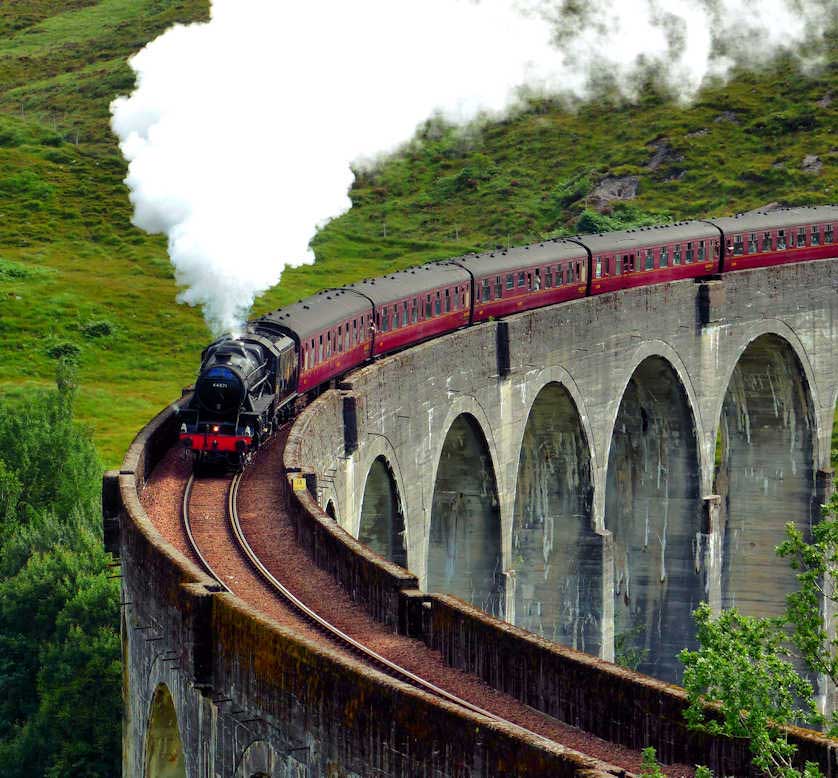
Harry Potter - created by author J.K. Rowling, the Harry Potter series of novels and movies has spawned a global phenomenon. Some places associated with the books that draw Harry Potter fans looking for some wizardry are Durham Cathedral, Glenfinnan in Scotland, Gloucester Cathedral, Lacock Abbey, and, of course, platform 9¾ at London's King's Cross Station.
I
Ice Cream Vans - the ice cream van is a true British icon. Vividly decorated, the ice cream van delivers 99's - a Cadbury's Flake stuck in a soft cream and cone, ice lollies and ice cream tubs - to suburban British homes throughout the summer. Ice cream vans play a distinctive tune or jingle to announce their welcome arrival to children across the UK and often play on an Italian theme.
J
James Bond - the fictional British Secret Service agent, 007, created by writer Ian Fleming is a household name around the world. As part of the Opening Ceremony for the 2012 London Olympics, Bond, played by Daniel Craig, escorted Queen Elizabeth (played by Her Majesty herself) from Buckingham Palace and parachuted into the Olympic Stadium.
K
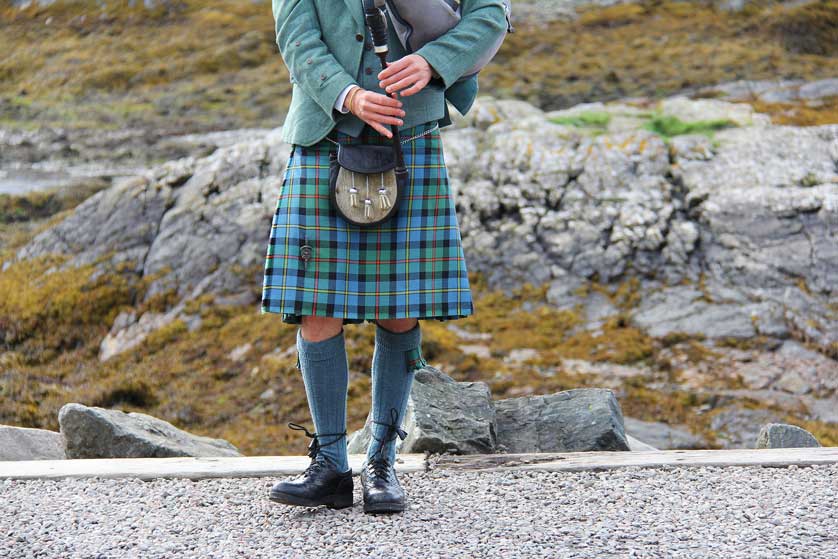
Kilts & Tartan - skirts for men and the patterns that represent the clans of the Scottish Highlands are two Scottish icons along with its whisky that help define the nation and its people, especially in the eyes of foreign visitors.
KitKat - a chocolate wafer first produced by Rowntree's of York in the 1930s. It is popular around the world especially in the Far East. "Have a break, have a Kit Kat" goes the advertising slogan.
L
Lake District - the Lake District National Park in northwest England is a beautiful part of the country. It has inspired poets such as Wordsworth who lived at Dove Cottage where he wrote his classic "I wandered Lonely as a Cloud." Windermere in the Lake District is England's deepest and largest lake.
Land Rover - another classic British car now owned by India's Tata Motors. Land Rover is the epitome of off-road, four-wheel drive style.

M
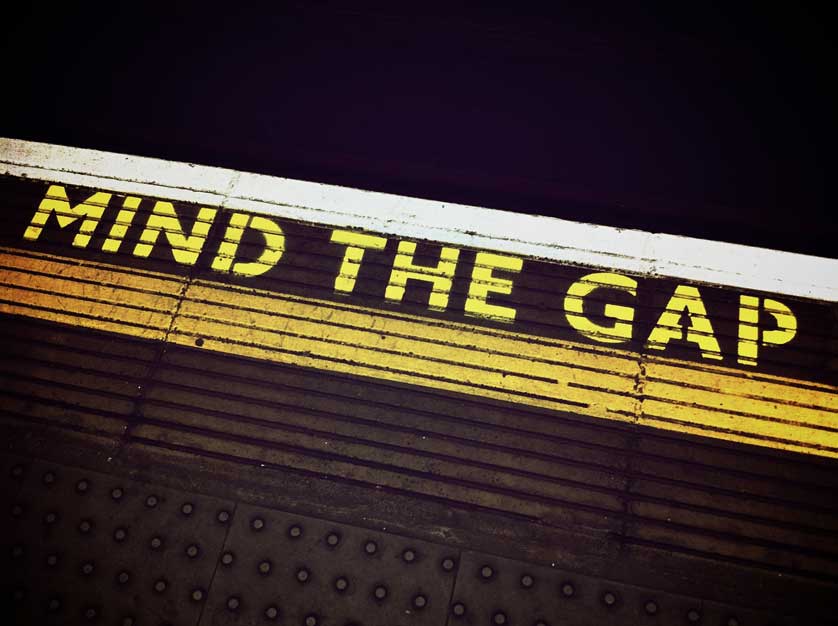
Mind The Gap - safety announcement and sign drawing attention to the gap between the platform and the train at some London tube stations.
Mini Cooper - at the other end of the scale from the Rolls Royce, the Mini, along with The Beatles defines a 1960s mindset. "You can do it in a Mini" went the advertising blurb - the it being the act of love, supposedly.
Monty Python - was a British comedy troupe active in the 1970s, whose trademark surrealist, dark satire was so distinctive that it gave rise to the English word "Pythonesque." Although they began in the elite Oxford and Cambridge universities, Monty Python mercilessly lampooned Britain's ruling class with slapstick comedy, most notably in the Monty Python's Flying Circus TV series, and then several Monty Python films.
N
National Trust - established in 1895 to help preserve Britain's heritage. Its mission is to "promote the permanent preservation for the benefit of the Nation of lands and tenements (including buildings) of beauty or historic interest." The charity now administers and protects historic properties all over the country. These include over 500 historic houses and industrial properties, castles, gardens, parks, stately homes and nature reserves.
Nessie - the Loch Ness Monster is Britain's favorite monster hidden somewhere in the depths of Loch Ness near Inverness in Scotland. There are great views of Loch Ness and maybe, just maybe Nessie from Urquhart Castle.
O
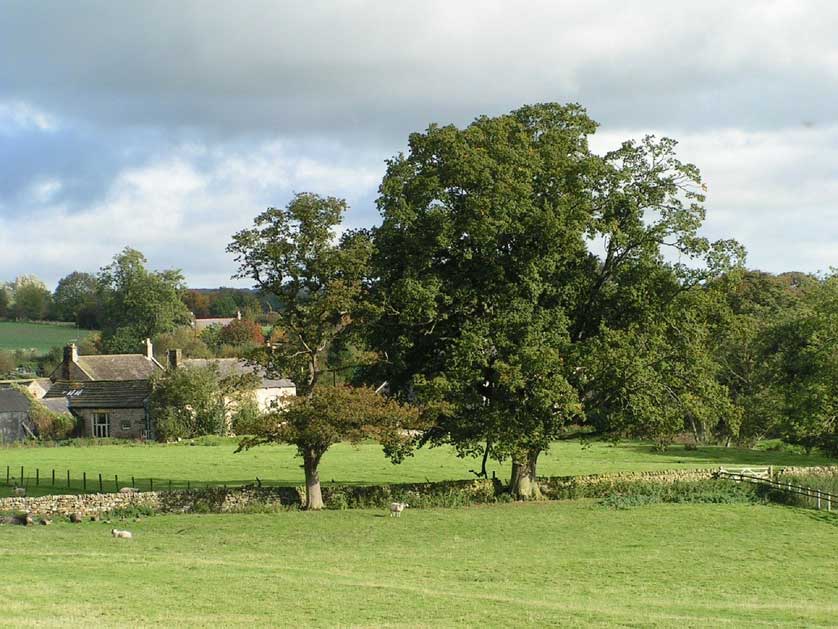
Oak - a tree that says much about British history. Britain's most famous battleship, HMS Victory, was built mostly of oak. The future King Charles II hid in an oak tree in Boscobel Wood near Worcester. Scotch whisky casks must be made in oak.

P
Paddington Bear is a beloved British icon known for his duffle coat, red hat, and fondness for marmalade sandwiches. Created by Michael Bond in 1958, he embodies kindness, politeness, and quiet resilience - qualities often associated with British culture. From books to films, Paddington’s gentle humor and immigrant backstory have made him a lasting symbol of warmth and welcome in the United Kingdom.
Peter Rabbit - the loveable character first created by Beatrix Potter way back in 1902 still draws visitors to the Lake District where Potter lived and worked. The World of Beatrix Potter Attraction in Bowness on Windermere is a fun day out for both children and adults.
Piccadilly Circus - is an iconic location and a magnet for the millions of foreign tourists that visit London every year. Piccadilly Circus was laid out in 1819 to connect Regent Street to the north with Piccadilly to the west. The big draws at Piccadilly Circus are the large neon displays on the north side, the statue of Eros by Alfred Gilbert and the Shaftesbury memorial fountain erected in 1892-1893. Piccadilly Circus tube station, directly below is served by both the Piccadilly and Bakerloo Lines and is an extremely busy intersection.
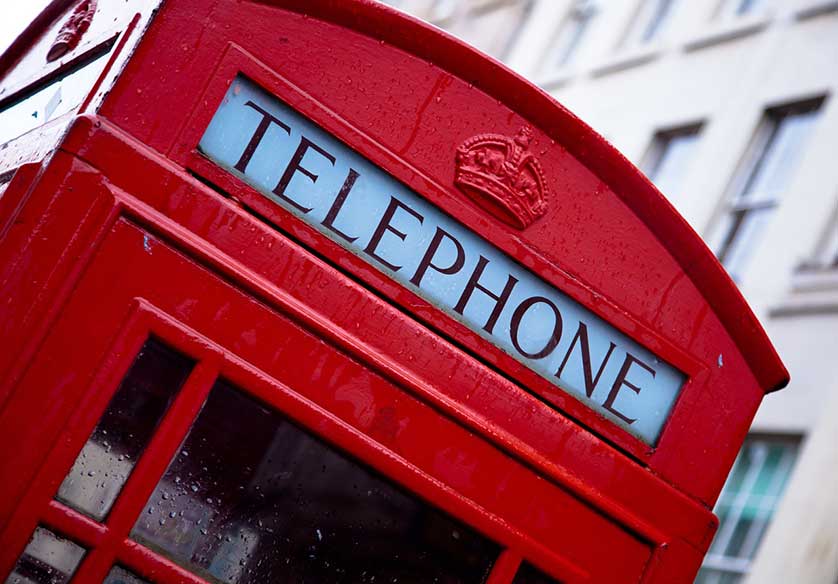
Pillar Box - the distinctive red pillar box, like the telephone box, is an icon of Britain's streets. The very first pillar box was erected in Carlisle in 1859 and over the following years the initial design changed from green to its now distinctive red, a colour which has been adopted by many other countries including Japan, India, Canada, Mexico, South Africa, Italy and Argentina.
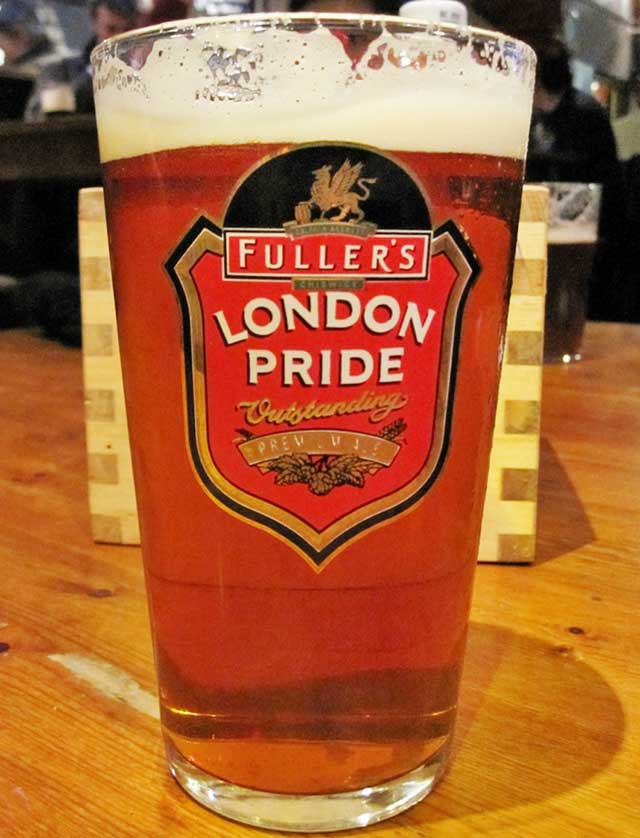
Pint - enjoying a pint in a pub (see below) is just about as British as it gets.
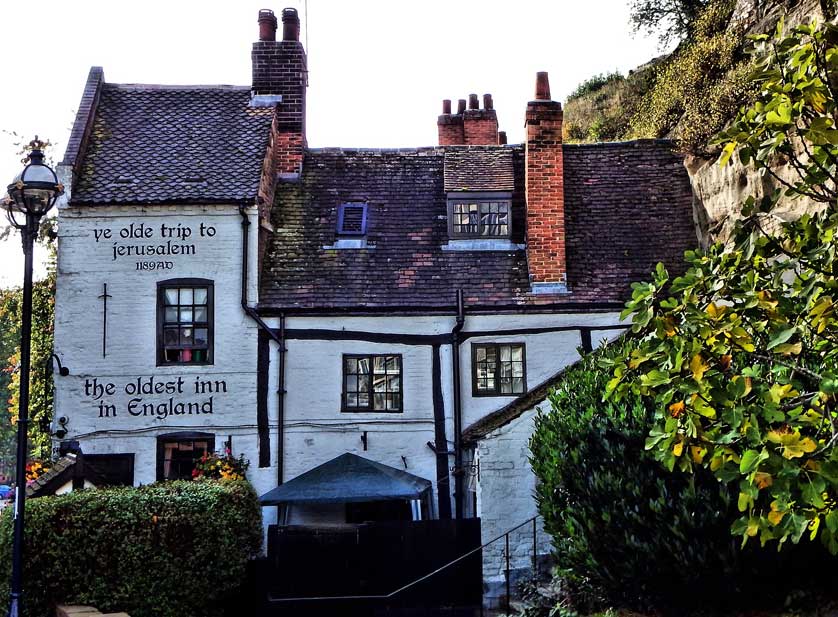
Pub - the pub is a bedrock of British social life though the number of pubs is decreasing not helped by the recent Coronavirus pandemic. London's many pubs are a good place to enjoy the tradition.
Punch & Judy - once a mainstay of seaside entertainment, the wife-beating Punch is now very much non-PC. Punch & Judy shows have even been banned in the odd place for "trivializing" domestic violence. Covent Garden in London is a good place to catch a performance. It was first recorded here in 1662 by the diarist Samuel Pepys - "That's the way to do it!"
Q
Queens - Queen Elizabeth I, Queen Elizabeth II, Queen Victoria are some of Britain's most famous monarchs. Only Henry VIII and his six wives comes close in name awareness overseas.
Queuing - Britain and its people have a massive respect for the queue. Never jump a queue in Britain it is the ultimate social faux pas.
R
River Thames - the River Thames flows through London and is the longest river in just England at 215 miles (346 km). Though the River Severn is longer (it flows through England and Wales), everyone knows the Thames and the bridges in London that cross her.
Roast Beef & Yorkshire Pudding - Roast Beef & Yorkshire Pudding along with fish and chips and the full English breakfast are probably the meals most foreigners associate with Britain. Indeed the French used to refer to the English as "les rosbifs" in much the same way as the epithet "frog" was attached to the French by the English. "Beefeaters" is also the name given to the aged guards of the Tower of London.
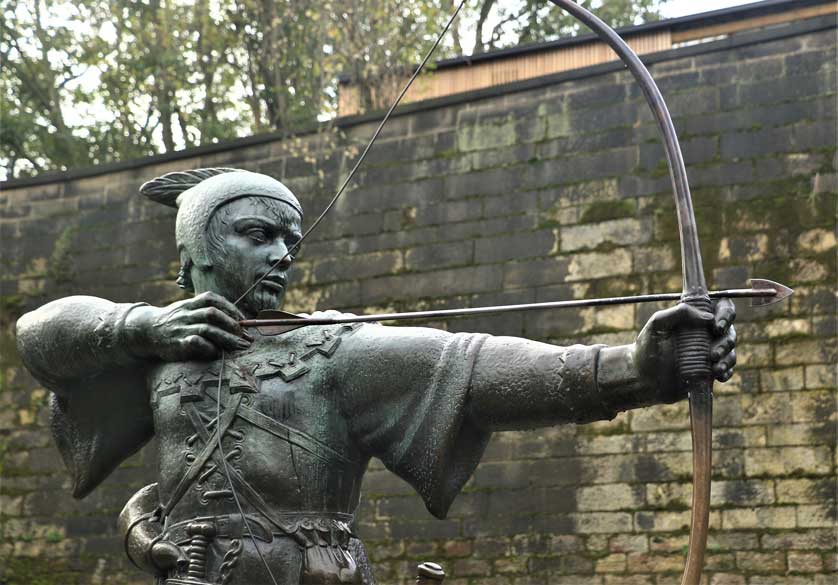
Robin Hood - the probably mythical bandit who robbed the rich to give to the poor. Robin hung out in Sherwood Forest near Nottingham with the love of his life Maid Marilyn and corpulent side-kick, Friar Tuck.
Rolls Royce - the ultimate status symbol on wheels. Britain's most famous luxury car began life in Manchester the brainchild of Charles Rolls and Henry Royce. The car is now produced at the Goodwood Circuit in West Sussex. Along with Bentley, which it once owned, Rolls Royce is one of the most recognised brand of cars in the world.
Routemaster Bus - the red Routemaster double-decker bus in London saw continuous service in London from 1956 until 2005. An updated version entered service in February 2012 in time for the London Olympics of that year.

S
Sex Pistols - the Sex Pistols were a punk rock band from London active 1975-77. The Sex Pistols' raw, youthful, contemptuous energy and manager Malcolm McLaren's business and cultural acumen catapulted the band to world fame. Although short-lived, the Sex Pistols powerfully shaped punk rock, and remain, decades later, an icon of the genre.
Shakespeare - William Shakespeare is Britain's most famous dramatist. Possibly the most famous Briton, ever. Little though is known about the man himself. Born in Stratford-upon-Avon in 1564, visitors can visit his house - Shakespeare's Birthplace - which is now a museum dedicated to his life and works. He's buried in Holy Trinity Church. Visitors on the Shakespeare trail should also see the Globe Theatre in London, Anne Hathaway's Cottage and the White Cliffs of Dover, the dramatic setting for the climax of King Lear.
Sherlock Holmes - Britain's most famous detective with dear stalker hat and pipe. The Sherlock Holmes Museum on Baker Street is a must-do, pilgrimage site for fans of Scottish writer Arthur Conan Doyle's creation.
Skips - a true British icon to rank with the Sunday Roast and K6 telephone boxes? The skip is right up there in the top ten of British icons, in this writer's opinion.
Soaps - Coronation Street, Eastenders, Brookside, Casualty are mainstays of British TV. Coronation Street and Albert Square (Eastenders) are two of Britain's most famous places but they exist only on TV.
Spitfire - the iconic fighter plane that saved Britain from defeat by the Germans in World War II. It was powered by Rolls Royce engines.
Stonehenge - a UNESCO World Heritage site on Salisbury Plain, Stonehenge is one of several pre-historic henges (stone circles) in Britain, including Avebury in Wiltshire and the Merry Maidens Stone Circle in Cornwall.
T
Taxis - the black cab in London and other British cities is a must-do ride for any tourist wanting a truly British experience. The spacious interior was designed so a lady's and gentleman's knees would not touch when sitting opposite each other.
Tea - Britons drink on average 1.78 cups of tea (cuppas) per day. This works out at around 36 billion a year.
Telephone Boxes - the mobile phone has killed off the need for telephone boxes. Many are just empty shells with no phone inside. However, the red telephone box is a true icon of the British street scene. The first public phone box appeared in the UK in 1920 but it was not until 1924 that the first red kiosk (K2) appeared.
Tower Bridge - is a suspension bridge in London across the River Thames. Completed in 1894, Tower Bridge features two dramatic Neo-Gothic style towers: a style chosen to complement the architecture of the nearby Tower of London. Tower Bridge is even more dramatic at night, when it is lit up, and no visit to London is complete without a photo featuring it in the background.
The Tube - London's underground system is the oldest in the world. The tube map and station logo (the roundel) are the most recognizable transport symbols in the world, bar none.
Titanic - Built in Belfast in Northern Ireland, the ship hit an iceberg in the Atlantic and sunk in 1912. The doomed vessel inspired a hit movie and a legend.
Tower of London - the Tower of London is home to two other icons - its ravens and Beefeaters. Legend has it that the presence of the ravens protects the Crown and the Tower, and a superstition exists that if the Tower of London ravens are lost or fly away, then the Crown will fall and Britain with it.
U
Universities - Oxford and Cambridge - Oxbridge conjures up images of students lazily punting along rivers. Oxford University is the oldest university in Britain and dates from 1096. Cambridge was founded in 1209.
V
V&A - the Victoria and Albert Museum along with the British Museum are London's two most iconic museums.
W
Weather - the ultimate conversation filler in the UK. British weather changes all the time so there's lots to talk about.
Whisky - Scotch whisky is Scotland's most famous export. A visit to Scotland should include a trip to one of its renown distilleries such as Talisker on the Isle of Skye for a wee dram.
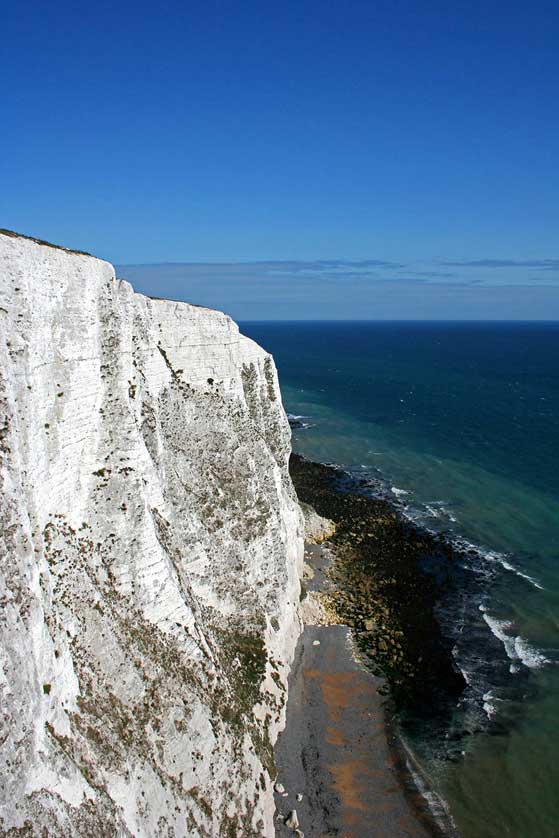
White Cliffs of Dover - as symbolic as the Statue of Liberty, the White Cliffs of Dover define Britain as an island nation and its freedom from Nazi invasion in World War II. Dame Vera Lynn's wartime song has the lines: "There'll be love and laughter, and peace ever after, tomorrow, when the world is free." Nearby Dover Castle is England's largest castle and one of its most important and historic fortresses.
Wimbledon - quite simply the highlight of the global tennis calendar, Wimbledon is also the oldest tennis tournament in the world, having been held at the All England Club in London since 1877. Wimbledon is the only Major tournament now played on grass, the game's original surface, which gave the game its original name of "lawn tennis". The Wimbledon tournament takes place over two weeks in late June and early July, culminating with the Ladies' and Gentlemen's Singles Final.
Windsor Castle - Windsor Castle has the distinction of being the largest occupied castle in the world as well as being the longest occupied palace in Europe. Since 1917 Windsor has been the family name of the Royal Family, and the castle keep is central in the family crest.
X
X Factor - the X Factor is a British reality television music contest to find new singing talent. It made a star of its creator, Simon Cowell.
Y
Y-fronts - we have got to have something for "Y" - the original design was American, "jockeys" but the name didn't catch on in the UK, where they became Y-fronts, due to their shape.
Z
Zoos - the oldest zoo in England is London Zoo and opened in 1828. In fact, it is the world's oldest scientific zoo.

Related
Hotels in London
Book Hotels in London - Booking.com
Find Luxury Hotels in London - Booking.com
Budget Hotels in London - Booking.com
Find Hotels in England - Booking.com