Sites of the Industrial Revolution in Britain
Industrial Heritage in Britain
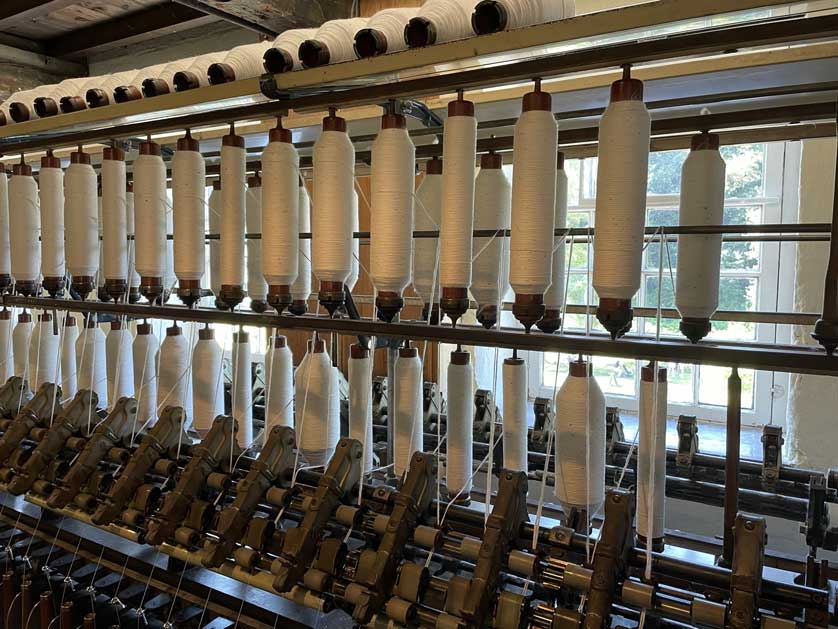
Britain was the world's first industrial nation, once dubbed the "workshop of the world."
The industrial revolution beginning in the 18th century witnessed the transition from handmade goods produced in small cottage industries to new mass production in large factories.
Production on an industrial scale began first in the English Midlands, the north and northeast of England and also around Glasgow in Scotland.
Water powered the first factories quickly followed by steam. This change from a largely agricultural to an industrial society changed Britain, and the world, forever. The population in the UK rose significantly; pollution and environmental degradation became by-products of industrialization; the creation of an industrial working class gave rise to both socialism and communism.
History
The industrial revolution was preceded by an agrarian revolution in the early 18th century. Large landowners bought up smaller properties and enclosed their lands with fences. This created a pool of surplus labor in the countryside.
Inventions
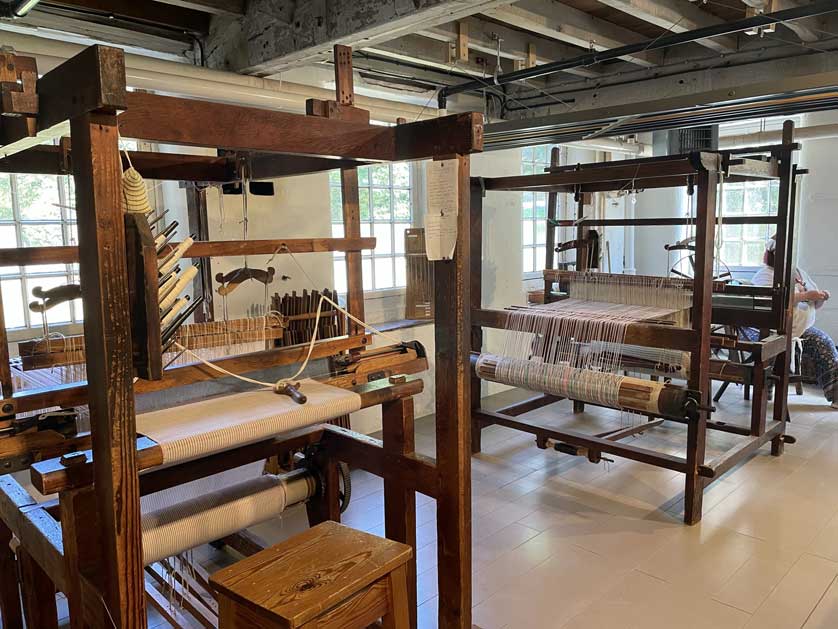
At the same time, inventions such as James Hargreaves' spinning jenny in 1764, Richard Arkwright's spinning frame in 1768 and Samuel Crompton's spinning mule (a combination of Hargreaves' and Arkwright's work) in 1779, revolutionized the textile industry.
Indeed, textile production in mills was the paramount industry of the Industrial Revolution. Textile manufacture attracted the most capital investment, employed the most workers and created the most wealth.
Canals & Railways
These new goods and the raw materials needed to produce them were transported around the country firstly by a network of canals and later by steam-powered railways. Canals and then railways revolutionized the movements of raw materials and products to markets, which otherwise could only travel by way of a poor network of badly-surfaced roads.
Raw Materials
Britain had an abundance of the natural resources need to power the industrial revolution. These included not just water and coal to power the early mills and their machines but iron ore to build the bridges and locomotives to transport the finished products. Labor (see above) and capital were also plentiful (some of it derived from the slave trade). In addition, a developed banking system and the emergence of stock exchanges allowed for access to loans and encouraged investment.
Capitalists & Workers
The industrial age spawned a new class of industrialists and capitalists as well as a new working class. Conditions in the "dark satanic mills" could be wretched with women and children making up the majority of the workforce. 16 hours a day, 6 days a week were the norm. Accidents were common. However, some owners such as Samuel Greg at Quarry Bank, Titus Salt at Saltaire and Robert Owen at New Lanark in Scotland attempted to improve the conditions of their workers. This was self-interest, of course, as more contented workers would work harder.
Much of Britain's industrial heritage has been preserved and some of it is classified as UNESCO World Heritage Listed. We look at some of Britain's most famous sites from the Industrial Revolution.

Ironbridge
Ironbridge Gorge includes a variety of mines, factories, workers' houses and transport infrastructures that were created during the Industrial Revolution.
Ironbridge Gorge is formed around the River Severn in Shropshire, England. The site derives its name from the famous iron bridge, which was the world's first cast-iron bridge made in 1781. Early industrialists favored the site because of its abundance of raw materials such as: iron ore, coal and limestone.
The bridge was designed by Thomas Farnolis Pritchard, a local architect who mostly worked on interiors. His design is based on the structure of a timber bridge and construction began in 1777. He died before the bridge was completed in 1779.
Consisting of a single span of just over 100 feet, the bridge opened to traffic in 1781. The construction and the casting of the parts was undertaken by Abraham Darby III, the third generation of a local iron-making family.
Cromford & Derwent Valley Mills
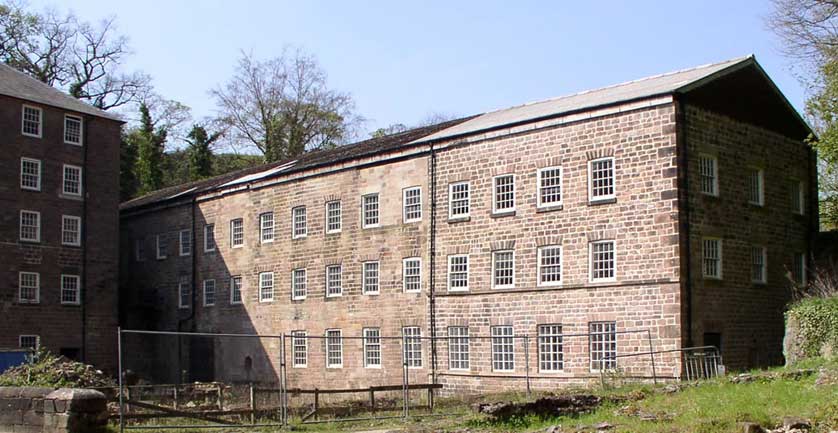
Derwent Valley Mills, situated along the River Derwent in Derbyshire, is a World Heritage site in which the modern factory system was born and developed. For example, workers' housing and machinery including the water frame were developed here in the 18th century.
This new factory system enabled factories to spin cotton continuously with increased efficiency. These technological developments played great roles in the Industrial Revolution. The mills, workers' houses and factories have been carefully preserved and are open to public view.
The World Heritage site includes Belper, Cromford, Milford, and Darley Abbey, and 838 listed buildings in total: mills, workers' housing, and related structures. Cromford Mill was the world's first water-powered cotton spinning mill, developed by Richard Arkwright in 1771.
The Cromford Canal and Cromford and High Peak Railway are also part of the site. Masson Mills were in continuous operation from 1783 until 1991 making them the oldest continuously operating mills in the world.
Saltaire
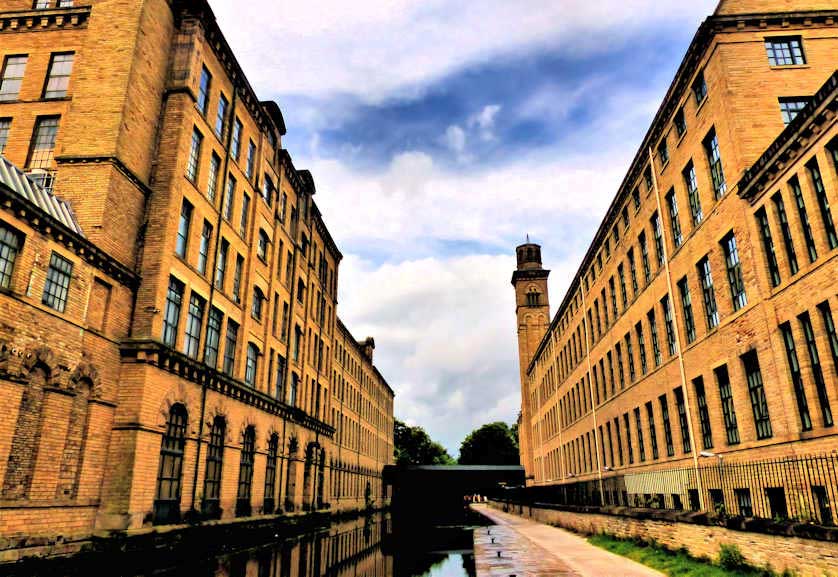
The Mill at Saltaire, founded by Titus Salt in 1851, in Bradford, West Yorkshire in England is another early industrial site and UNESCO World Heritage listed. Saltaire is a Victorian model workers' village, which exemplifies 19th century paternalism.
Saltaire's name is a combination of the founders name, Sir Titus Salt, and the River Aire, and was founded in 1851. Salt had inherited the family woolen textile business, but his innovative use of alpaca wool was what made his fortune and he ended up operating five mills in Bradford.
Salt provided his workers with stone houses, wash houses, bath houses, hospitals, schools and a library. Therefore, the village of Saltaire shows a great development in the history of 19th century urban planning.
New Lanark
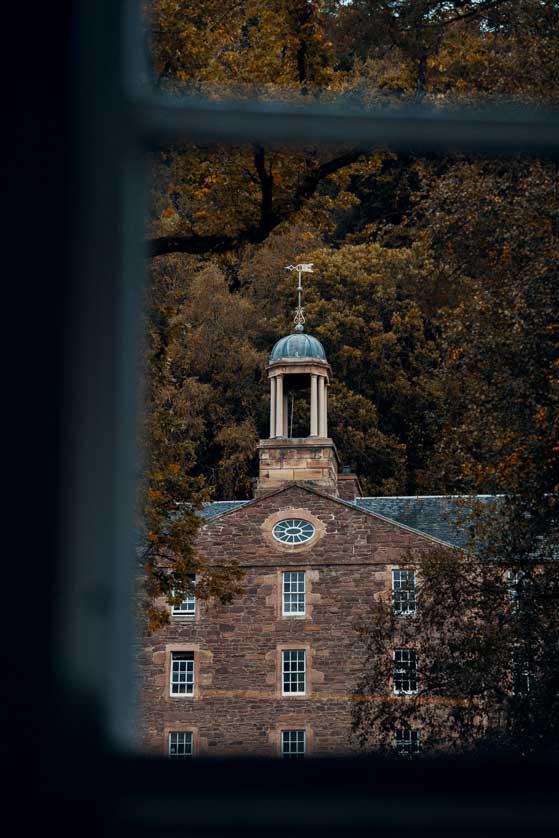
New Lanark in South Lanarkshire in Scotland is another UNESCO World Heritage site. David Dale established the village in 1786 as a desirable location for building cotton mills and workers' housing. The waterfalls of the River Clyde were used to power the town's mills. The workers were provided for with food, hot water, electricity, stores and housing. New Lanark became a symbol of utopian socialism under the later ownership of Robert Owen (Dale's son-in-law) in the 19th century. New Lanark went on to become a successful business in operation until 1968.
SS Great Britain
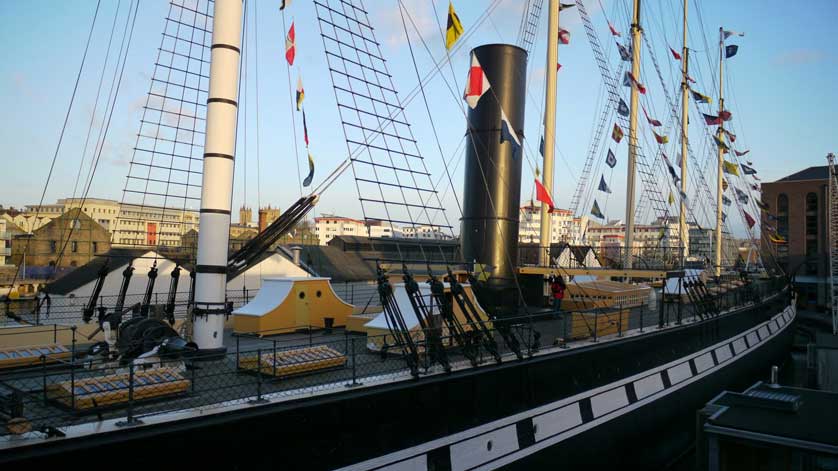
The SS Great Britain now moored in Bristol Harbour has been called "The World's First Great Ocean Liner". Conceived by the great Victorian engineer, Isambard Kingdom Brunel, the revolutionary combination of a screw propeller, an iron hull, and a massive 1000-horsepower steam engine revolutionized international travel.
So ground-breaking was the design that in 1843 when the SS Great Britain was launched, she was called "the greatest experiment since the Creation".
Quarry Bank
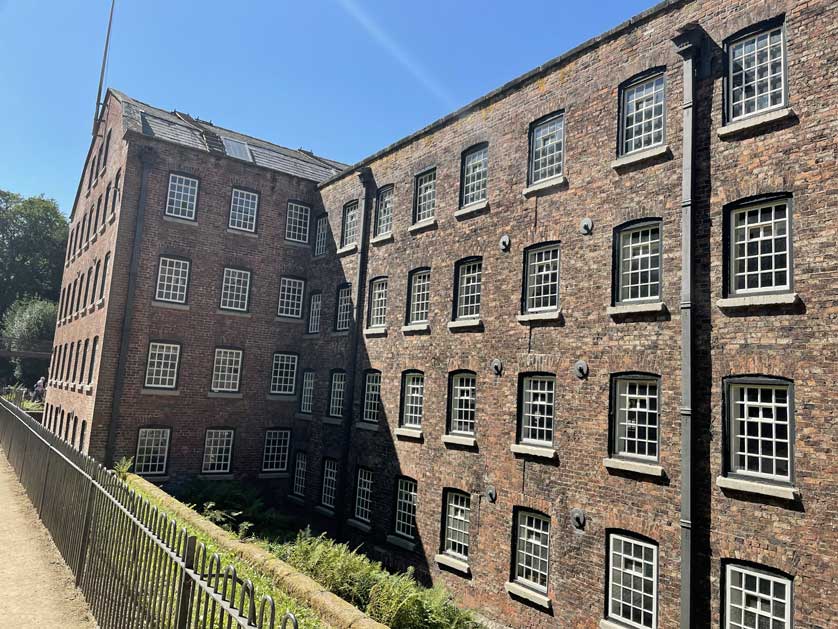
Quarry Bank in Styal, Cheshire, is one of the defining businesses of the early Industrial Revolution in Britain. The mill dates from 1784. The factory and the housing and working conditions of its labor force were the work of Samuel Greg (1758-1834) and his wife Hannah Lightbody (1766-1828). At its height Quarry Mill and other mills owned by the Greg family employed around 2,000 people in the cotton spinning and weaving trade.
Samuel Greg was a Belfast-born entrepreneur and a pioneer of the early Industrial Revolution in Britain. His father was a successful trans-Atlantic businessman with interests in shipping in New York as well as a sugar plantation in Dominica, run with slave labor.
A huge waterwheel initially provided power for the mill. Later this was supplemented with steam power. Indeed, Quarry Bank is still home to the most powerful working waterwheel in Europe - the Great Wheel. It was built in iron by Thomas Hewes between 1816 and 1820 and was the fourth wheel to be installed.
Museum of Science and Industry
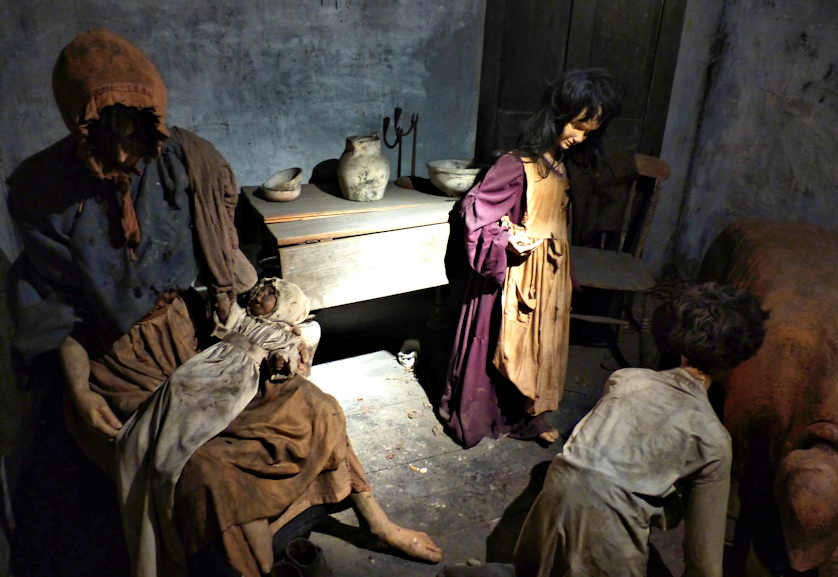
The Museum of Science and Industry (MOSI) in Manchester is a large museum housed in various buildings some of which formed Liverpool Street Station, the oldest existing train station in the world. The wide-ranging displays emphasize scientific and industrial connections with Manchester.
The museum is home to numerous collections of historical materials, and even though the city has its own transport museum, the Museum of Transport Greater Manchester, several of these collections are transport-related.
The Museum of Science and Industry (MOSI) celebrates the history of the world's first industrial city: power, machinery, factories and transport.
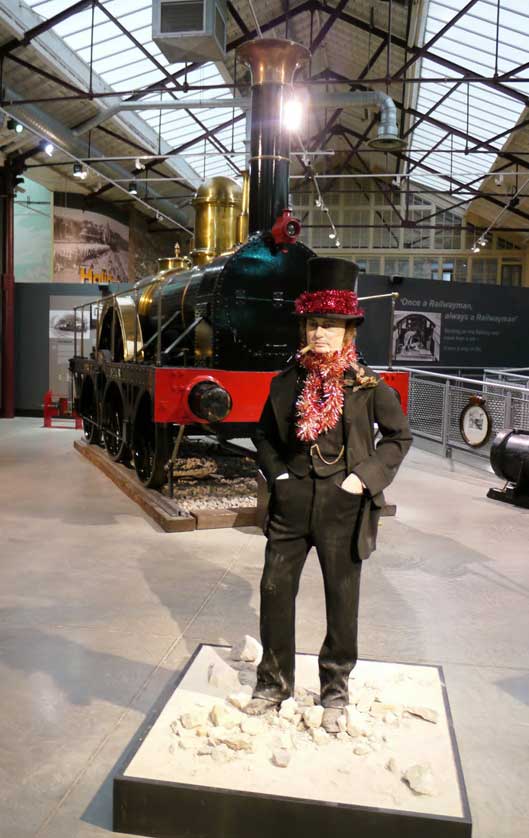
STEAM Museum of the Great Western Railway
STEAM Museum of the Great Western Railway is housed in a restored Grade II railway building near the centre of the former Swindon railway works. STEAM celebrates the story of the men and women who built, operated and travelled on the Great Western Railway. STEAM opened to the public on 14 June 2000.
The museum pays homage to Isambard Kingdom Brunel (1806-1859), the great Victorian engineer, who built the Great Western railway (see below), and the SS Great Britain.

Gas Street Basin
Gas Street Basin is where two major canals met, and a physical barrier, called the Worcester Bar was constructed across the basin to stop the two canals from "sharing" their water.
Canals were instrumental in bringing about the conditions that led to the Industrial Revolution in Britain. The waterways allowed massive quantities of raw materials to be transported and then the finished products made could be easily shipped around the country and exported. Eleven different canals converged on Birmingham allowing the city to earn the nickname "the workshop of the world".

Cornwall and West Devon Mining Landscape
The Cornwall and West Devon Mining Landscape is a World Heritage site consisting of mining landscapes built during the Industrial Revolution in South West England. Devon and Cornwall possessed major tin and copper producing industries in the 18th and 19th centuries. At their industrial peak, they were producing two thirds of the world's copper.
The technologies developed during this time including underground mining and arsenic production were made use of worldwide. The landscapes of Cornwall and West Devon were greatly altered due to the deep-lode mining for copper and tin. The pioneering techniques that constructed the region's mines, foundries, ports and harbours is honoured with UNESCO World Heritage status.
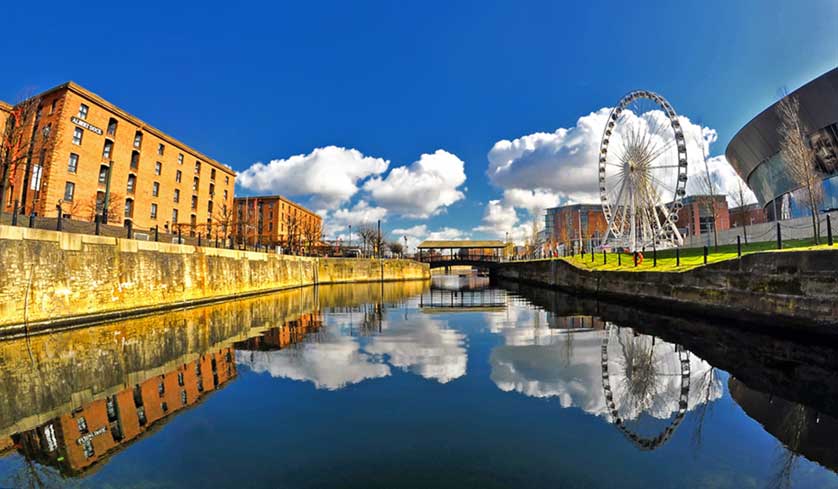
Albert Dock, Liverpool
Albert Dock on the waterfront in Liverpool is a complex of docks and warehouses that make up the largest single grouping of Grade I listed buildings in Britain. The dock is named after Prince Albert, the husband of Queen Victoria.
The history of the dock dates back to 1837 with a plan to load goods directly to warehouses from ships. The warehouses in the dockyard are built from brick, cast iron, and stone, without a wooden frame, making them the first totally fire-proof warehouses in the world.
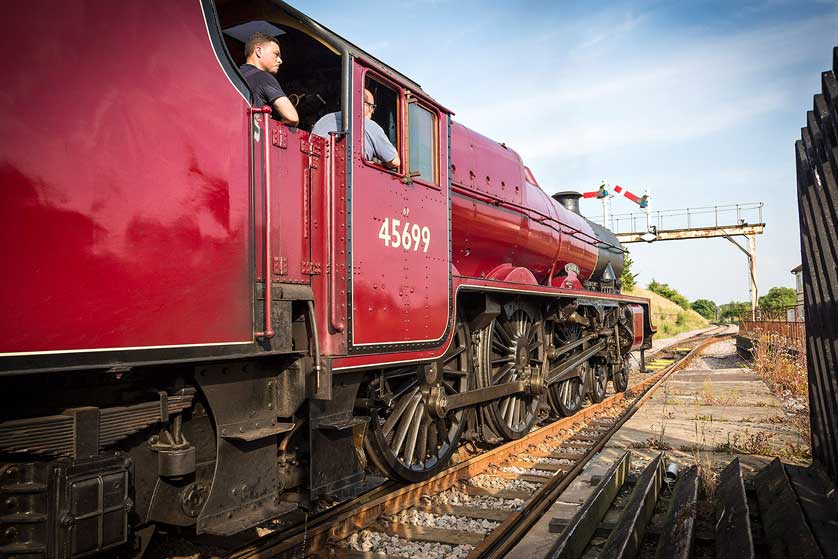
National Railway Museum
The National Railway Museum in York is a world class museum dedicated to the glory days of Britain's railways, sadly long since gone. Opened in 1975 the museum is housed in a former steam locomotive depot within walking distance of York Station.
The National Railway Museum displays over 100 locomotives and nearly 200 other items of rolling stock and presents the history of the railway from the early 19th century to the present day.
On display are such iconic trains as Stephenson's The Rocket dating from 1829, The Flying Scotsman, a Japanese Shinkansen Bullet Train, the 'Green Arrow,' the LNER steam locomotive 'Mallard,' and a Royal Train.
There are also a number of foreign locomotives from around the world among the collection.
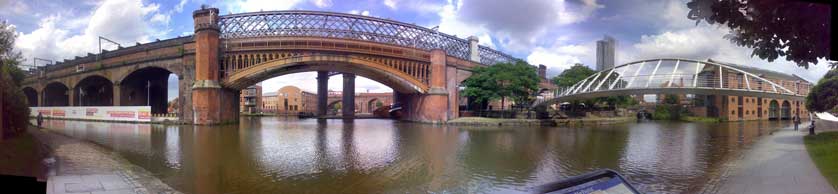
Castlefield Canal Basin
Castlefield Canal Basin in Manchester was England's first industrial arterial canal. It linked the Bridgewater Canal from the Duke of Bridgewater's coal mines at Worsley with the Rochdale Canal at Lock 92. The first canal warehouse on Coal Wharf here dates from 1771. Later a network of railway lines carried on viaducts crossed the area.
During the 18th and 19th centuries, Castlefield experienced significant industrialization and became a vital hub for the cotton industry. The construction of the Bridgewater Canal, completed in 1761, played a crucial role in the area's development. It connected Manchester to the coalfields in Worsley, enabling the transportation of raw materials and finished goods.
The canals in Castlefield expanded with the construction of the Rochdale Canal which met the Bridgewater Canal at Castlefield in 1805, This connected Manchester to the cities of Leeds and Liverpool. Further economic growth and the establishment of warehouses, mills, and factories along the canal banks were the consequence of these developments. Castlefield became a thriving industrial district, with cotton spinning and weaving at its core.
Nowadays, Castlefield has been redeveloped as an arts and entertainment area. Nearby is the recent Aviva Studios arts complex.
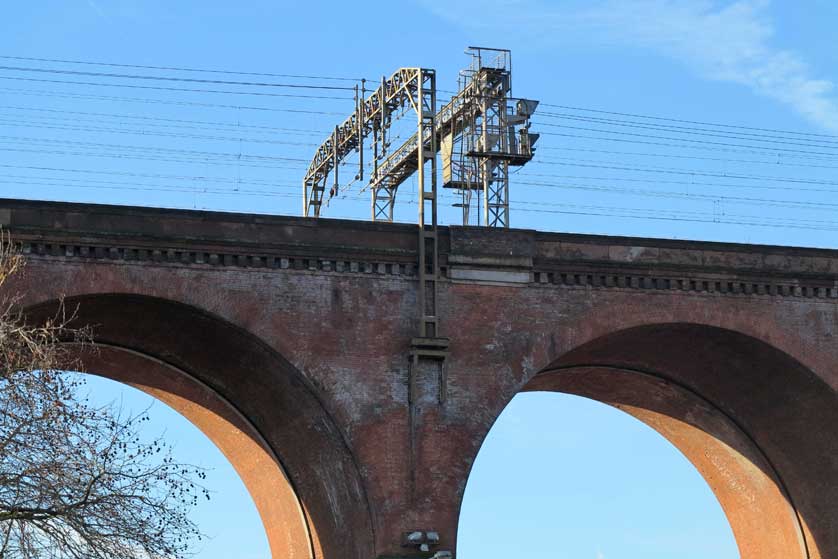
Stockport Viaduct
Stockport viaduct is one of the world's largest brick structures. It used an estimated 11 million bricks in its initial construction between 1839-40. The viaduct was widened from 1887-1889 when an estimated further 10-12 million bricks were used. The huge structure was featured in the art work of L.S. Lowry as an example of imposing industrial architecture towering above the individual.
The viaduct in Stockport is 1786 feet long and 111 feet high with a total of 27 arches. Travellers will pass over the mammoth brick bridge on their journey north by train from Stockport Station to Piccadilly Station in Manchester.
This impressive industrial structure in Stockport gets a brief mention in Elizabeth Gaskell's classic novel North and South.

Coventry Canal
Coventry Canal was opened in 1769 and runs 38 miles to Lichfield where it connects to the Trent & Mersey Canal. Along the way there are several other junctions with major canals such as the Birmingham & Fazeley Canal, and just 5 1/2 miles out of Coventry at Hawkesbury Junction it connects with the Oxford Canal. This was the main trade route between Birmingham and London until the construction of the Grand Union Canal.
As the Industrial Revolution grew many industries and factories set up shop alongside the canal, but over the past 30 years most of them have closed down and been demolished and replaced with new developments. The canal and its towpath was once disused, dirty, and overgrown, but has been brought back to life, initially by voluntary efforts.
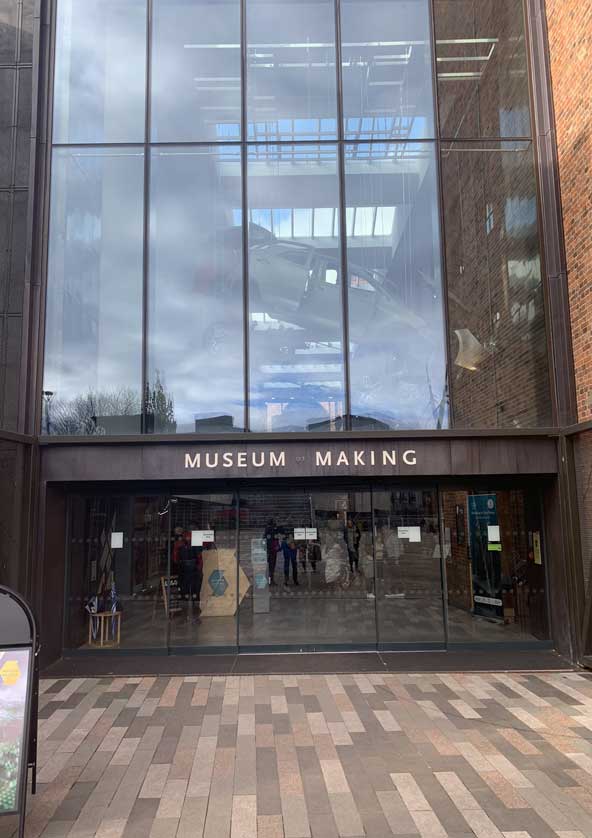
Museum of Making
The award-winning Museum of Making in the Derwent Valley Mills UNESCO World Heritage Site in Derby explores and celebrates the city's rich industrial heritage and ongoing contributions to innovation and manufacturing. Located within the historic Silk Mill, widely regarded as the site of one of the world's first modern factories, the museum is deeply rooted in Derby's identity as a hub of industrial development since the 18th century.
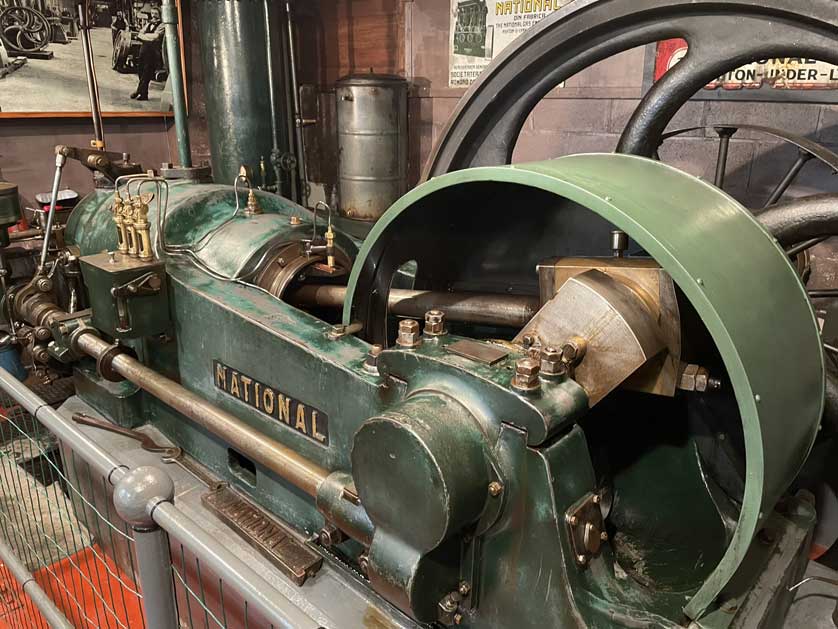
Anson Engine Museum
The award-winning Anson Engine Museum in Poynton near Stockport houses some of the world's rarest engines of various types - steam, oil, gas, diesel and petrol. The site of the museum is the former Anson colliery in Poynton. The museum is the lifelong labor of love of Les Cawley and Geoff Challinor and their many years of hard work collecting and restoring engines from all over the country and from other museums. The Anson Engine Museum is a registered charity run by a group of enthusiastic volunteers.
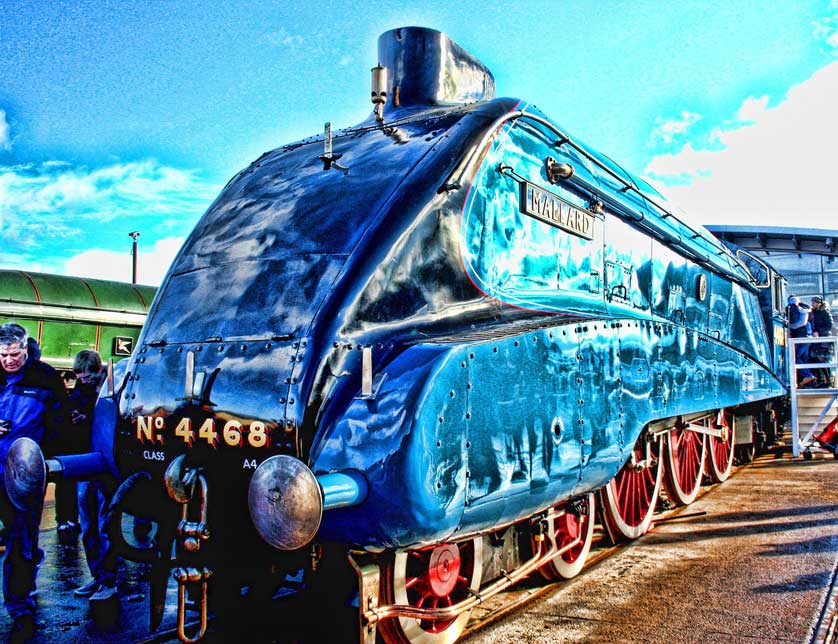
Locomotion Museum
Located in Shildon, County Durham, Locomotion (previously known as Locomotion the National Railway Museum at Shildon) opened in October 2004 on the site of the former Timothy Hackworth Victorian Railway Museum. It sits along the historic Stockton & Darlington Railway - the world's first public railway - and is managed jointly by the Science Museum Group (SMG) and Durham County Council.
The museum tells the story not only of technological innovation through its collection of historic locomotives and rolling stock, but also of the people, places, and industries (such as coal and freight) that shaped both local life and the wider history of rail.
A major recent development at the museum is the opening of New Hall, a purpose-built collection building inaugurated in 2024. This new facility houses 47 railway vehicles under cover - bringing the total displayed to nearly 100 - and is said to be the largest undercover collection of historic railway rolling stock in Europe. Among its star exhibits are early locomotives such as Locomotion No. 1, the prototype Sans Pareil, and others from different eras. The museum also provides interactive and interpretive experiences - oral histories, historic film, graphics - plus events, a café, shop, and outdoor play areas, making it appealing for both railway enthusiasts and family visitors.
The Science Museum Group (SMG) consists of five British museums. These are The Science Museum in London, The Science and Industry Museum in Manchester, The National Railway Museum in York, The Locomotion Museum and The Science and Media Museum (formerly the National Media Museum and the National Museum of Photography, Film and Television) in Bradford, Yorkshire.

The Piece Hall
The Piece Hall is a Grade I listed building and the major attraction in Halifax in Yorkshire. It is the oldest remaining Georgian cloth hall in the world. Opened in 1779 it was a public market for the sale of "pieces" (a 30 yard length of fabric produced on a hand loom). It has now been redeveloped as a major shopping and entertainment center.
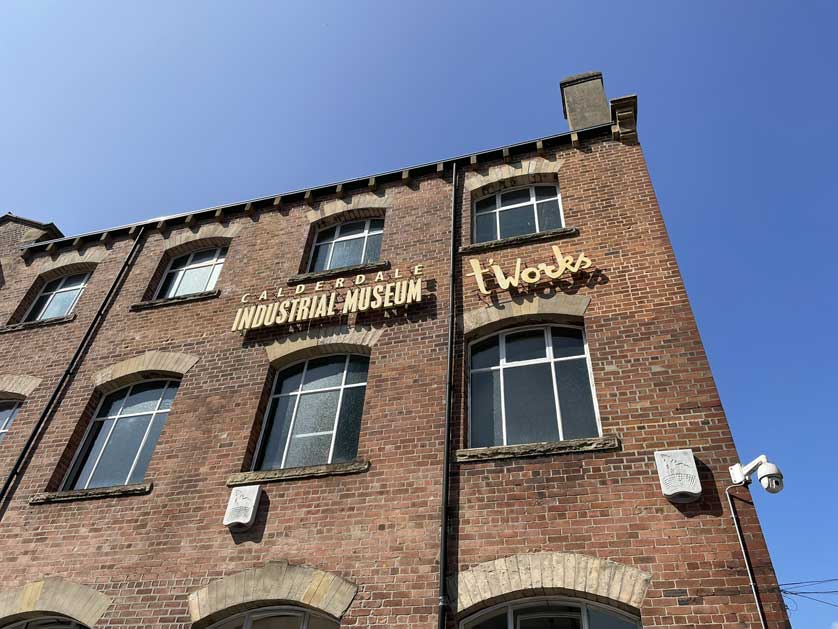
Calderdale Industrial Museum
The Calderdale Industrial Museum also in Halifax is dedicated to preserving and showcasing the industrial heritage of the region. The museum, housed in the former Albion Works warehouse, features a collection of working machines dating from 1850 to 1930, all of which were either built or used in Halifax. The museum first opened its doors in 1985.
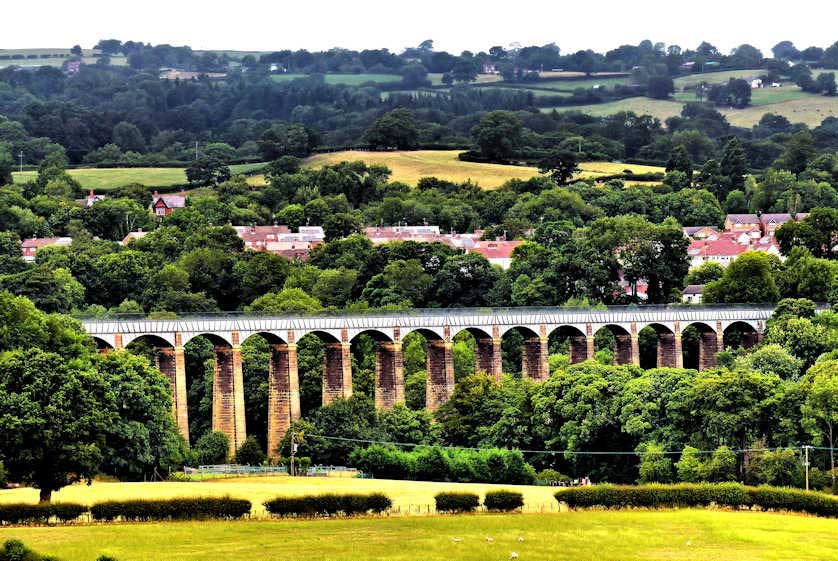
Pontcysyllte Aqueduct & Llangollen Canal
Known by the nickname "stream in the sky", the Pontcysyllte Aqueduct carries the Llangollen Canal across the River Dee valley, and is a registered UNESCO World Heritage Site.
Aqueducts are numerous and not particularly new, Romans were building them 2,000 years ago. In addition, the canal system in the UK has dozens and dozens of them, but what makes the Pontcysyllte Aqueduct noteworthy and worth a UNESCO listing is that it was the very first one made out of cast iron. It is also the highest navigable canal aqueduct in the world and the longest in Great Britain.
Related
Hotels in London
Book Hotels in London - Booking.com
Find Luxury Hotels in London - Booking.com
Budget Hotels in London - Booking.com
Find Hotels in England - Booking.com