Warwick Guide


Warwick in the English Midlands is most famous for its huge castle. It is a short distance south of the industrial cities of Birmingham and Coventry.
The town of 30,000 inhabitants is expanding and now merges into Leamington Spa to the east and is only a short train journey or drive north of Stratford-upon-Avon.
Warwick is the county town of Warwickshire and has a largely Medieval core and street plan, though many historic buildings were lost in the Great Fire of 1694.

Warwick History
Warwick's roots go back to Saxon and Norman times. Æthelflæd, a daughter of Alfred the Great, established a fortified settlement here way back in the 10th century. The Normans built Warwick Castle in 1068 soon after their invasion of England.
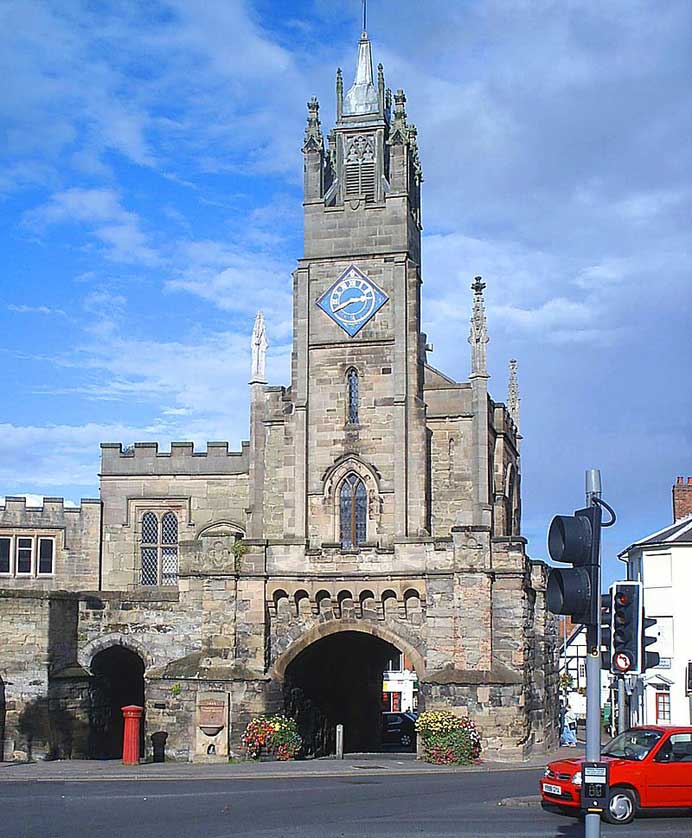
Thereafter the Earls of Warwick, mostly of the Beauchamp family, ruled this area of England. The town was walled but only the East Gate and West Gate now remain.
Present-day Priory Park is the site of the town's priory, established by Henry de Beaumont, the first Earl of Warwick in the early 12th century.
The town largely escaped industrialization in the 18th and 19th centuries. Several large companies such as IBM and Volvo now have offices in the town due to Warwick's privileged position in the center of the country with excellent north-south, east-west transport links.
Warwick Attractions
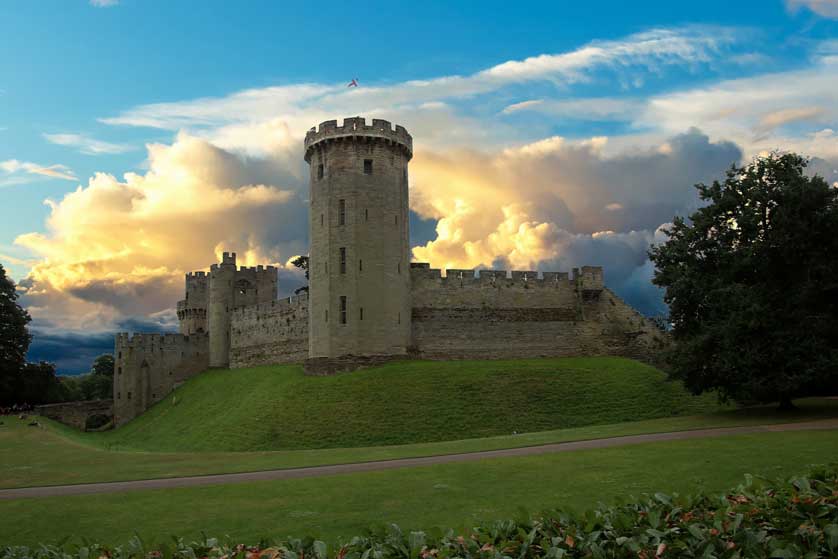
Warwick Castle is the major draw for visitors to the town.
It is a medieval castle that was built by William the Conqueror in 1068 AD. The castle was meant to overawe the defeated Saxons with a display of formidable Norman force and might.
The impressive and large castle is a symbol of power traditionally belonging to the Earl of Warwick but has also served as a prison. King Edward IV was famously imprisoned here and captured Royalists were later held here during the English Civil War in the 1640's.
Walking around the exterior of the castle, the visitor may encounter two siege engines, a trebuchet and the ballista.
The grounds have frequent historical reenactments by enthusiastic performers dressed in period costume and include very realistic combat with swords as well as Medieval music.
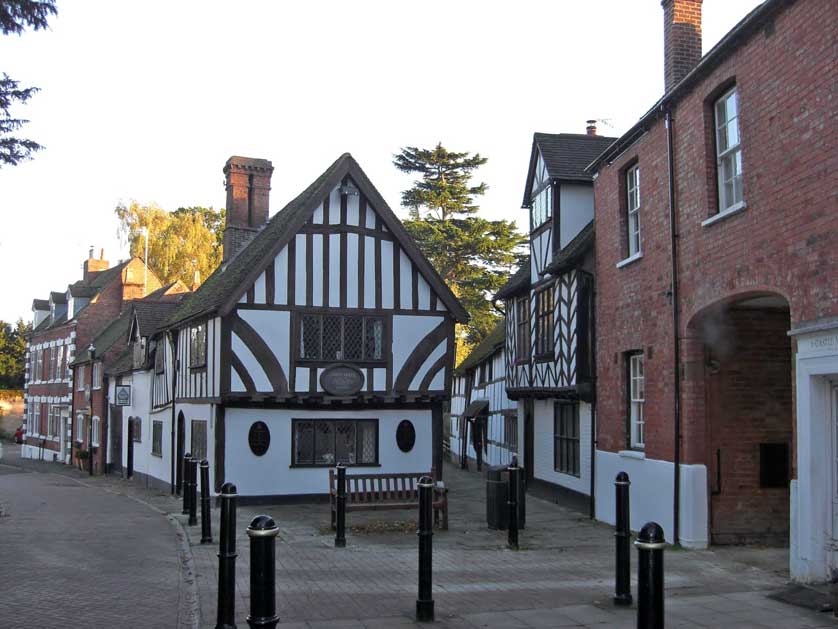
Close to the castle is Thomas Oken's House. At the time that Warwick was granted its town charter in 1545, Thomas Oken was a mercer and master of a guild. Oken may have been the richest man in Warwick; he made his fortune dealing in wool and woven fabrics.
Later, when Henry VIII dissolved the guilds, Thomas Oken helped to transfer the assets of the guilds to the local corporation and various charities before they could be seized by the crown. Thomas Oken is remembered for his charitable actions, especially his provision of almshouses for Warwick's poor in the 16th Century.
Thomas Oken's House used to be Warwick's doll museum, but it closed in 2004. Visitors today will find that the house has been turned into the Thomas Oken Tea Rooms.
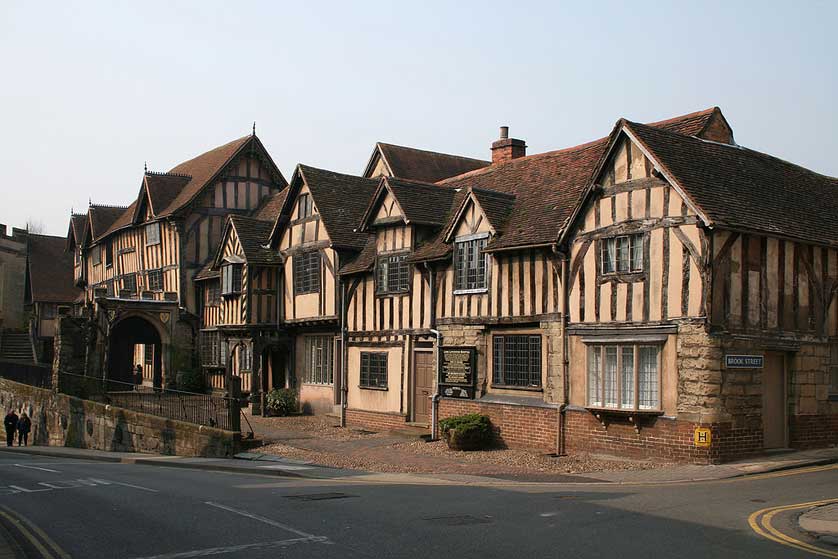
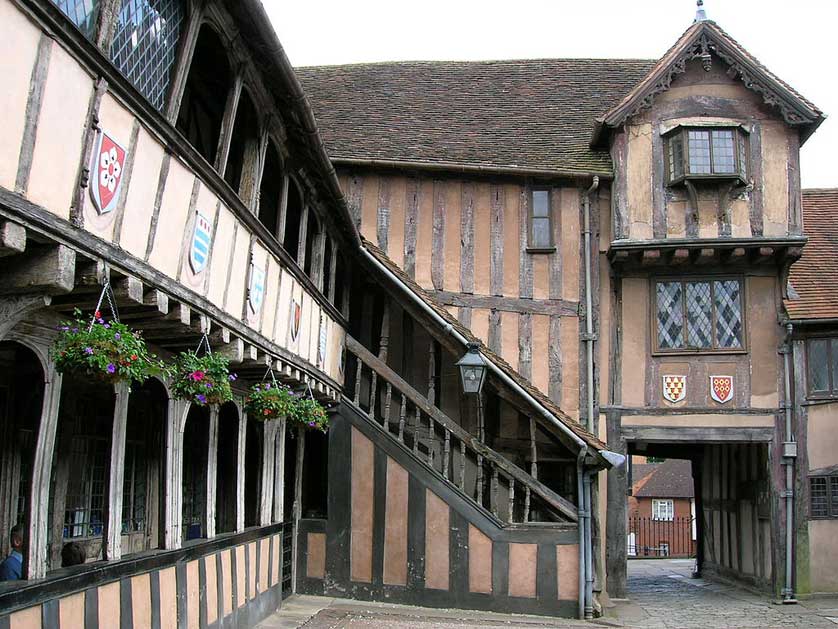
Lord Leycester Hospital fortunately escaped the Great Fire of 1694 which destroyed hundreds of wooden, Medieval buildings. A Grade I listed structure, it originally dates back to the 12th century though the buildings we can see today are 15th century. It consists of a chapel, a guildhall and accommodation for old or wounded soldiers and their wives.
The building once hosted the small Regimental Museum of The Queen's Own Hussars which will eventually be rehoused in Trinity Mews in Warwick.
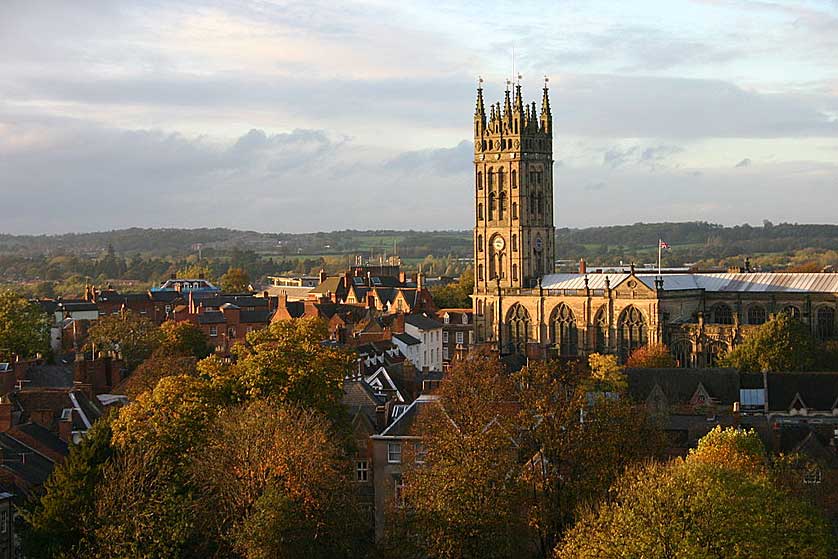
St Mary's Church originally dates from 1443 but was completely rebuilt after serious damage during the Great Fire.
The church has a beautiful interior and includes the tomb of its founder Richard de Beauchamp (1381-1439) along with that of Robert Dudley, the Earl of Leicester, a favourite of Queen Elizabeth I, who locked herself away for a period after his sudden death.
The Warwickshire Museum consists of two parts - the Market Hall Museum and St. John's House.
St. John's House has a history of over 900 years as a hospital, residence and later a school. The museum has a reconstruction of a Victorian classroom and its garden is a delight. The Market Hall has exhibits of mainly local archaeology, geology and natural history. These include a complete skeleton of a Giant Irish Deer and a stuffed bear - a bear standing on its hind legs being the symbol of Warwickshire. The 16th-century Sheldon Tapestry is the standout piece in the collection.
Mill Garden is one of the less well-known gems in this much visited town. It is a small, private garden with an amazing view of the River Avon and with the walls and towers of Warwick Castle looming over it. The garden is located at the bottom of Mill Street, a picturesque street of mostly half-timbered Tudor cottages and the half-acre garden runs from the cottage down to the banks of the Avon.
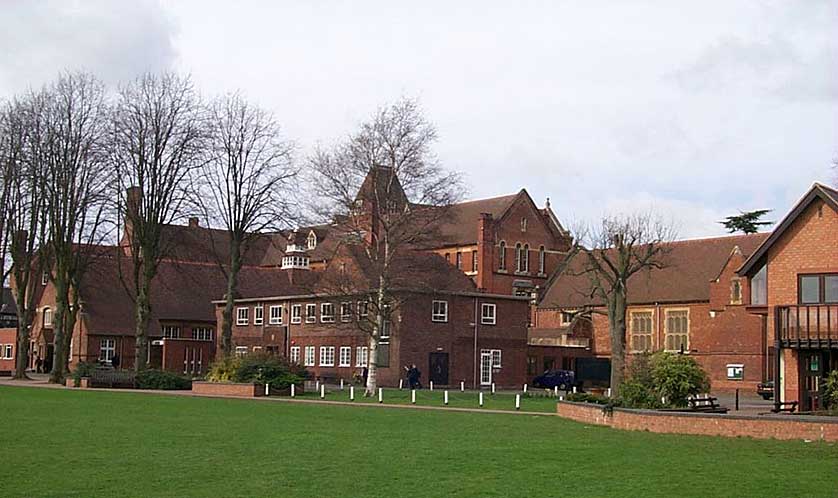
Warwick School is believed to be the oldest school in the country dating from the 10th century.
Nearby
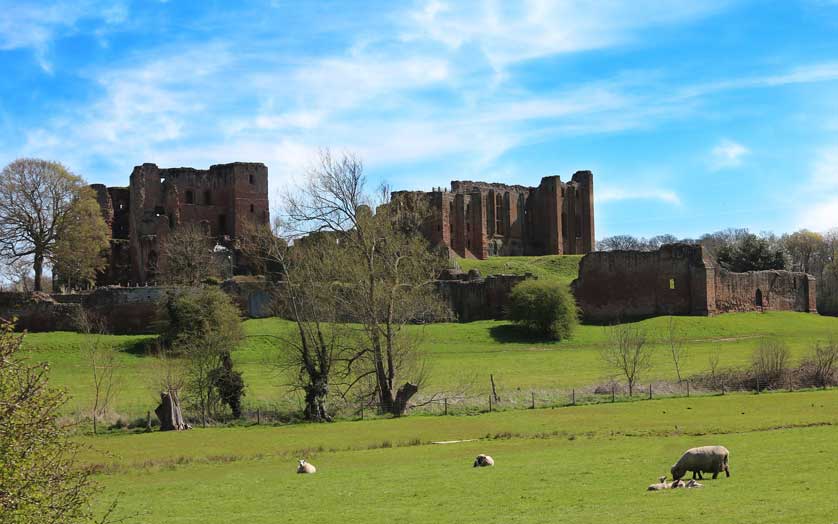
Just outside Warwick Kenilworth Castle was founded in the 1120's by Geoffrey de Clinton, a rival to Roger de Beaumont at Warwick Castle.
In the early 13th century King John significantly expanded the castle and flooded the area to the west to create the Great Mere, making it one of the biggest castles in England with one of the biggest water defenses.
The siege of Kenilworth Castle of 1266 is believed to be the longest siege in English history and the success of the castle's water defenses influenced designs of later castles including Caerphilly.
Over the ensuing centuries the castle was expanded by various owners but it is the additions of the Elizabethan age that are most well known. It was owned by Robert Dudley, Earl of Leicester, who is famous for possibly being the lover of Queen Elizabeth. Whether he was her lover or not is in dispute, but what is certain is that he made a great attempt to woo her.
Charlecote Park, six miles south of Warwick, is owned by the National Trust, who preserve this elegant 16th-century country house with its own deer park landscaped by Capability Brown on the River Avon. The Great Hall has period furniture and precious paintings and exhibits an original letter written by Oliver Cromwell.
Pretty parks in Warwick include the Mill Garden with great views of the castle and the 40-acres St. Nicholas' Park on the River Avon. Highlights include an ornamental pagoda, a cafe and boat hire.
Warwick Shopping
Warwick has the usual array of high street shops found in a town of its size in England.
There is a weekly market as well as a Farmer's Market that sells local produce from the surrounding area. The Farmer's Market takes place in Market Square from 9 am-2 pm on the second Saturday of each month. The General Market is every Saturday from 9 am-4 pm in the Market Place except for two Saturdays in October.
Warwick Hotels
Warwick offers plenty of choice for hotels, B&B's and guest houses.
Some recommended places to stay are Castle Limes Hotel in a former 19th-century coaching inn, Warwick Arms Hotel and The Old Fourpenny Hotel on Crompton Street.
See a listing of all available hotels in Warwick.
Warwick Access - Getting To Warwick
By Rail: Warwick Station has trains to Birmingham Snow Hill and Stratford-upon-Avon. There are also trains to London Marylebone Station via Leamington Spa.
By Car: Driving from London to Warwick takes about 2 hours on the M40 motorway.
By Coach: National Express offers coach service to and from Warwick. There are local buses to Hatton Park, Stratford-upon-Avon, Leamington Spa, Kenilworth, Coventry, and the British Motor Museum.
Warwick Map

Hotels in the UK
Book Hotels in England - Booking.com
Find Accommodation in London - Booking.com
Search Hotels in Scotland - Booking.com
Hotels in Northern Ireland - Booking.com