Pitt Rivers Museum & Oxford University Natural History Museum
Pitt Rivers Museum & Oxford University Natural History Museum
Jake Davies
The Pitt Rivers Museum is dedicated to anthropology and archaeology, and is housed in the same premises as the Natural History Museum, so they can be seen as one site.
Oxford University in the historic city of Oxford is home to a range of museums covering various disciplines. The Ashmolean Museum dedicated to art and archaeology being perhaps the most well known.
Natural History Museum
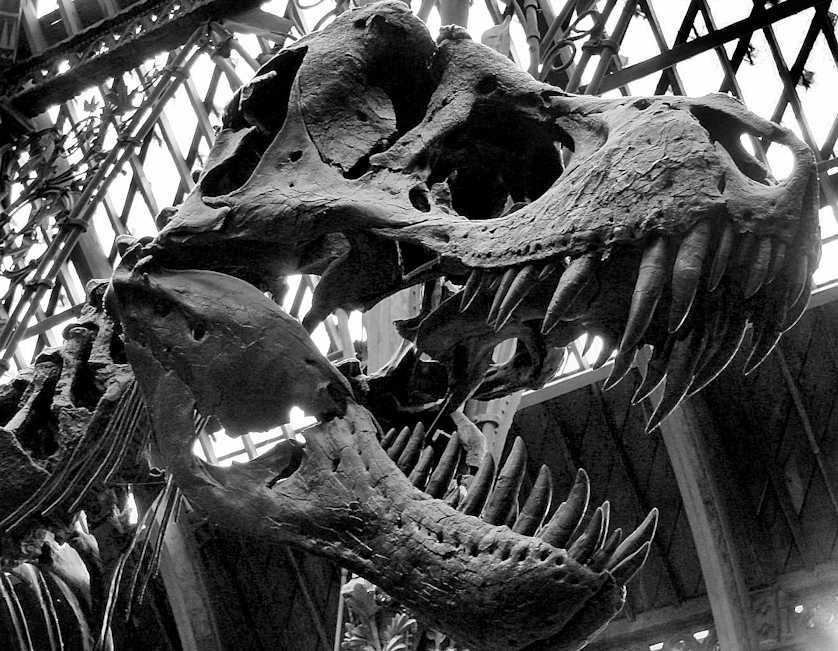
The Natural History Museum was established between 1855 and 1860 to bring together in one place materials that were scattered throughout the colleges of the university.
The various departments include Paleontology, Entomology, Mineralogy & Petrology, and of course, Zoology.
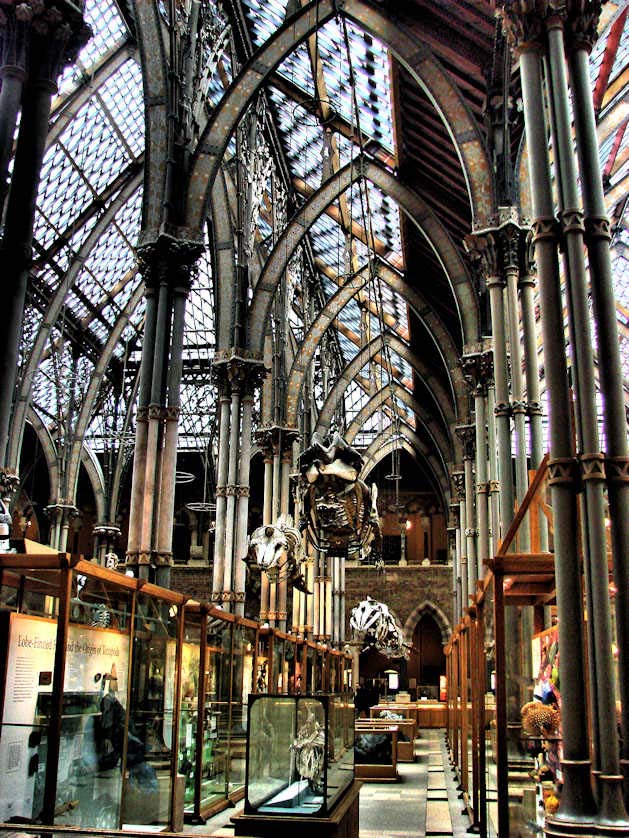
The Neo-Gothic building centres around a huge court covered in glass supported by iron pillars and was designed primarily by Benjamin Woodward although the art critic John Ruskin is said to have been influential.
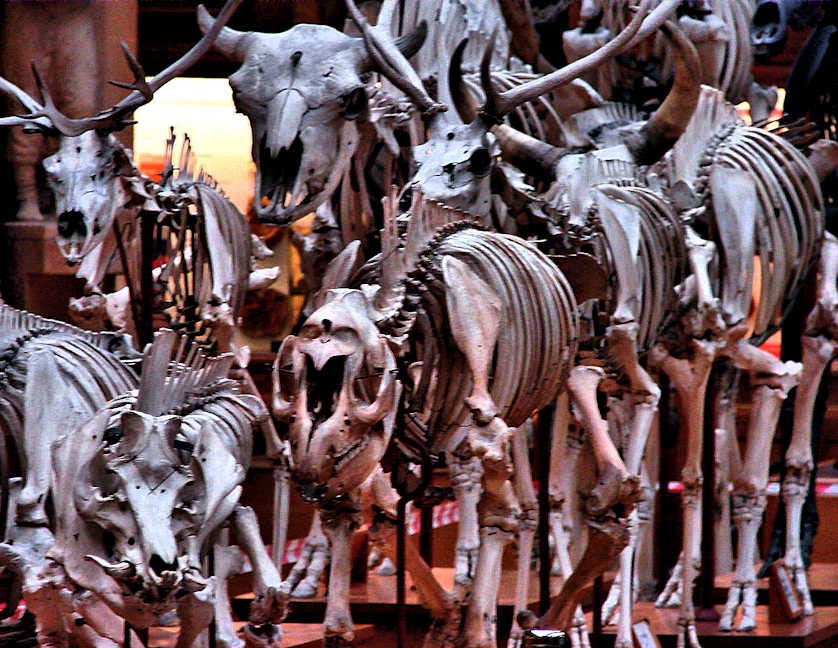
This is very much a "classic" though some might say old-fashioned museum with the whole building packed with glass display cases showing a selection from the museum's enormous collection of species. Everything is very clearly labeled, and seems to be really popular with kids, especially the dinosaurs.
Pitt Rivers Museum
The Pitt Rivers Museum is immediately adjacent to the natural History Museum through which you enter.
The museum was established in 1864 by Augustus Pitt Rivers, an army officer as well as ethnologist and archaeologist.
His collection of 22,000 objects formed the core of the original museum, though the museum's collection now includes a staggering 500,000 objects.
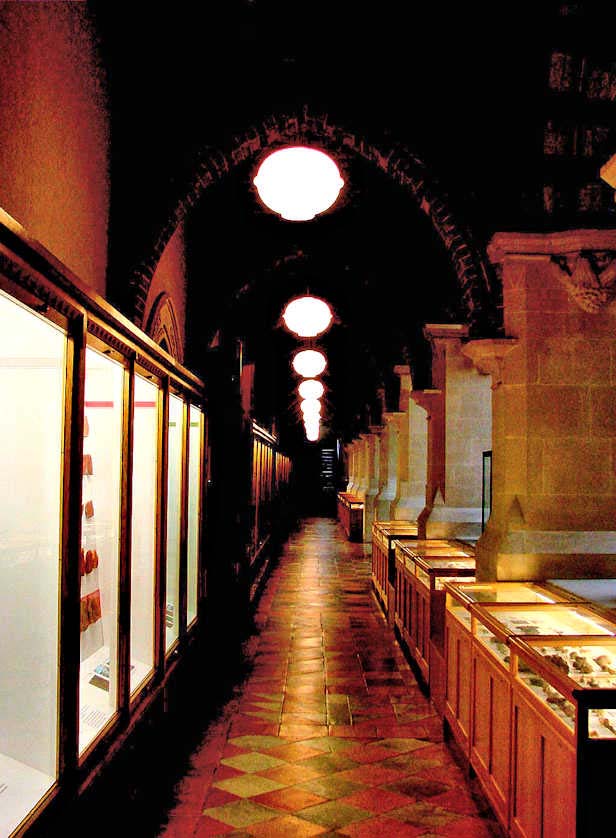
Like the Natural History Museum it is very much a "classic" museum with glass display cases filling the space to its limits.
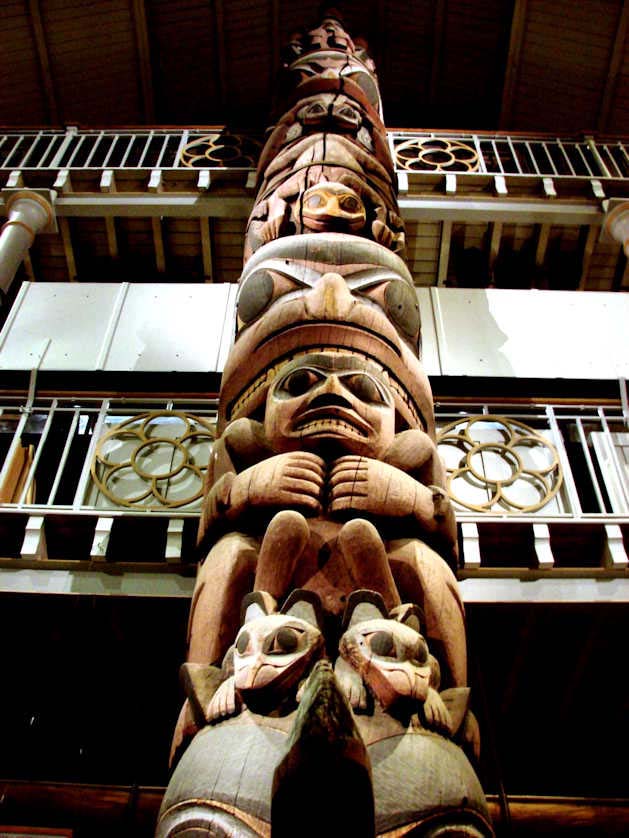
The objects on display come from all parts of the globe and from all ages of history, and includes such things as household objects, tools, clothes and footwear, religious and ritual objects, toys, jewelry, masks, etc.
However, whereas most anthropology and ethnology museums display their objects grouped by region or culture, here at the Pitt Rivers things are grouped according to their use.
For instance, axes. Axes from all ages of man and from cultures from all over the world will all be displayed together. While this makes understanding a specific culture or people more difficult, it lets us see the development of axes over time and showcases both the similarities and differences between cultures and peoples, both ancient and modern.
There is bound to be something for everyone on display, though the collection of shrunken heads is one of the most popular.
As well as the permanent collection on display the museum puts on a wide range of more thematic exhibitions.
Both museums should be on the list of things to see and do on a trip to Oxford, especially if with children, and without question on rainy days.
Access & Hours
Parks Road, Oxford OX1 3PW
Pitt Rivers Museum Tel: 01865 270927
Natural History Museum
Tel: 01865 272950
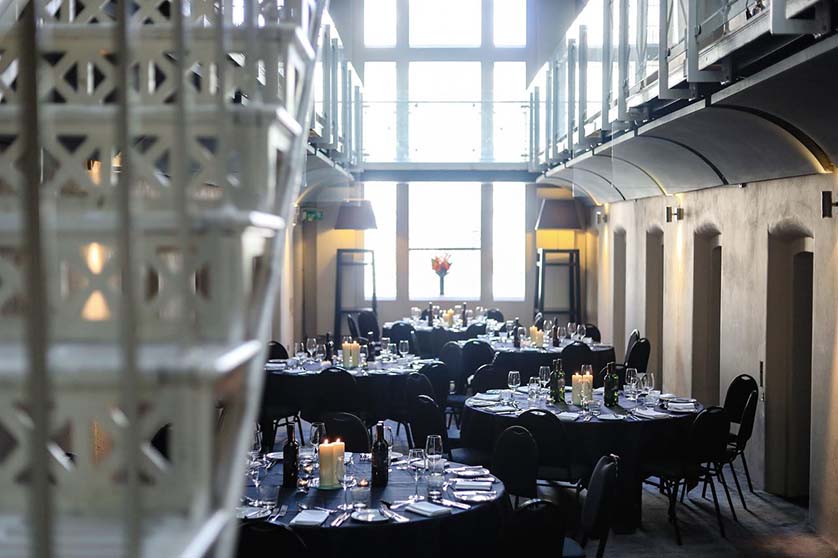
Carfax Tower is a 15 minute walk away. The luxury four-star, boutique hotel, Malmaison Oxford is a recommended place to stay in Oxford.

Access - Getting to Oxford
Oxford is served by London Oxford Airport, in nearby Kidlington, though it has very few flights to other destinations at present.
Oxford has 5 park and ride sites with bus links to the city centre: Pear Tree (bus 300), Redbridge (bus 300), Seacourt (bus 400), Thornhill (bus 400) and Water Eaton (bus 500).
There is frequent coach service between Oxford and London, including the X90, which is operated by the Oxford Bus Company. The Oxford Bus Company also runs services to Heathrow and Gatwick airports. The bus station at Gloucester Green is used mainly by the London and airport buses. National Express coaches and other long-distance buses including route X5 to Milton Keynes and Cambridge also use the station.
Oxford railway station is about 1 km west of the city centre. The station is served by many routes, including CrossCountry services to places as far away as Manchester and Edinburgh. First Great Western operates the station and offers services to London Paddington as well as other destinations such as Worcester.
The Oxford Ring Road surrounds the city centre and close suburbs. The main roads to and from Oxford are the A34 - which connects the North and Midlands to the port of Southampton, the A40, the A44 - which begins in Oxford and extends past Evesham to Worcester, Hereford and Aberystwyth, the A420 - which also begins in Oxford and leads to Bristol by way of Swindon and Chippenham. Oxford is also served by the M40 motorway, which connects London to Birmingham. The M40 comes no closer than 16 km away from the city centre, but it meets the A34 to the north of Oxford.
Blenheim Palace is located just off the A44 in Woodstock, Oxfordshire.
Accommodation
Oxford is close enough to London to make a day trip easy enough, especially if your hotel is close to Paddington Station. However, if you do stay in Oxford, the city has a range of accommodation to suit all budgets.
See a list of hotels in Oxford.
Oxford Related
Hotels in the UK
Book Hotels in England - Booking.com
Find Accommodation in London - Booking.com
Search Hotels in Scotland - Booking.com
Hotels in Northern Ireland - Booking.com