Sheffield Guide
Steel City - A Guide to Sheffield
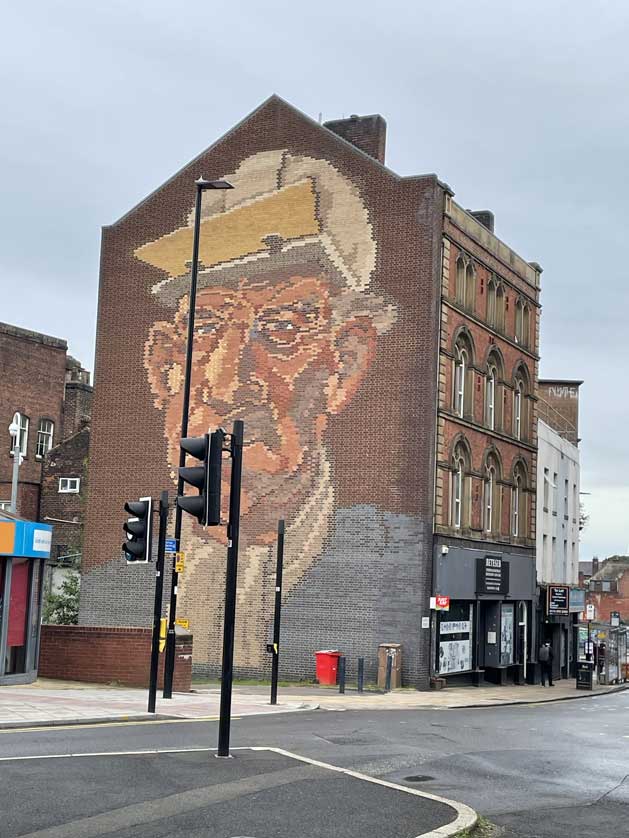
Sheffield in South Yorkshire is a lively town of over 580,000 people with a significant industrial history.
The 10th largest city in Britain, Sheffield is known for its industrial heritage as a steel-producing city.
Now the city is a vibrant, culturally-diverse center of education and culture with over 60% of the city classified as green space.
History
Sheffield as a town dates from the Saxon period and the name derives from the River Sheaf which flows through the area.
Originally a small market town during the medieval period, Sheffield's growth accelerated in the 18th century due to its burgeoning steel industry. Sheffield's involvement in the steel industry, in fact, dates back to the 14th century when the town became known for its cutlery production. The availability of iron ore, coal, and water power in the region contributed to the growth of the industry.
Sheffield gained international acclaim for its production of cutlery, including knives, scissors, and razors. The city also became a major center for the manufacturing of tools, particularly those used in the metalworking and cutlery industries.
The development of unique steelmaking techniques, such as crucible and stainless steel, positioned Sheffield as a global leader in steel production by the 19th century.
This industrial boom brought significant economic and population growth, transforming the city into a major industrial hub. However, the decline of the steel industry in the late 20th century led to economic challenges and necessitated a shift towards service industries and cultural regeneration.
Sheffield's industrial heritage is still evident in its architecture and landmarks, such as the Kelham Island Museum, which preserves the city's storied past.
Today, Sheffield is known for its green spaces, vibrant cultural scene, and as a center for advanced manufacturing and research, reflecting its ongoing evolution from its industrial roots.

Sheffield Attractions
The large Kelham Island Museum in the now trendy Kelham Island district of the city is an impressive industrial museum that showcases the city's rich history of steel production and manufacturing.
The museum features a wide range of exhibits that highlight Sheffield's industrial heritage. Visitors can explore displays of historic machinery, tools, and equipment used in steelmaking, engineering, and manufacturing processes. There are also interactive exhibits and demonstrations that provide insight into this Yorkshire city's lengthy, industrial past.
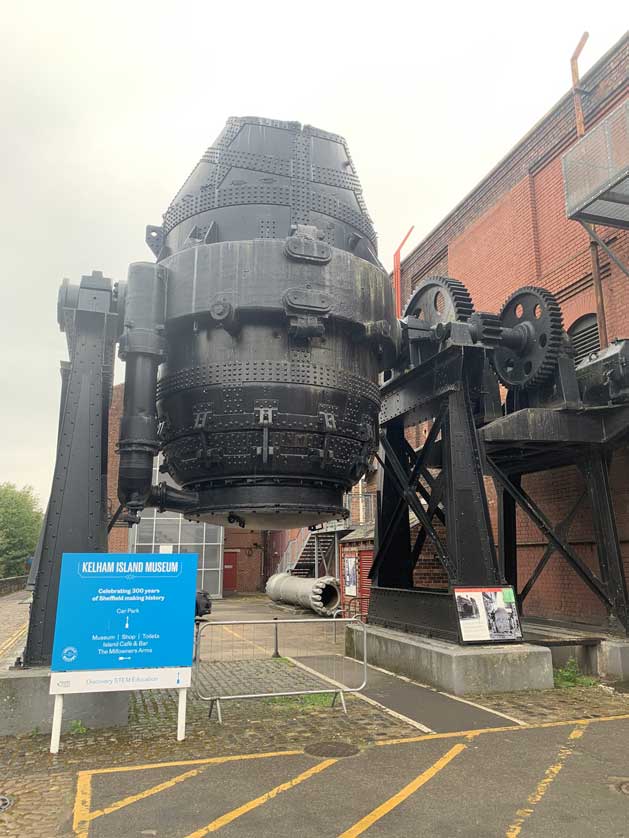
Among the notable exhibits are the River Don Engine, a massive steam engine that was once used to power a local steelworks to produce battleship plate, and the Bessemer Converter, a revolutionary invention in steelmaking history.

The National Videogame Museum (NVM) has over 100 contemporary and historic video games as well as videogame software and hardware. The museum began life as the National Videogame Arcade in Nottingham, before moving to Sheffield in 2018. The museum focuses on both contemporary and historic video games. Altogether there are 100 playable video and arcade games on display. These include such classics as Dance Stage Fusion, Gun Blade and Sonic & Sega All-Stars Racing.

The Peace Gardens and Millennium Square are in front of the city's Gothic town hall. The 1930s Peace Gardens have been redeveloped with the addition of Millennium Square as part of an inner city revival project in the late 1990s.
The interesting Millennium Gallery is close to Sheffield Station and Sheffield Hallam University. The museum and art gallery showcases a wide range of art, crafts, and design. The space opened in 2001 as part of Sheffield's Heart of the City project which also included nearby Millennium Square. The gallery boasts two permanent collections, along with a further two spaces dedicated to temporary exhibitions. There are also areas for hosting corporate events and weddings, as well as a café and a shop.
The permanent Ruskin Collection features a collection of coins, drawings, illustrated books, manuscripts, plaster casts, and prints donated to the city in 1875 by the Victorian scholar and art critic John Ruskin. The collection is owned by the Guild of St George established by Ruskin though managed and rotated by Museums Sheffield at the Millennium Gallery.
The Sykes Gallery Metalwork Collection, totaling over 13,000 objects, is a comprehensive compilation of Sheffield-made cutlery, flatware (forks and spoons), and holloware (such as bowls, teapots, and containers). It serves as a showcase of exemplary design and superior craftsmanship from across the globe, aiming to inspire the city's manufacturers, designers, and artisans.
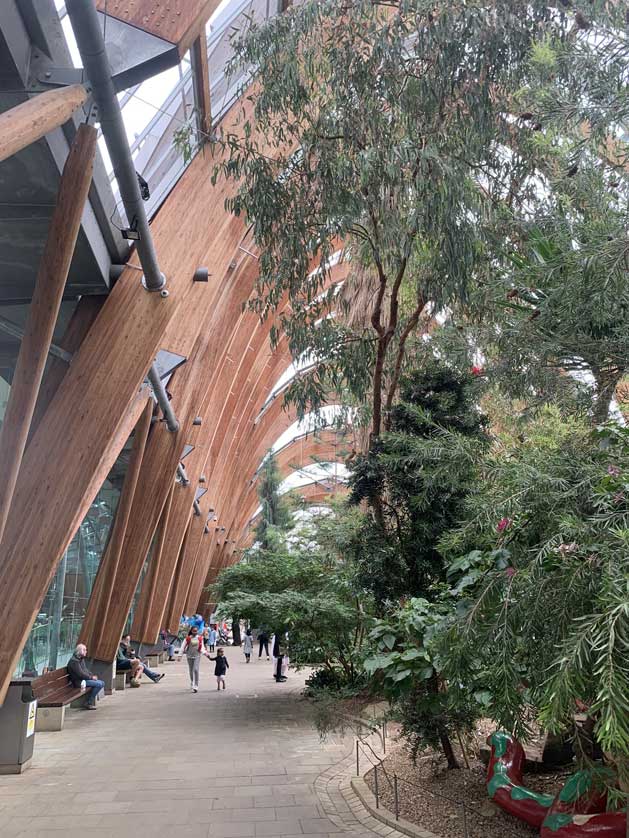
Winter Garden is an indoor botanical garden in the Heart of the City district of this increasingly green Yorkshire town. Housed in a large, modern glass and wooden structure that stretches over 70 meters in length and 22 meters in height, the building allows natural light to flood into the garden, creating a bright and airy space for visitors to enjoy. Indeed, the structure is one of the largest temperate glasshouses to be built in Britain in the last century. Larch is the main wood type used in the construction.
The National Emergency Services Museum is another interesting museum in Sheffield. It is dedicated to the preservation and celebration of the history and heritage of emergency services in the UK. Housed in a historic Victorian police and fire station, the museum offers a comprehensive collection of artifacts, vehicles, and exhibits that chronicle the evolution of emergency services from the 18th century to the present day. Visitors can explore over 30 vehicles, many still in full working order, including fire engines, ambulances, and police cars, alongside a vast array of uniforms, equipment, toys and interactive displays.
Weston Park Museum is housed in a Grade II listed building within Weston Park. The museum originally opened in 1875 and has undergone significant renovations over time. The museum's diverse collections span natural history, archaeology, social history, and fine arts. Notable exhibits include the Ancient Egypt exhibition of mummies which replaced the popular 'Arctic World' gallery in 2019 and an extensive array of artifacts related to the city's industrial past.
Site Gallery on Brown Street is a contemporary art space that specializes in the moving image, new media and performance.
On Surrey Street is Graves Gallery located above the Central Library. It houses an impressive collection of British and European fine art, including works by renowned artists such as J.M.W. Turner, Bridget Riley, and Damien Hirst. There are frequent temporary exhibitions during the year.

Sheffield Churches
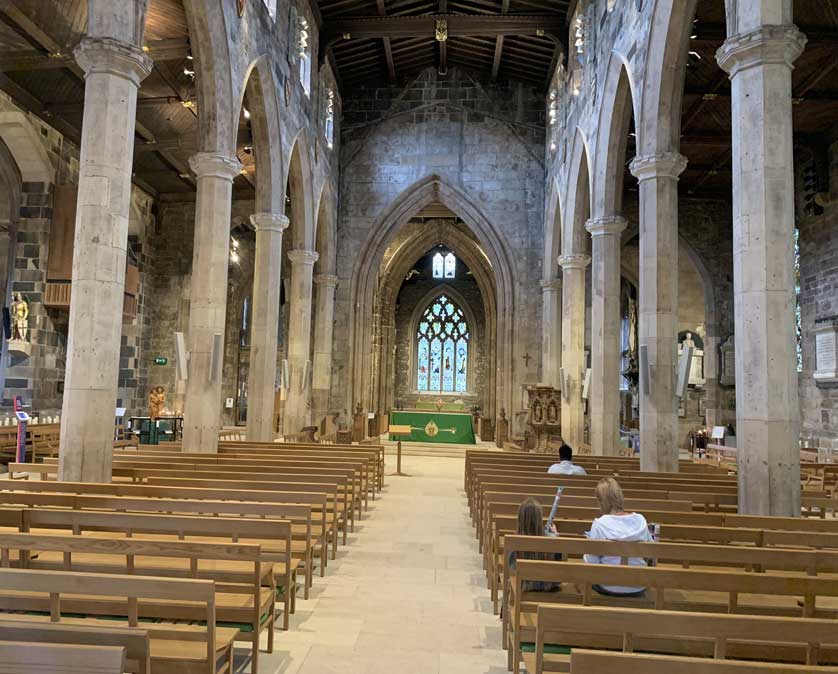
Sheffield Cathedral (Cathedral Church of St. Peter and St. Paul) dates back originally to the 12th century, with the core of the current structure being primarily constructed in the Gothic style during the 15th century. Subsequent renovations and expansions in the 18th, 19th, and 20th centuries have contributed to its architectural diversity, incorporating elements of Perpendicular Gothic and modern design. As the oldest building in continuous use in Sheffield, the cathedral not only serves as a place of worship but also as a cultural and community hub, hosting events, exhibitions, and educational programs. Its rich history is reflected in its intricate stained glass windows, ancient monuments, and the Shrewsbury Chapel, which houses the tombs of the Earls of Shrewsbury.
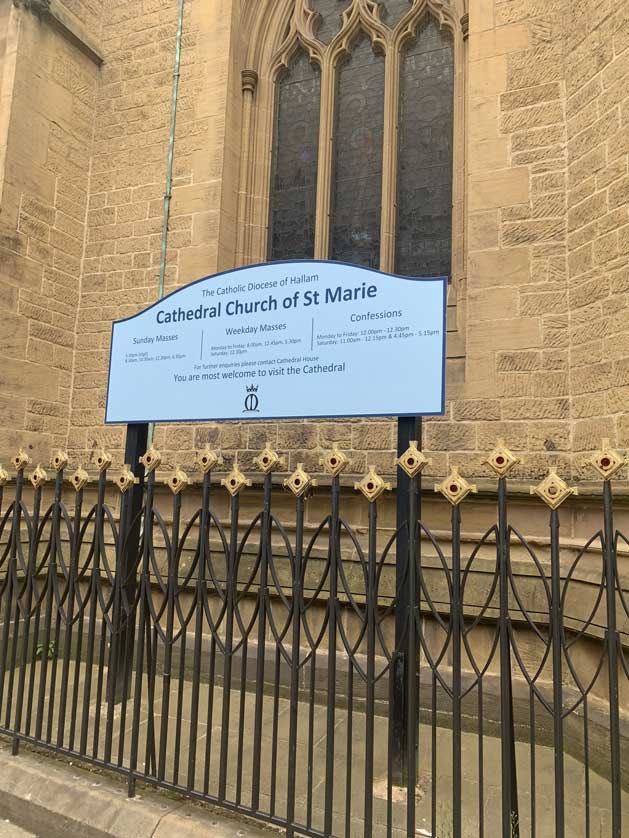
The Cathedral Church of St Marie is a prominent Roman Catholic cathedral with Gothic Revival architecture. Completed in 1850, the cathedral was designed by the renowned architect Matthew Ellison Hadfield, who drew inspiration from the medieval churches of Europe. The building's intricate design features pointed arches, ribbed vaults, and ornate stained glass windows. St Marie's holds historical significance as a symbol of the Catholic revival in Sheffield during the 19th century, serving a growing Catholic population in the city. The cathedral also houses several notable artworks, including a series of 19th-century paintings of the Stations of the Cross and a finely crafted alabaster reredos. In recent years, extensive restoration work has been undertaken to preserve these historical elements and to enhance the cathedral's structural integrity.

Nearby Sheffield Centre Unitarian Church (Upper Chapel) originally dates from 1700 with several renovations over time. The paved square in front of the building is a pleasant space to rest and reflect. Several pieces of modernist sculpture by Sheffield-born sculptor George Fullard (1923-1973) decorate the square.
Sheffield Shopping & Entertainment
Sheffield offers a blend of shopping and entertainment that reflects its diverse cultural landscape and large student population.
The city center is home to the bustling Meadowhall Shopping Centre, one of the largest in the UK, featuring an extensive array of retail outlets, dining options, and leisure facilities.
Complementing this modern shopping hub are the independent boutiques and artisan shops scattered across the Devonshire Quarter and Ecclesall Road, which provide unique and local shopping experiences.
Sheffield's entertainment scene is equally vibrant, with venues such as the Crucible Theatre and the Lyceum Theatre hosting a range of performances from classical plays to contemporary productions.
The city also boasts a lively music scene, epitomized by the Leadmill, an iconic venue known for live concerts and club nights. Additionally, Sheffield's annual events, such as the Tramlines Festival in Hillsborough Park, and the Sheffield Doc/Fest, the UK's largest documentary festival, attract visitors from across the globe, further establishing the city as a popular destination for both shopping and cultural entertainment.

Sheffield Restaurants
For the foodie Sheffield offers an pleasing choice of places to drink, eat, and relax.
For a taste of local fare, head to Cutlery Works, the largest food hall in the North of England, where you can sample everything from artisan pizzas to fresh sushi.
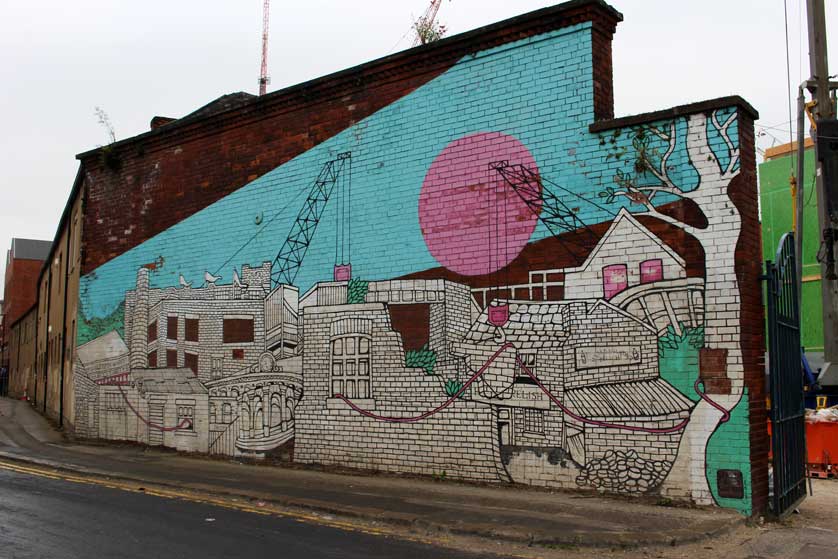
Kelham Island is another hotspot, brimming with trendy cafes, craft beer breweries, and gourmet street food vendors.
For fine dining, Rafters Restaurant provides an elegant setting with an impressive menu of modern British cuisine. It is Michelin-starred as is Joro just off Shalesmoor.
Cambridge Street Collective (CSC) claims to be Europe's largest purpose-built food hall. There's a wide range of cuisines to choose from including Chinese, Eritrean and Ethiopian, Japanese, Malaysian, Pakistani, South Indian, and Vietnamese.
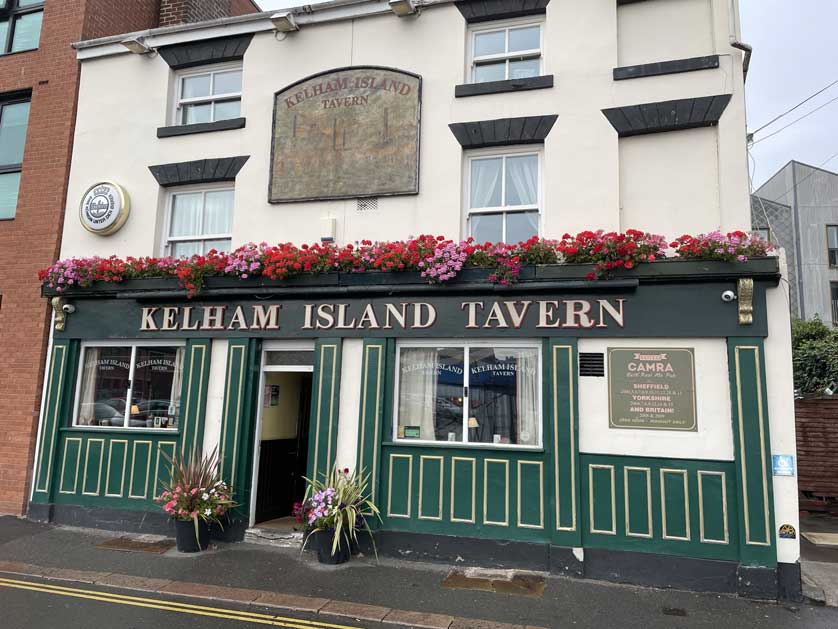
Sheffield's eclectic mix of eateries is complemented by its vibrant pub culture, with historic establishments like The Fat Cat and contemporary bars such as Public, housed in a former public toilet, offering a unique drinking experience. Kelham Island Tavern is another recommended pub.

Access - Getting to Sheffield
Sheffield Station is a combined railway station and tram stop. It is the main point of access for visitors to this historic steel-manufacturing city.
There are trains to Huddersfield Station, Leeds, York Station in York, Newcastle, Edinburgh, Glasgow Central & Aberdeen.
The station also has connections to Manchester Piccadilly in Manchester via New Mills Central, London St Pancras, Derby, Norwich and Nottingham as well as Birmingham, Reading, Bristol, Plymouth and Penzance.
In addition, there are rail departures to Liverpool Lime Street in Liverpool via Stockport Station in Stockport and Manchester Piccadilly.
National Express buses depart from Sheffield Interchange at Pond Square, services depart from stands E1/E2.
There are buses to and from Sheffield to the spa town of Buxton in Derbyshire.


The Sheffield Supertram, operational since 1994, was developed to alleviate congestion and improve connectivity within the city and surrounding areas. The Supertram network connects Sheffield and Rotherham and now has four lines covering 34.6 km. They serve major destinations, including the city center, universities, hospitals, as well as residential neighborhoods.
Maps

Sports & Stadiums
The city of Sheffield is home to two professional soccer clubs, Sheffield United and Sheffield Wednesday, as well as the world's oldest football club, Sheffield F.C.
United ('The Blades') play their home games at Bramhall Lane (capacity 32,000), south of the center, whereas Wednesday ('The Owls') are based at Hillsborough (capacity 39,000) northwest of the city center. Matches between the clubs are known as the 'Steel City Derby'.
The World Snooker Championship has been held at the Crucible Theatre since 1977.

Hotels
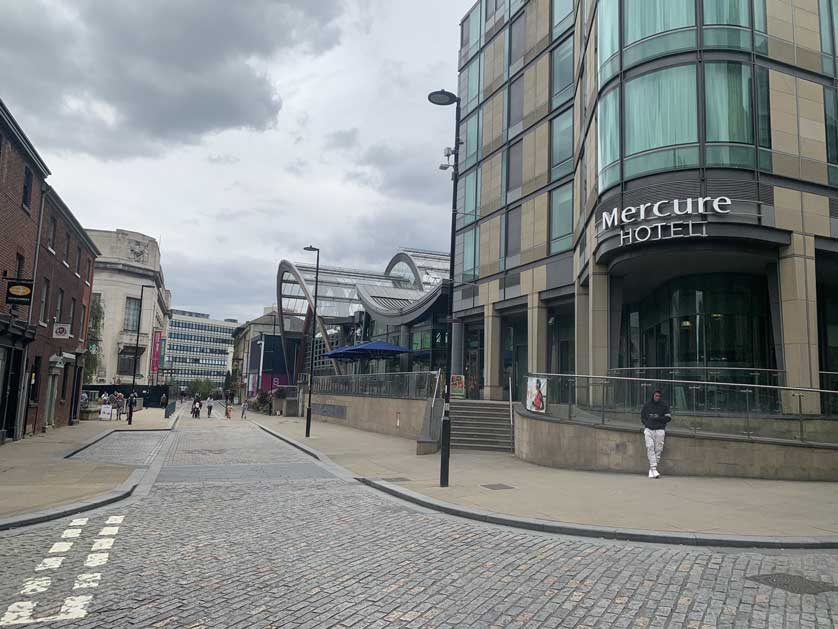
Fairly close to Sheffield Station is the 4-star Novotel Sheffield Centre. The Leonardo Hotel Sheffield is also 4-star and offers a bar, restaurant, and a 24-hour reception. Mercure Sheffield St Paul's Hotel & Spa has a restaurant, champagne bar, sauna and indoor swimming pool.
See here for a complete listing of hotel accommodation in Sheffield.
Hotels in the UK
Book Hotels in England - Booking.com
Find Accommodation in London - Booking.com
Search Hotels in Scotland - Booking.com
Hotels in Northern Ireland - Booking.com